When a mystery cone-shaped object on Mars ignited a public feud between a Harvard scientist and NASA
NASA's Curiosity images a mysterious object on Mars

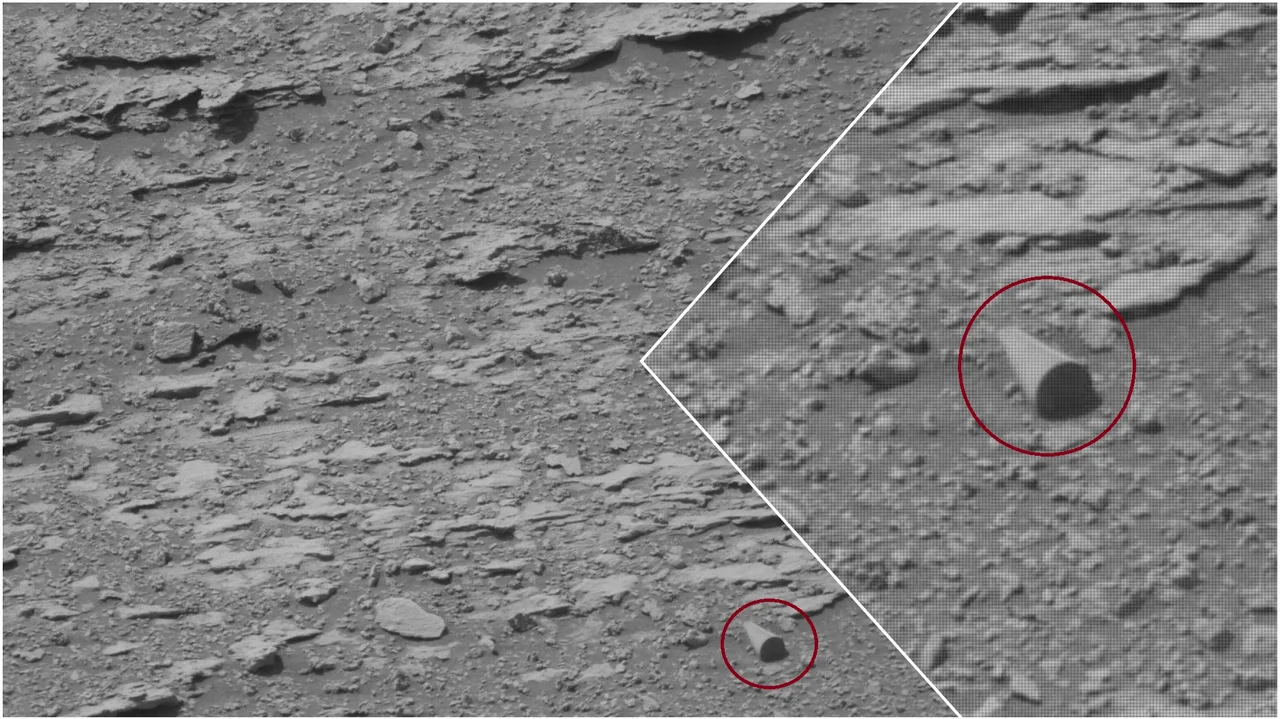
Back in August 2022, the Mast camera (Mastcam) onboard NASA’s Curiosity rover captured an image in the Paraitepuy Pass, a narrow gap in the Gale Crater on the slopes of Mount Sharp. There was hardly any conversation surrounding the image until a mysterious party-hat-shaped object in it was brought to the attention of Harvard astrophysicist Avi Loeb.
Avi Loeb shares his assessment, calls the object 'human-made'
The conical object was first spotted in NASA’s database by amateur Mars researcher Rami Bar Ilan. Later, Dr. Jan Špaček from the Florida-based Foundation for Applied Molecular Evolution and Professor Carol Cleland of the University of Colorado Boulder brought it to the attention of Loeb, who published his own assessment of the object in March 2026.
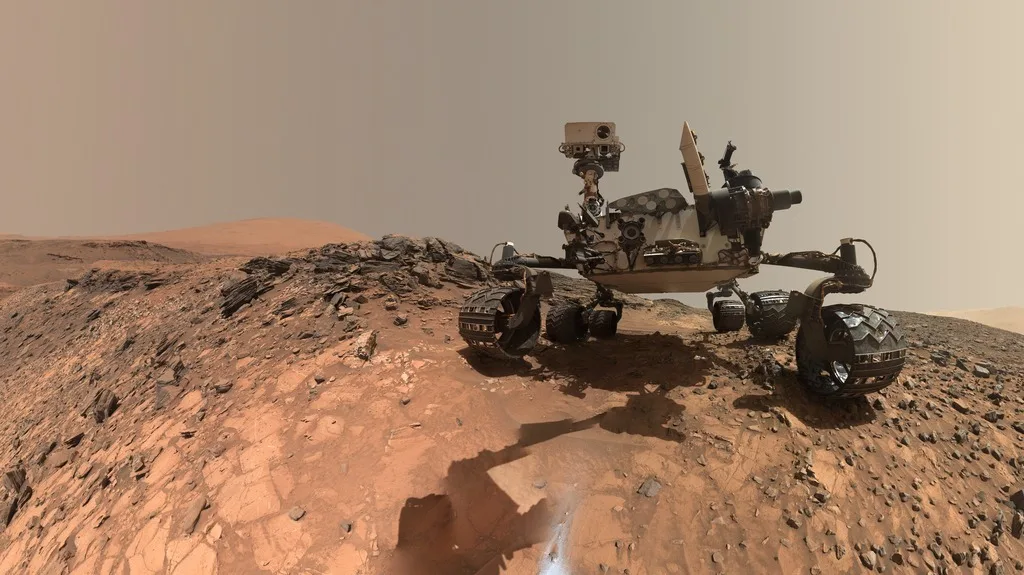
“The shiny object has a perfectly round cylindrical shape with a length of about 20 centimeters and a flat end,” he wrote in his blog on Medium. “The most likely explanation is that it corresponds to human-made debris.” His theory was that it could be a “bit of wiring or wheel material from Curiosity itself,” which has been known to lose parts during operations on the Red Planet.
Loeb calls on NASA to send Curiosity back to the spot
To get to the bottom of the mystery, Loeb suggested that NASA turn the rover back, which was about 8 kilometers away from the location of the object at the time. The astrophysicist, known for his unconventional theories on the interstellar comet 3I/ATLAS, even did the math, estimating that it would take the rover just a couple of days to get back to the spot if it traveled at its top speed of 0.16 kilometers per hour.
“NASA is funded by the taxpayers, and if we poll taxpayers, they would likely agree with me that understanding the origin of the mysterious cylinder should be the top priority of Curiosity,” he told The New York Post on March 14.
Weirdly shaped objects common on Mars, says NASA in response
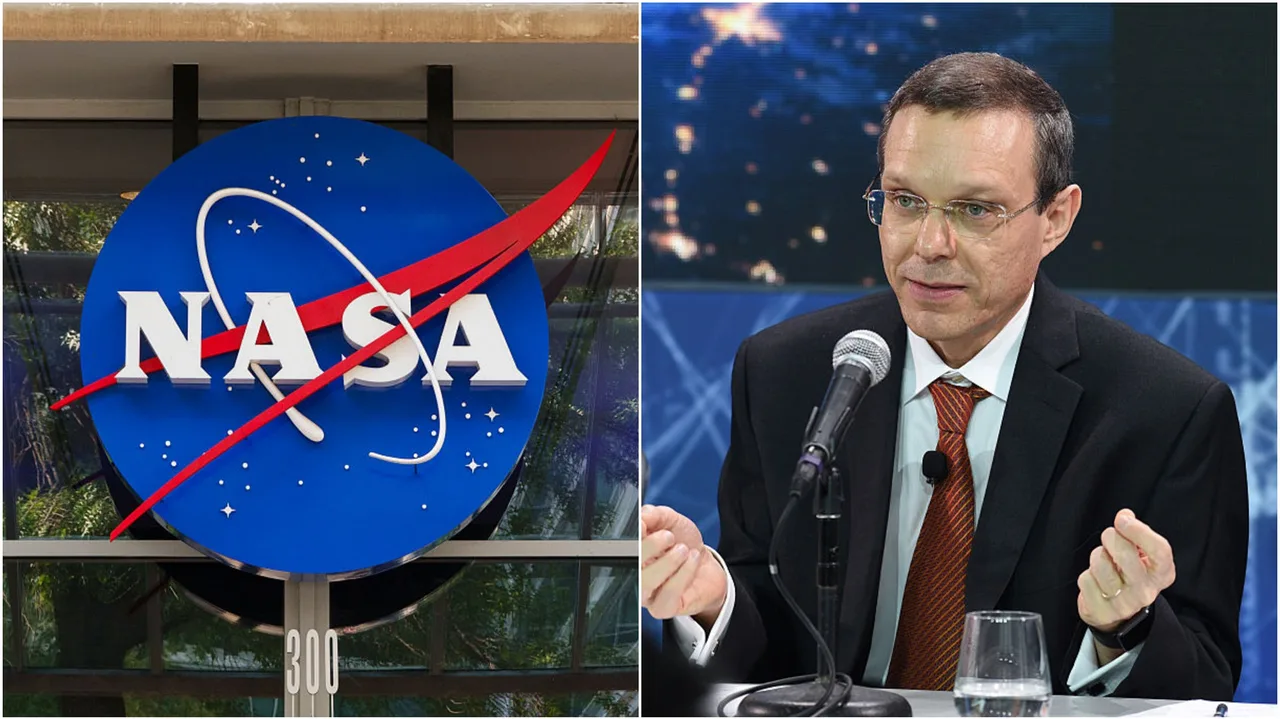
NASA, however, didn’t consider the object to be worth the inconvenience. The agency claimed that it was a naturally occurring rock likely shaped by Martian winds, citing it as an example of pareidolia, a psychological phenomenon that makes us look for familiar patterns in randomly shaped objects. "We've seen many, many Martian rocks that exhibit shapes that, from a particular angle, look like a more familiar shape," a NASA spokesperson told The Post, per a report published on March 28.
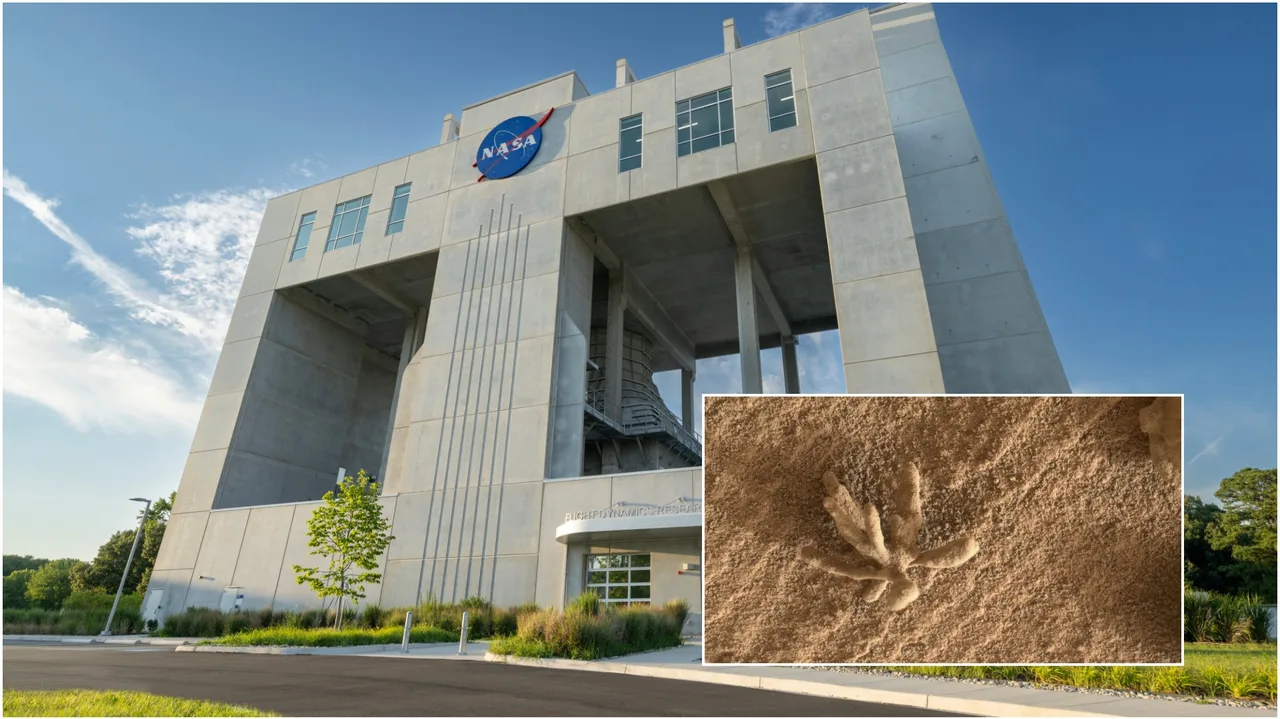
Indeed, many weirdly shaped, yet naturally occurring, rocks have been imaged on Mars. Notable among them was the flower-shaped rock that resembled a coral reef and was smaller than a penny (see inset). NASA also said that the conical object was only about 1 cm long, much smaller than what Loeb had estimated.
Loeb refuses to buy NASA's explanation, issues open challenge
Loeb refused to accept NASA’s explanation, arguing that the object's smooth cylindrical surface and flat end are not characteristic of naturally occurring rocks. “The image clearly shows that there is no rock resembling this anomalous object within its natural environment," Loeb told The Post, challenging the space agency to produce another image of a similarly shaped rock from Curiosity’s gallery. “A rock is not expected to have a smooth cylindrical surface with a flat end. If this object is a rock, we should see other examples of it,” he said.
The disagreement remains unresolved to date.