✕
Astronomy Constellation Deep Sky Objects Skywatching Instruments Spaceflight Videos
Home / Galleries

10 breathtaking celestial spectacles that skywatchers must not miss in 2026

Skywatching May 19, 2026
BY DISITA SIKDAR
Astronomer with telescope milky way (Image Credits: Tony Rowell/Getty Images)
Discover 10 breathtaking celestial spectacles in 2026 that will light up the night sky and leave skywatchers in awe.

10 Photos
1 / 10
Blue Moon
IMAGE SOURCE: NASA/BILL INGALLS

Blue Moon

Skywatchers are truly in luck, as they’ll get to witness a celestial spectacle that happens "once in a blue moon." May 2026 will feature a second full moon, and when two full moons occur in a single calendar month, the second is traditionally termed a "Blue Moon". However, despite its name, the Moon will not actually appear blue in color.

Such an occurrence is rather rare and takes place roughly once every two to three calendar years. This happens because our 365-day calendar year does not align perfectly with the 354-day lunar cycle. May 2026 will see its first full moon on May 1, followed by the Blue Moon on May 31. Notably, because of this extra lunar event, this year will have a total of 13 full moons instead of the usual 12.

In the picture, Bill Ingalls captured the Blue Moon over Cincinnati on August 12, 2012.

2 / 10
Venus and Jupiter conjunction
IMAGE SOURCE: NASA/BILL DUNFORD

Venus and Jupiter conjunction

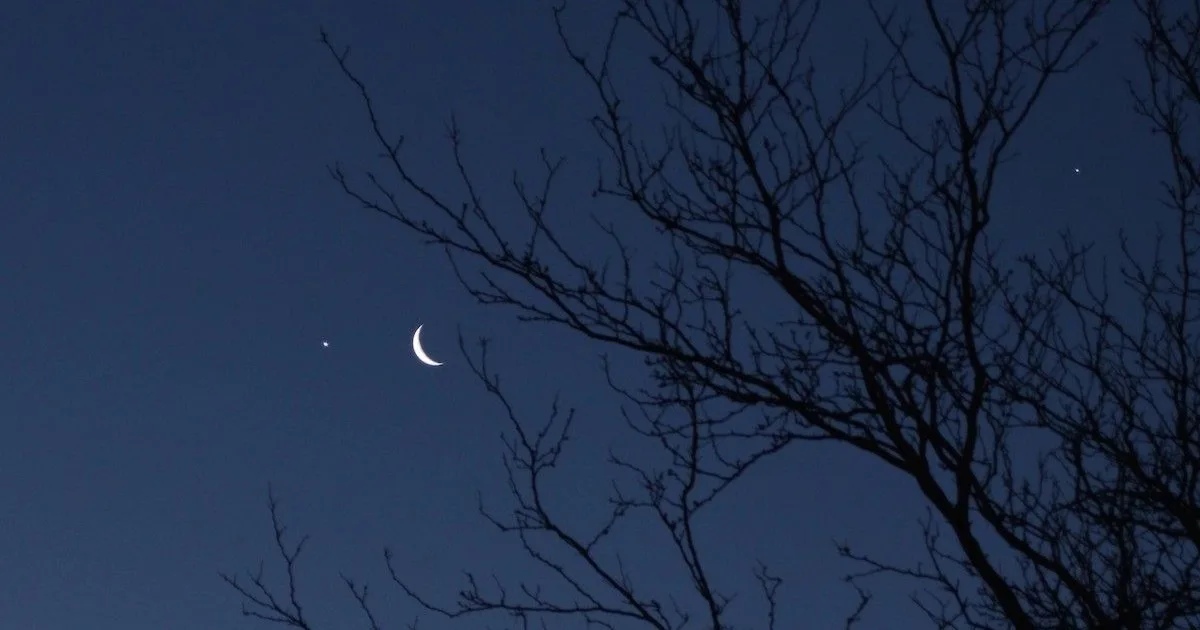
Two of the brightest planets of our Solar System will appear in the night sky very close to each other next month. Skywatchers can spot Venus and Jupiter on June 8 and 9 when the planets will appear just a pinky finger's width away from each other on the night sky.

This image shows Venus, the crescent Moon, and Jupiter together in the night sky above Salt Lake City, captured on January 31, 2019.

3 / 10
June Solstice
IMAGE SOURCE: NASA/DSCOVR EPIC

June Solstice

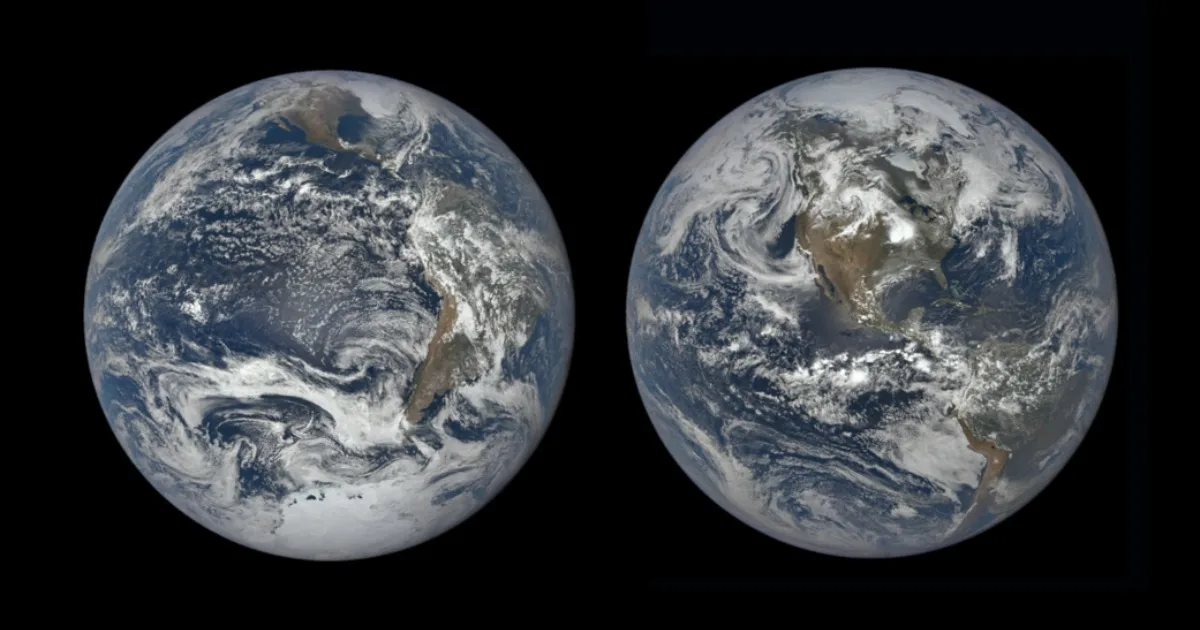
The Sun is set to reach its northernmost point along the ecliptic on June 21 at 8:25 UTC (3:25 AM CDT), marking this year's June or Summer Solstice. At this exact moment in time, the Sun will be positioned on the celestial Tropic of Cancer, which sits 23.5 degrees north of the celestial equator. Because Earth's axis is tilted at roughly 23.5 degrees, the Summer Solstice marks the time when the Northern Hemisphere is angled most directly toward our host star. Consequently, the Northern Hemisphere experiences its longest day and shortest night of the year during the solstice, while the exact opposite is true for the Southern Hemisphere.


The image shows the contrast in Earth’s tilt between December (left) and June (right), which was captured by NASA's Earth Polychromatic Imaging Camera on the National Oceanic and Atmospheric Administration’s DSCOVR satellite in December 2018 and June 2019.

4 / 10
Southern Delta Aquariids & Alpha Capricornids Meteor Shower
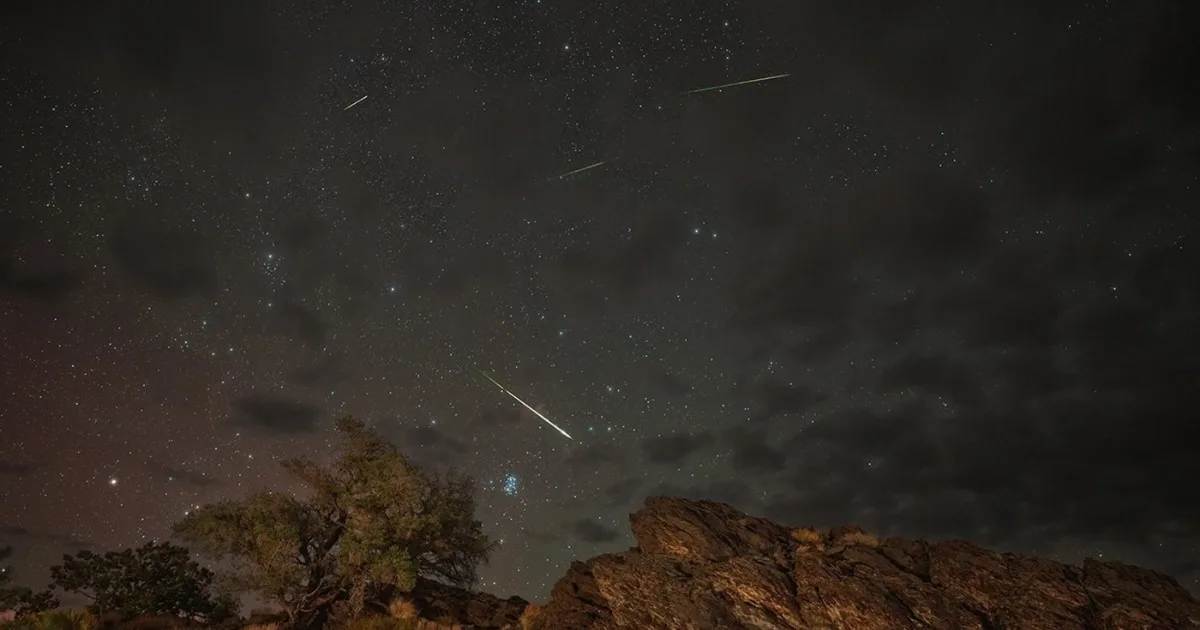
IMAGE SOURCE: NASA/ESA/SOHO

Southern Delta Aquariids & Alpha Capricornids Meteor Shower

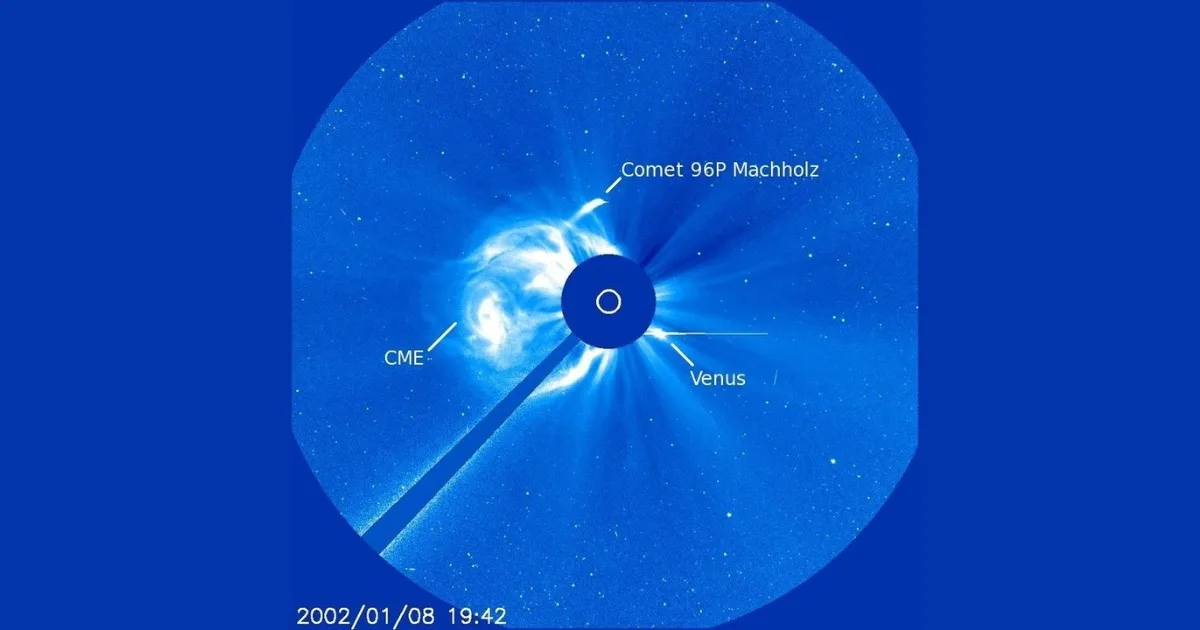
July and August will witness the Delta Aquariids and the Alpha Capricornids meteor showers. While the southern Delta Aquariids will be active between July 12 and August 23, 2026, the peak viewing time will be around July 30-31. However, because the Moon will be nearly full during this peak, these faint meteors might not be visible due to the bright moonlight. The Alpha Capricornids shower, meanwhile, will be active from July 3 to August 15, 2026. Visible from both hemispheres, this shower typically produces a rate of up to 5 meteors per hour. However, it is famous for producing bright, slow-moving fireballs, which have a much better chance of being visible through the bright moonlight.

This picture from 2002 shows 96P Machholz, the suspected comet of origin for the Delta Aquariids. The comet orbits the Sun every 6 years.

5 / 10
Perseids Meteor Shower
IMAGE SOURCE: NASA/PRESTON DYCHES

Perseids Meteor Shower

The Perseids meteor shower will reach its predicted peak on August 13, 2026, at 14:53 UTC, with the intervening night of August 12 and 13 offering the best viewing window. Ideal for observing under a dark sky, the Perseids this year will coincide with the new Moon on August 12, offering near-perfect viewing conditions. Because bright moonlight will not obscure the fainter shooting stars, viewing conditions will heavily favor skywatchers, who can potentially see 90-100 meteors streaking across the night sky per hour. 


The image shows a 2024 snap of the Perseids meteor shower across the sky at the Inyo National Forest in Bishop, California.

6 / 10
Total Solar Eclipse
IMAGE SOURCE: NASA/KEEGAN BARBER

Total Solar Eclipse

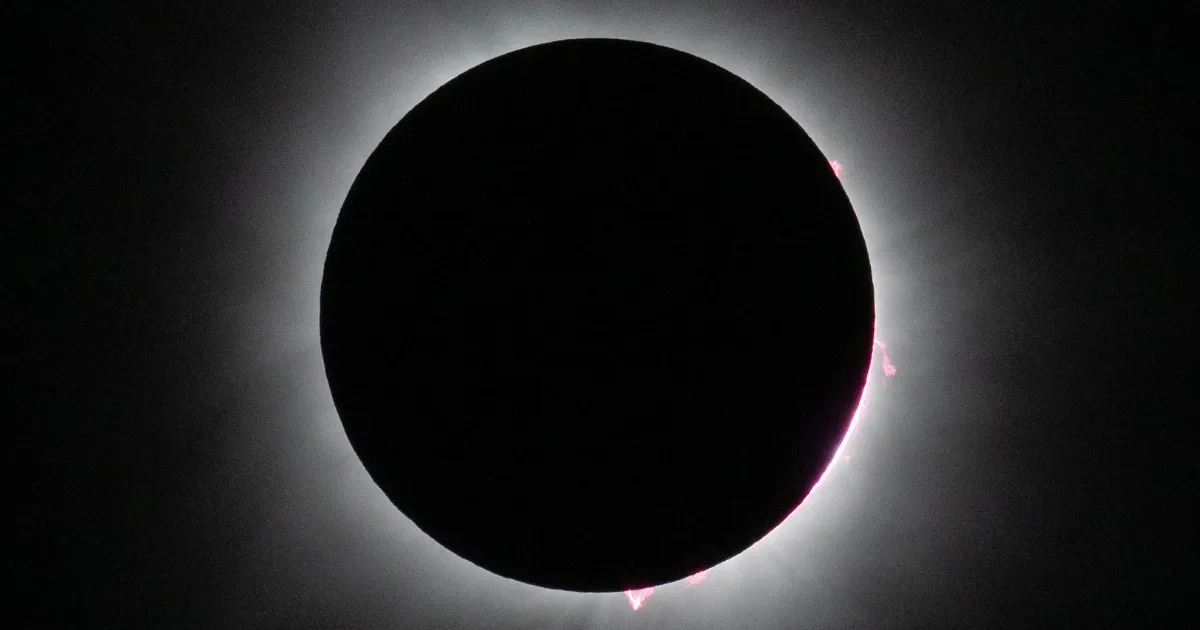
A total solar eclipse is slated to take place on August 12, 2026, with the path of totality—where observers can spot the Sun being completely blocked by the Moon—spanning across Russia, Iceland, Spain, Greenland, and some parts of Portugal. A partial solar eclipse, meanwhile, will be visible across a much broader area, including the rest of Europe, North America, and Africa, as well as over regions of the Atlantic, Arctic, and Pacific Oceans. Interestingly, the August 12 eclipse will mark the first total solar eclipse visible from mainland Europe since 1999.

The image captures a total solar eclipse visible from Dallas back on April 8, 2024.

7 / 10
September Equinox
IMAGE SOURCE: NOAA/NASA

September Equinox

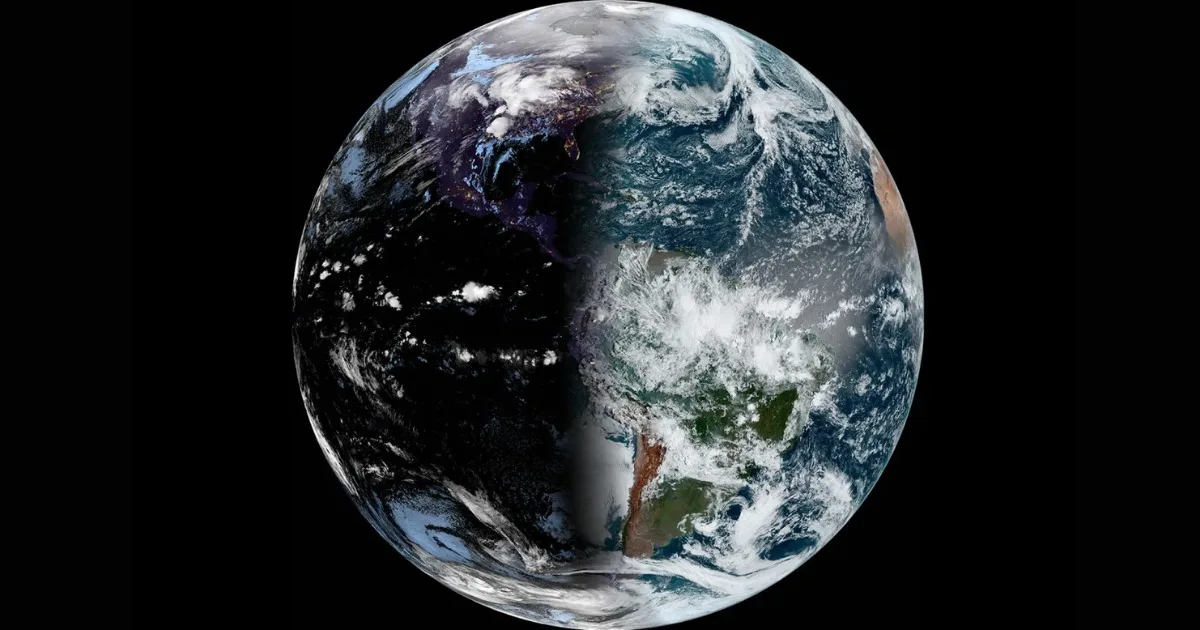
This year, on September 23, the Sun will be directly above Earth's equator, marking the September Equinox. The exact time for the equinox to occur in 2026 is 00:06 UTC (19:06 CDT on September 22). As the Sun crosses the celestial equator, it will move from north to south, signalling the beginning of autumn in the Northern Hemisphere, and the start of spring in the Southern Hemisphere.

The image captures the Earth in a full disk view taken by the GOES 16, GOES East, during a vernal equinox.

8 / 10
Draconids Meteor Shower
IMAGE SOURCE: JUAN CARLOS CASADO (TWAN)/NASA

Draconids Meteor Shower

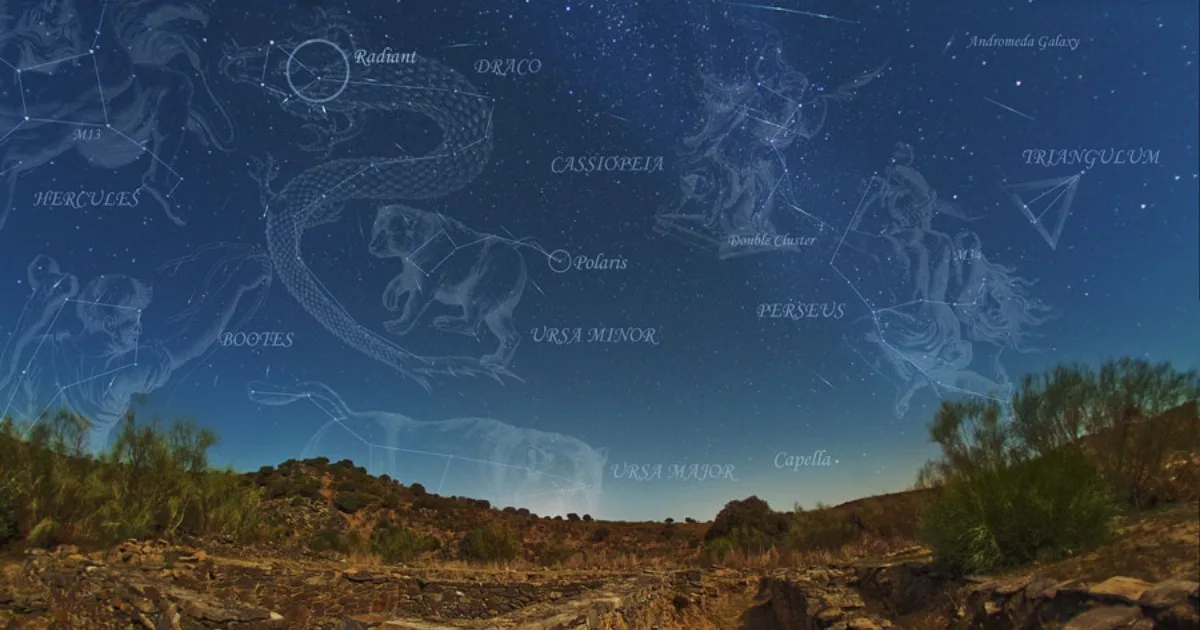
The Draconid meteor shower, historically known as the Giacobinids, is predicted to reach its peak on October 9, 2026, at 1:00 UTC. Unlike most meteor showers that are best viewed in the early morning hours before dawn, the Draconids are unique. Because their radiant point (in the constellation Draco) stands highest in the sky just after nightfall, the best time to watch this shower is during the early evening hours of October 8. Observers are in luck this year as well, as the shower's peak coincides with a waning crescent moon that won't rise until the early morning, leaving the evening skies dark. Under these ideal, moonless conditions, skywatchers can expect to spot around 10 meteors per hour.

The image beautifully captures the Draconid meteor shower over the Celtic ruins of Capote in Badajoz province in Spain.

9 / 10
Geminids Meteor Shower
IMAGE SOURCE: NASA/MSFC/DANIELLE MOSER, NASA'S METEOROID ENVIRONMENT OFFICE

Geminids Meteor Shower

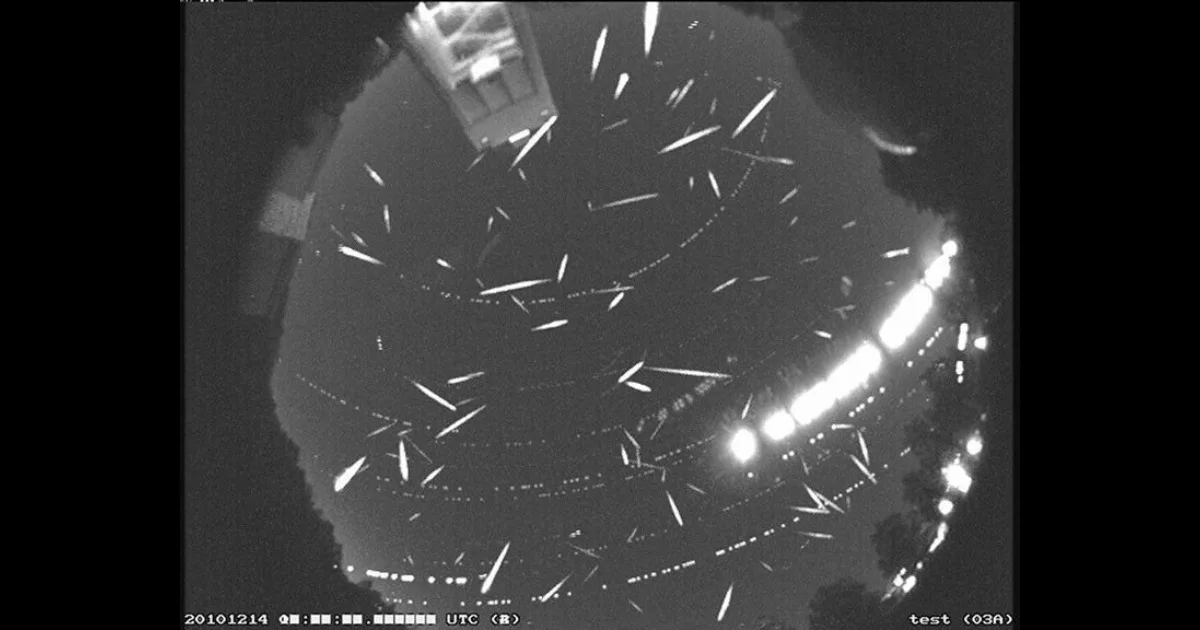
The Geminid meteor shower, widely considered the most spectacular meteor shower of the year, is active between November 19 and December 24. Because its radiant (in the constellation Gemini) rises in the mid-evening, skywatchers can begin to enjoy the phenomenon earlier in the night than most other showers. However, the absolute best viewing will be on the night of December 13 into the early morning of December 14, 2026. While highly specific peak times are sometimes predicted, the Geminids famously have a broad maximum lasting over 24 hours, meaning excellent rates will be visible throughout the night. Observers are in luck this year: a waxing crescent moon will set early in the evening, leaving perfectly dark skies for the peak. Under these ideal conditions, skywatchers could spot up to 120 (and sometimes up to 150) meteors per hour, especially around 2:00 AM when the radiant is highest in the sky.

The image captures more than 100 meteors during the Geminid meteor shower peak in 2014.

10 / 10
Supermoon
IMAGE SOURCE: NASA/BILL INGALLS

Supermoon

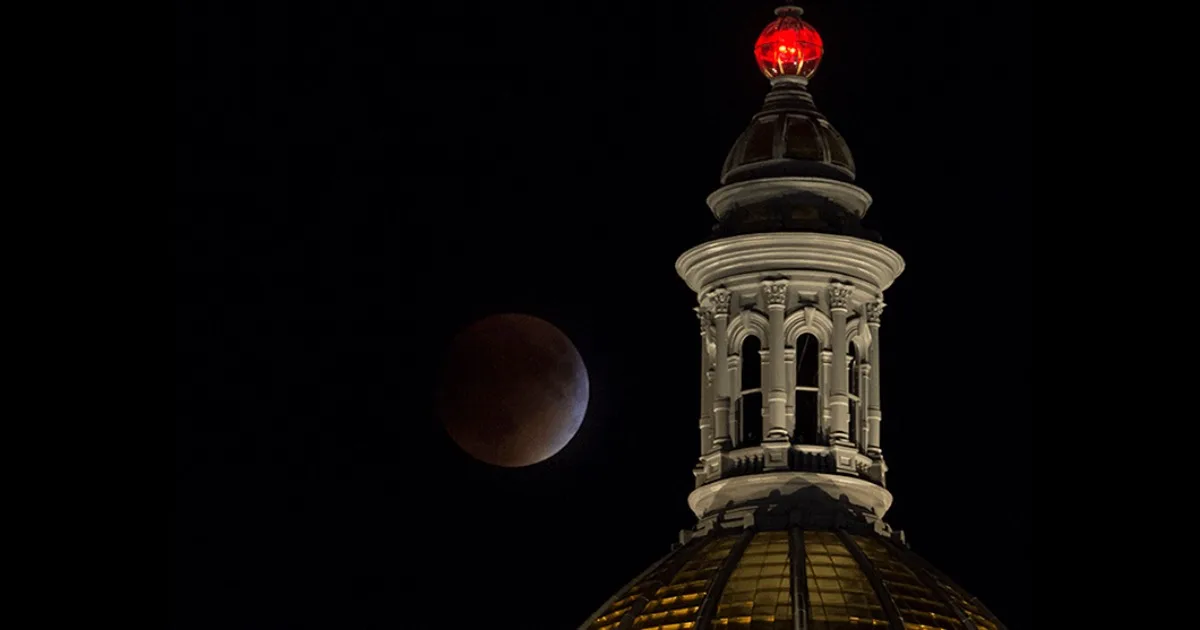
2026 is an amazing year for watching supermoons, featuring a total of eight supermoons throughout the year. Because five of these are "new" supermoons (which are invisible from Earth), skywatchers will be treated to exactly three full supermoons. The final one of these spectacular full supermoons will be visible on December 24, 2026. According to astrophysicist Fred Espenak’s full supermoon table, the Moon's distance during this December 24 event is calculated at a remarkably close 356,740 kilometers.

The image shows a supermoon total lunar eclipse near the Colorado State Capitol building back on September 27, 2015.

MORE GALLERIES

This Oxford philosopher hopes humanity's search for extraterrestrial life "finds nothing" 5

This Oxford philosopher hopes humanity's search for extraterrestrial life "finds nothing"

Aug 7, 2026
Isaac Newton's 1704 doomsday prophecy predicted the year the world would end 5

Isaac Newton's 1704 doomsday prophecy predicted the year the world would end

Aug 6, 2026
SpaceX Falcon 9 rocket just crashed into the Moon—but have we hit the Moon accidentally before? 4

SpaceX Falcon 9 rocket just crashed into the Moon—but have we hit the Moon accidentally before?

Aug 6, 2026
Neil deGrasse Tyson thinks first contact with intelligent aliens could look like this 5

Neil deGrasse Tyson thinks first contact with intelligent aliens could look like this

Aug 6, 2026
When Brian Cox challenged Avi Loeb's alien probe theory about comet 3I/ATLAS 5

When Brian Cox challenged Avi Loeb's alien probe theory about comet 3I/ATLAS

Aug 5, 2026
Can we really time travel? Here's what award-winning physicist Brian Cox says 6

Can we really time travel? Here's what award-winning physicist Brian Cox says

Aug 4, 2026
Wait, what's that? The strangest things ever spotted on Mars 6

Wait, what's that? The strangest things ever spotted on Mars

Aug 4, 2026
Could our galaxy be full of aliens? The famous Drake Equation guides us towards an answer 5

Could our galaxy be full of aliens? The famous Drake Equation guides us towards an answer

Aug 4, 2026
Mars could become humanity's second home by 2050, says space resources engineer 5

Mars could become humanity's second home by 2050, says space resources engineer

Aug 4, 2026
What's really inside a black hole? Physicist Clifford Johnson explains 5

What's really inside a black hole? Physicist Clifford Johnson explains

Aug 3, 2026
Could alien technology be easier to detect than extraterrestrial life itself? Scientists share their thoughts 5

Could alien technology be easier to detect than extraterrestrial life itself? Scientists share their thoughts

Aug 3, 2026
What if time isn't real? Some physicists think it might just be in our heads 5

What if time isn't real? Some physicists think it might just be in our heads

Jul 30, 2026
By 2600, Earth could become a "giant ball of fire," Stephen Hawking warned. Is NASA backing it up? 5

By 2600, Earth could become a "giant ball of fire," Stephen Hawking warned. Is NASA backing it up?

Jul 30, 2026
Earth's life may have begun after a colossal collision with a Mars-sized planet, studies hint 5

Earth's life may have begun after a colossal collision with a Mars-sized planet, studies hint

Jul 29, 2026
Contacting aliens could be our "biggest mistake in human history," warns physicist; here's why 6

Contacting aliens could be our "biggest mistake in human history," warns physicist; here's why

Jul 29, 2026
This accidental discovery could dramatically reduce astronauts' travel time to Mars 5

This accidental discovery could dramatically reduce astronauts' travel time to Mars

Jul 29, 2026
Astronomer reveals one of the biggest misconceptions about alien life 6

Astronomer reveals one of the biggest misconceptions about alien life

Jul 28, 2026
Are we going through a sixth mass extinction? Here's what scientists say is happening 5

Are we going through a sixth mass extinction? Here's what scientists say is happening

Jul 28, 2026
5 facts about our solar system that seem too strange to be true 6

5 facts about our solar system that seem too strange to be true

Jul 27, 2026
4 surprising discoveries NASA's Perseverance rover has made on Mars 5

4 surprising discoveries NASA's Perseverance rover has made on Mars

Jul 27, 2026
Starlust.org is part of the Scale Content Inc. publishing group.

Google Source

About Us
Editorial Guidelines
Privacy Policy
Cookie Policy
Terms of Use
Contact Us
Link to Facebook
Link to Instagram

© Scale Content Inc. 1178 Broadway, 3rd Floor #3469, New York, NY 10001, United States