Could Florida's coldest weather in over a decade impact the Artemis II launch?
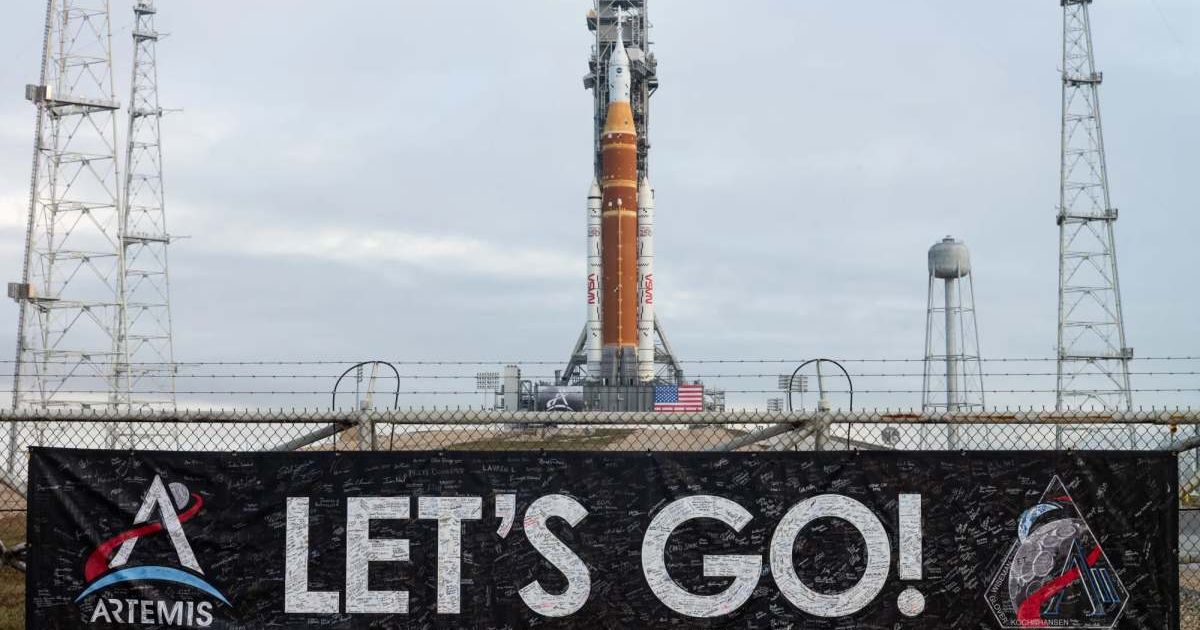
NASA officials are keeping close tabs on the weather in Florida ahead of the Artemis II wet dress rehearsal scheduled for Saturday, January 31, 2026. According to The Weather Channel’s forecasts, Cape Canaveral, where Launch Pad 39B is located, could see temperatures as low as the late 20s and early 30s over this weekend, while the highs may cross 60 degrees Fahrenheit. Per Accuweather, such lows have not been experienced in Florida since 2010. This could make conducting the wet dress rehearsal on Saturday tricky, given NASA's strict weather criteria, which dictate that tanking cannot be initiated if the 24-hour average temperature at both 132.5 feet and 257.5 feet, where the temperatures are cooler than on the ground level, falls below 41.4 degrees Fahrenheit.
Congratulations, Florida. You're officially colder than ALASKA.
— MyRadar Weather (@MyRadarWX) January 16, 2026
Yes, really.
(The air mass over Florida right now is legitimately an Arctic air mass. It was over the Chukchi Sea north of Alaska about a week ago. Prior to that, Siberia and the Bering Strait.) pic.twitter.com/xJWyspCZCv
Over the next few days, which consist of the early launch opportunities of Artemis II (February 6-8, 10-11), the lows are expected to rise to the mid-to-late 40s and the early 50s. The weather criteria for the actual launch are also quite clear. They say that the launch cannot take place if the temperature at both 132.5 feet and 257.5 feet falls below the temperature constraint ranging between 38 degrees Fahrenheit and 49 degrees Fahrenheit for 30 consecutive minutes. Of course, NASA cannot decide on an official launch date unless and until the wet dress rehearsal is conducted.
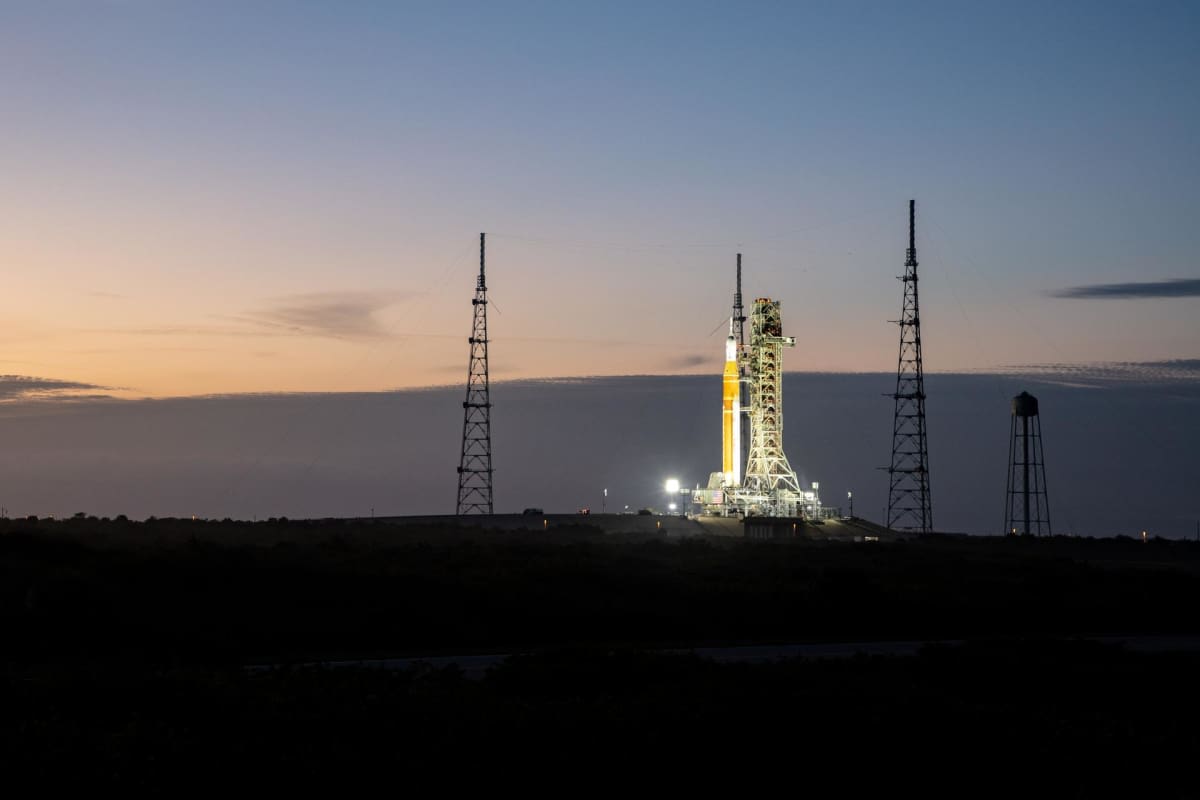
The American space agency has already left room for flexibility, with Artemis II’s back-up launch opportunities spanning early March and April 2026. Such flexibility is necessary considering it's not just the weather that may play spoilsport. The wet dress rehearsal itself, which entails testing the crew's readiness to load and unload cryogenic propellants and run a mock countdown, has to go satisfactorily. Although NASA has incorporated the lessons from the issues that arose during the multiple wet dress rehearsals for the uncrewed Artemis I mission, its engineers will still be on high alert, looking for any possible problems that may jeopardize the mission.
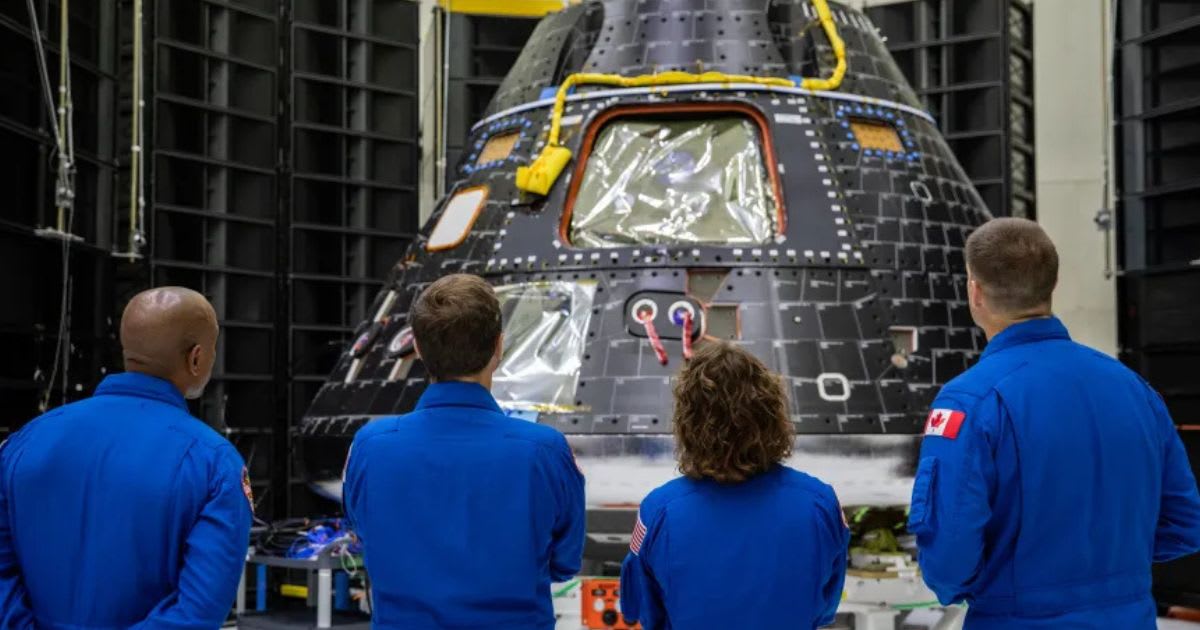
Artemis II, as a mission, marks a giant leap for NASA’s Artemis program, aiming to return humans to the lunar vicinity for the first time since Apollo 17 in 1972. The four-astronaut crew, composed of NASA’s Reid Wiseman, Victor Glover, and Christina Koch, plus the Canadian Space Agency’s Jeremy Hansen, will strap into the Orion capsule for a 10-day trip looping around the moon without landing, in a Free Return Trajectory. The point of the mission is to test whether the SLS rocket and the Orion spacecraft are suitable for crewed deep space journeys. Success here paves the way for Artemis III, targeting a lunar landing in 2028 with SpaceX’s Starship Human Landing System (HLS).

The broader Artemis effort is led by NASA in collaboration with private companies and international allies to build a sustainable moon presence, including the Lunar Gateway station in orbit. Although cold weather might make things tricky, it is not expected to derail the momentum of the mission.
More on Starlust
Artemis II mission: What's on the schedule in the final week of January
Artemis II astronauts enter quarantine as launch period inches closer