Blue Origin joins SpaceX in the orbital data center race, aims to launch over 50,000 satellites

Jeff Bezos’ Blue Origin has filed a proposal for the authorization of their ‘Project Sunrise', which aims to launch a constellation of up to 51,600 satellites for establishing an orbital data center system. In doing so, it has joined the likes of Elon Musk's SpaceX in the effort to meet the growing demands of artificial intelligence around the world.

The company filed the proposal with the U.S. Federal Communications Commission (FCC) on March 19, 2026, for the license to launch and operate its constellation. “The built-in efficiencies of solar-powered satellites, always-on solar energy, lack of land or displacement costs, and nonexistent grid infrastructure disparities fundamentally lower the marginal cost of compute capacity compared to terrestrial alternatives,” the company stated in its filing. “Blue Origin’s Project Sunrise will serve the broad artificial intelligence data center market and enable U.S. companies developing and using AI to flourish, accelerating breakthroughs in machine learning, autonomous systems, and predictive analytics in support of broad societal benefit.”
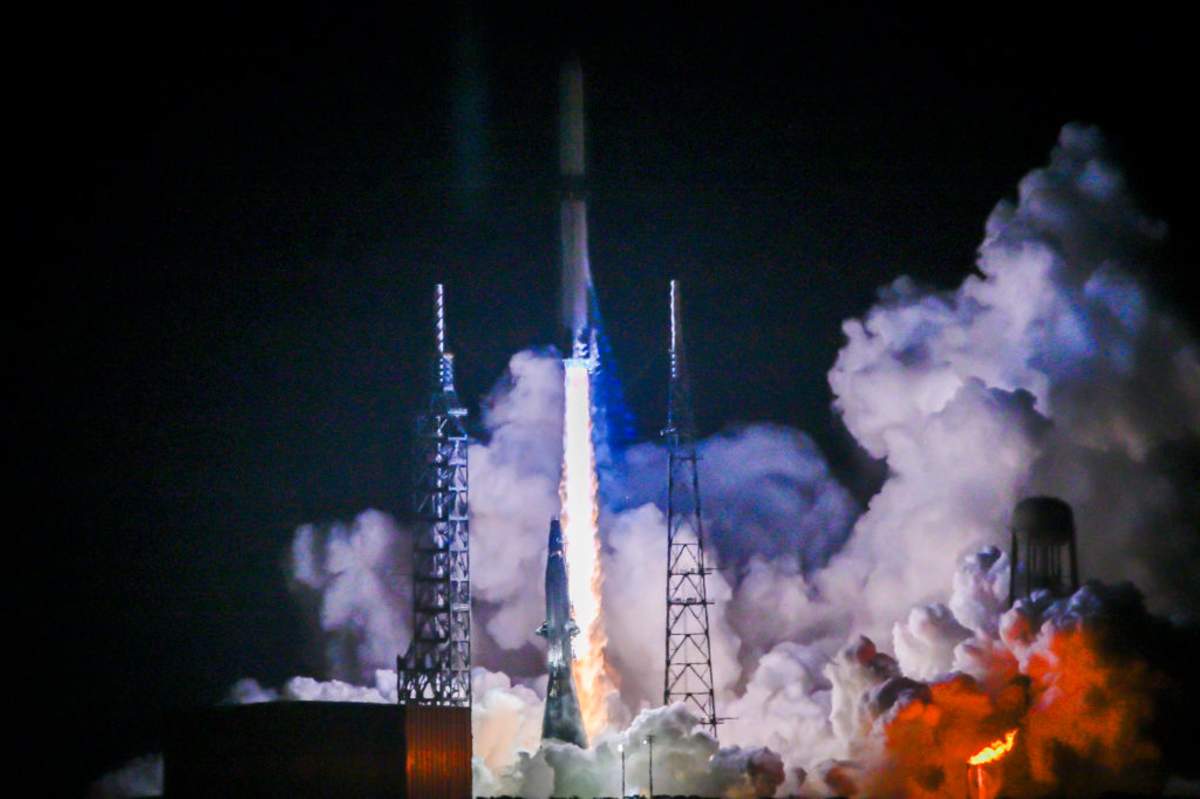
The satellites will be deployed in sun-synchronous orbits by New Glenn rockets at altitudes between 500 and 1,800 kilometers, with each orbital plane being 5 to 10 kilometers apart in altitude and consisting of around 300 to 1,000 satellites. Furthermore, the company mentioned that the constellation will mainly communicate via optical intersatellite links with its broadband constellation, TeraWave, a potential Starlink rival. It is also seeking the go-ahead from the FCC to use Ka-band frequencies for the purposes of telemetry, tracking, and control applications.
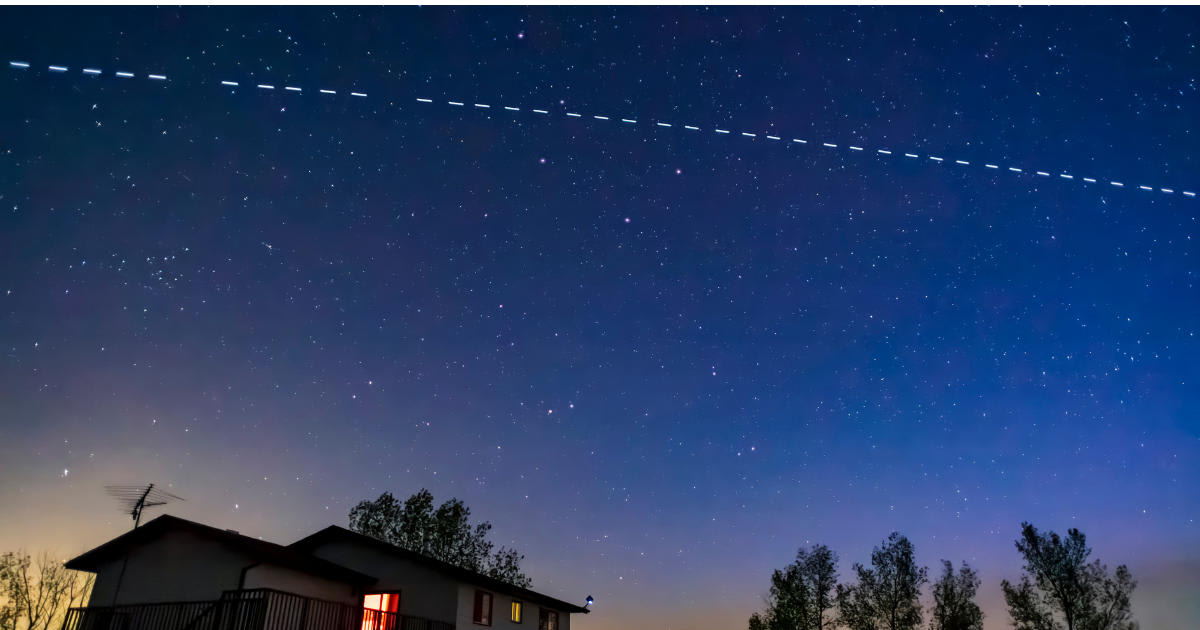
It will be interesting to see how the astronomical community reacts to this proposal, especially given how SpaceX's proposal to launch a million satellites as data centers has not been received well. In fact, the Royal Astronomical Society (RAS), along with the European Southern Observatory and the International Astronomical Union, has formally submitted its arguments opposing the proposal to the FCC. "SpaceX has applied to launch one million satellites to act as data centres to power artificial intelligence, but brightness estimates show that thousands would be visible to the naked eye, many more than visible stars," the RAS stated in a press release. "On average, each image with the European Southern Observatory's Very Large Telescope would lose 10% of data due to satellite trails." Besides SpaceX, the astronomical organizations have also expressed their objections to a proposal filed by Reflect Orbital, which aims to launch over 50,000 space mirrors to Earth at night.
Built a space mirror, launching soon pic.twitter.com/z6oWzQoeI0
— Ben Nowack ☀️🌎🪞 (@bennbuilds) March 11, 2026
However, much like Reflect Orbital, Blue Origin has also stated that it will pay heed to the concerns of the astronomical community and will work with them to minimize the brightness of the satellites to ensure minimal impact on astronomical observations. It has also stated that it will be following strict guidelines to reduce the amount of orbital debris in space to the best of its abilities by deorbiting its satellites within five years as they reach the end of their lives.
More on Starlust
SpaceX conducts first Starship V3 static fire test in preparation for April test flight
Blue Origin announces extended pause of at least two years in New Shepard flight operations