Astronomers witnessed black hole shredding a massive star like it was 'preparing a snack for lunch'
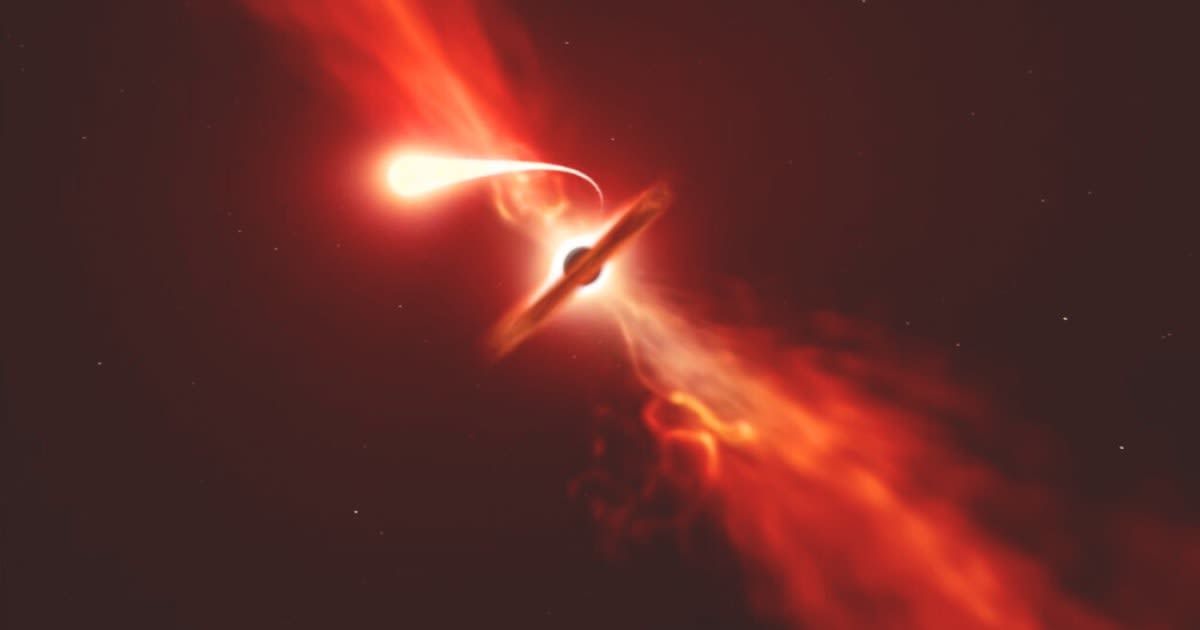
Astronomers observed a rather violent phenomenon in deep space, where a huge black hole slowly destroyed a star, treating the giant celestial body like a "snack for lunch." The study, which was shared this week during the American Astronomical Society meeting, claims that the cosmic event was so powerful that at one point, the released energy was 400 billion times that of the Sun, according to Liverpool John Moores University.
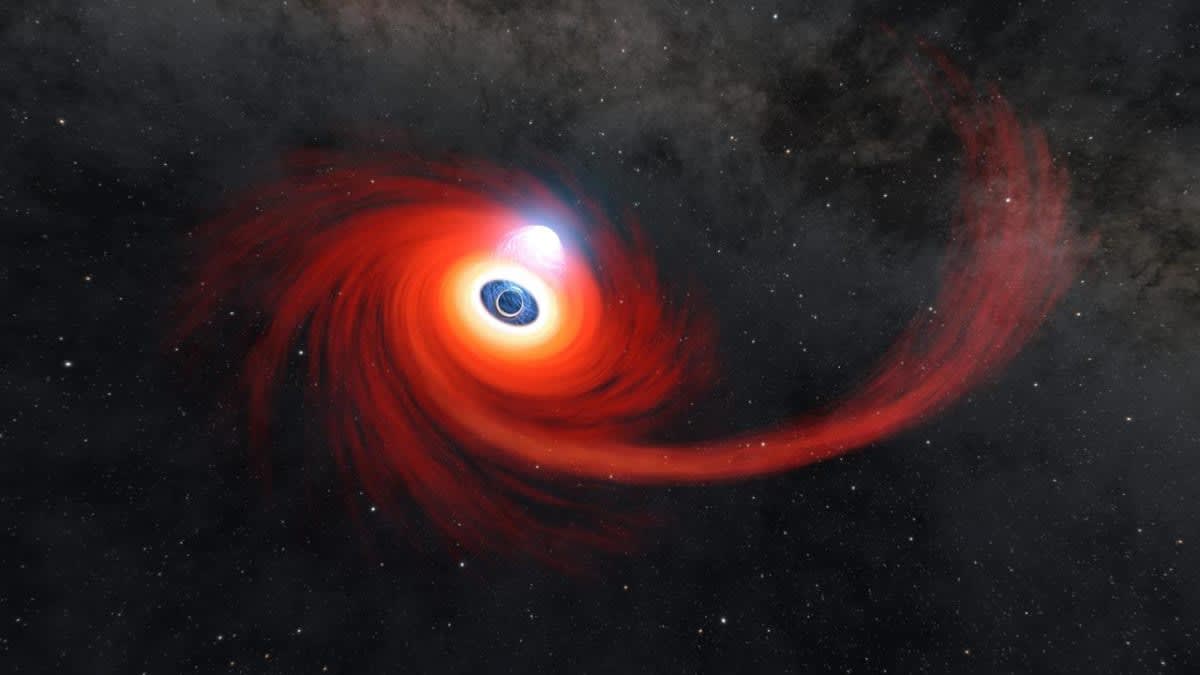
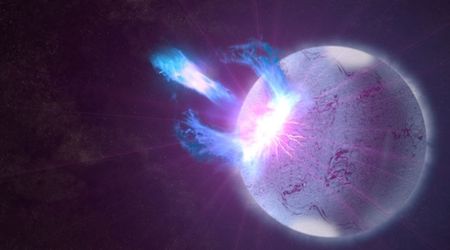
The occurrence, with the official designation AT2024wpp and the nickname "the Whippet," has been classified as a Luminous Fast Blue Optical Transient (LFBOT)—a largely mysterious visual spectacle associated with the destruction of stars. And although scientists have previously observed black holes devouring stars in what is known as a Tidal Disruption Event, the size and energy of this specific "meal" were still astonishing. "We discovered what we think is a black hole merging with a massive companion star, shredding it into a disk that feeds the black hole," said Daniel Perley, an associate professor of astrophysics at Liverpool John Moores University and the lead author of the study. "It’s a rare and awe-inspiring phenomenon."
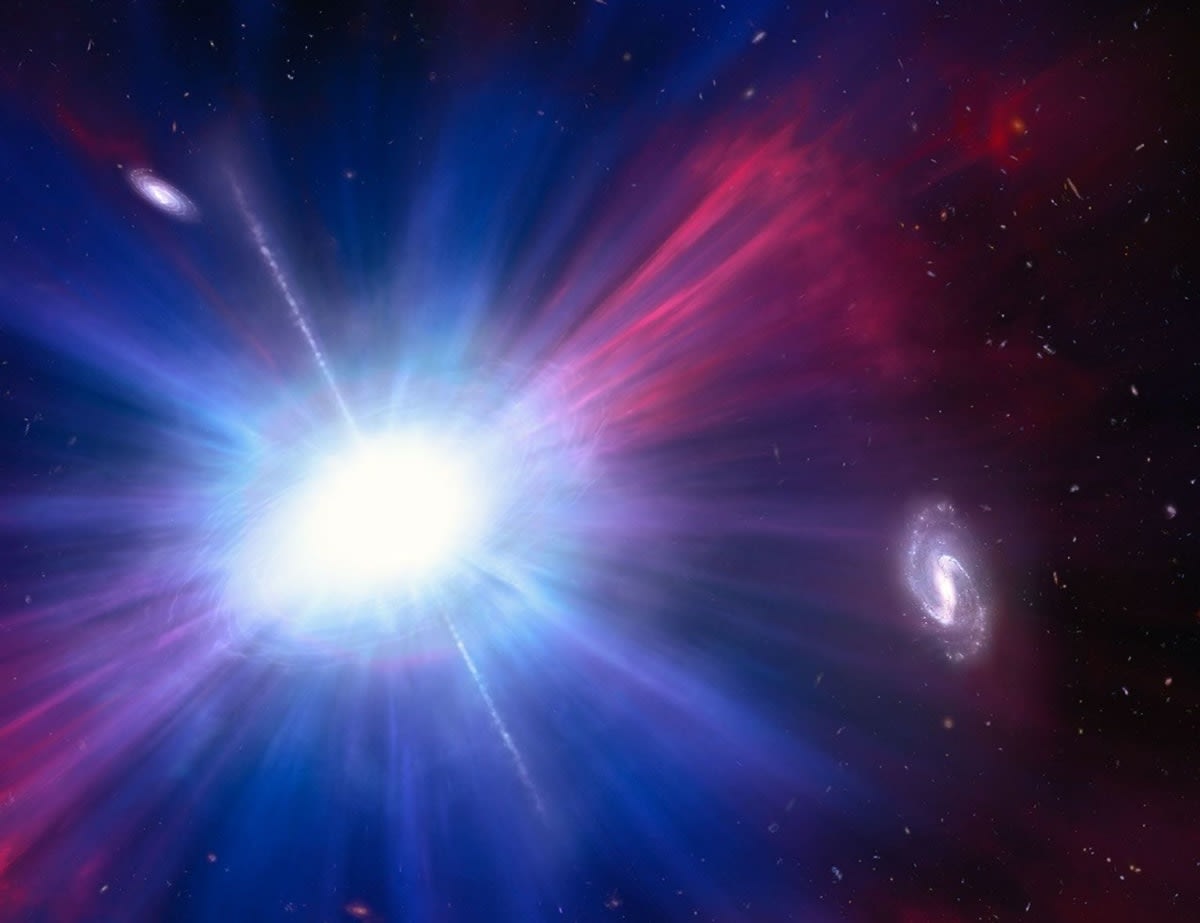
"Even though we suspected what it was, it was still extraordinary,” Perley added. “This was many times more energetic than any similar event and more than any known explosion powered by the collapse of a star." The resultant explosion, in fact, was much more powerful than a normal supernova, which is the most common type of explosion a star goes through once its life is over. As a consequence, it has been registered as one of the brightest events ever witnessed by mankind.
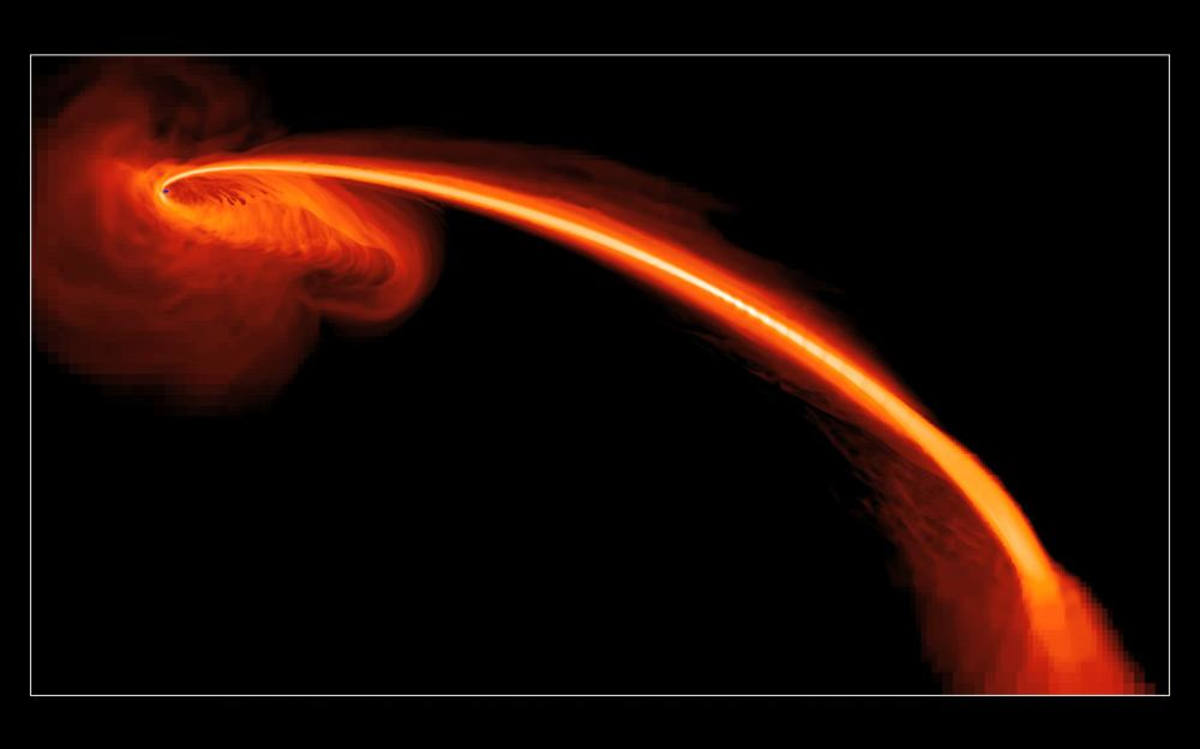
The Whippet was initially detected by Anna Ho from Cornell University through the usage of the Zwicky Transient Facility located in California. Soon after, the team of researchers quickly had the Liverpool Telescope in the Canary Islands and NASA’s Swift satellite turn their attention towards it. Further inquiry into the event revealed that it had produced a shockwave that was moving outward at a speed equal to 20% of the speed of light, while the massive amounts of heated debris were giving off X-rays as a result of their extreme temperatures. After a period of six months filled with activity, the shockwave was said to have died out.
While the event and its sheer scale fascinated the researchers, it also left them with a mystery to solve. When the explosion's light started to fade, the Keck Observatory, Magellan Observatory, and the Very Large Telescope reported hydrogen and helium gas coming toward Earth at a speed of more than 6,000 kilometers per second. Scientists suggest that this rapidly moving gas could be a "stream" of the stellar core's remnants or a third celestial body in the system that was blasted away by the black hole. By observing the "eating" patterns of black holes, astronomers can now pinpoint the locations of these invisible giants and, hence, have a better comprehension of their growth into gigantic sizes.
More on Starlust
Webb Telescope illuminates hidden black holes feasting on stars in dusty cosmic corners
Astronomers confirm first triple system with actively feeding supermassive black holes