Artemis II will be visible from Florida and southern Georgia—here's exactly when to look up
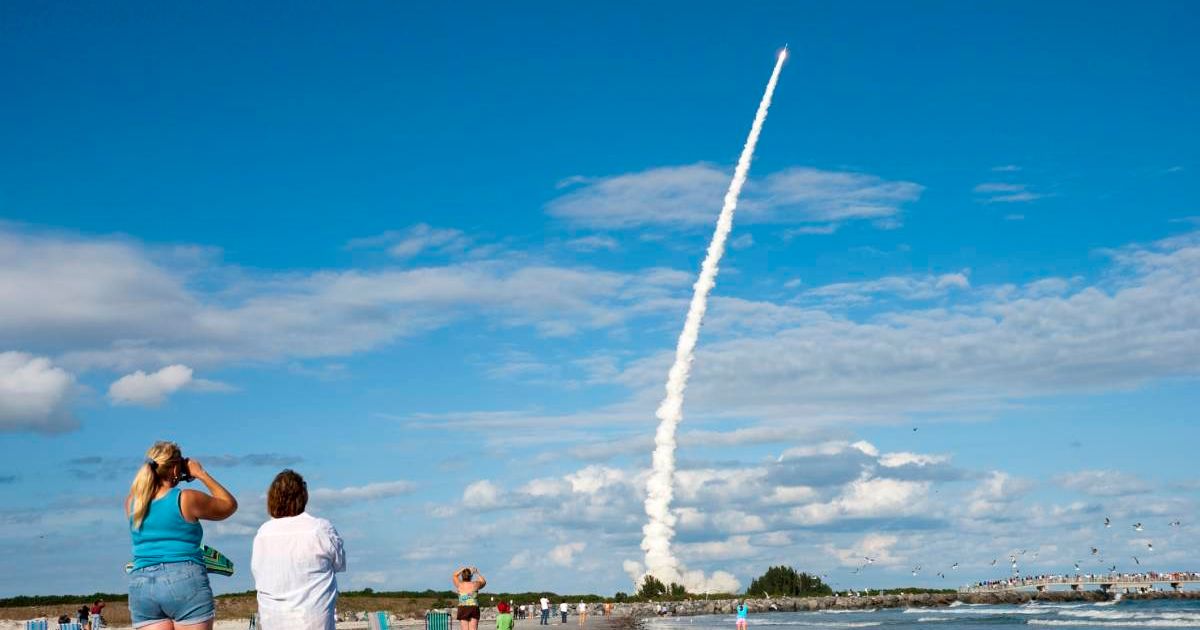
People living in and around Florida's Space Coast have more than the Pink Moon to look forward to tonight. After all, they will have front-row seats to the Artemis II launch that will carry four astronauts to the vicinity of the Moon for the first time in over 50 years. It can hardly get any better than this.
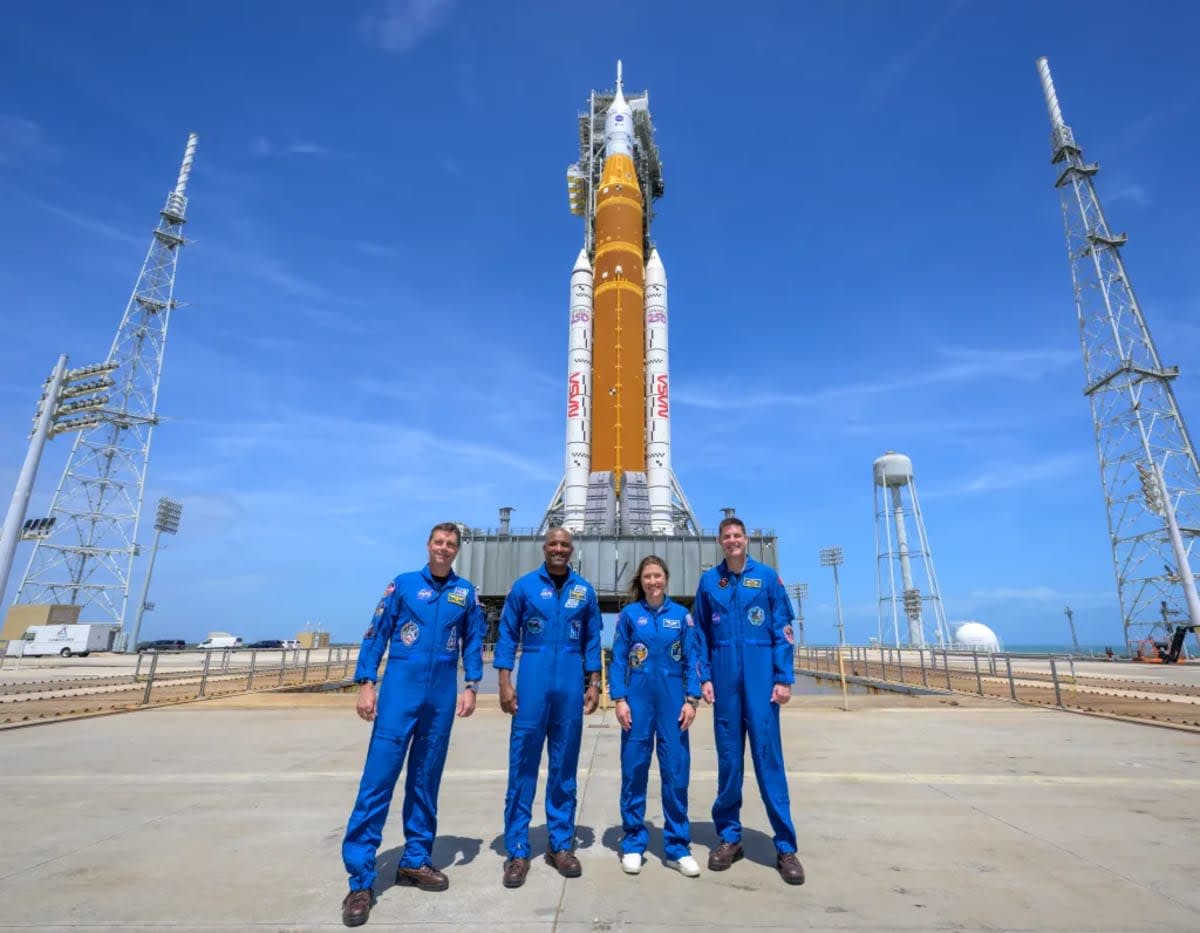
The two-hour launch window will open at 6:24 p.m. EDT tonight, and depending on where you live in Florida, the Panhandle, or even in southern Georgia, you'll be able to see the Space Launch System (SLS) rocket for up to 70 seconds after it lifts off from Launch Complex 39B at the Kennedy Space Center (KSC). In fact, the farther you are from the launch site, the longer you'll be able to spot the 322-foot rocket in the sky. Here's the list of viewing locations that NASA has curated:
- Daytona Beach, Orlando, Kissimmee, Melbourne: Launch + 20 seconds
- St. Augustine, Ocala, Vero Beach, Port St. Lucie: Launch + 30 seconds
- Jacksonville, Tampa, West Palm Beach, Gainesville, St. Petersburg: Launch + 40 seconds
- Fernandina Beach, Lake City, Sarasota, Ft. Myers, Ft. Lauderdale: Launch + 50 seconds
- Miami, Naples, Brunswick: Launch + 60 seconds
- Savannah, Valdosta: Launch + 70 seconds
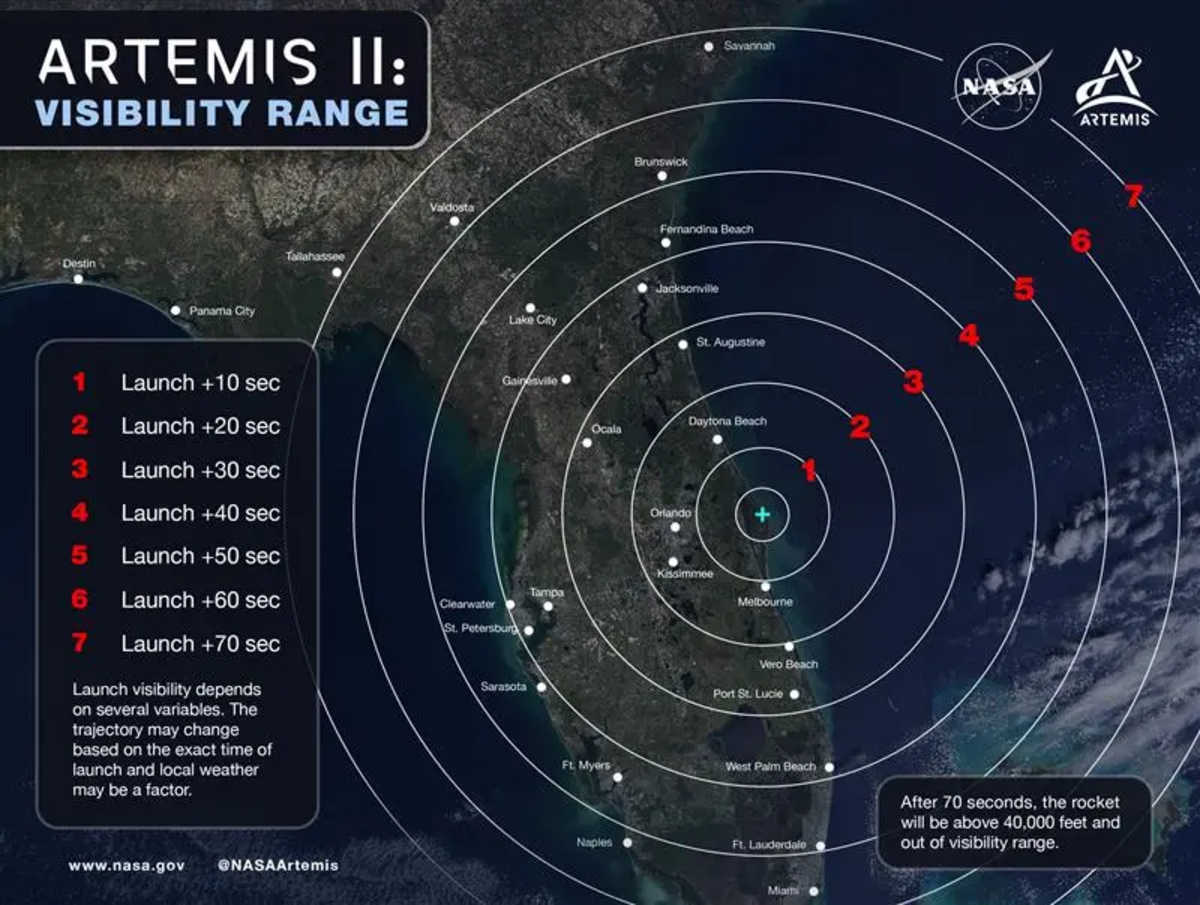
After the 70-second mark, the rocket will be above 40,000 feet and out of visibility for everyone. In fact, the visibility of the rocket within the 70-second window will also depend on the weather conditions and the flight trajectory the vehicle takes based on the timing of its launch. Fox35 Orlando also reports that a loud rumbling sound may also be heard till the 'Launch + 40-second' zone as the rocket takes off.
Nothing but gratitude for the men and women of this great nation. It is time to fly. pic.twitter.com/n1TGuNt7s9
— Reid Wiseman (@astro_reid) March 31, 2026
While the launch itself will only be visible within a certain range of the KSC, NASA has made provisions to bring everyone in the world along for the ride. The agency will host live streams of the mission and the press briefings on its YouTube channel, while the launch, lunar flyby, and splashdown will also be made available on NASA+ and Amazon Prime. Moreover, you can even pinpoint the exact location of Orion in space via the Artemis Real-time Orbit (AROW) website or on the app.
More on Starlust
NASA says April 1 the 'most optimum' launch window before wind and rain risks increase
SpaceX assures March 29 anomaly with Starlink satellite poses no threat to Artemis II launch