Artemis II mission: NASA carries out repairs, updates operations for second wet dress rehearsal
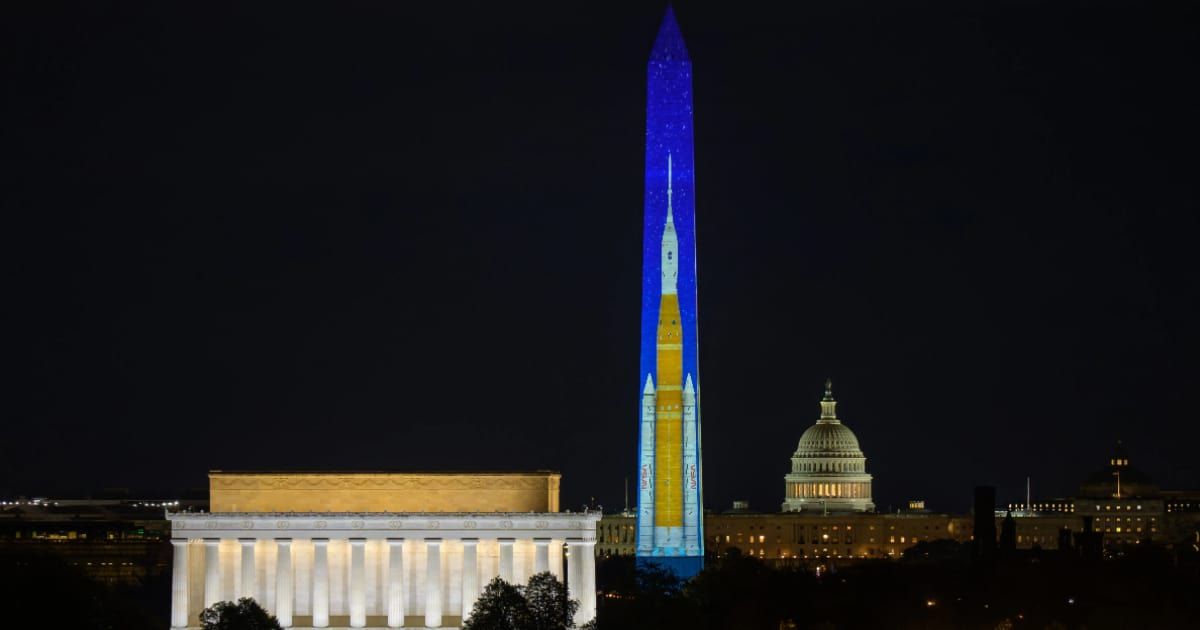
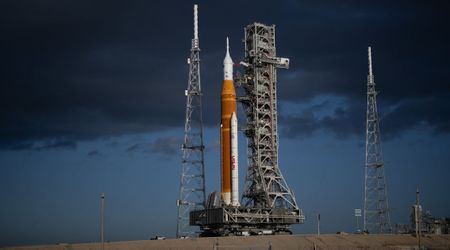
NASA has shared updates on the progress made so far in fixing issues that spelled trouble during the Artemis II wet dress rehearsal that concluded last week, on February 3, 2026. The agency has also announced a few changes to their planned activities for the second wet dress rehearsal before the actual launch, now set for March.
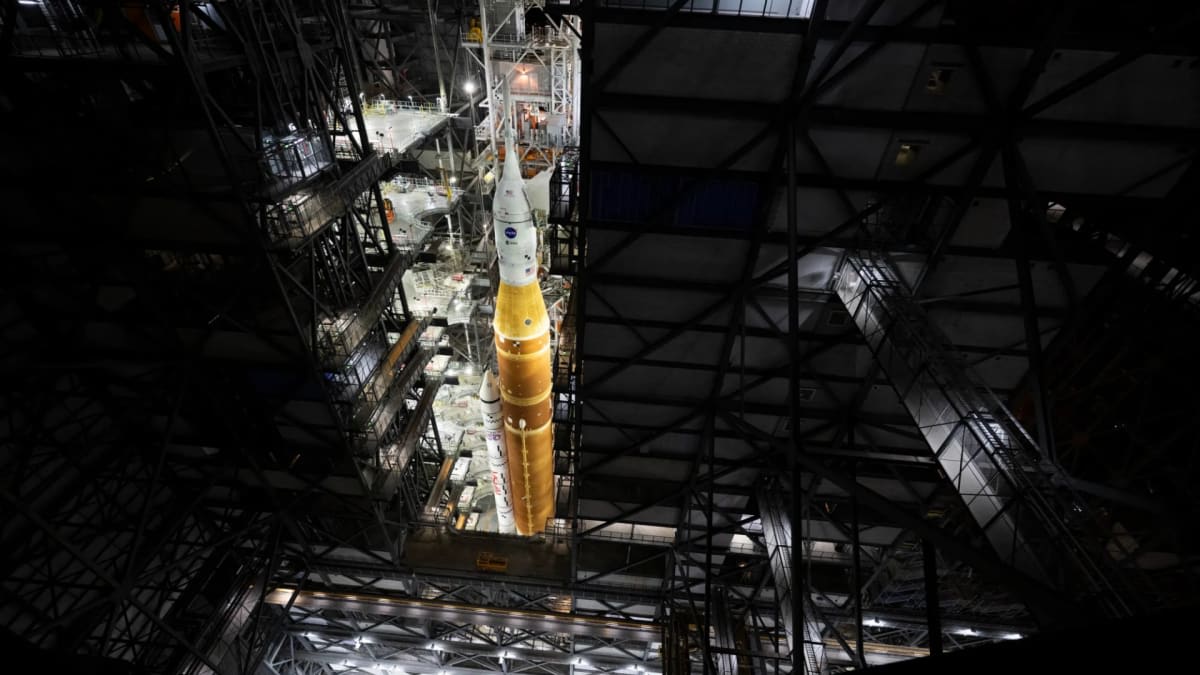
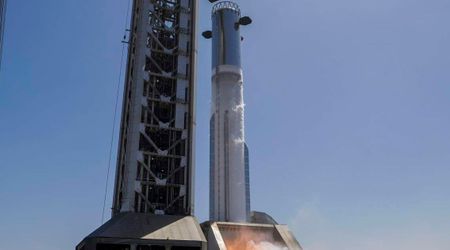
NASA technicians replaced a couple of seals in an area that showed higher-than-allowable hydrogen gas concentration during the wet dress rehearsal. The technicians accessed the tail service mast umbilical (TSMU) immediately after the SLS (Space Launch System) rocket was drained of fuel to remove the interface plates on the rocket and ground sides so that they could carry out an inspection of the area and replace seals around two fueling lines. This tail service mast umbilical is composed of two 33-foot-tall structures at the base of the rocket to help fuel the core stage. The interface plates on the rocket and ground ends should be reinstalled by today, i.e., February 9.
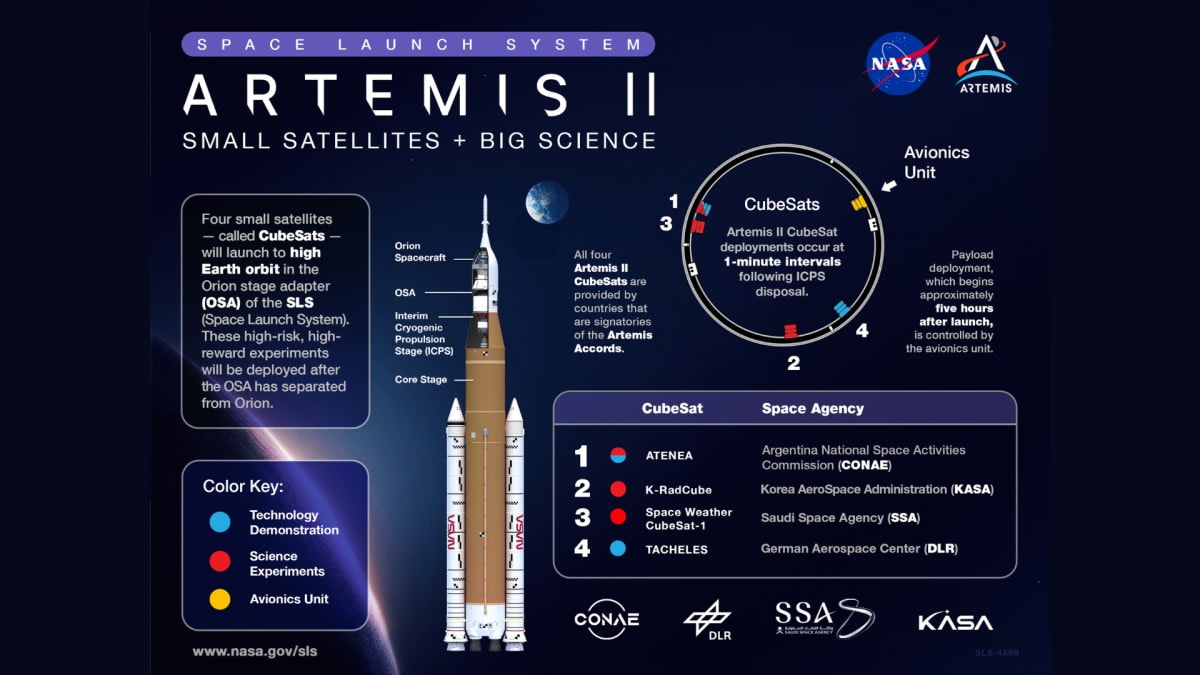
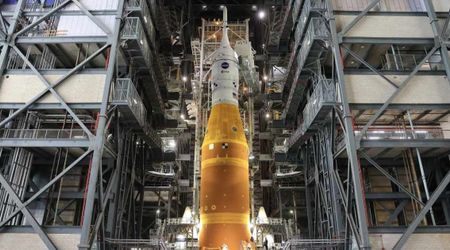
NASA’s Stennis Space Center in Bay St. Louis, Mississippi, will be the site for additional testing of these interface plates, while the replaced seals will also be scrutinized to understand what went wrong. Any concerns regarding an enforced rollback of the SLS rocket to the Vehicle Assembly Building were also allayed by the officials, specifically by Artemis Launch Director Charlie Blackwell-Thompson, who had stated, “During Artemis I, we found out that we can do some work on these plates at the pad. Now, I had hoped that we did not have to demonstrate that again for Artemis II, but we showed that we can go do this work at the pad and be ready for launch.”
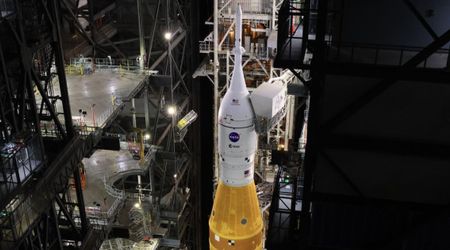
As far as changes to the operations for the next wet dress rehearsal are concerned, NASA has decided that the Orion crew module hatch will be closed before the test, and the closeout crew will not be in the launch pad. The crew access arm will also not be deployed then, as it has been confirmed to be working as designed. Other differences in procedures from the previous wet dress rehearsal also include the addition of an hour’s time in the form of two 30-minute holds during the countdown. This has been incorporated so as to allow teams to find any required fixes during the process of filling the rocket with fuel, i.e., tanking.
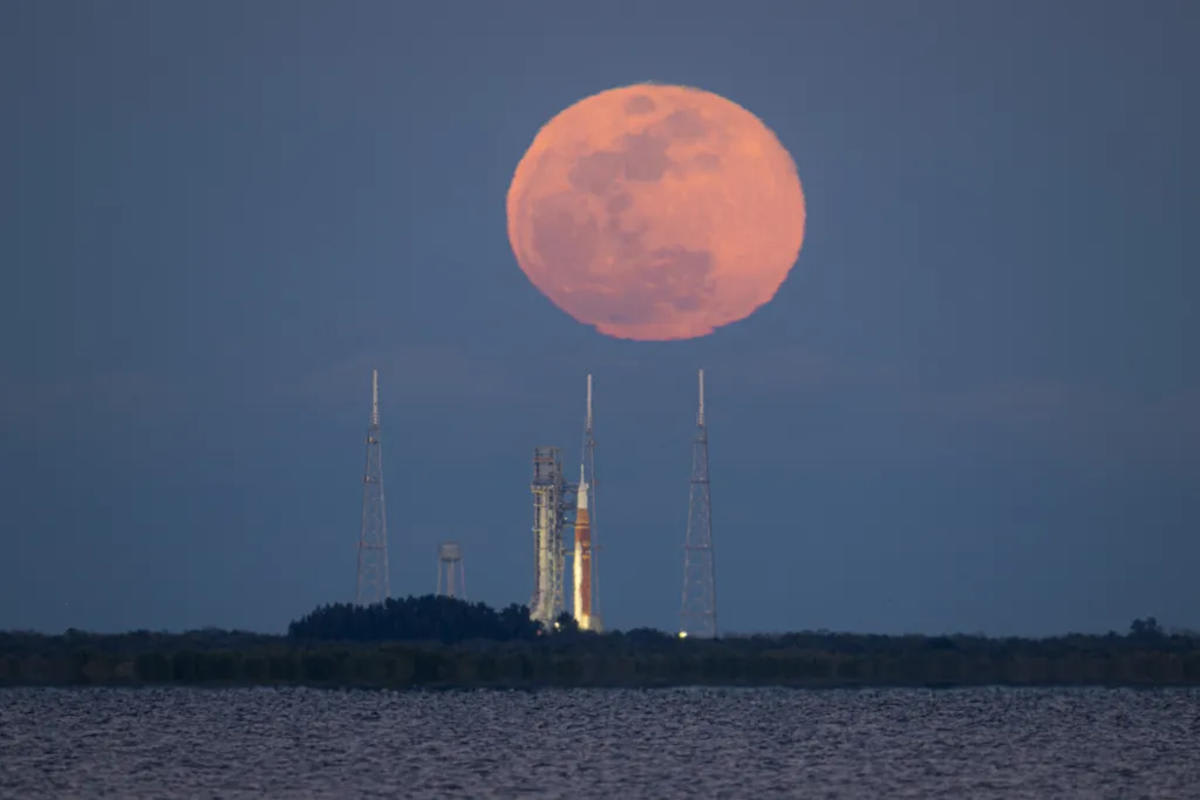
With this mission, NASA has its eyes set on sending the crew of Artemis II around the Moon and back with what is called a free return trajectory, which involves making use of the gravity of Earth and the Moon to naturally guide the crew home, thereby minimizing fuel usage. Should Artemis II be successful, Artemis III, slated for 2028, could see NASA land the first humans on the Moon in more than half a century.
More on Starlust
Here's how the Artemis II astronauts prepared for their historic trip around the Moon
What part of the Moon will the astronauts get to see on the Artemis II mission?