Arctic auroras could paint northern skies green this Christmas Eve as a solar storm approaches Earth
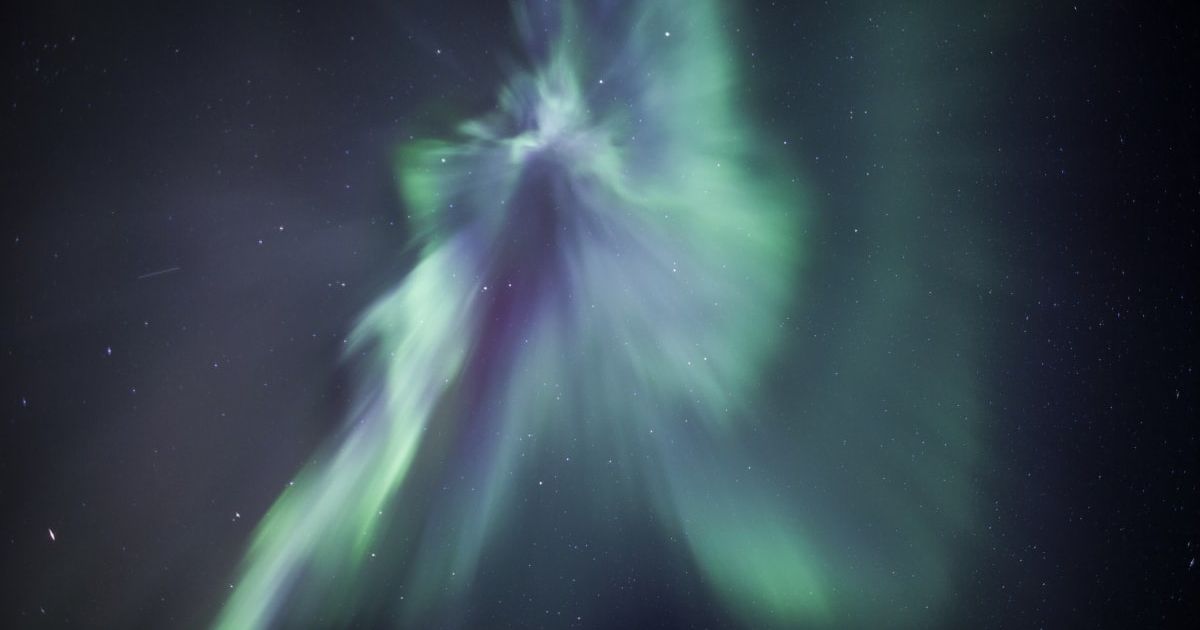
Christmas Eve in the far north may be illuminated with a thrilling display of lights made by nature due to increased solar activity. A coronal mass ejection (CME), which is a solar eruption, has been reported by the forecasters of the National Oceanic and Atmospheric Administration (NOAA) to possibly pass by Earth on December 24, according to Space Weather.
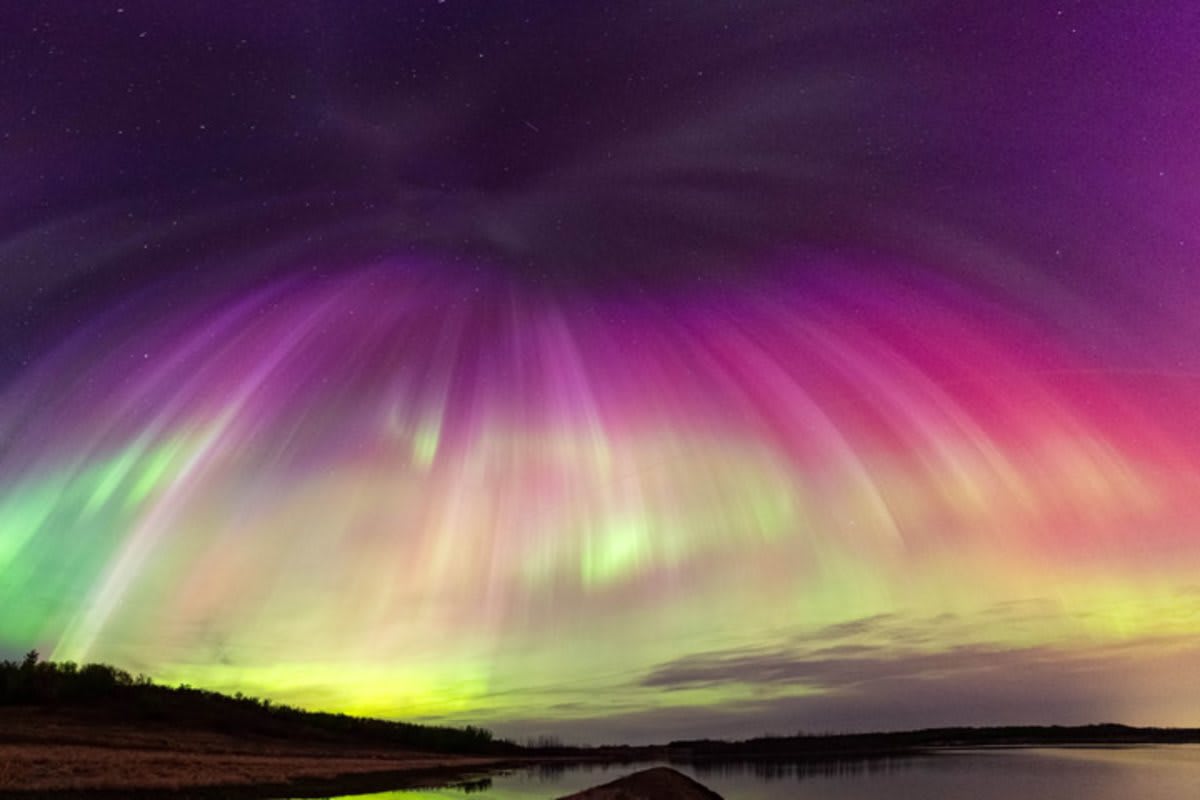
The wind from the sun is predicted to be much more powerful, bringing auroras that will probably light up the whole area of high-latitude places. Among U.S. residents, Alaska, Washington, North Dakota, and Minnesota will have the highest chances of seeing the light, per Space.com. As for the overseas areas, the auroras should be visible in northern Canada, Greenland, and part of Scandinavia. It is highly recommended that passengers on the high-altitude flights that are taking the northern route and passing the affected areas get a window seat and enjoy the view of the magical phenomenon.

The Earth is already amid chaotic space weather conditions. At present, a gigantic coronal hole in the sun's atmosphere is sending high-speed solar winds to the Earth. These winds, which are moving at around 500 miles per second, that is, double their normal speed, have already caused minor geomagnetic storms in the past 48 hours. Scientists think the active space weather will last till Christmas, and hence there will be a good chance for northern lights to be seen throughout the holiday. If you want to see the aurora, the experts recommend using apps like "My Aurora Forecast" or "Space Weather Live" for that purpose. They will send you location-specific, real-time notifications and provide data that might determine precisely when the lights are visible.
Already at the start of the holiday weekend, social media users from the northern part of the globe were reporting very strong auroras. Toward the end of December 22 and the beginning of December 23, people watching the sky and sharing updates on X (formerly Twitter) were, by and large, the witnesses of the initial phase of this week's solar activity that was described as being very strong.
Here is an animation of the last 24 hours of #NorthernLights forecasts for North America.
— Grand Forks, ND Sky Color (@gfndskycolor) December 24, 2025
Images from NOAA Space Weather Prediction Center#Space #Aurora #SWPC #NOAA pic.twitter.com/BI83E8XEVH
Finland was one of the countries where people were able to catch and broadcast live the mystical polar light phenomenon occurring in the Arctic region. User @OtaruPhantom at Kalajoki informed that a very "hazy green aurora" was visible on the web cameras, and reported that "the sky glows very brightly from time to time" due to the ongoing activity. It was so bright in some places that @ManuPajuluoma humorously suggested that "the outdoor lights were turned on" during a local winter swimming session.
今日、12月24日 #フィンランド #Kilpisjarvi(北緯69度02分)のライブカメラから #オーロラ を確認。刻々と変化する #緑色オーロラ が出た。この後も… 新SNS #bluesky(https://t.co/D8wbLfEwpk)もよろしく!URL: https://t.co/X50OoaBORf #northernlights #aurora #Auroraborealis #dancing_curtain pic.twitter.com/hzbssSrsOB
— シバッチ (@OtaruPhantom) December 23, 2025
The outdoor lights were turned on during a winter swimming trip. #Finland #Lapland #Rovaniemi #NorthernLights #AuroraBorealis pic.twitter.com/DKG7LdjBGA
— Manu Pajuluoma (@ManuPajuluoma) December 23, 2025
Some people took pleasure in the views, while others were waiting impatiently for the Christmas Eve storm to arrive, and this also added to the creativity in the online world. The digital artist @JonnyOTS12 showcased a series of winter scenery pictures, which were inspired by the event, one of them being "the northern lights over a small cabin up in a snow-capped mountain range" to evoke the holiday spirit.
For today's winter-theme experiment I created a plethora of landscapes displaying the northern lights over a small cabin up in a snow-capped mountain range on a winter night! #NorthernLights #AIGenerated #SnowCappedMountains pic.twitter.com/aKjraadHXF
— Jonny on the Spot (@JonnyOTS12) December 24, 2025
More on Starlust
A G2-level geomagnetic storm helped skywatchers catch Northern Lights further south than usual
NASA astronauts share stunning video of Northern Lights dancing over Earth from the space station