An exoplanet discovered by ESA's CHEOPS is turning theories of planetary formation 'inside out'
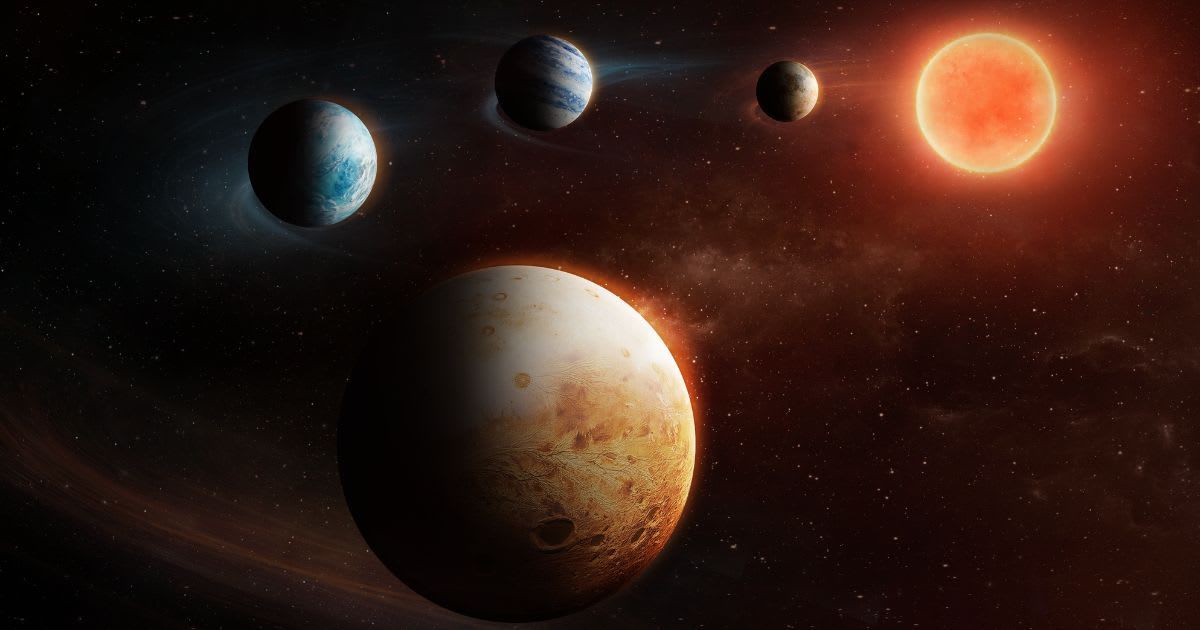
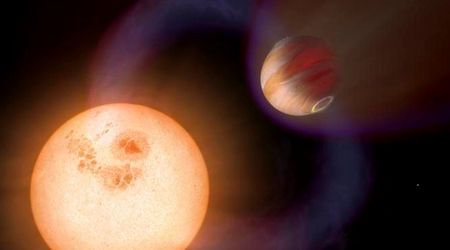
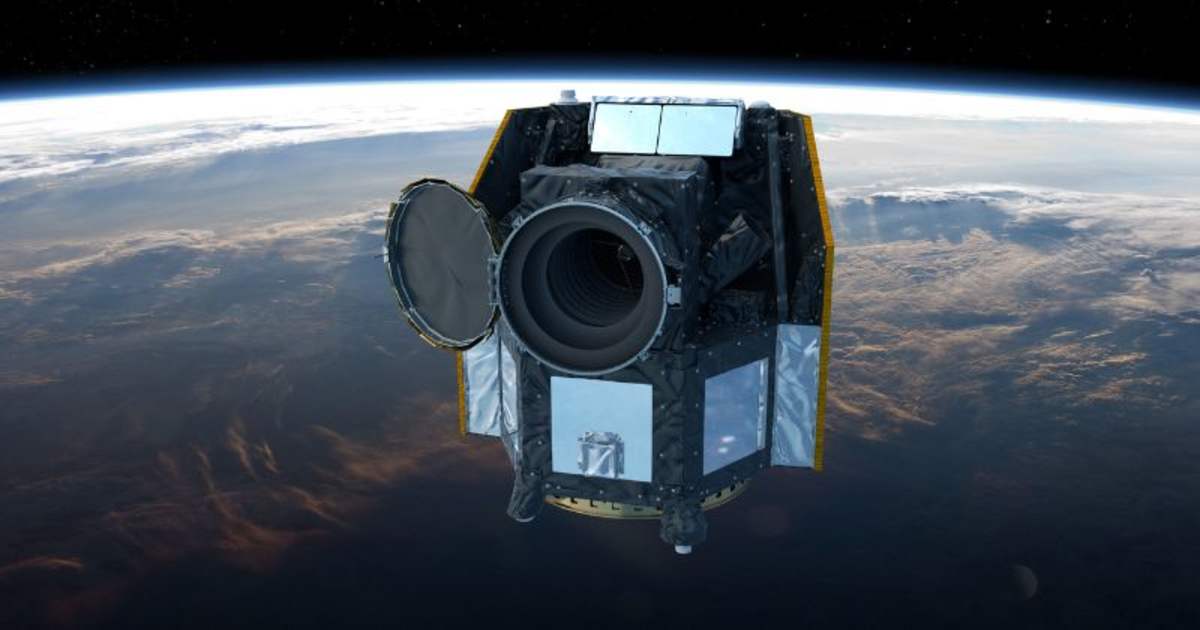
ESA’s Characterizing ExOPlanet Satellite mission, or CHEOPS for short, has found a fourth exoplanet in the LHS 1903 system. The discovery is rather unusual, as the planet seems to have appeared in a location that it shouldn't have. That is, if one looked at the situation through the lens of conventional rules of planetary formation. For many years, scientists have used the Earth’s solar system as a point of reference. However, the latest finding suggests that planetary systems can form and evolve in more ways than one, even in stark contrast to the one we live in. Because what we have in LHS 1903 is an “inside-out” planetary system.
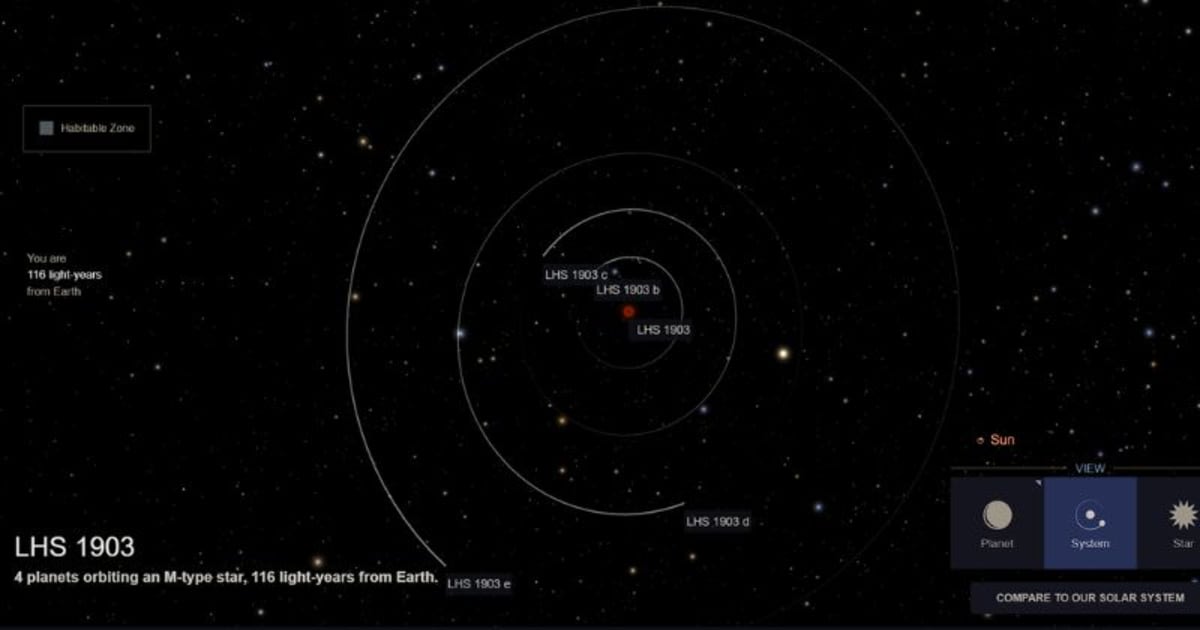
Going by models based on our solar system, rocky terrestrial planets (like Earth or Mars) usually exist near the central star. Gas and ice giants (like Jupiter or Neptune) are seen farther out, as cooler temperatures there allow gas envelopes to accumulate. However, this isn’t the case with the LHS 1903 system. Initially, NASA’s Transiting Exoplanet Survey Satellite (TESS) had identified three planets in the system—one rocky inner world (LHS 1903b) and two Neptune-like gas dwarfs (LHS 1903c and LHS 1903d).
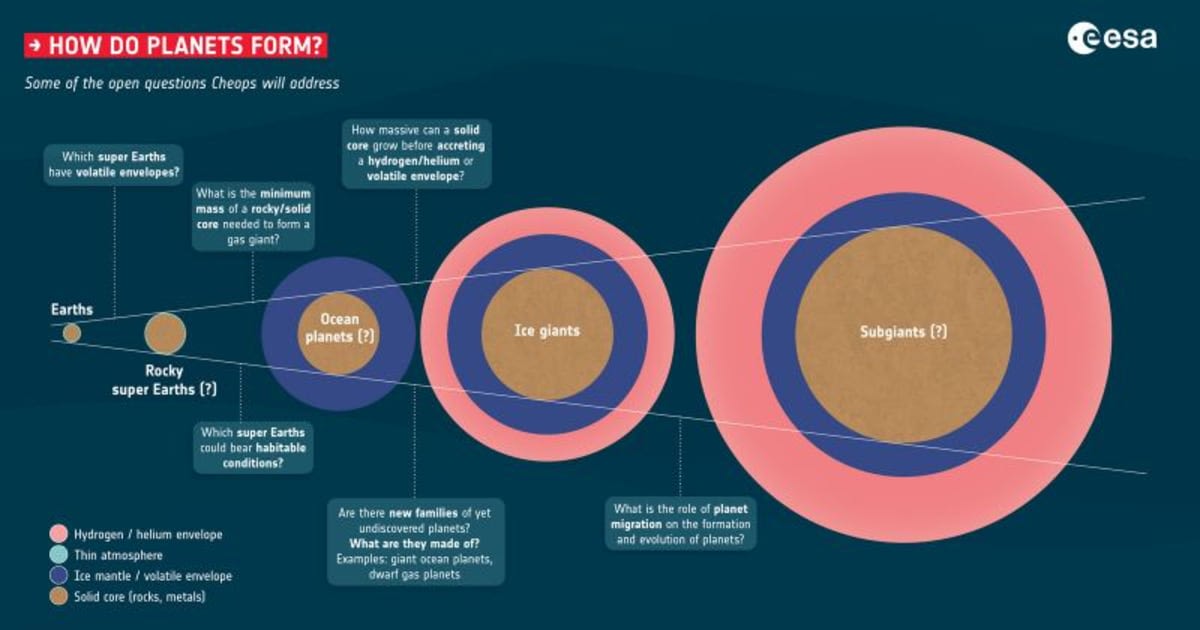
But earlier this year, CHEOPS found a fourth planet (LHS 1903e) on the outermost edge of this system. And contrary to existing theory, this planet wasn’t gas-rich or icy but a rocky world. The LHS 1903 planetary system lies in the constellation Lynx, about 116 light-years away. The star is an M-type red dwarf, and the system is compact enough to fit inside Mercury’s orbit. The recently discovered LHS 1903e on the outermost edge orbits 0.15 AU from the star with an orbital period of 29 days.
“It is thanks to the precision of CHEOPS that we were able to detect this new planet,” said Monika Lendl from the University of Geneva, per Phys.org. “Since rocky planets do not usually form beyond gas giants, this one completely overturns our theories.” The findings have been reported in a study published in the journal Science. The team of researchers has also verified that no larger unseen gas giants exist farther out in the system beyond LHS 1903e. Data from the ESA’s Gaia mission—its astrometry noise in particular—showed no gravitational disturbances that would indicate the presence of any hidden massive planets.
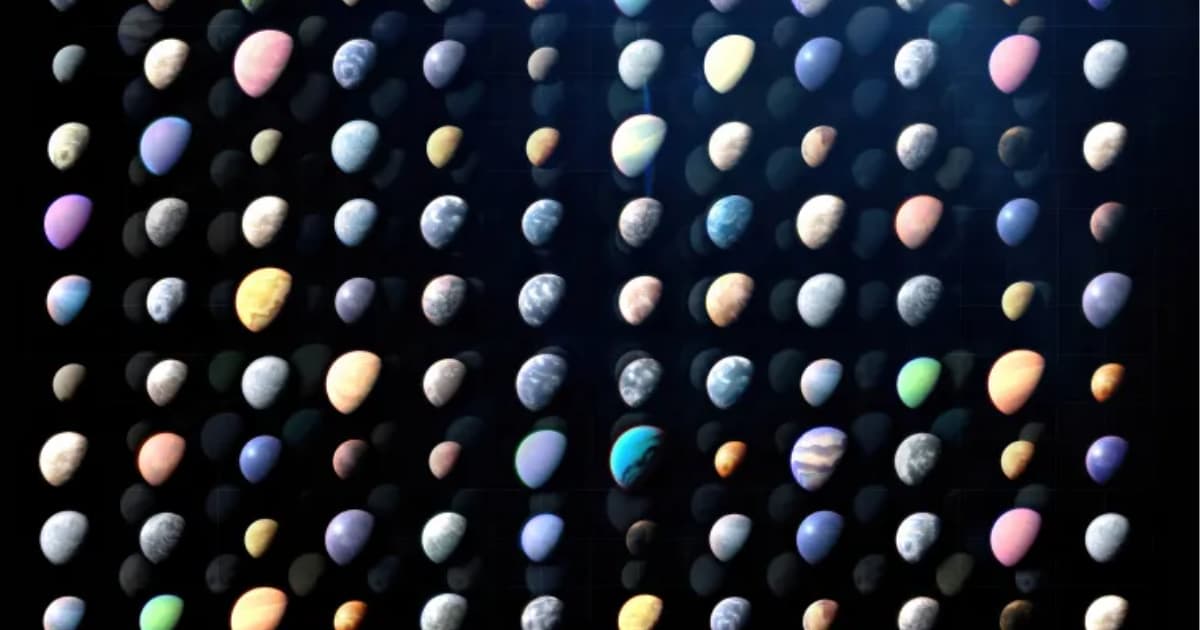
So, what could possibly explain this inside-out planetary system? One theory suggests that the rocky planet may have migrated to the edge of the system from somewhere closer to the star. Or perhaps, the planet may have had a gas envelope around it that was stripped off by collision. Another idea suggests that the four planets all formed at different points of time, which would imply LHS 1903e was starved out of gas. “Our hypothesis is that it formed after gas disappeared from the protoplanetary disk, and thus after the second and third planets of the system, which are gas giants,” said Yann Alibert (Space Research and Planetary Sciences Division-UNIBE). With over 6,128 confirmed exoplanets across 4,560 systems, this unusual discovery challenges the science around planetary formation to such an extent that our solar system feels more like an exception than the rule.
More on Starlust
Scientists find new way to spot life beyond Earth using clouds on distant exoplanets