Who is Stephen Cash? NASA's iconic Marshall Space Flight Center gets new director
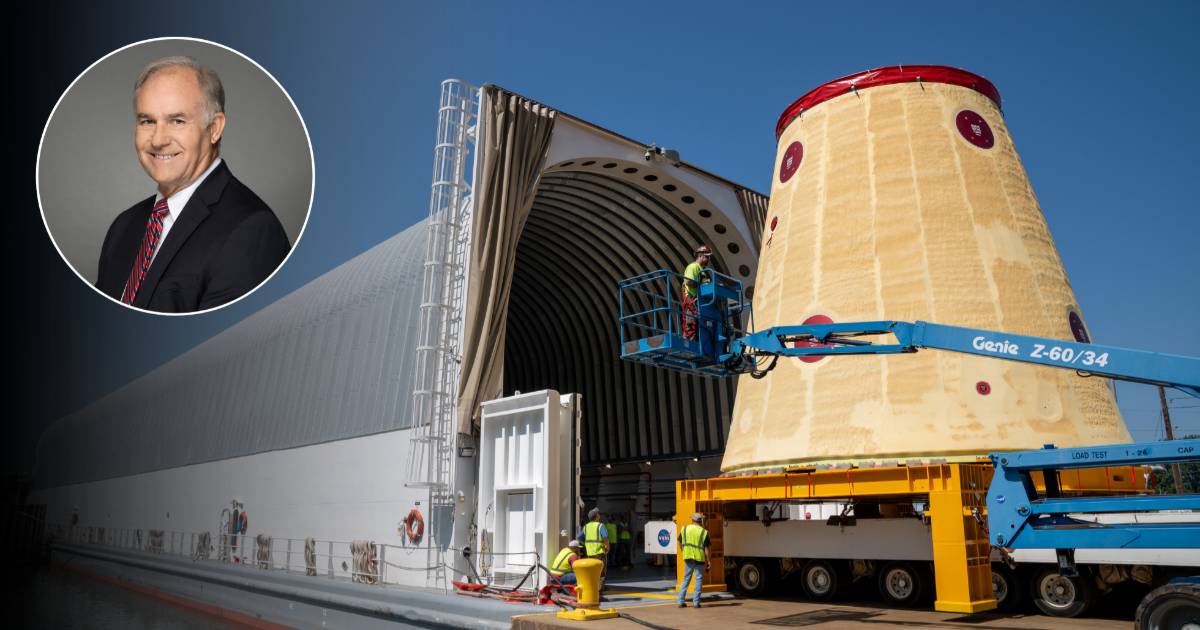
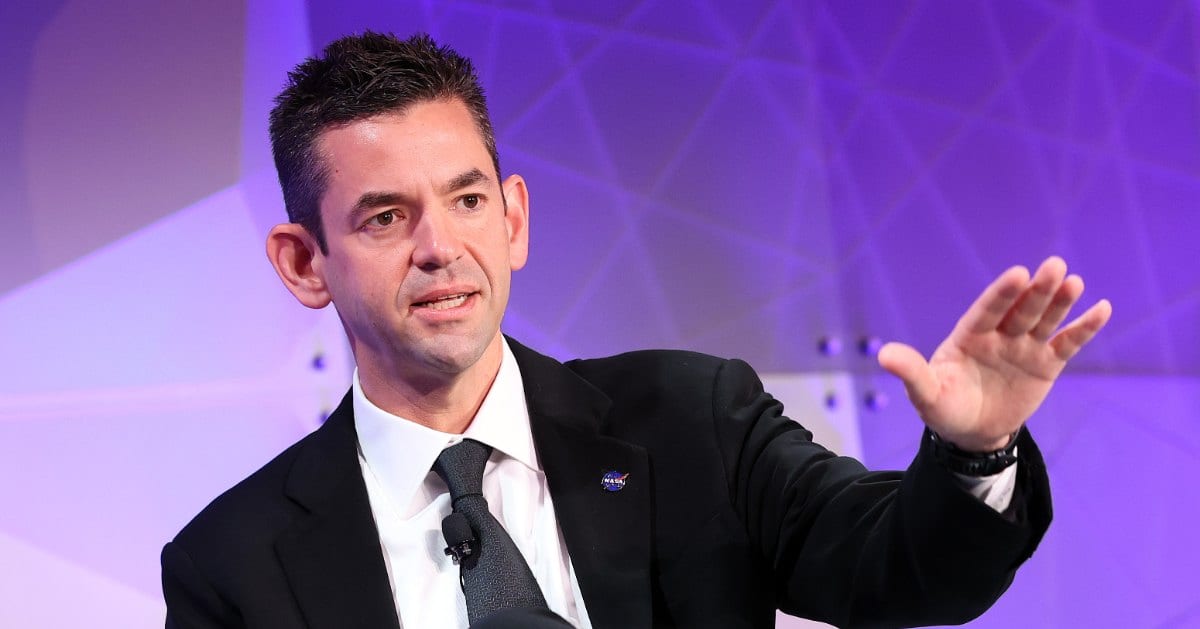
NASA chief Jared Isaacman on Friday named "legend" Stephen Cash as the director of the Marshall Space Flight Center (MSFC), marking the veteran's return to the agency. Cash, whose appointment will become effective Monday, October 19, will succeed Rae Ann Meyer, who has served as the center's acting director since last September.
.@NASAAdmin Jared Isaacman has named Stephen Cash as the new director of NASA Marshall. Having served for several decades at Marshall in key roles across major human spaceflight programs, Cash brings a deep experience to the agency and to our center’s missions. More: https://t.co/l8O4gVBg8c
— NASA Marshall (@NASA_Marshall) October 16, 2026
"Steve Cash is a Marshall legend, has spent his career around the hardware, the people and has been in the seat before making the decisions when human spaceflight is on the line," said Administrator Isaacman in a statement. "As Marshall continues its critical role in Artemis and takes on new challenges in advanced propulsion, nuclear power, and the systems that will carry us deeper into the solar system, Steve brings the experience, technical judgment, and mission focus needed to lead the center into that next chapter," he added.
Who is Stephen Cash?
A veteran NASA engineer, Cash began his career with the agency at the Marshall Space Flight Center in 1982. Over the course of the 34 years he spent with NASA, Cash went on to hold senior leadership positions in both engineering and management.
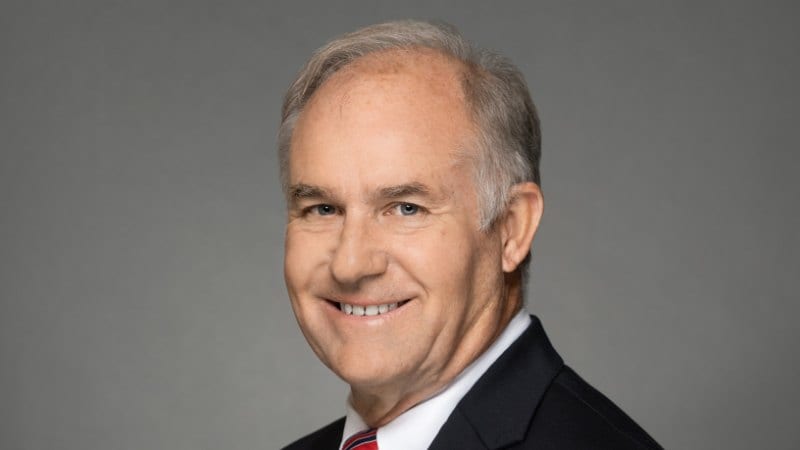
Among the notable posts he held, Cash served as manager of the Marshall Space Flight Center's Space Shuttle Propulsion Office, where he oversaw the development and deployment of critical propulsion systems and supported the space shuttle program during its final missions. Later, Cash was appointed as the director of Marshall's Safety and Mission Assurance Directorate, and he held the post from 2011 until 2016, the year of his retirement.
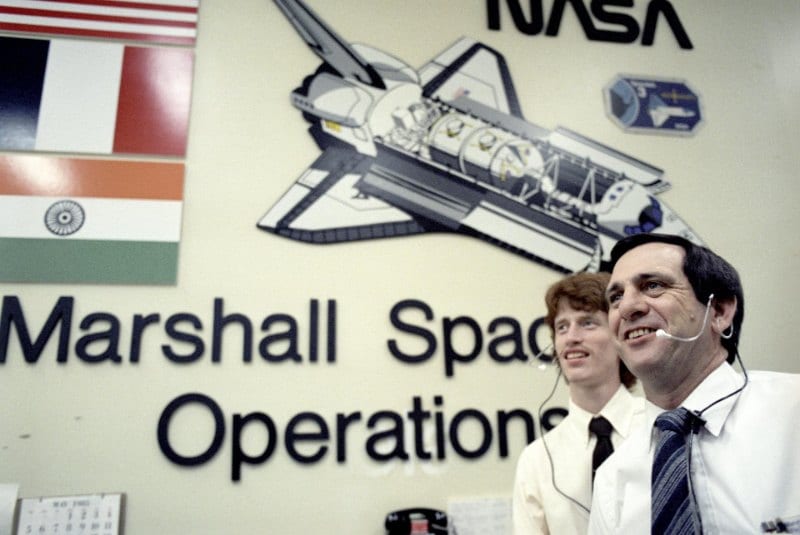
After retiring from the agency, Cash continued working in the aerospace industry in the private sector, serving as Axient's vice president for advanced space systems. An engineer of some renown, Cash was also inducted into the Alabama Engineering Hall of Fame in 2024 for his contributions to aerospace engineering and the U.S. space program.
About the Marshall Space Flight Center
Located in Huntsville, Alabama, the Marshall Space Flight Center—named after U.S. Army General George C. Marshall—is among NASA's key units and was established in 1960. Over more than six decades of existence, Marshall has been central to some of NASA's biggest achievements, playing a key role in putting humans on the Moon and contributing heavily to the International Space Station (ISS).
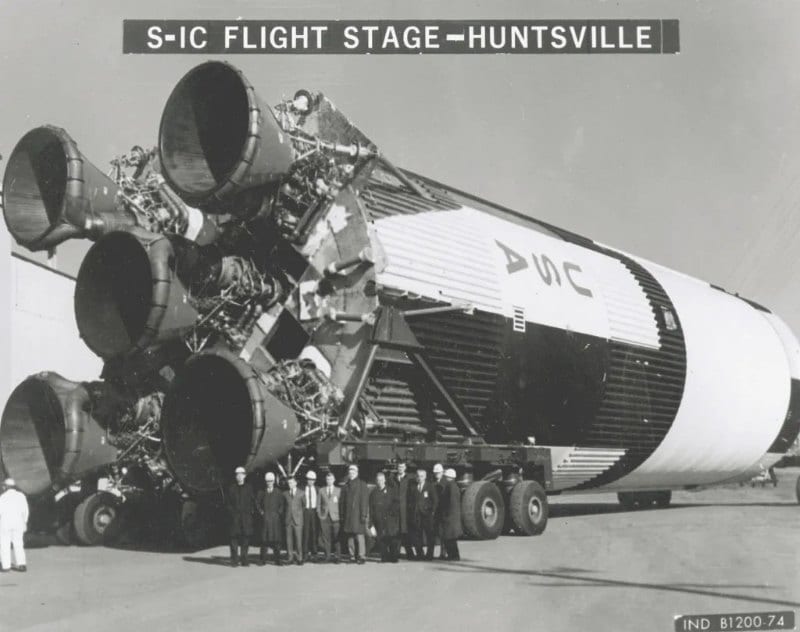
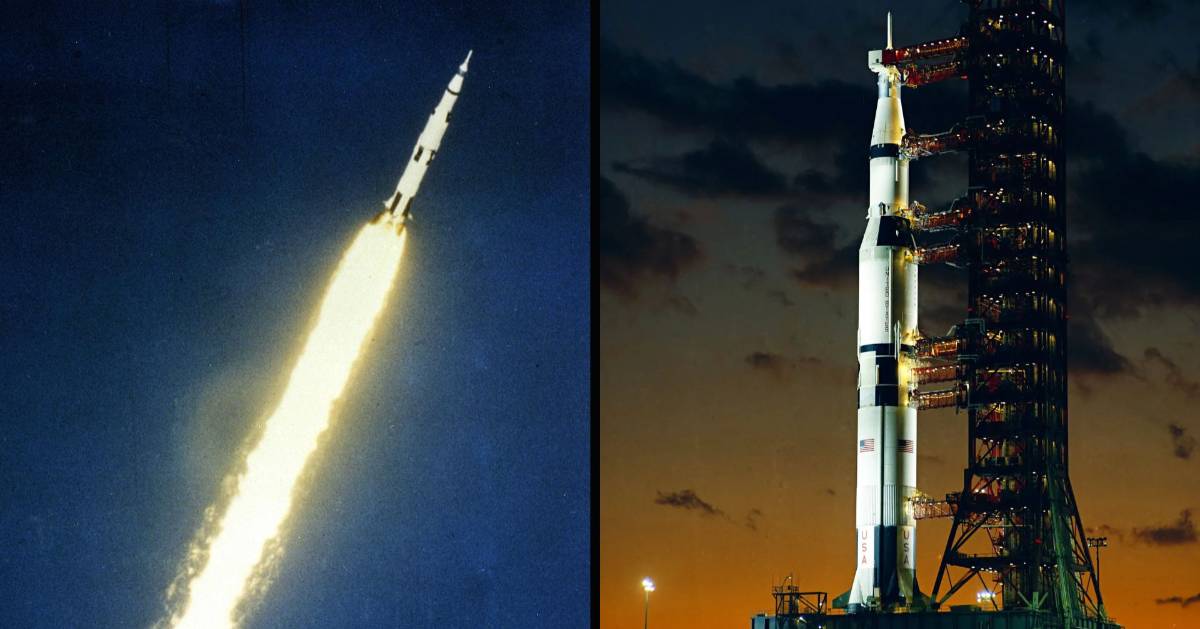
The Saturn V rockets used in the Apollo program to carry astronauts to the Moon were developed at the Marshall Space Flight Center, as was Skylab, the first U.S. space station. Marshall also played a key role in developing the propulsion systems used by the space shuttle program, managed the development of the revolutionary Hubble Space Telescope (HST) and the Chandra X-ray Observatory, and guided the construction of some of the laboratory modules of the ISS.
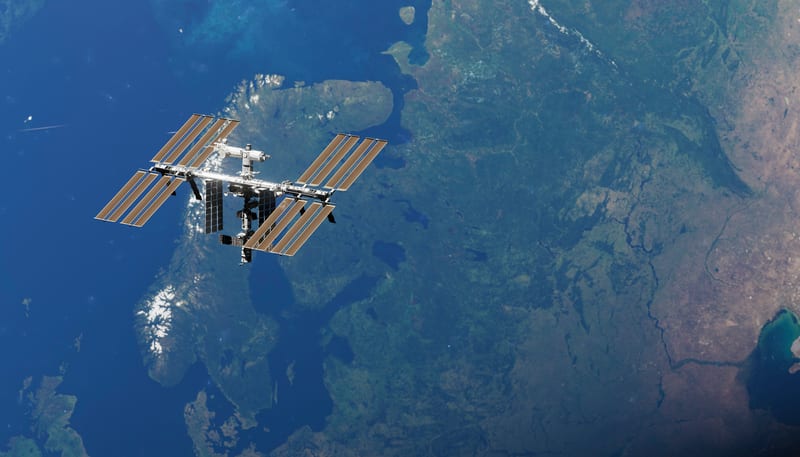
Marshall is also a key player in NASA's Artemis program and is currently developing the super heavy-lift Space Launch System (SLS) rocket to launch astronauts toward the Moon, the Human Landing System (HLS) for Moon missions, and other capabilities to support NASA's goals of establishing a long-term human presence on our natural satellite.
More on Starlust
NASA head to share updates on Artemis III and Artemis IV during live briefing on October 23
Artemis II astronaut Christina Koch steps away from spaceflight as she takes on new role at NASA