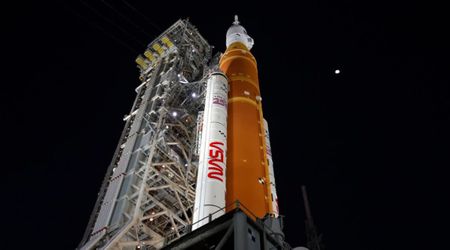
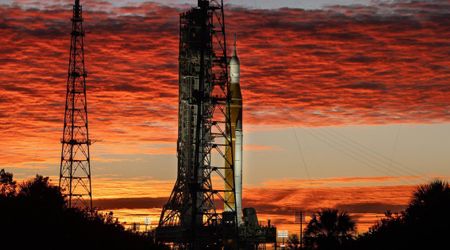
Vast secures funding of $500 million to speed up building its 'Haven' private space stations
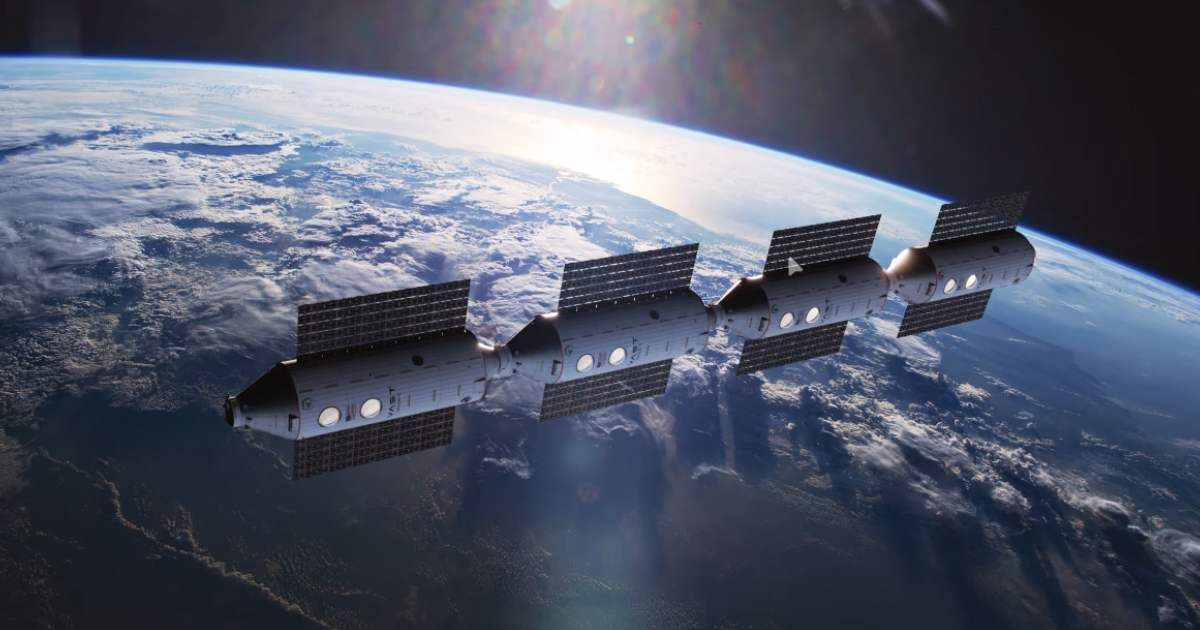
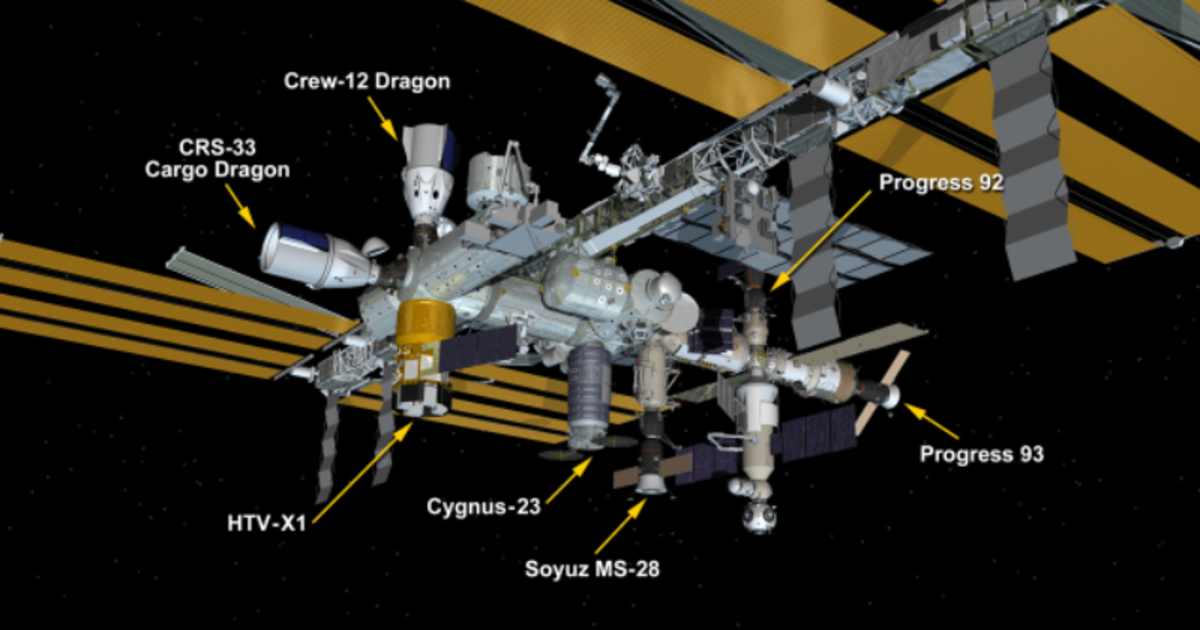
As part of its roadmap to build the successor to the International Space Station after its planned de-orbit in 2030, Vast has received a boost to the tune of $500 million. The Long Beach, California-based company confirmed this news on March 5, 2026. Vast is currently developing its Haven space stations, the first of which, Haven-1, is set for launch in 2027. This will be followed by the more capable Haven-2 in 2028. While the Haven Demo was launched in November 2025 as a miniature testbed for Haven-1, Haven-2 is aimed to succeed the ISS as humanity’s next rendezvous point in low-Earth orbit.
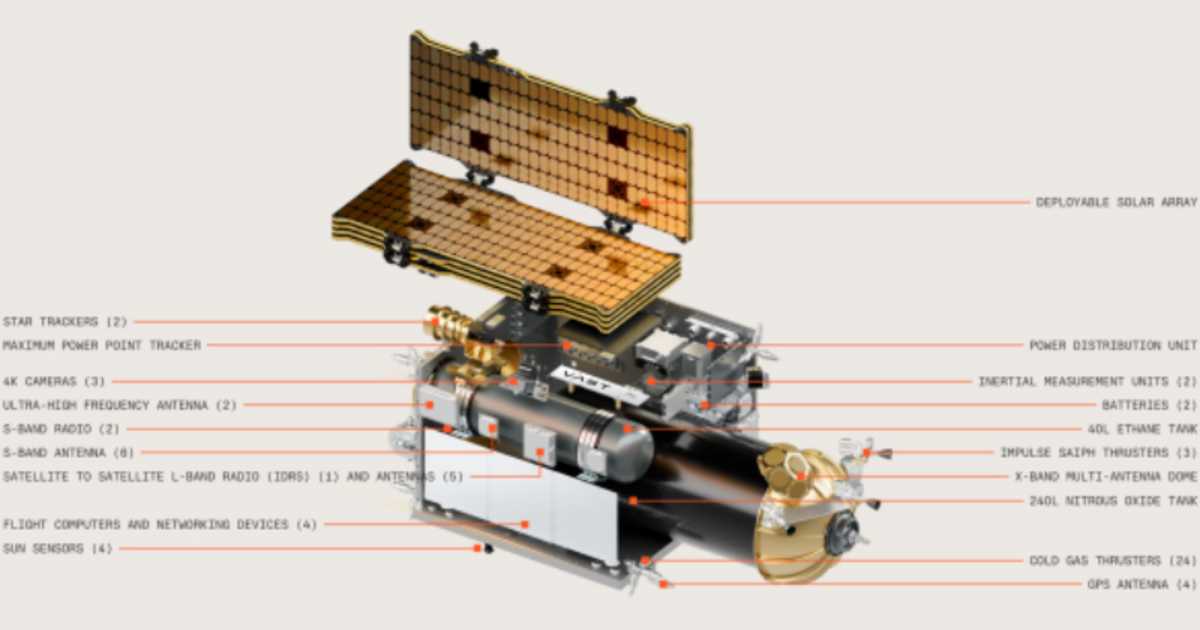
The funding was secured through a financing round led by Balerion Space Ventures, whose advisor A.C. Charania joined the board of Vast as part of the deal. Having also served as a chief technologist at NASA in the past, he expressed his confidence in Vast: “With its impressive hardware and expertise, Vast is the only operational commercial space station company to have designed, built, and flown its own spacecraft, Haven Demo…Vast’s engineering excellence and global vision set them apart.” Jed McCaleb, founder of Vast and the chair of the board, also participated. Other participants of the financing round were IQT, Qatar Investment Authority (QIA), Mitsui & Co., MUFG, Nikon Corporation, Stellar Ventures, Space Capital, and Earthrise Ventures. Of the total sum raised, $300 million was in Series A equity, while the rest was secured as debt.
Vast has secured $500M in funding to advance next-generation space station technologies and infrastructure for America and its allies. https://t.co/m0SqSYWT5F pic.twitter.com/MqjqHjdod5
— Vast (@vast) March 5, 2026
In preparation for creating a long-duration habitat in space and for learning the nuances of living in space, Vast has already made significant headway. Earlier this year, they signed an order with NASA that made them the first to be contracted for a Private Astronaut Mission aside from Axiom Space. This sixth overall PAM will launch to the ISS in the summer of next year and will see Vast pick its own crew to train in microgravity. The selected crew members will then train extensively with NASA and its partners to achieve readiness.
The company, which was founded in 2021, has quickly consolidated its position within the commercial space industry. So far, the company has seen over a billion dollars invested in its various pursuits. The first contributor to this investment, McCaleb, stated, “Vast was founded with a long-term vision of billions of people living and thriving in space. Achieving a goal of this magnitude requires deliberate stepping stones, and our strategy of building, testing, and iterating with real hardware is delivering results. It is exciting to welcome additional investors who recognize Vast’s long-term potential and share our belief in making this vision a reality.”
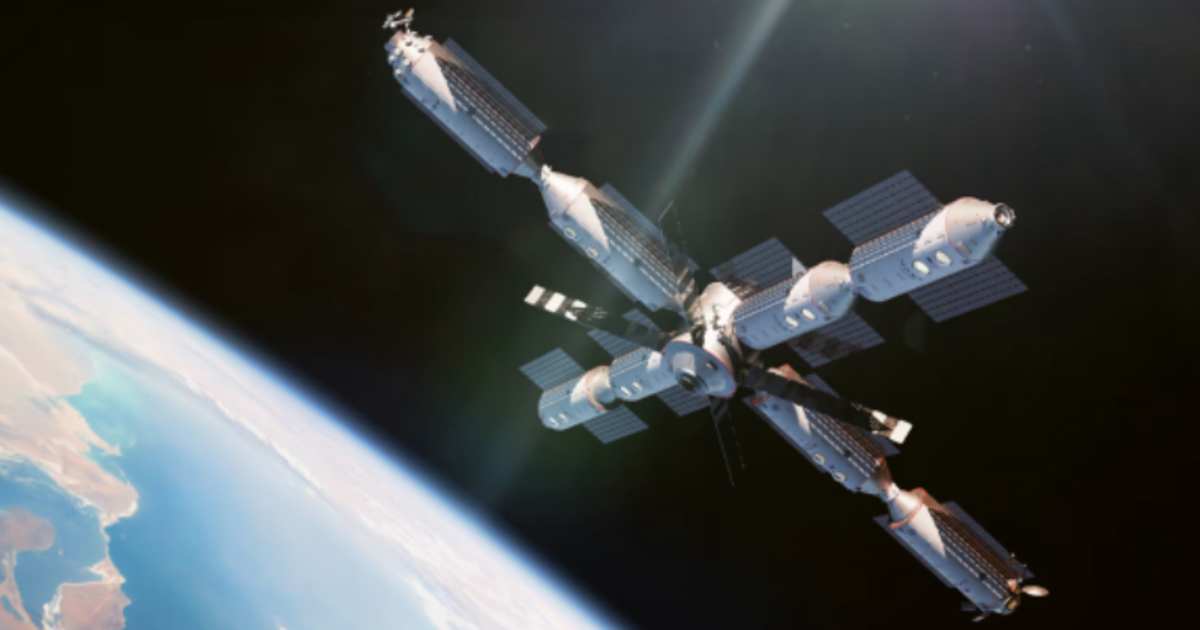
In the fullness of time, Vast has some ambitious plans up its sleeve. This includes not only Haven-2 being the first commercial space station but also the fact that its successor aims to provide artificial gravity while in orbit. According to their website, this station, slated for 2035, will rotate end over end at 3.5 RPM to simulate gravity for its inhabitants, perhaps helping mitigate the adverse effects of microgravity on human health.
More on Starlust
SpaceX’s Dragon spacecraft assigned to NASA’s CRS-33 arrives home