Today's Moon phase in New York
Discover today's Moon phase in New York with accurate details on illumination, visibility, and lunar events. Stay connected with the cosmos daily on Starlust.org
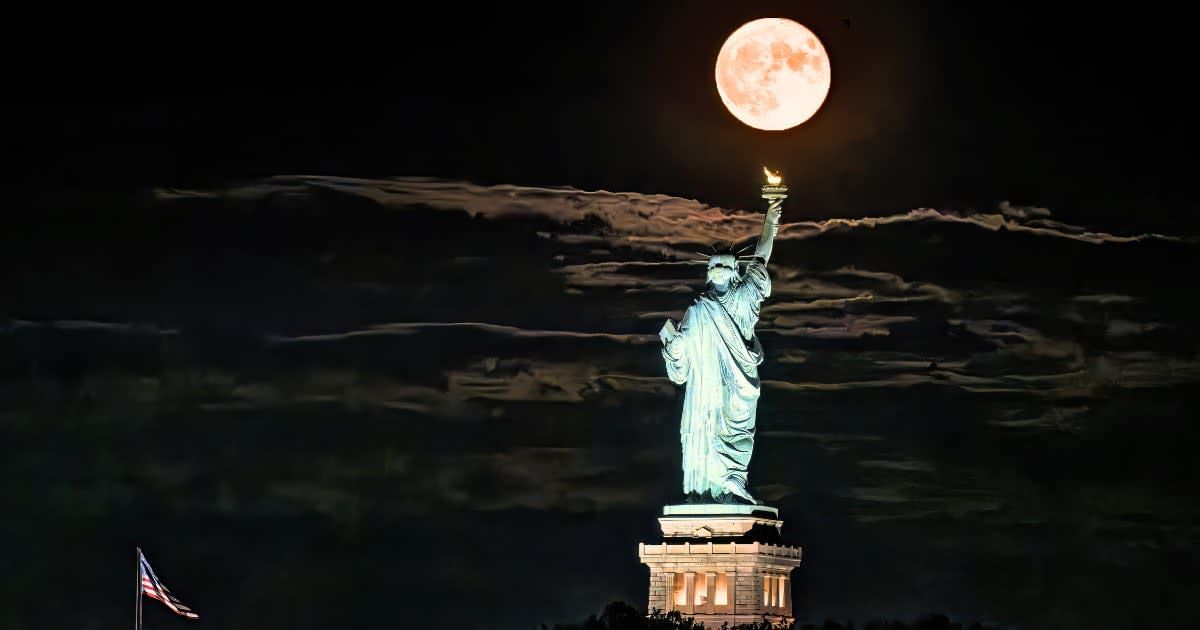
The Sturgeon Supermoon Full Moon breaks through the clouds above the Statue of Liberty in New York City. (Cover Image Source: Getty Images | Diana Robinson Photography)

Today's Moon phase in New York

Today’s lunar phase in New York is the First quarter phase 🌓, with 27% illumination and an age of 4 days. The current distance between New York and the moon is 369607080 kms.

What is a Moon phase?

The Moon appears in different shapes each night, ranging from a fully illuminated disk to only a thin crescent of light. These observable lunar shapes that we see at different times of the month are called the Moon phases. They result from the changing perspective of the Moon as it orbits the Earth.

Types of Moon phases

There are mainly eight lunar phases that are displayed throughout the 29.5-day Moon cycle in the following order: New Moon, Waxing Crescent, First Quarter, Waxing Gibbous, Full Moon, Waning Gibbous, Third Quarter, and Waning Crescent. Read more about the Moon phases here.
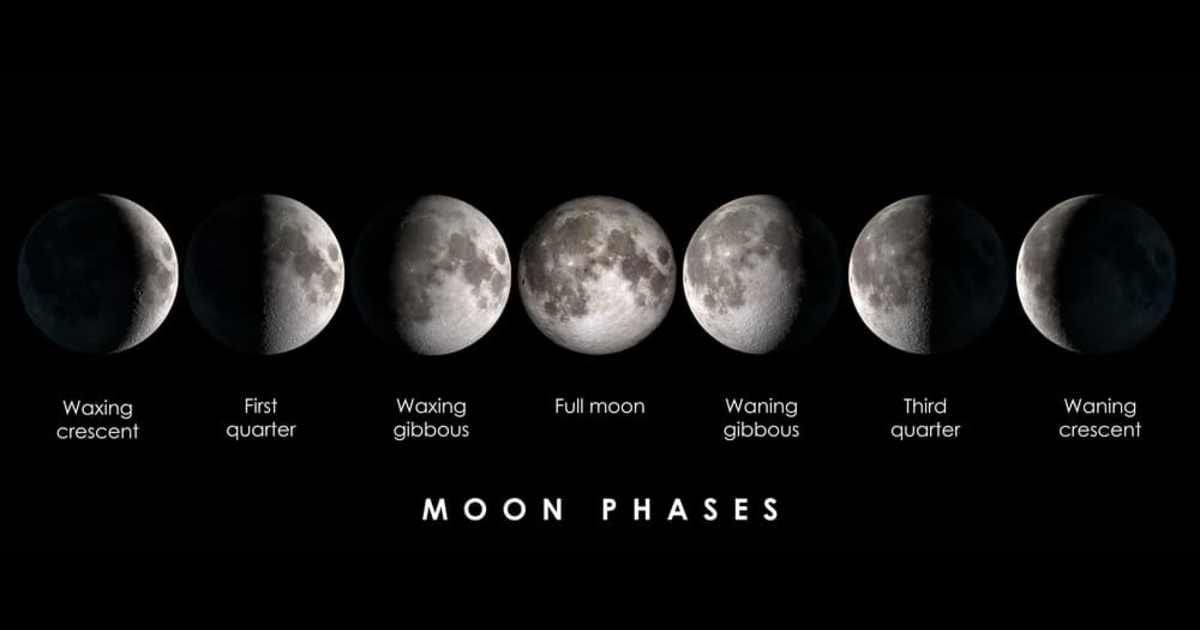
The eight major phases of the Moon. (Image Source: Getty Images)

How Moon phases affect skywatching events

For skywatchers, tracking Moon phases becomes the key to planning the best viewing experience. For example, the Full Moon can actually make it difficult to spot dimmer celestial events in the night sky due to intense moonlight. On the other hand, during the New Moon, the absence of the moonlight creates a darker sky, making it an ideal time for observing deep-sky objects like galaxies or star clusters. Each phase offers unique opportunities - the Waxing Gibbous serves as the best time to spot the features on the lunar surface, whereas, during the Waxing Crescent Moon, stargazers often find it easier to observe planets such as Venus and Mars, as they shine brighter in the twilight sky.

What does the Moon look like today?
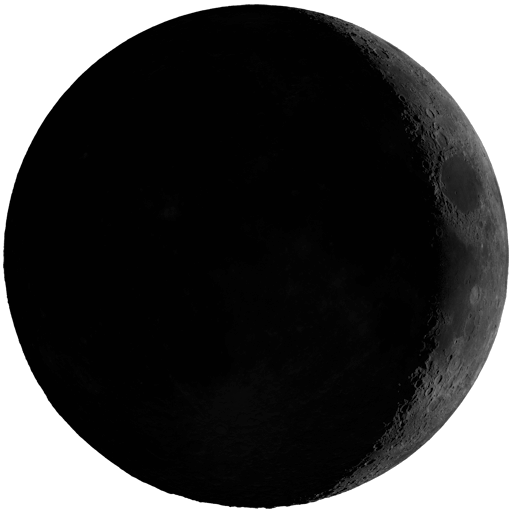
First quarter
First quarter

Sources:
https://moon.nasa.gov/moon-observation/daily-moon-guide/?intent=011
MORE STORIES

The two planets, being the two brightest planets in view from Earth, will also be joined by Mercury.
9 hours ago
The Blaze Star's previous known explosion is said to have taken place 80 years ago in 1946.
3 days ago
The May 31 Full Moon will be the most distant Full Moon of 2026.
6 days ago
Here are the four events that skywatchers should look forward to as the month of May nears its halfway mark.
May 11, 2026
Moonlight may affect the visibility of the Eta Aquariids meteor shower this year. Check details here
May 6, 2026
Here's how you can spot Jupiter, Venus, and Mercury in the May evening sky.
May 4, 2026
The shower is best seen in the Northern Hemisphere with low moonlight and bright fireballs.
Apr 16, 2026
The meteorite was spotted all across northern Europe at about 00:24 BST on Monday.
Apr 14, 2026
This occurs when the Moon’s 29.5-day cycle doesn’t align exactly with the calendar month, allowing two full moons to fall within the same month.
Apr 13, 2026
The SLS rocket will be visible up to 70 seconds after launch depending on where observers are.
Apr 1, 2026