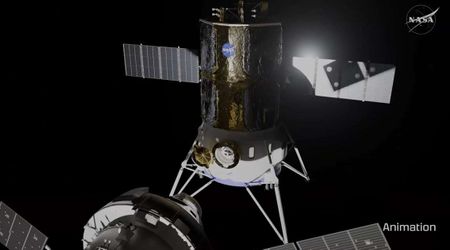
'There is nothing normal about this': Artemis II astronauts get candid as they head for the Moon
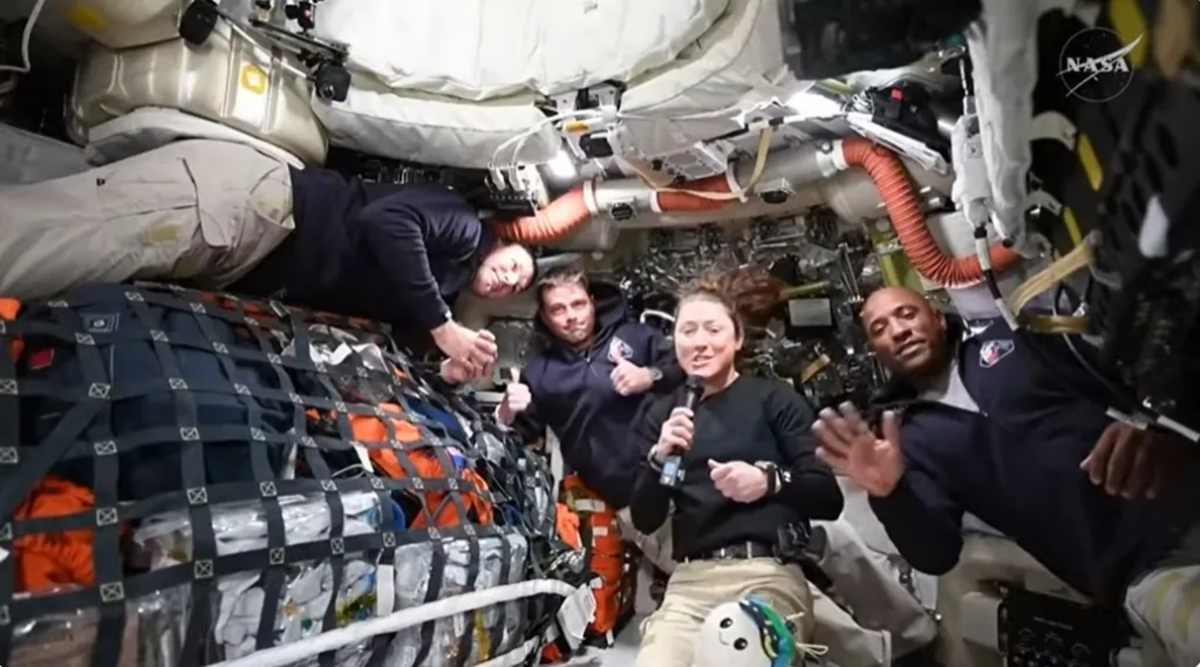
The main event of Flight Day 2 of the Artemis II mission was certainly the translunar injection burn that set Orion on a free-return trajectory around the far side of the Moon and back. That being said, the first downlink event of the mission was also something to look forward to. And it did not disappoint.
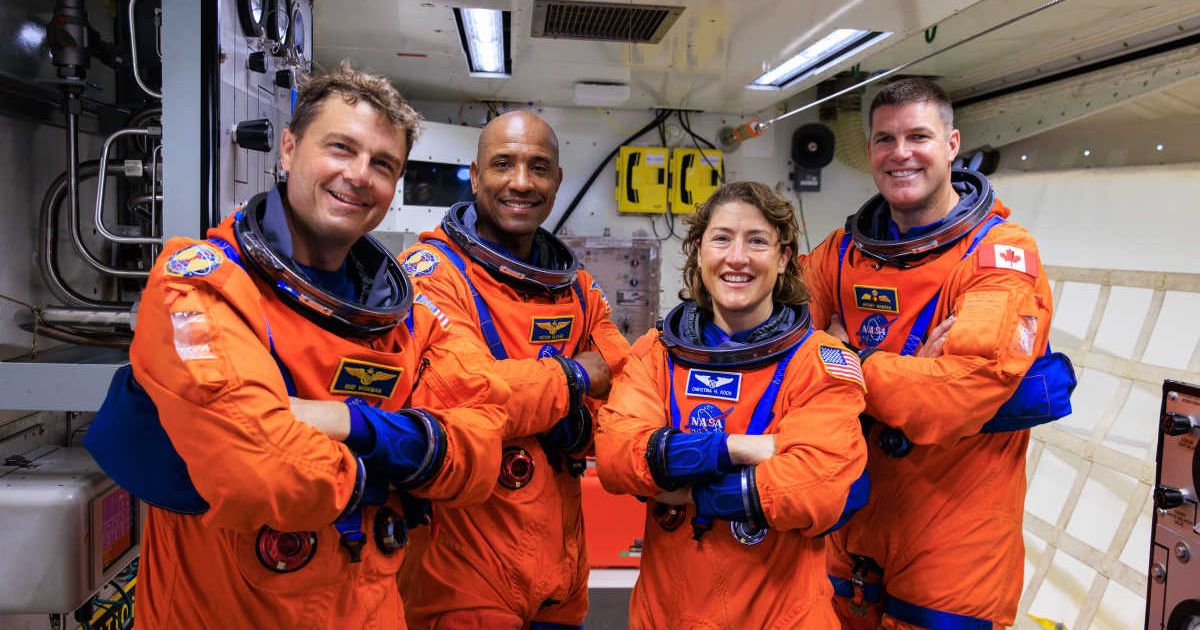
Mind you, these astronauts have trained for this historic flight for years. Almost every potential bump in the ride, every potential sight they are to see, has been hardwired into their minds. Not to mention three of them—Reid Wiseman, Victor Glover, and Christina Koch—have flown to space before. Yet the primary emotion they shared during the candid chat with Earth was that of wonder, reminding us of our place in this world, even though we are more familiar with the stars than ever before.
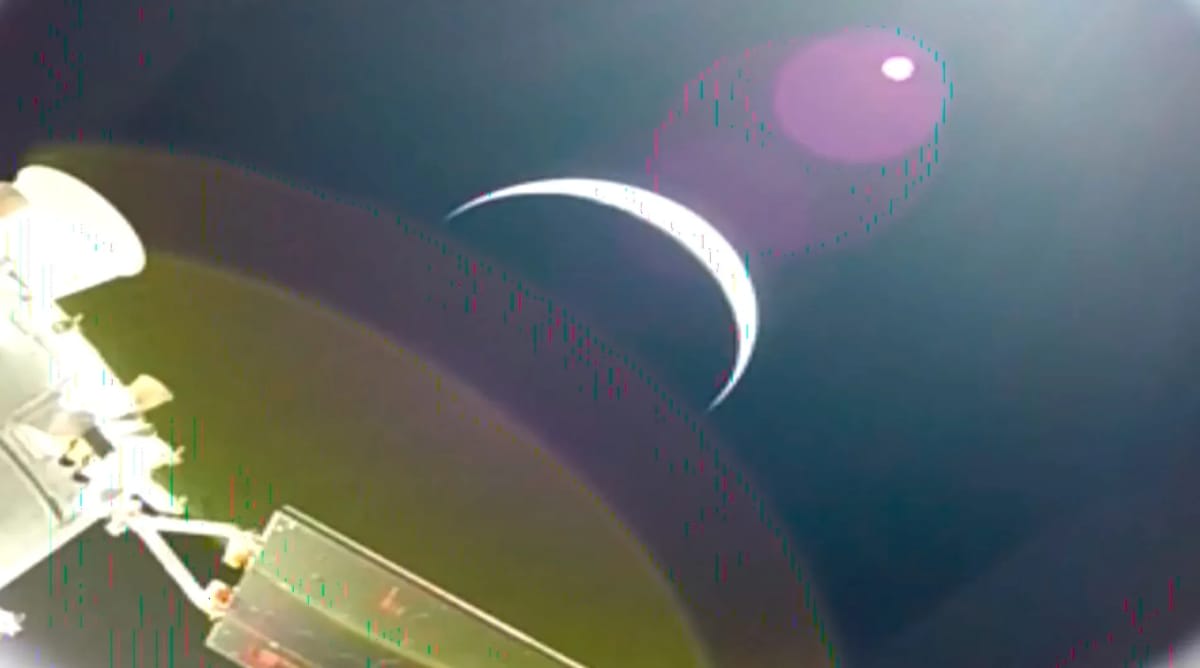
Wiseman, the commander of this mission, couldn't help but begin the proceedings by remembering his family and those of his crewmates back home. "Well, first and foremost, we all wanted to give a shout-out to our families first 'cause we are pretty far from Earth and we have not gotten to say hi to them yet," he said before moving on to talk about something that swept the crew off their feet (even in zero gravity). Referring to a moment that followed the reorientation of the spacecraft as the Sun set behind Earth, Wiseman said, "I don't know what we all expected to see in that moment, but you could see the entire globe from pole to pole. You could see Africa, Europe, and, if you looked really close, you could see the Northern Lights. It was the most spectacular moment, and it paused all four of us in our tracks."
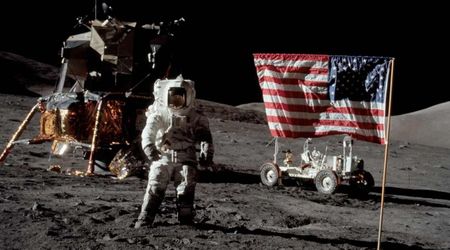
After all, it's not every day that you are catapulted into the vastness of deep space at insane speeds. So you are never really ready for this. "It's been a long time since we've been back, and I gotta tell you, there is nothing normal about this. Sending four humans 250,000 miles away is a herculean effort, and we are now just realizing the gravity of that," he said. Wiseman is the oldest member of the crew, yet he was not born when Eugene Cernan became the last human being to set foot on the Moon in 1972, courtesy of Apollo 17.
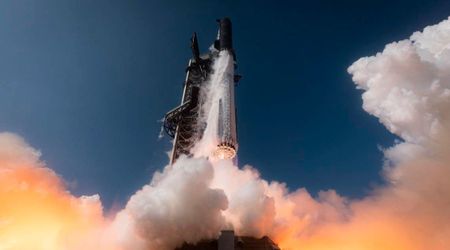
The Canadian Space Agency mission specialist, who is not just the first Canadian but also the first non-American to venture into deep space, was, meanwhile, both relieved and surprised at how smooth the ride aboard the massive 322-foot Space Launch System rocket was. "I think probably one of the things that surprised all of us is when those solid rocket boosters actually lit, and we left the pad. It was just a moment of disbelief," he said. "And yeah, the fact that we launched it just totally takes you by surprise, even though you're expecting it, at least for me anyway." He had a "huge smile" on his face.
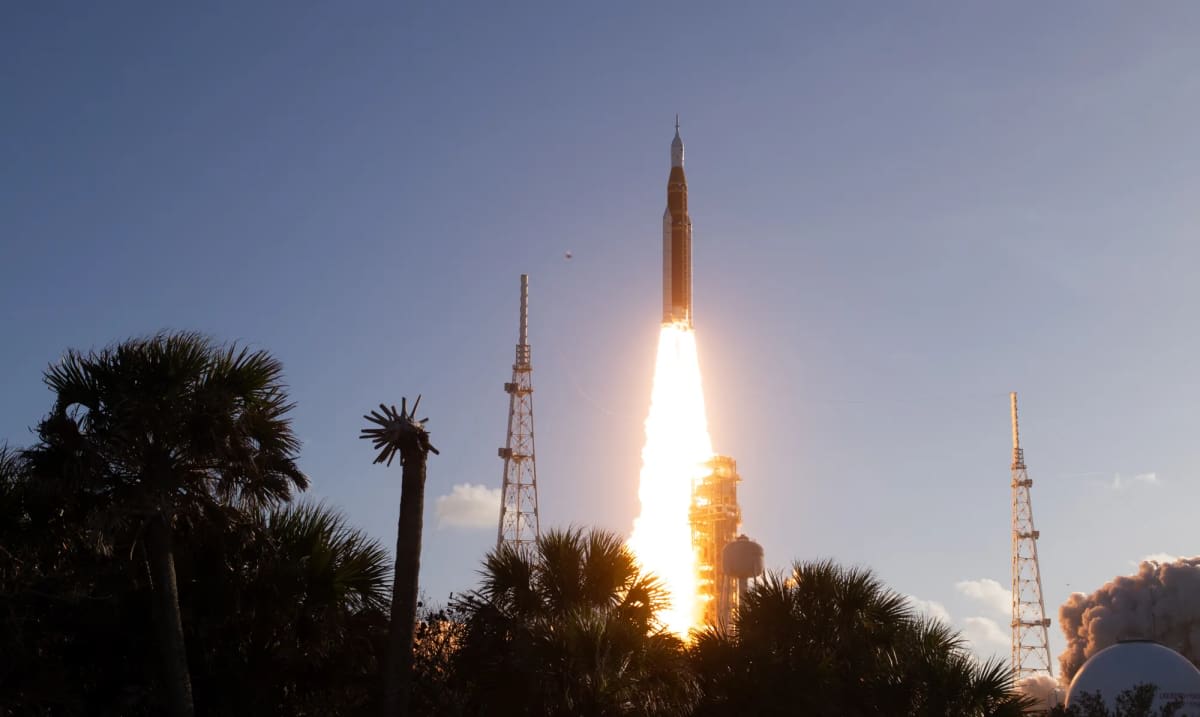
Koch, who will probably be known from now on as 'the space plumber,' also shared her fellow mission specialist's sentiments. "We were prepared to potentially not be able to see telemetry, to maybe even not be able to, you know, touch switches, and it was very smooth. It was a definite difference when they (the solid rocket boosters) separated and we were just on the main engines, but just a steady rumble and, uh, a great ride."
Glover, who is the pilot and also the first person of color to fly to the Moon, meanwhile, had a much-needed message for all of humanity. "You look amazing. You look beautiful. And from up here, you also look like one thing. You know, homo sapiens is all of us, no matter where you're from or, you know, what you look like. We're all one people," he said. "And so, you know, this mission, one of the things that's amazing about being around and just being an astronaut, you know, serving our countries at this time is that."
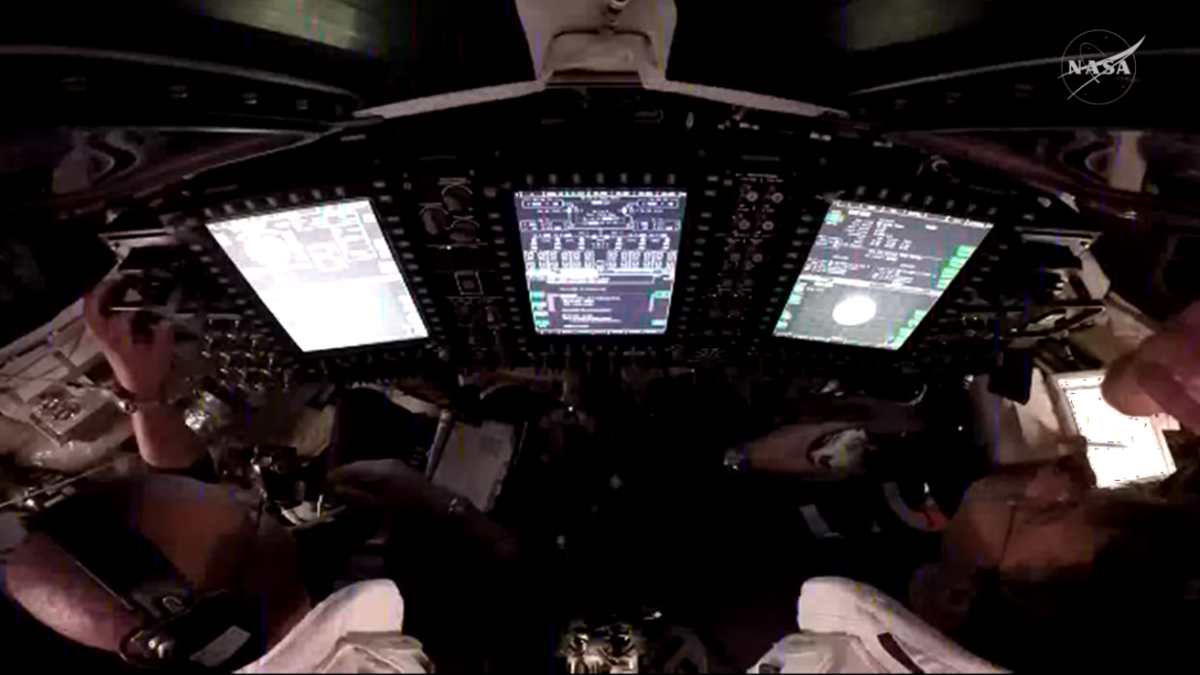
On a more mundane level, Wiseman also talked a bit about the sleeping arrangements in the spacecraft. And as cramped as it looks, it's not as uncomfortable as one would think, even for someone of Hansen's height. It is a bit comical, though, especially for Koch, who took a nap upside down like a bat. Either way, it's a small price to pay to be able to lay eyes on the Moon in a way that no human being has before. The main event—the lunar flyby—is scheduled to happen on April 6. Stay tuned.
More on Starlust
Artemis II update: Crew set to spot rare solar eclipse, make detailed surface observations and more
NASA's SpaceX Crew-11 astronaut reveals he temporarily lost the ability to speak in space