The Moon is going dark on February 17—what it means for skywatchers
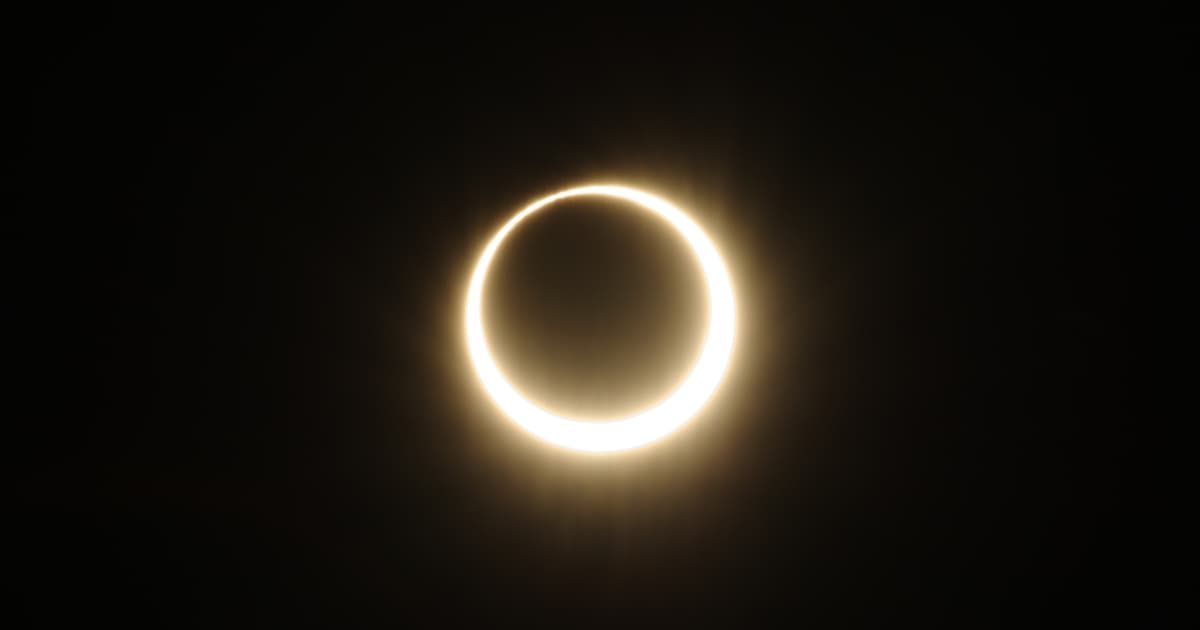
Skywatchers around the world have a rare celestial phenomenon to look forward to on Tuesday, February 17, 2026, when the Moon passes directly in front of the Sun, creating an annular solar eclipse, also known as a “ring of fire.” Under normal circumstances, this New Moon would have been hard to spot, but this rare occurrence means that while the lunar disk itself will stay dark, it will obscure 96% of the Sun’s disk, leaving a brilliant glowing ring visible for about two minutes to observers stationed in Antarctica.
🌑Sky Watch | Annular Solar Eclipse ✨
— World Space Week (@WorldSpaceWeek) February 12, 2026
On Feb 17, 2026, an annular solar eclipse will create a stunning “Ring of Fire.” Visible from Antarctica, with a partial eclipse across southern Africa & South America. Next up: Feb 6, 2027. Get ready to look up! #WSW2026 #SolarEclipse pic.twitter.com/9lYao7tkYi
This unfortunately rules out most inhabited land regions on Earth for visibility of the full ring around the New Moon. However, many people in certain places in southern Africa and South America may get the opportunity to catch a partial eclipse. The Moon will enter its waxing crescent phase on the following day, with one percent of it being illuminated by the Sun, per NASA's Daily Moon Guide.
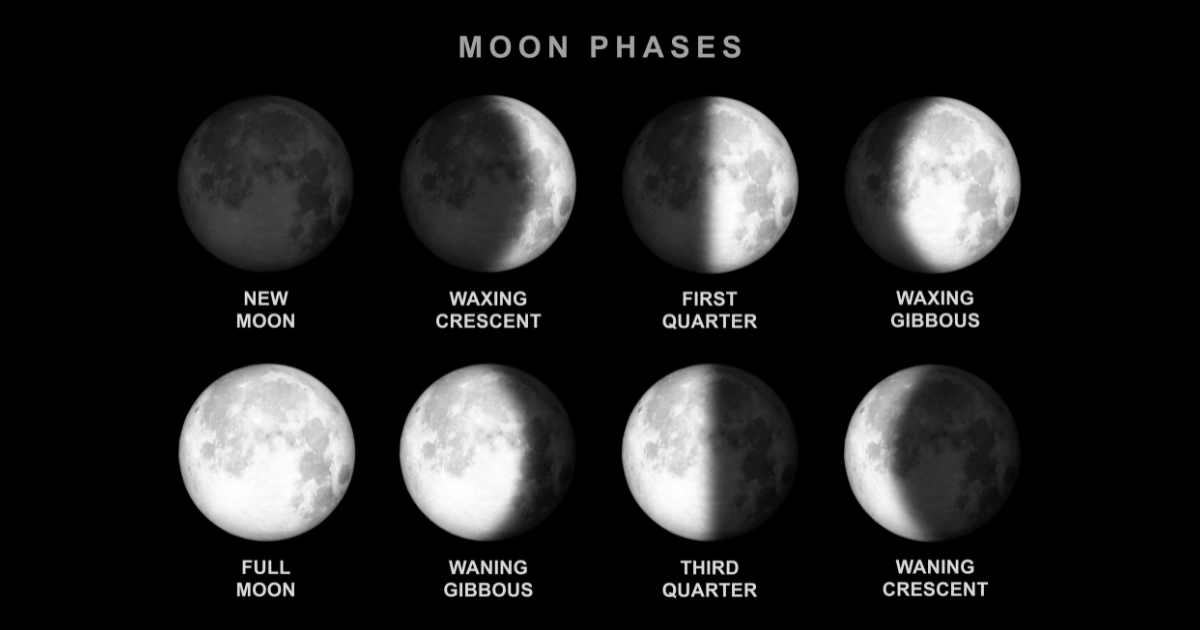
While the annular solar eclipse will be visible only to those living in research stations like Concordia and Mirny in Antarctica, the New Moon will ensure that the sky is dark enough for skywatchers elsewhere to catch a glimpse of the Andromeda Galaxy, one of our closest galactic neighbors located around 2.5 million light-years away, according to Royal Museums Greenwich. It can be spotted right between the Andromeda and Cassiopeia constellations.

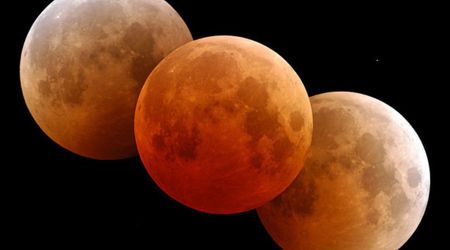
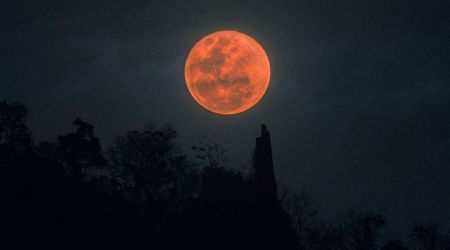
Of course, for the best viewing experience, observers will have to find a reasonably dark patch of sky to view the galaxy via a telescope. To spot it with a pair of binoculars, however, observers must travel further away from city lights. There's even a chance that skywatchers might be able to spot it as a smudge with the naked eye if the skies are particularly clear on the night. And even if they are not able to, there's no reason to be too disappointed because this year is packed with celestial conjunctions and special sights like the Blood Moon in March, the appearance of a ‘Blue Moon’ on May 31, 2026, and a total solar eclipse on August 12, 2026, per NASA.
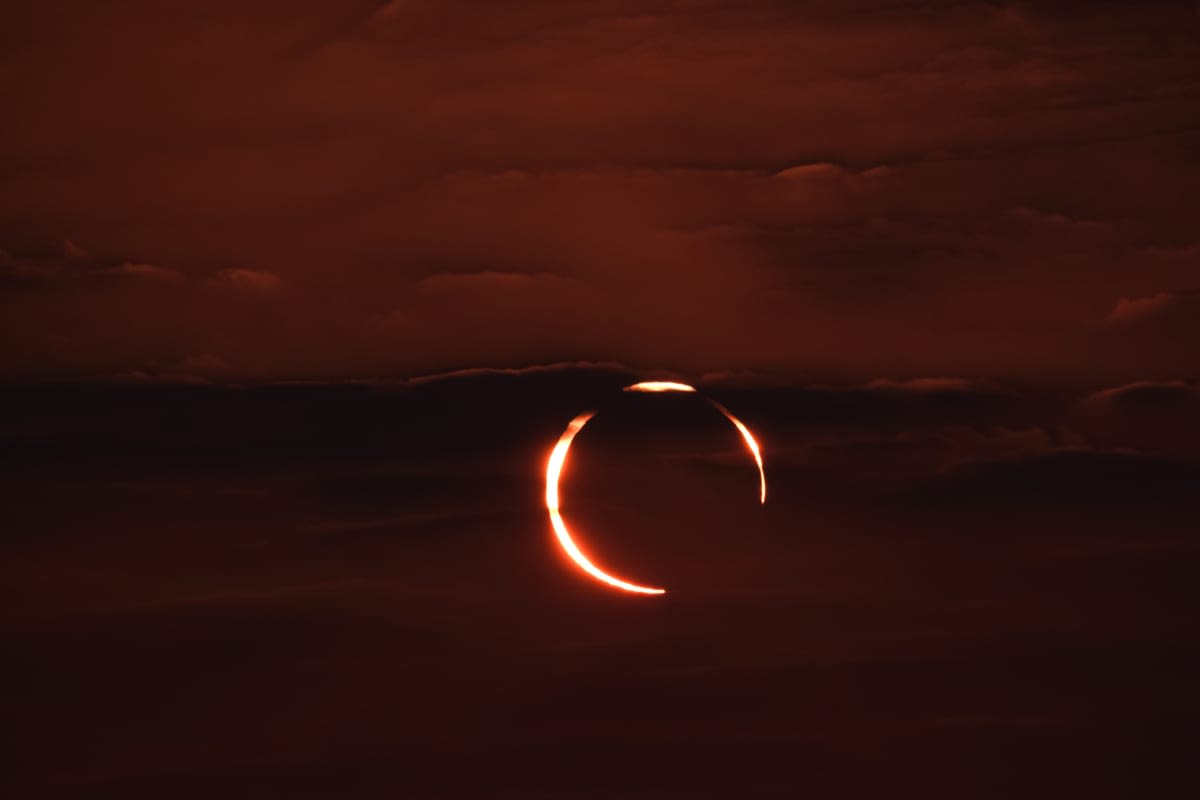
In order to make observations of phenomena like solar eclipses, safety is extremely important, as the Sun’s unblocked ring is still capable of emitting intense infrared and ultraviolet rays that carry the threat of causing permanent eye damage. Experts urge using certified eclipse glasses or dedicated solar binoculars for all observers, whether it’s the full ring or a partial eclipse they are seeking.
More on Starlust
Newly discovered comet C/2026 A1 (MAPS) raises the question: Could it be visible in daylight?
Scientists may have finally uncovered why the Moon appears lopsided