Scientists solve a decades-old mystery by finding the hidden source of solar flare gamma rays
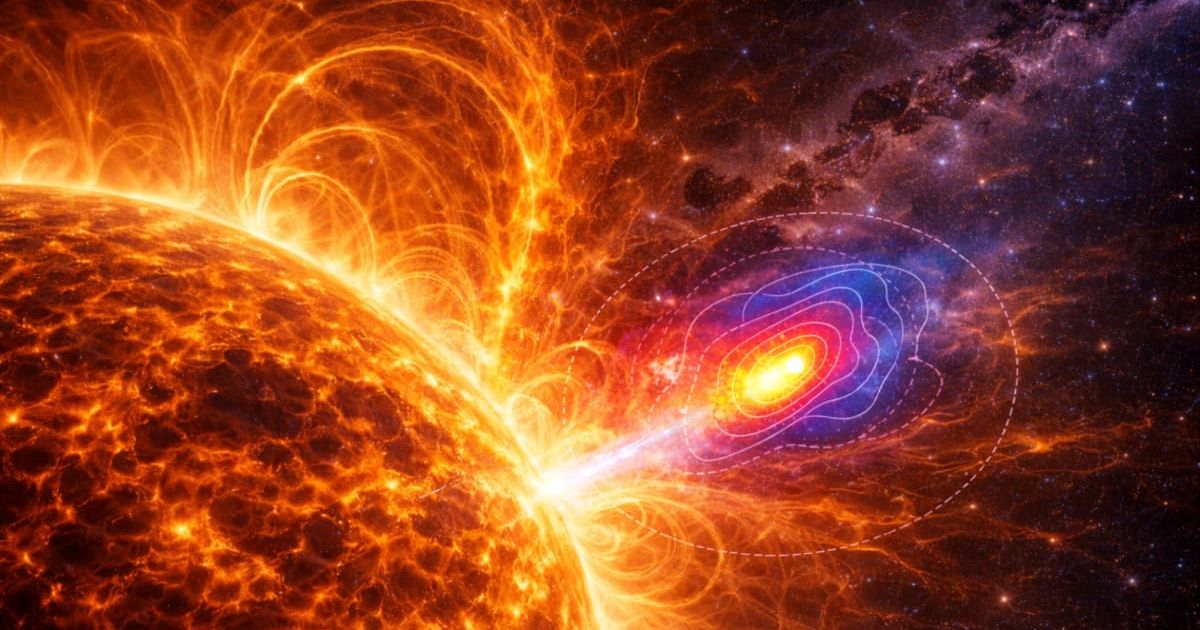
Researchers have now identified a major source of the intense gamma radiation that accompanies the strongest eruptions from the Sun, thus solving the riddle that had kept solar physicists puzzled for years. A paper in Nature Astronomy reveals that scientists from the New Jersey Institute of Technology (NJIT) have found that the long-duration gamma rays are produced by a previously unknown high-energy particle group in the upper solar atmosphere.
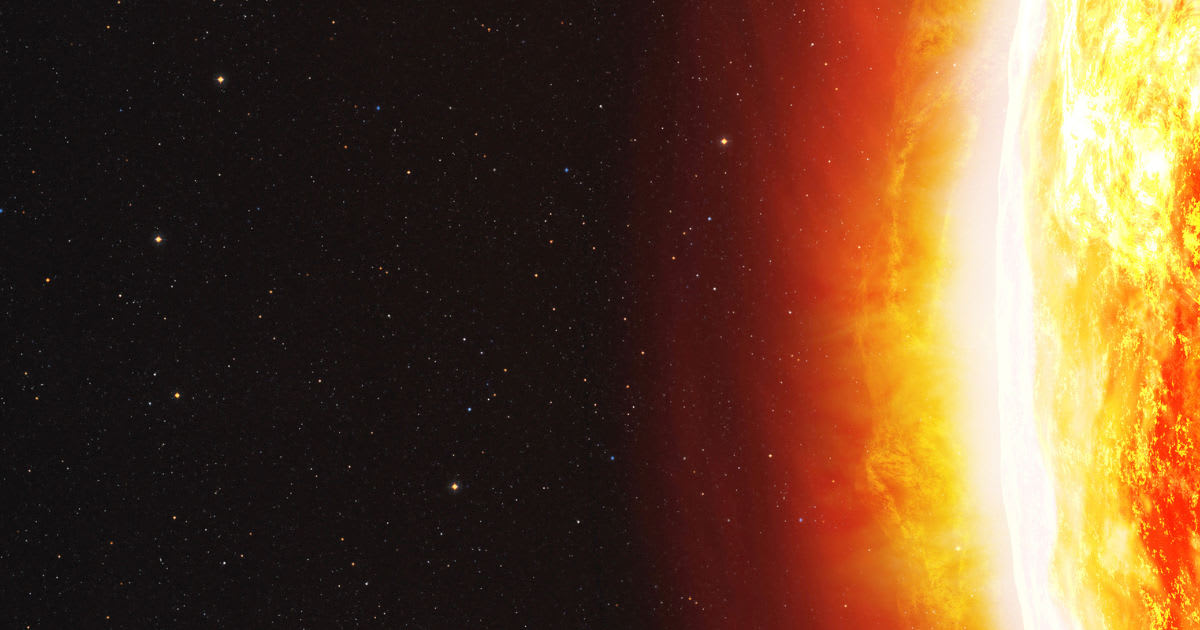
The group, through studying a solar flare from 2017, discovered a spot in the Sun's upper atmosphere filled with trillions of particles that were almost moving at the speed of light. The particles were of such high energy that they carried millions of electron volts, which is hundreds of times the energy associated with a typical solar eruption. The scientists think that these fast-moving particles, upon hitting the Sun's dense atmosphere, produce high-energy light through a process called bremsstrahlung, which in turn is the source of the strong gamma-ray signals that are registered during solar eruptions.
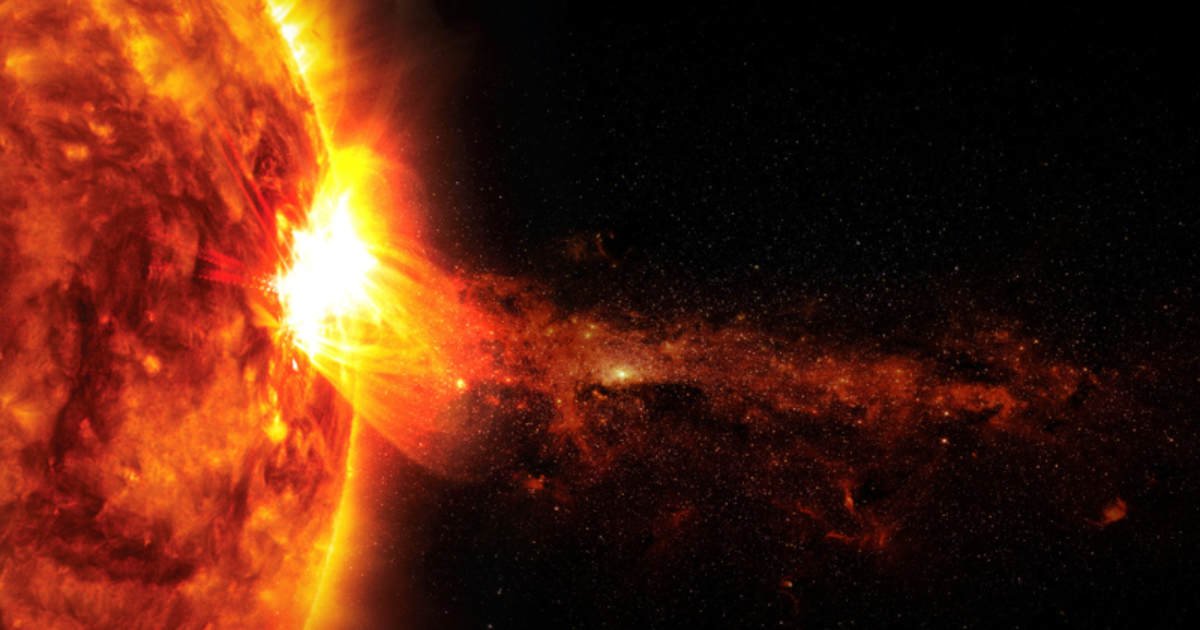
"We knew solar flares produced a unique gamma-ray signal, but that data alone couldn’t reveal its source or how it was generated,” said Gregory Fleishman, the NJIT-CSTR research professor of physics and lead author of the study, in a statement. "Without that crucial information, we couldn’t fully understand the particles responsible or evaluate any potential impact on our space weather environment." In the quest for the truth, the NJIT team utilized data from two separate sources, whereby NASA's Fermi Space Telescope measured the gamma rays corresponding to the 2017 flare, while NJIT's EOVSA Radio Telescope produced the microwave images of the accelerated particles.
The two-way observation method helped the scientists to draw out a certain region called Region of Interest 3 (ROI 3) besides the two previously studied areas—ROI 1 and ROI 2—where both signals overlapped. "By combining gamma-ray and microwave observations from a solar flare, we were finally able to solve this puzzle," Fleishman added. The energy distribution of these particles was then linked to the gamma-ray spectrum that had been observed, thus proving bremsstrahlung emission.
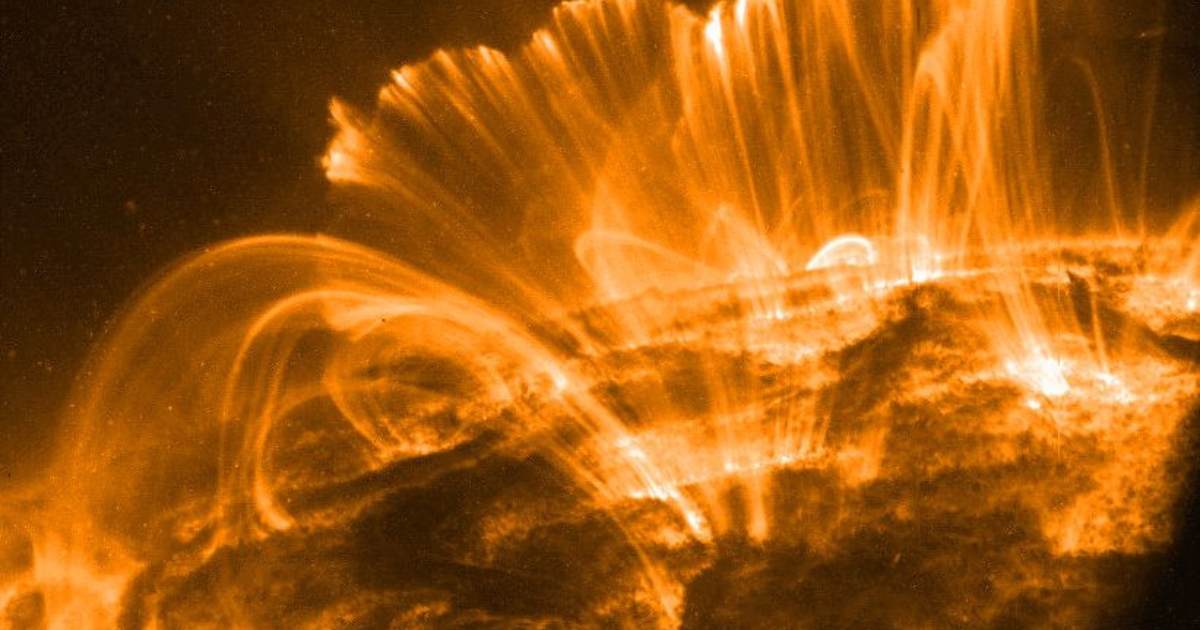
This finding represents a huge contribution to solar flare physics in that it gives scientists a clearer picture of the way the Sun charges particles to such high velocities. The understanding is essential for the enhancement of the solar weather models, which in turn will be an aid in safeguarding satellites, GPS networks, and electrical power stations on Earth from solar disruptions.
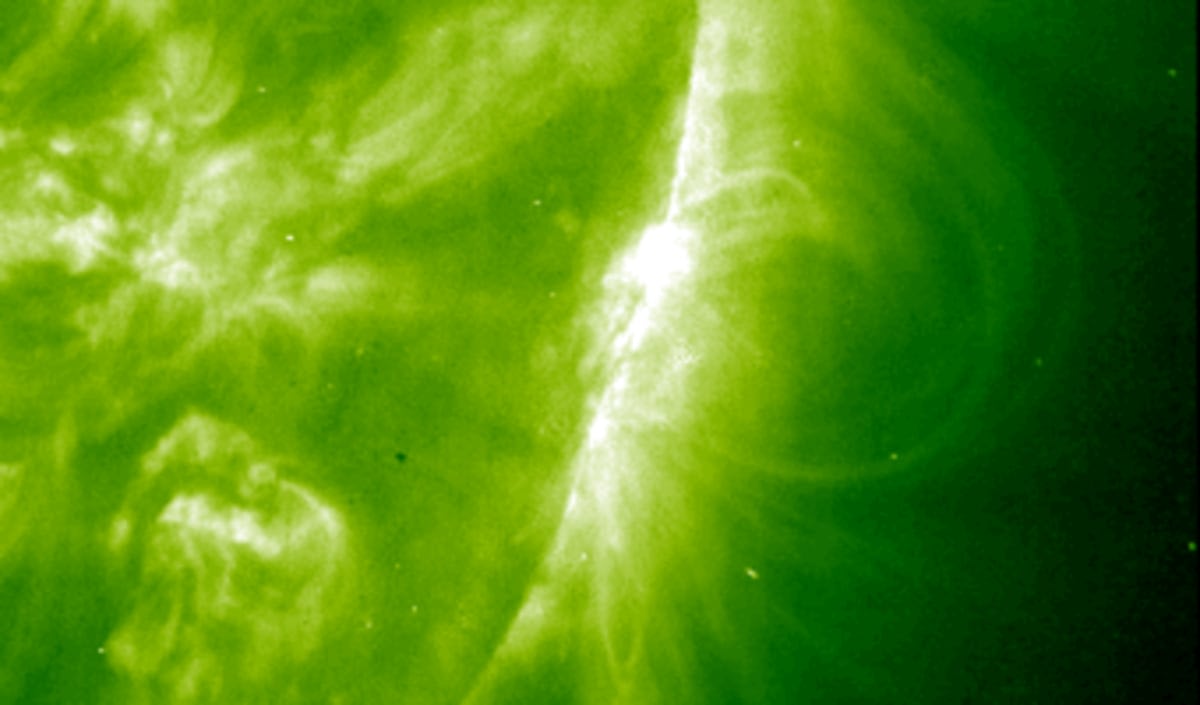
Despite the identification of the source, however, a query still exists. It is not clear yet to the scientists whether the particles in question are electrons or positrons. NJIT is in the process of enhancing its telescope array in California with the addition of 15 new antennas. The improvement will enable the scientists to observe solar flares even more closely and might even help in pinpointing the precise kind of particles that are responsible for these stellar blasts.
More on Starlust
Scientists solve 50-year-old mystery, discover solar flares 6.5 times hotter than expected