Russia reveals plan to build a new space station using recycled modules from the ISS
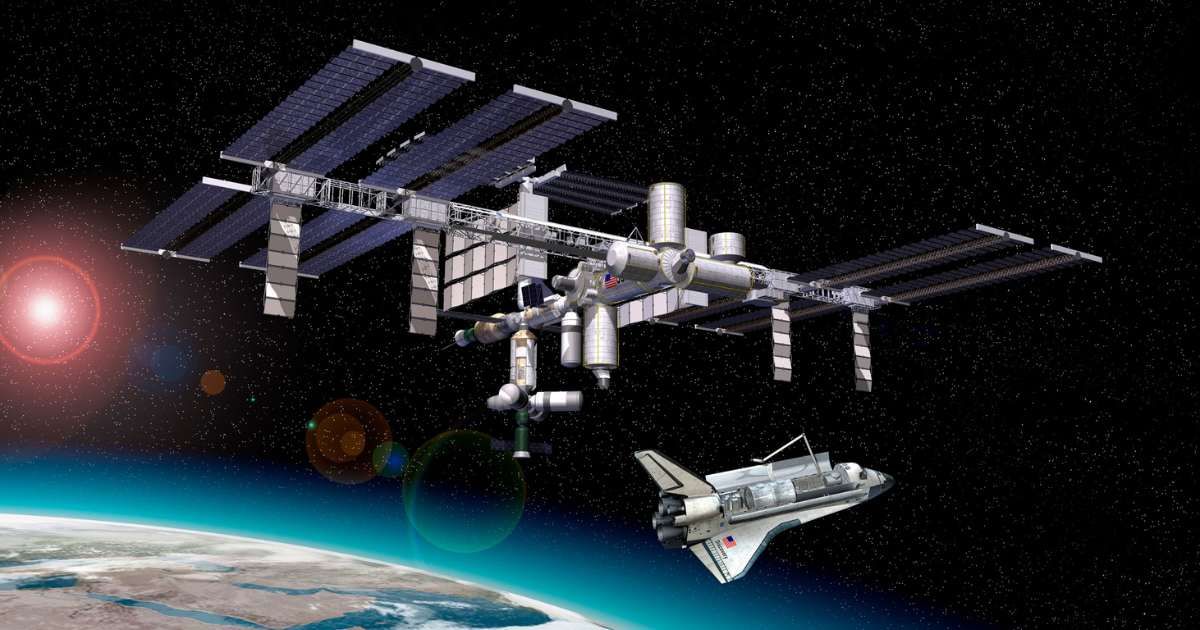
Russia has proclaimed a significant alteration to its space strategy by affirming the recycling of its current International Space Station (ISS) segments for the establishment of a new independent orbital habitat. This radical change, as communicated by Oleg Orlov from the Russian Academy of Sciences (RAS) at a press conference on December 18, signifies a departure from the previous aspiration of constructing a completely new station.
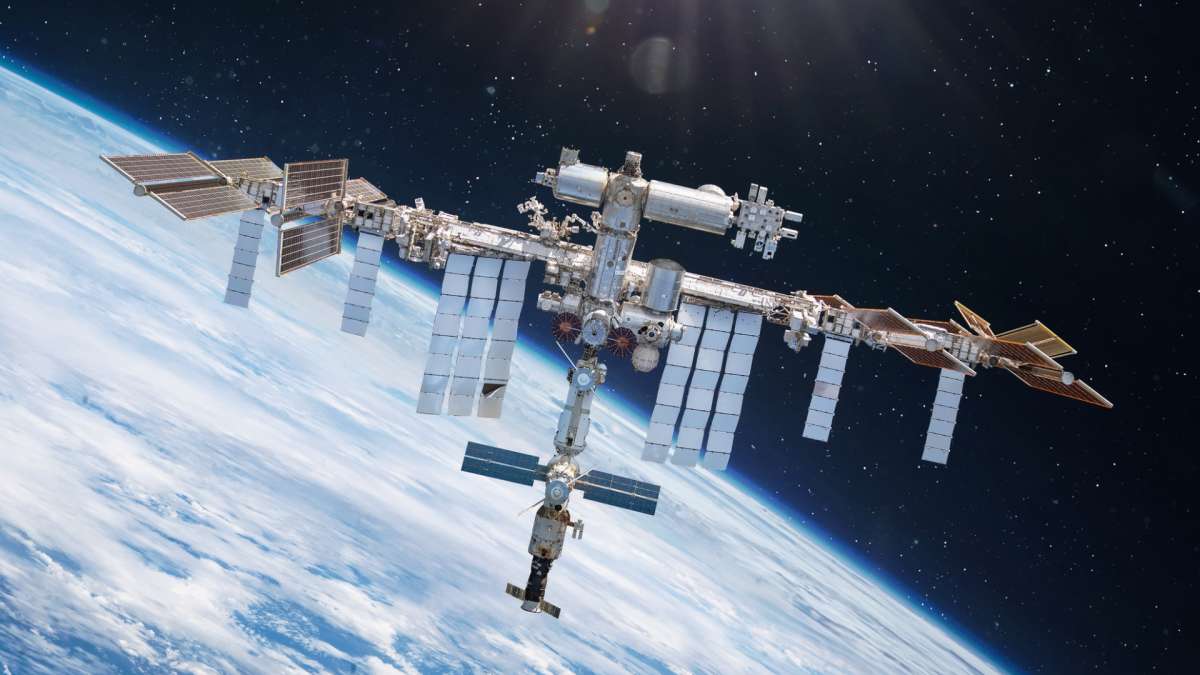
With this change of plan, Russia intends to separate the existing modules of the Russian Orbital Segment of the ISS—Zarya, Zvezda, Poisk, Rassvet, Nauka, and Pricha—at the end of the international project in 2030. The old modules will form the core of the new Russian Orbital Station (ROS) while other modules will follow. Orlov said that a special commission has been working on the process for several months.
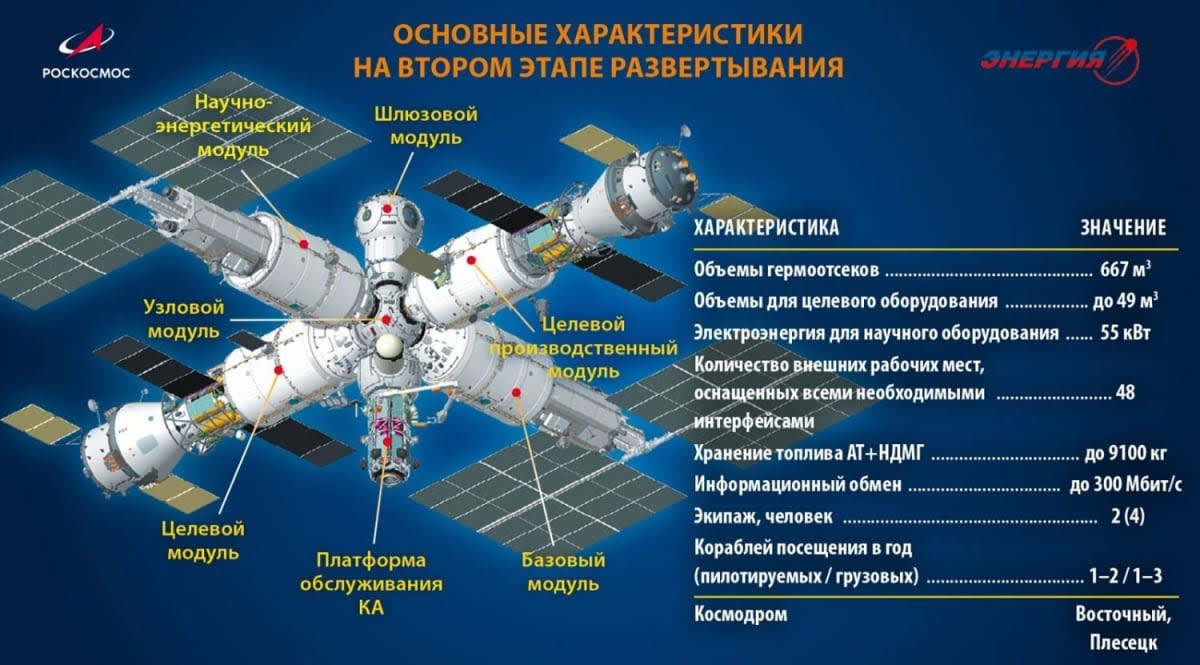
The RAS had previously proposed a polar orbit (96 degrees inclination angle), but now it has decided that the ROS will have an inclination of 51.6 degrees. This will enable Russia to launch from the Plesetsk Cosmodrome in Russia's north and the Vostochny Cosmodrome in Russia's east—sites built to reduce the country's dependence on the Baikonur Cosmodrome in Kazakhstan.
Roscosmos' earlier plan did not include Russia's ISS modules. Instead, it involved an inaugural launch of the scientific and energy module in 2022 and the launch of three additional modules in 2030, which would make up the station's core. Three more modules were to be added by 2035, and there was a chance that there would be a private habitat for space tourism as well. The latest plan, according to Universe Today, is a reflection of Russia's geopolitical situation amidst its war with Ukraine that has brought about sanctions, termination of international cooperation, and depleted resources.
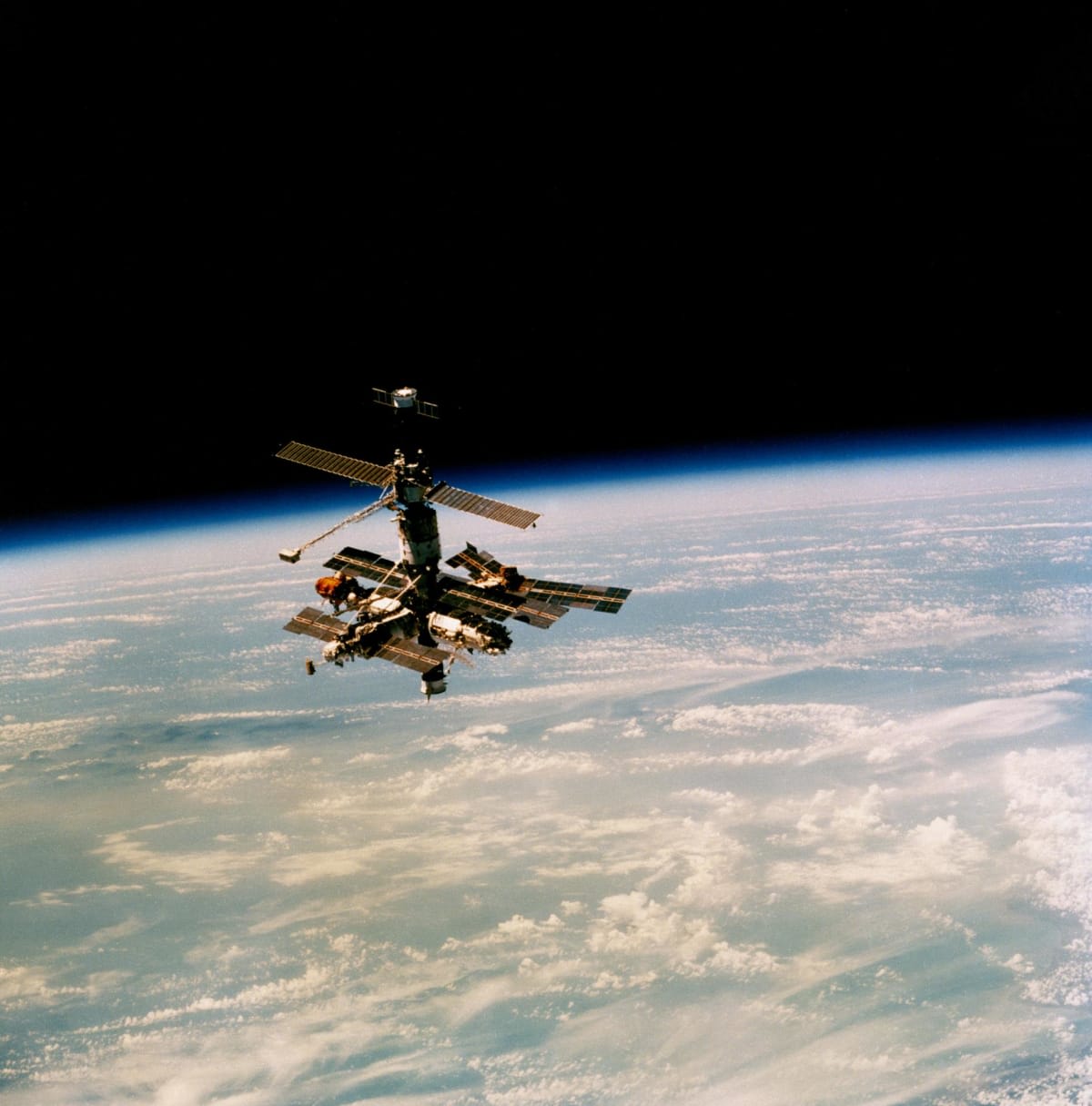
Some in Russia have expressed strong disapproval over the reusability of old modules. The skeptics underline that most of these parts are almost 30 years old, which is already two times the designed lifetime, and they are leaking air and becoming structurally weak. Moreover, the internal assessments have already mentioned a biological threat in the old part of the Russian segment. An article in the newspaper New Izvestia noted how Orlov himself had warned against the bacteria and fungi that had accumulated on the ISS and how they pose a danger to both humans and electrical components.
As the ISS is reaching its sunset years, countries across the globe are racing to build their own space habitats. China is not waiting and is already working on a project to increase the capacity of its Tiangong station by two times. Meanwhile, the Indian Space Research Organization (ISRO) has a goal of launching the first module of its own station, the Bharatiya Antariksh Station (BAS), by 2028. At the same time, the private sector is turning into a key player, with Blue Origin’s Orbital Reef and Axiom Space among the companies that are planning to put up commercial habitats for research and tourism.