Roscosmos Progress 94 to make ISS docking despite trouble deploying antenna
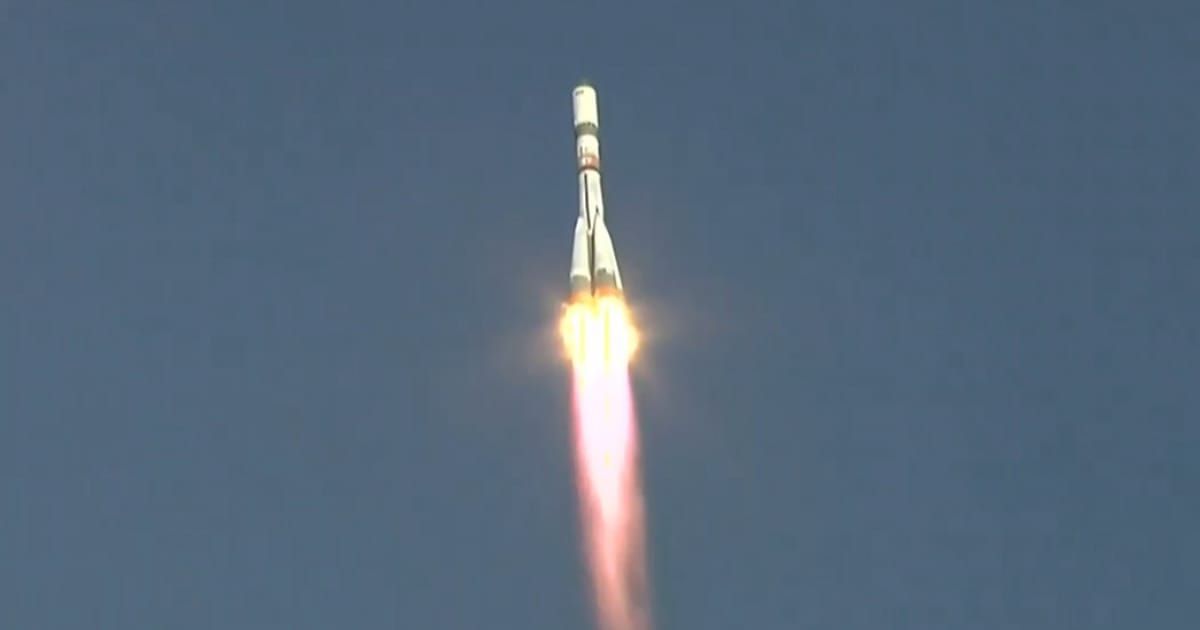
Roscosmos has executed a successful lift-off of its Progress 94 spacecraft carrying 5,500 pounds of cargo from Site 31 of the Baikonur Cosmodrome in Kazakhstan on Sunday. According to NASA, liftoff of the Soyuz 2.1a rocket took place at 7:59 am EDT on March 22, 2026. Upon its arrival in the vicinity of the International Space Station, it will dock with the Poisk module’s space-facing port aboard the ISS for this mission. That said, the docking procedure could be affected because one of the two antennas that assist with docking did not deploy correctly. These are the KURS automated rendezvous antennas. Flight controllers in Korolyov, Moscow, are currently trying to troubleshoot the yet-to-be-deployed antenna aboard Progress, which is a cargo variant of the veteran Soyuz capsule.
LIVE: A Roscosmos cargo spacecraft carrying food, fuel, and supplies is about to launch to the @Space_Station. The uncrewed Progress 94 craft is scheduled to lift off at 7:59am ET (1159 UTC). https://t.co/uIjOMqVcDE
— NASA (@NASA) March 22, 2026
Should the antenna not deploy in time for the docking slated for 9:34 am EDT on March 24, 2026, things will have to be done manually. This would involve station commander Sergey Kud-Sverchkov manually piloting Progress with the help of the TORU (Telerobotically Operated Rendezvous System). Kud-Sverchkov will do so by operating a control panel inside the Zvezda Service Module, which is part of the Russian segment of the space station. TORU is used as a backup in such events and was in use at the now-defunct Russian Mir station as well.
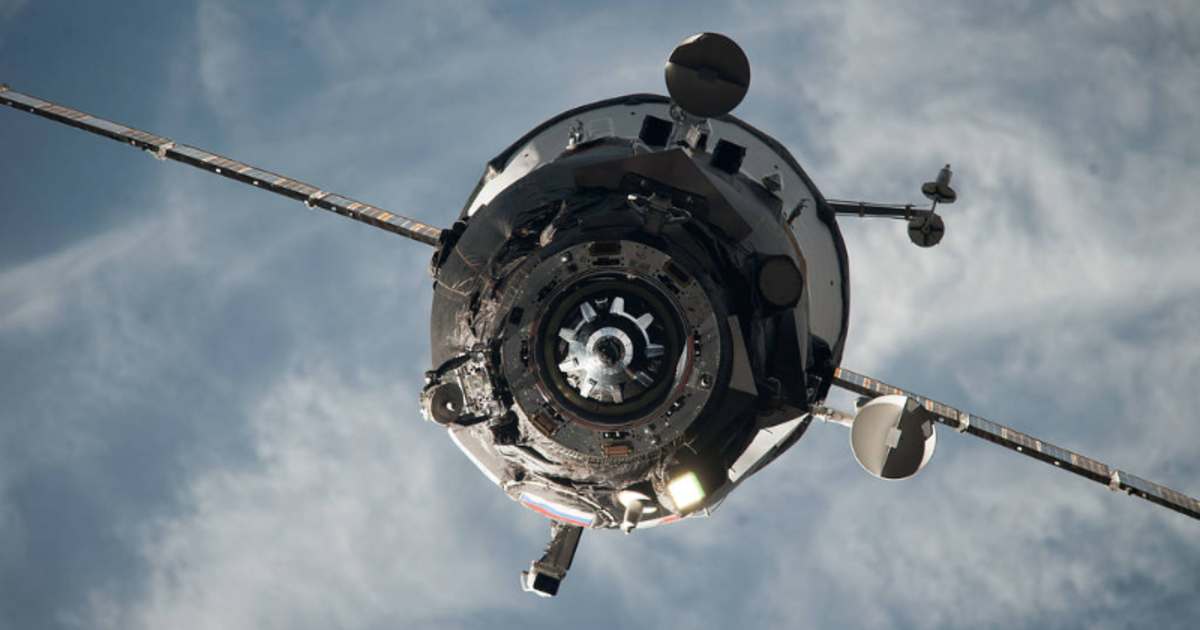
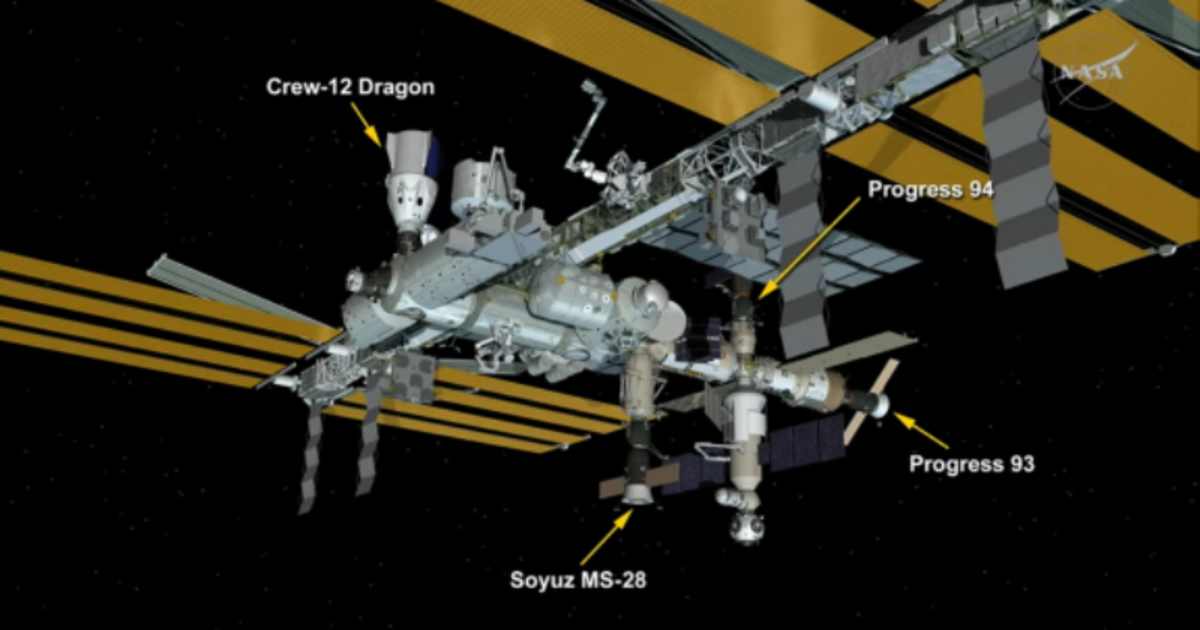
It goes without saying that this mission is vital for all seven of the Expedition 74 crew members. Progress is carrying 1,825 pounds of fuel, 1,365 pounds of food, 926 pounds of water, and 866 pounds of spare parts. The remaining cargo is composed of scientific equipment, oxygen, medical supplies, and hygiene equipment. It will become one of four visiting vehicles aboard the ISS, with Crew-12’s Dragon, Soyuz MS-28, and Progress 93. Progress 94 will undock with the orbiting habitat in about five months' time. As with Progress 93, it will be disposed of along with its trash as it burns up in the atmosphere during a controlled de-orbit. A Cygnus XL for Northrop Grumman’s CRS-24 mission is also set to launch for the station on April 8th with scientific experiments and more.
Progress 93 was vital for the arrival of its successor, as, similar to the cargo variant of Dragon, it can perform an orbital boost maneuver to help raise the ISS' orbit. This maneuver was needed for what NASA called “correct phasing” for the docking of Progress 94. A roughly 10-minute and 30-second burn on Friday, March 13th, raised the ISS' orbit to 266.2 miles at apogee and 257.7 miles at the perigee.
The crew aboard the ISS has had a busy week in preparation for these maneuvers. Moreover, NASA’s duo of Jessica Meir and Chris Williams also spent more than 7 hours spacewalking outside the station on March 18, 2026. This was so that the orbiting station can receive more power in the future, with the installation of a new roll-out solar array planned for future spacewalks.
More on Starlust
Blue Origin joins SpaceX in the orbital data center race, aims to launch over 50,000 satellites
NASA’s Artemis II SLS rocket reaches launch pad ahead of potential April launch