NASA to send supplies to ISS with Northrop Grumman CRS-24; CRS-23 to undock this week
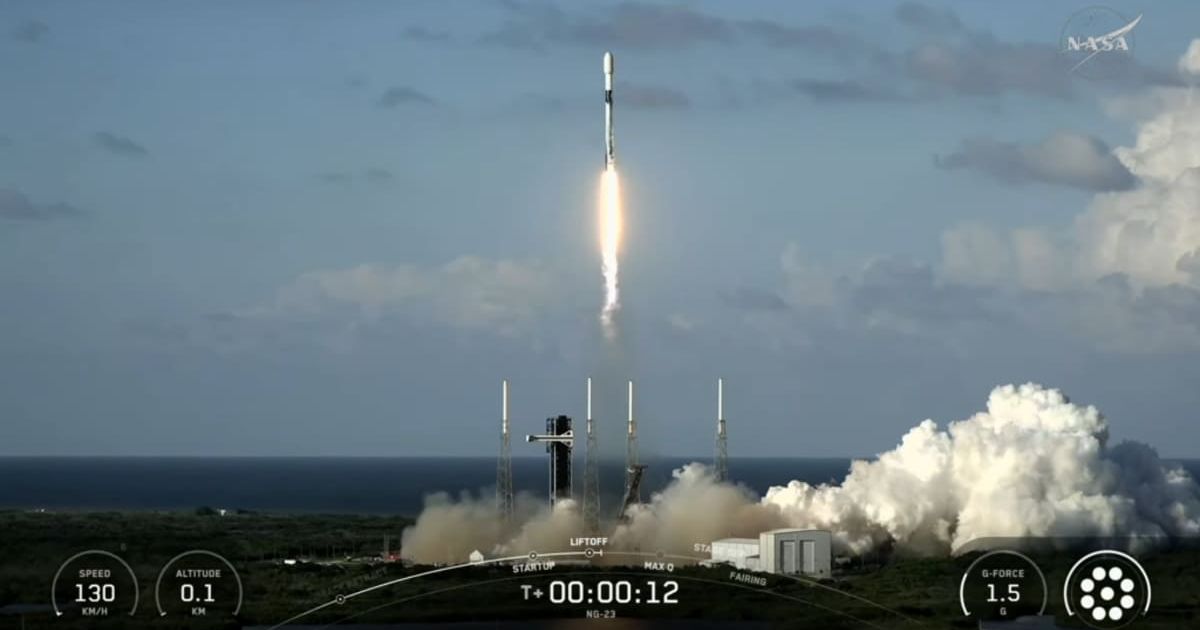
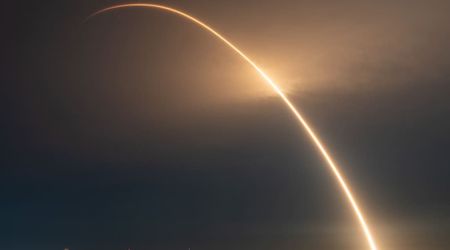
NASA is all set for the launch of Northrop Grumman’s 24th Commercial Resupply Services (CRS-24) mission to the International Space Station on April 8, 2026. According to the agency, the liftoff will take place with the aid of a SpaceX Falcon 9 rocket from Space Launch Complex 40 at Cape Canaveral Space Force Station in Florida. Once the prolific rocket helps deliver the Cygnus XL into low Earth orbit in the vicinity of the ISS, Expedition 74 members aboard the ISS will use its robotic arm, known as Canadarm2, to catch the spacecraft. They will then dock the XL to the Earth-facing port of the ISS's Unity module.
Besides its remit to deliver sustenance like food and other supplies to the crew of Expedition 74, the mission has additional purposes as well. These include the delivery of scientific equipment and research, plus a new module. This module will help advance quantum science that could improve computing technology. On the agenda of this module will also be the search for dark matter. Enhancements in space weather models will also be enabled by the delivery of a receiver, which in turn will provide protection to the infrastructure in space.
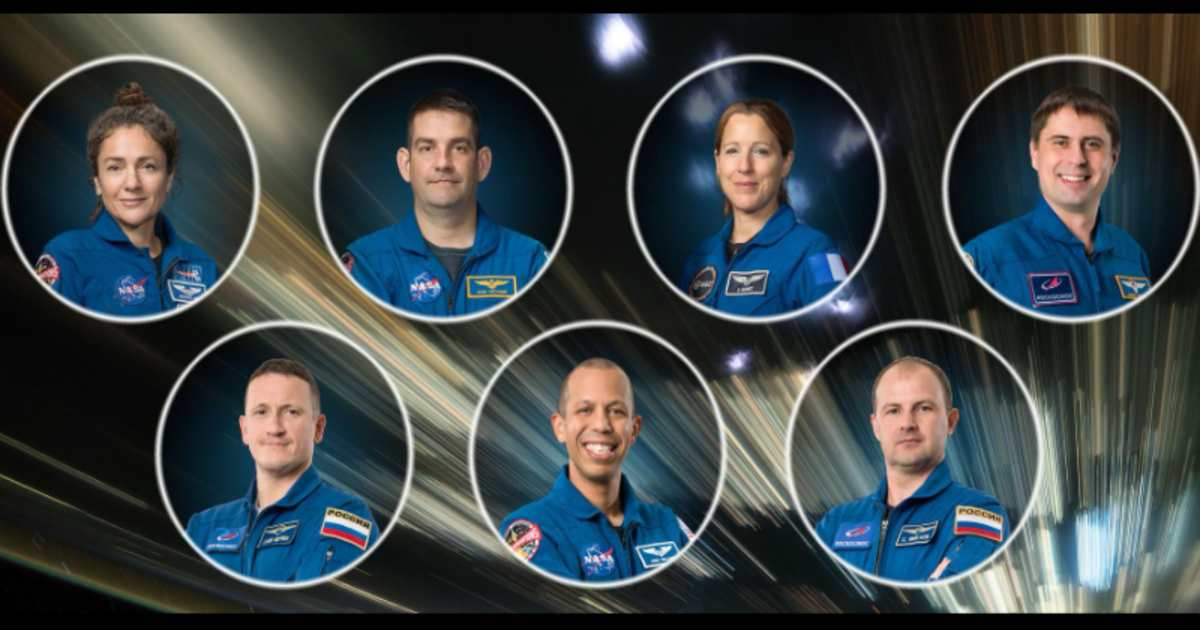
News of this resupply mission comes after the recent culmination of the SpaceX CRS-33 mission, which had carried over 5,000 pounds of supplies with it in August of last year. It departed the station on February 26, 2026. Much like SpaceX’s CRS, many of the experiments aboard Northrop Grumman’s CRS are centered on human health. This is apparent from the fact that model organisms are being carried to study the gut microbiome, along with hardware to produce increased numbers of stem cells therapeutic for cancer and blood diseases.
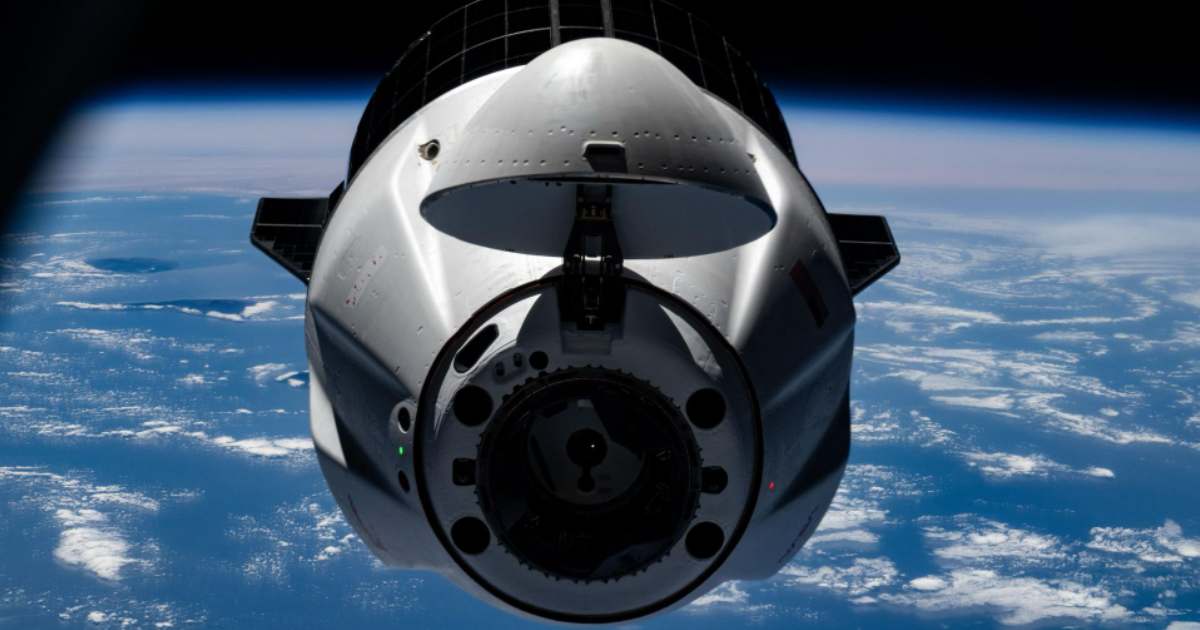
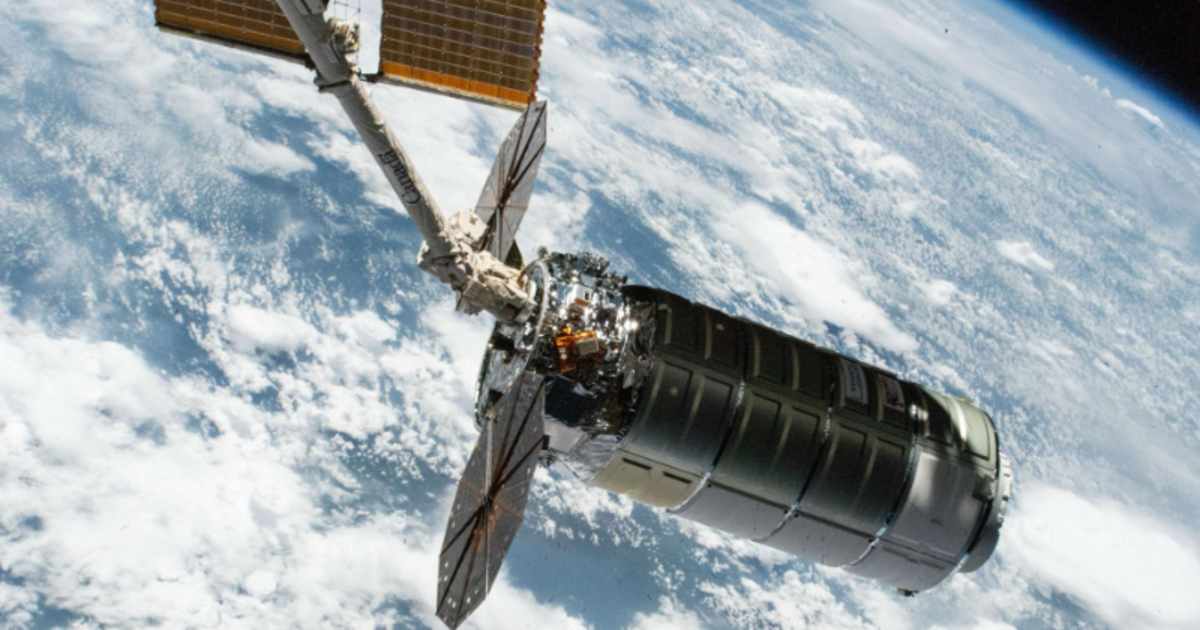
Before the arrival of Cygnus XL for CRS-24, the Cygnus spacecraft that had been assigned for the Northrop Grumman CRS-23 will leave the station. NASA confirmed that on Thursday, March 12, 2026, at 7 am EDT, the spacecraft will depart the orbiting lab and head for reentry. It will depart with thousands of pounds of trash and will burn up in the atmosphere in a controlled fashion. Just like where its successor will be attached, CRS-23’s Cygnus XL is currently docked to the Earth-facing port of the Unity module. From here, it will detach once flight controllers on Earth command it to do so, with ESA astronaut Sophie Adenot monitoring the departure from the ISS.
At the time of its launch on September 14, 2025, also with the aid of a Falcon 9 rocket, the Northrop Grumman CRS-23’s Cygnus XL was carrying a whopping 11,000 pounds of cargo. This included materials required for the production of semiconductor crystals and improved cryogenic fuel tanks. Biological experiments also formed a part of its cargo, such as special UV light systems to prevent microbe growth in water and potential treatments for cancer in the form of pharmaceutical crystals.
At 10:10am ET (1410 UTC), the Cygnus XL spacecraft was successfully installed to the @Space_Station, bringing more than 11,000 pounds of supplies to the orbital lab. pic.twitter.com/JUjrpuGONN
— NASA (@NASA) September 18, 2025
At the moment, NASA has yet to provide an update about the time of launch for Northrop Grumman’s CRS-24. As for the CRS-23 mission, the agency will begin live coverage of the undocking and departure at 6:45 am EDT on NASA+, Amazon Prime, and its YouTube channel.
More on Starlust
Vast secures funding of $500 million to speed up building its 'Haven' private space stations
Female astronauts at risk of developing stronger blood clots, finds new study