NASA and Vast sign an order to give the company the sixth private astronaut mission to the ISS
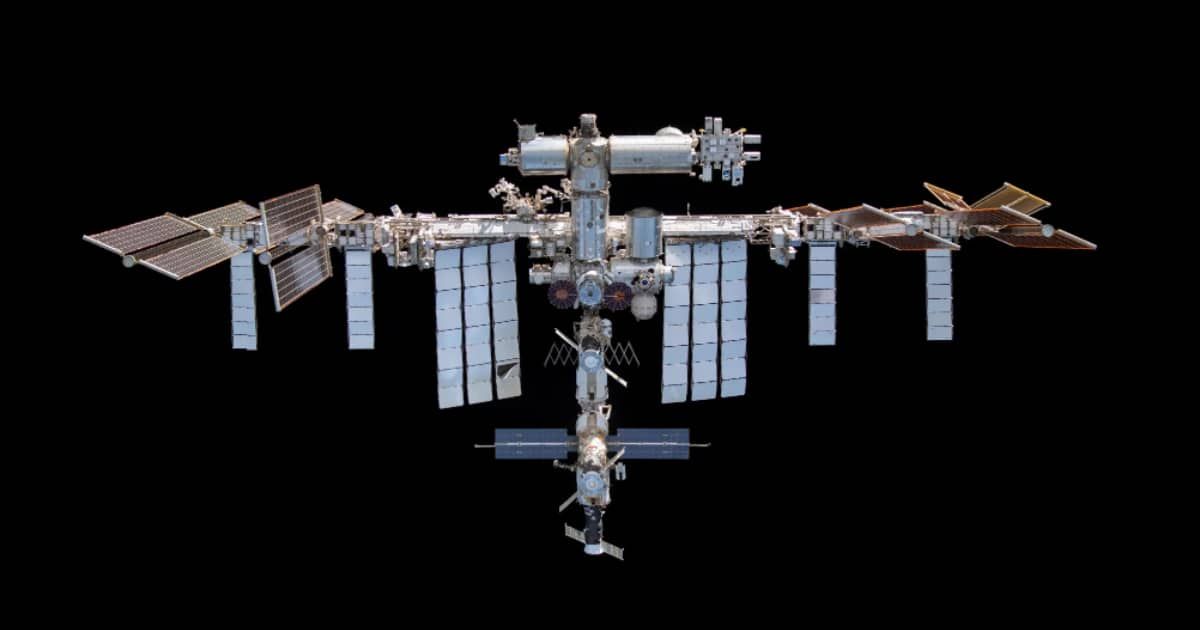
NASA and Vast have signed an order for the sixth private astronaut mission to the International Space Station, targeted to launch no earlier than the summer of 2027 from Florida. This marks the company’s first selection to the orbiting laboratory and the first besides Axiom to be awarded a private astronaut mission (PAM). This falls in line with NASA’s ongoing investment in fostering a commercial space economy and expanding opportunities for companies in low Earth orbit.
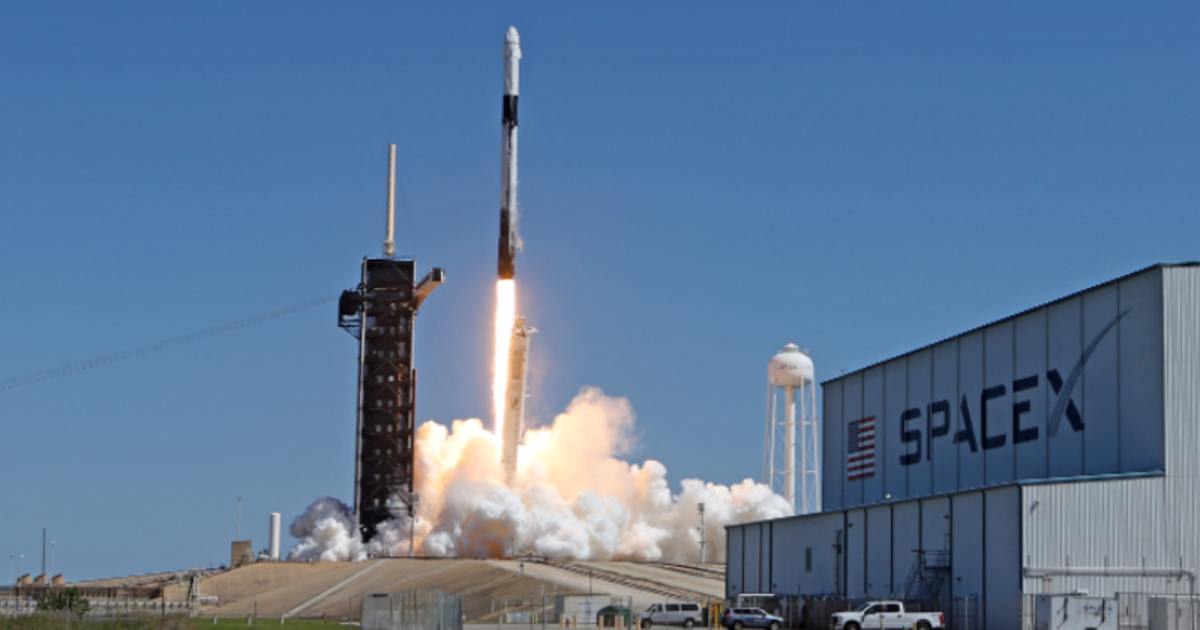
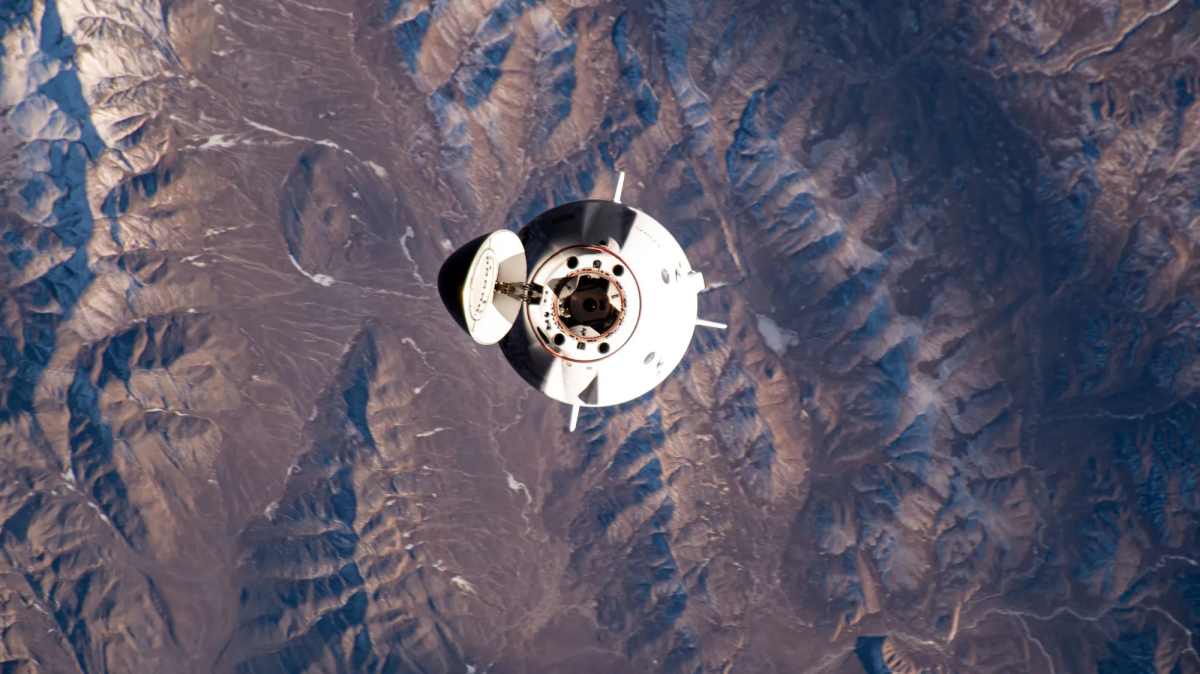
“Private astronaut missions represent more than access to the International Space Station—they create opportunities for new ideas, companies, and capabilities that further enhance American leadership in low Earth orbit and open doors for what’s next,” said NASA Administrator Jared Isaacman in a statement released by NASA on February 12, 2026. The mission is expected to spend up to 14 days aboard the space station, with Vast having contracted SpaceX to launch the crew on a Falcon 9 rocket inside a Dragon capsule.

Vast will submit four proposed crew members to NASA and its international partners for review. Once approved, they will train with NASA, SpaceX, and other international or commercial partners for their flight. The order features an arrangement where the Long Beach, California-based company will purchase mission services from NASA, including crew consumables, cargo delivery, storage, and other resources. In return, NASA will use Vast’s capacity to bring scientific samples that are to be kept cold on their way back to Earth.
“The International Space Station plays an essential role in shaping the future of low Earth orbit,” said Dana Weigel, manager of the International Space Station Program at NASA Johnson Space Center in Houston. Adding on about the incentives of PAMs, she said, “By hosting private astronaut missions, the station helps accelerate innovation, opens new commercial pathways, and advances research, strengthening the foundation of a thriving space economy.” Vast were chosen after proposals to NASA were given after the agency’s March 2025 research announcement.
Vast has been selected by @NASASpaceOps for the sixth private astronaut mission to the International Space Station. Launching no earlier than summer 2027, the commercial crew will spend up to 14 days aboard the station. https://t.co/ZSm3WcwgnZ pic.twitter.com/TEFnnqMGoP
— Vast (@vast) February 12, 2026
“Vast is honored to have been selected by NASA for the sixth private astronaut mission to the International Space Station. Leveraging the remaining life of the space station with science and research-led commercial crewed missions is a critical part of the transition to commercial space stations and fully unlocking the orbital economy," said Max Haot, CEO of Vast. This mission builds upon the successes of four prior PAMs, all by Axiom Space. Ax-1, launched in 2022 for a mission that lasted 17 days, was followed by Ax-2 in 2023, Ax-3 in 2024, and Ax-4 in 2025, which returned after 18 days aboard ISS. Axiom’s fifth mission, Ax-5, is slated for dates no earlier than January 2027, making Vast’s the sixth private mission in the same summer.

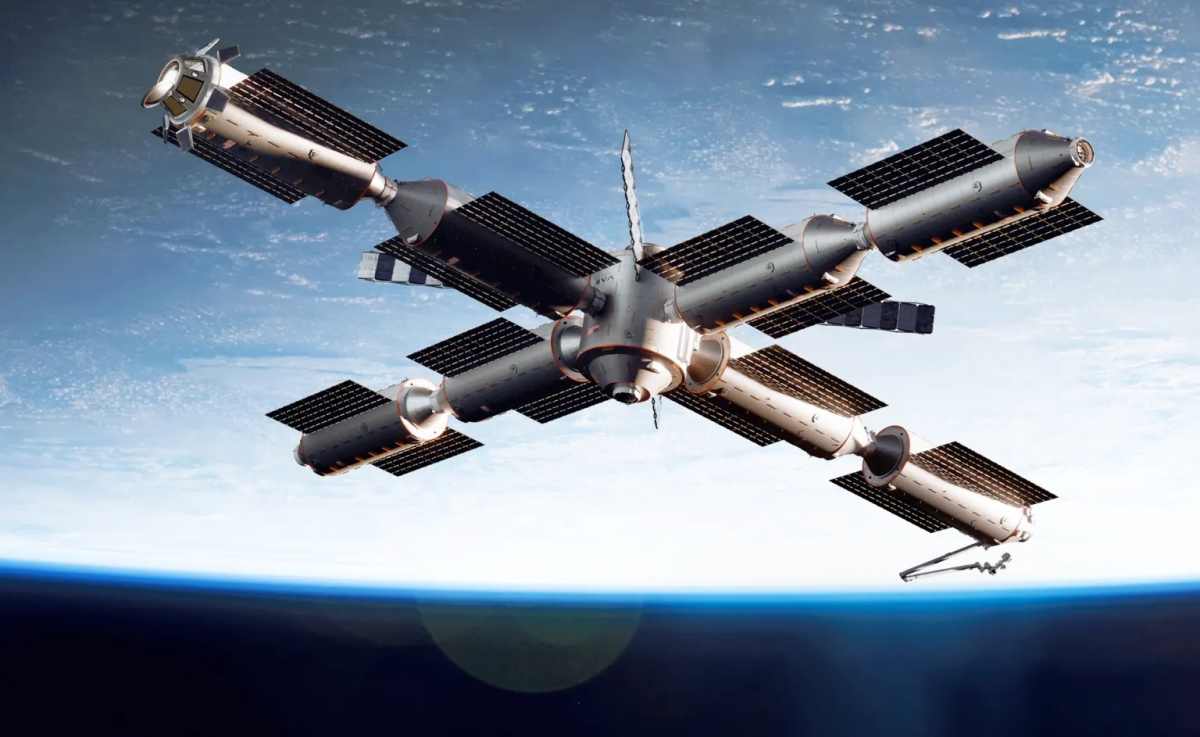
Through the mission, Vast intends to gain insights into the infrastructure and processes necessary for the company to accomplish its own spaceflight missions. In addition to supporting a deeper collaboration with NASA and other space agencies, this could be a huge step for Vast to emerge as a strong candidate to position its proposed Haven-2 as the successor to the International Space Station after it retires.
It is important to note that missions aboard the International Space Station, including PAMs, are all designed to advance the scientific knowledge of humanity and be a testbed for new technologies in the unique environment of space and microgravity. Vast's mission will focus on areas like biology, biotechnology, physical sciences, human research, and technology demonstrations. The company, in fact, had called for research proposals last year in anticipation of its trip to the ISS.
More on Starlust
NASA's Artemis II and Crew-12 astronauts will be first to carry latest smartphones to space
NASA astronaut photographs Artemis II SLS rocket from International Space Station