NASA's Juno mission shows Jupiter may be smaller and flatter than previously thought
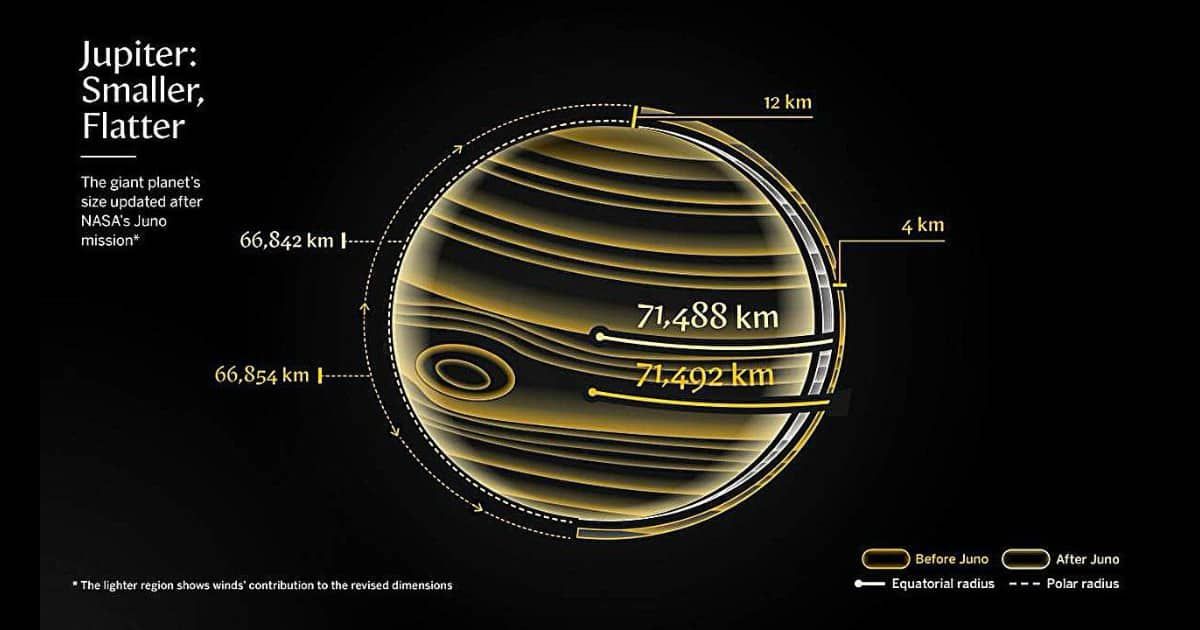
Our knowledge about Jupiter is still evolving. It is narrower at the equator and flatter at the poles, as per new research led by a team of planetary scientists at the Weizmann Institute of Science (WIS). The study, published in Nature Astronomy in February 2026, estimates that Jupiter's polar and equatorial radii are smaller than previous estimates by 12 kilometers and 4 kilometers, respectively. The mean radius of the giant planet has also reduced by 8 kilometers than previous estimates, states the study. “This work provides the most precise measurement of Jupiter’s size and shape to date, reducing the uncertainty to ~0.4 km using Juno radio-occultation data,” lead researcher and co-author Yohai Kaspi at the WIS told the Starlust team in an exclusive interview. “The improved determination of Jupiter’s radius is important because the planet’s shape is a key parameter used in models of its internal structure and atmospheric dynamics.”
Jupiter is the fastest-rotating planet with an equatorial bulge. This causes its equatorial radius to exceed that of the poles. In the 1970s, Voyager and Pioneer spacecraft flew by this giant planet, capturing its images and performing radio occultation (RO) experiments. Radio occultations are done by sending radio signals that pass through Jupiter’s atmosphere. The radio beam is then bent and delayed. This eventually changes the frequency of the signals. By measuring the change in signals’ frequency, it is possible to calculate the temperature, pressure and electron density of the planet at different depths. This also helped researchers determine the planet’s shape.
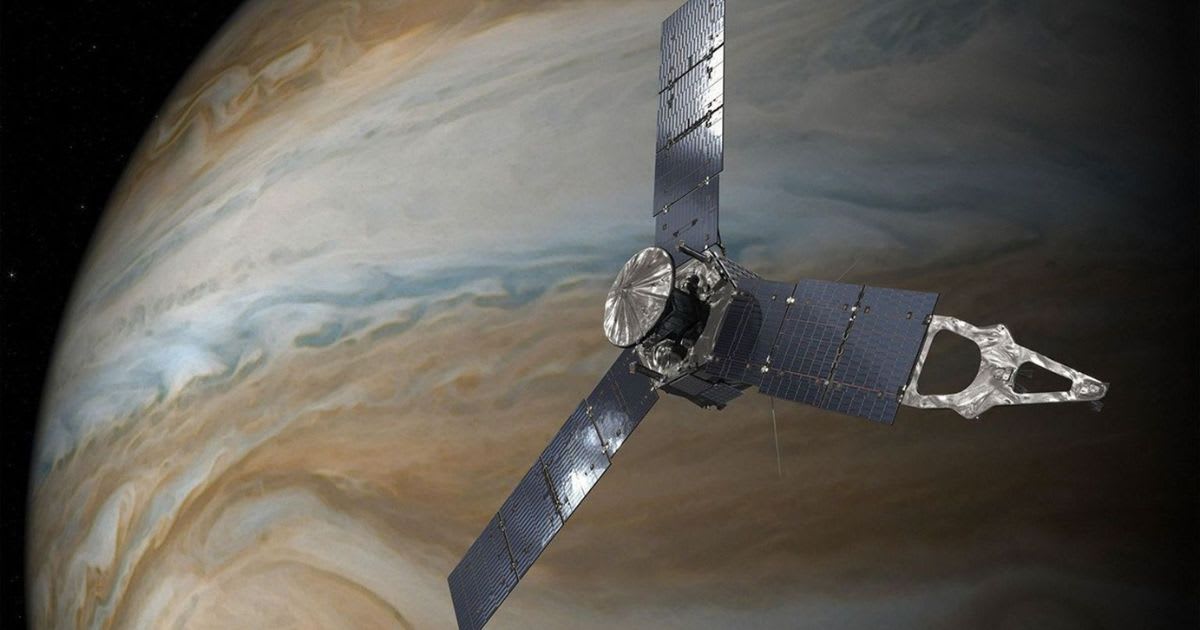
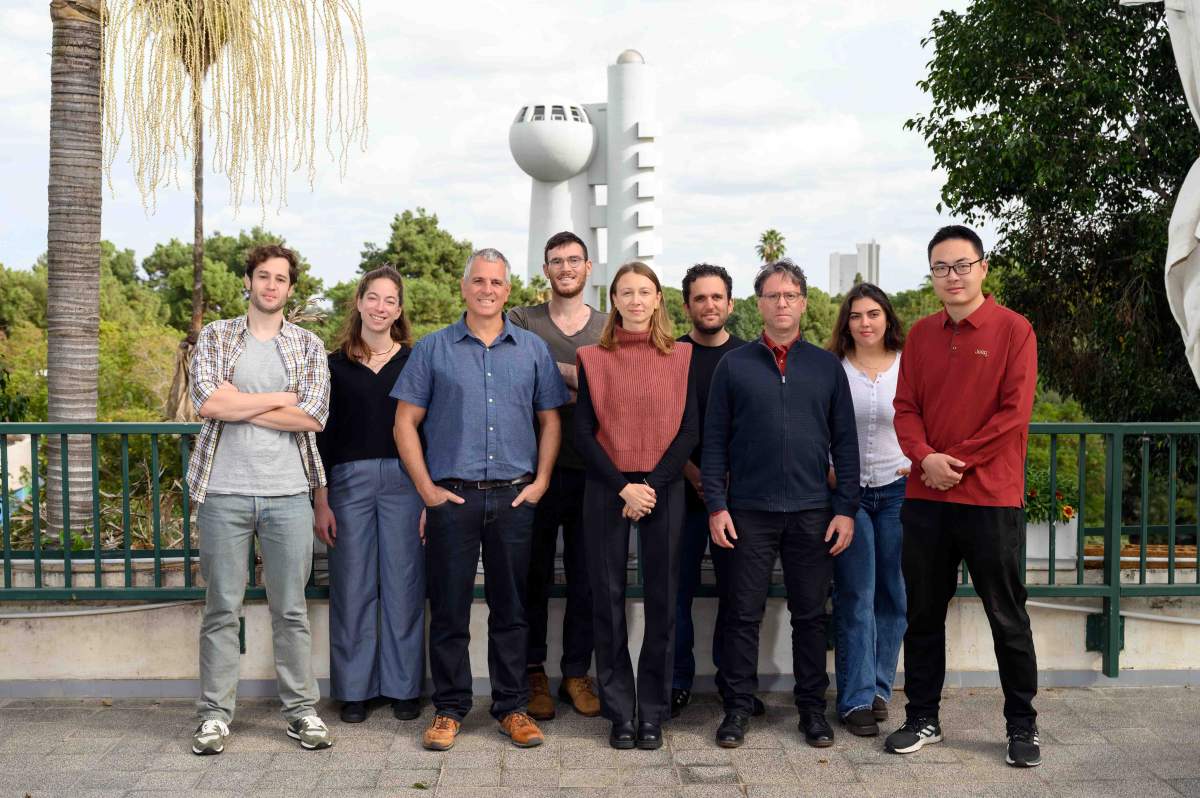
Analysis of the Voyager and Pioneer missions’ RO data revealed that Jupiter has an equatorial radius of 71,492 kilometers, a polar radius of 66,854 kilometers and a mean radius of 69,894 kilometers. However, this analysis has two drawbacks. It didn’t consider wind-induced shape variation, and it was based on a small number of RO profiles. This led to large errors in the estimation of Jupiter’s shape. The team, led by Dr. Eli Galanti at the WIS and included researchers from the US, Switzerland, Italy and France, and all part of NASA's Juno Science Team, relied on the 26 RO data measured by Juno over the past 18 months. It is a solar-powered probe that has been exploring the gas giant’s origin, interior structure, magnetic field, and atmosphere since 2016.
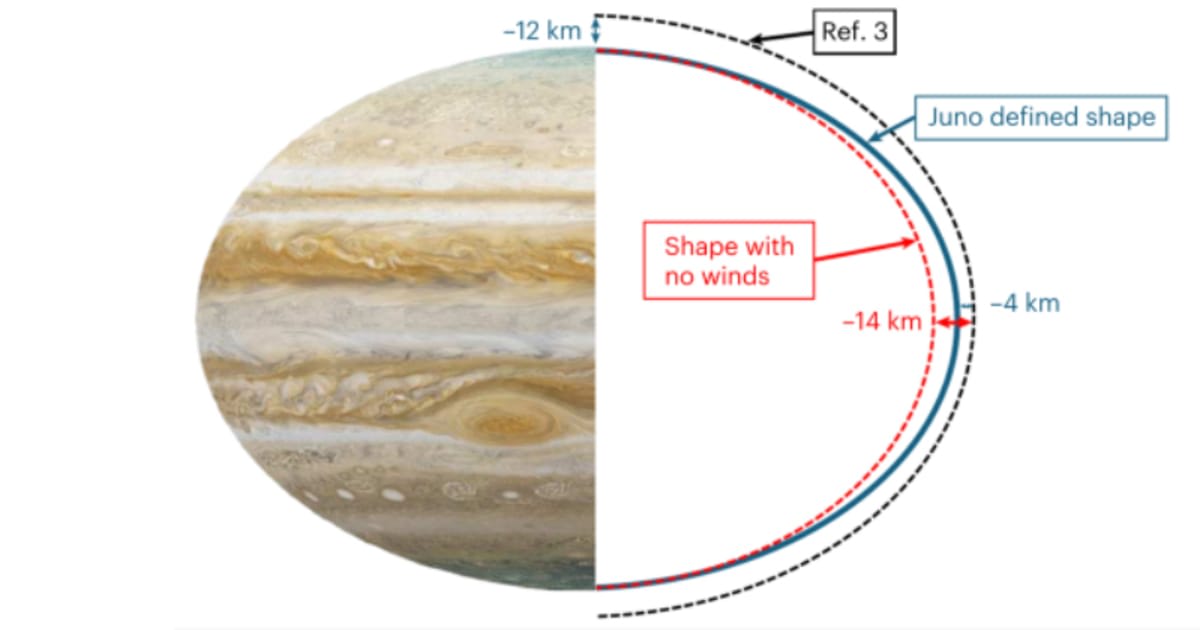
Incorporating zonal winds' influence in their calculations, the team found that at 1 bar atmospheric pressure Jupiter’s polar radius is 66,842 kilometers and the equatorial one is 71,488 kilometers. The revised mean radius is 69,886 kilometers. These estimates are smaller than the ones based on the RO data of Voyagers and Pioneers. Since Jupiter is a gaseous planet, it has no solid surface that can serve as a reference level and “the zonal winds, which blow in the east-west direction, penetrate about 3,000 km beneath the 1bar level and the winds affect the shape throughout this depth,” said Kaspi. “There are no east-west winds at the poles, and thus there is no effect of the winds on the planetary shape at the pole itself,” he added. “In general, the winds closer to the equator are stronger than in the high latitudes, and thus the effect on shape is bigger.”
The researchers say that the revised shape will also help them to model the planet’s interiors more accurately. A smaller equatorial radius means that the planet may have colder and metal-rich outer envelopes. They think that Jupiter serves as a calibration standard for gas giants within the solar system and beyond. Probably the gas giant has more secrets. “In the future JUICE RO measurements (2031-2034) might be able to go deeper, perhaps down to 1.5 bar, giving us accurate temperature profiles down to these depths,” Kaspi noted. “But as we now have an accuracy of 0.4km, I don’t expect any significant changes to the shape of the planet.”
More on Starlust
NASA's Juno finds that Jupiter isn't as big as previously thought
Auroras on Jupiter's moon Ganymede are not too different from those on Earth