NASA's Juno data reveals Jupiter's lightning is more Earth-like than we thought—with a ‘stealth’ twist
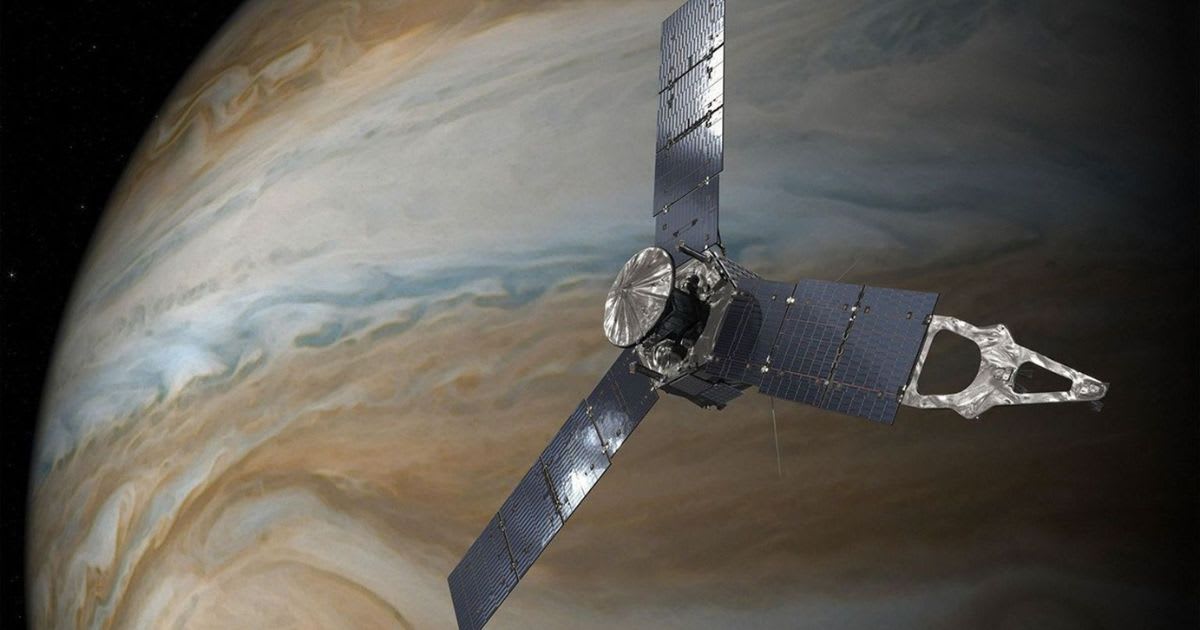
Microwave radiometer on NASA’s Juno spacecraft has detected gigantic storms on Jupiter. Some of these storms, lasting for centuries, unleash terrific bolts of lightning, designated as ‘superbolts’ and some of them are 100 times stronger than those on Earth, according to a study by a team at the University of California, Berkeley. Their findings, which also depict ‘stealth’ superstorms, have been published in the journal AGU Advances. Since 2016, Juno has been constantly scanning the gas giant’s atmosphere and has been able to detect radio emissions that emanate from lightning akin to those on Earth. “Studying storms on other planets sheds light on storms on our planet, which are still not completely understood,” said lead author Michael H. Wong, a planetary scientist at UC Berkeley’s Space Sciences Lab, in a statement.
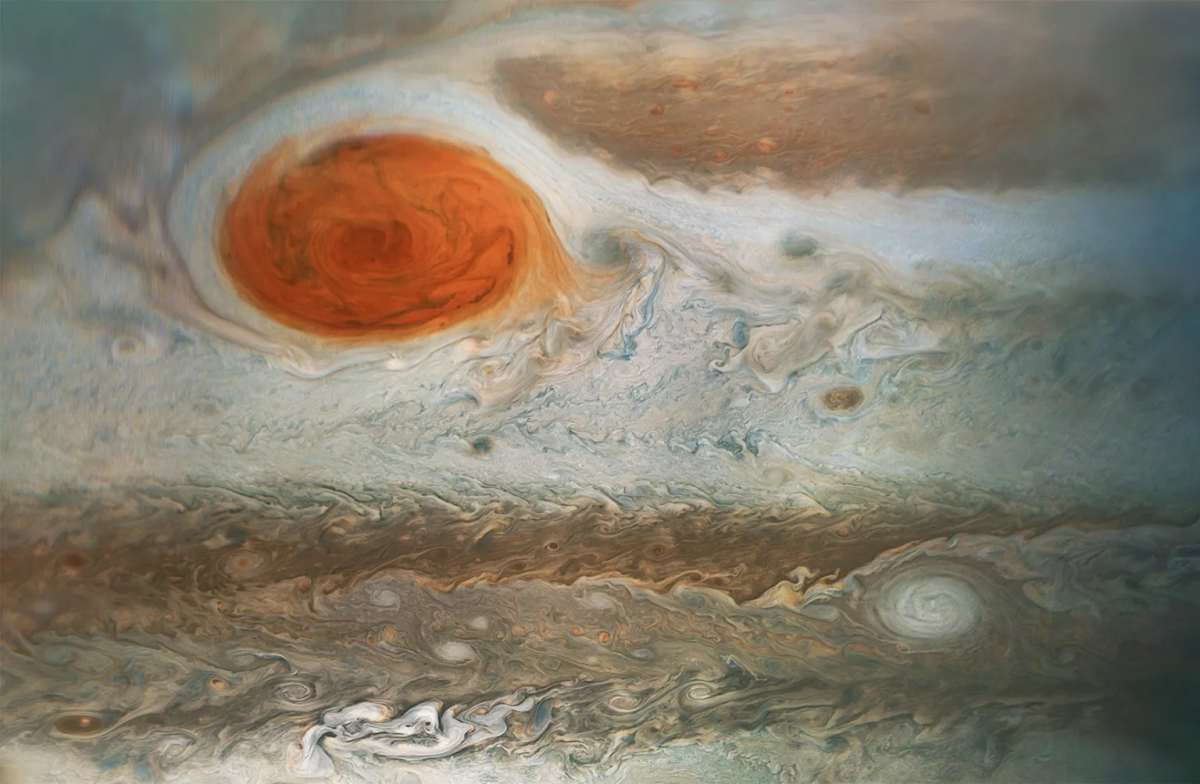
“There’s so much we don’t know about lightning on Earth,” he said, noting that “scientists over the last decade have discovered several new types of ‘transient luminous events’ associated with thunderstorms on Earth.” High energy is needed to lift heavy, moist air on Jupiter. This means storms here have a lot more energy. When they reach the upper atmosphere, they release that energy, causing high wind speeds and cloud-to-cloud lightning. Previous spacecraft that flew by the giant planet detected lightning because the flashes snaked through the atmosphere on the night side of the planet. These are super-powerful dark-side flashes.
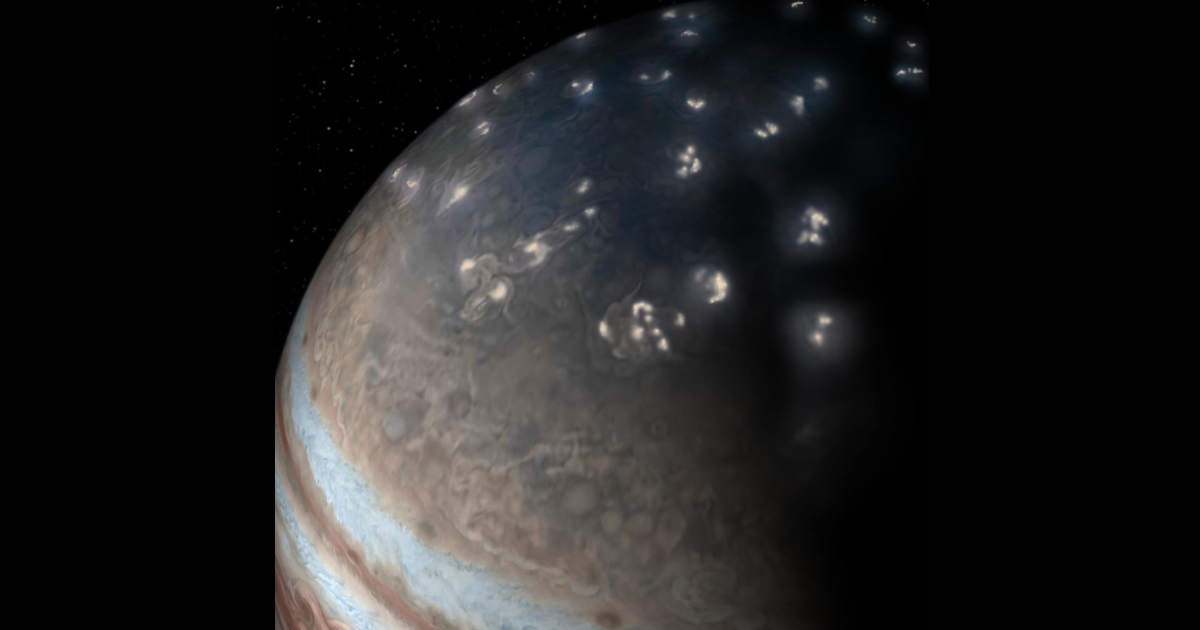
But the arrival of Juno changed the scenario. Its star-tracking camera unveiled something more sinister. In addition to powerful ones, Juno detected numerous weaker, Earth-like flashes. “The problem with night-side imaging in general is that clouds can block the view of lightning flashes and make their true optical power difficult to pin down,” Wong said. The microwave radiometer on Juno allowed it to peer through obscuring clouds of Jupiter. Not designed to detect lightning, the instrument was able to detect microwave emissions from storms nearby. But storms on Jupiter often occur globally, making it difficult to link a specific storm to associated lightning.
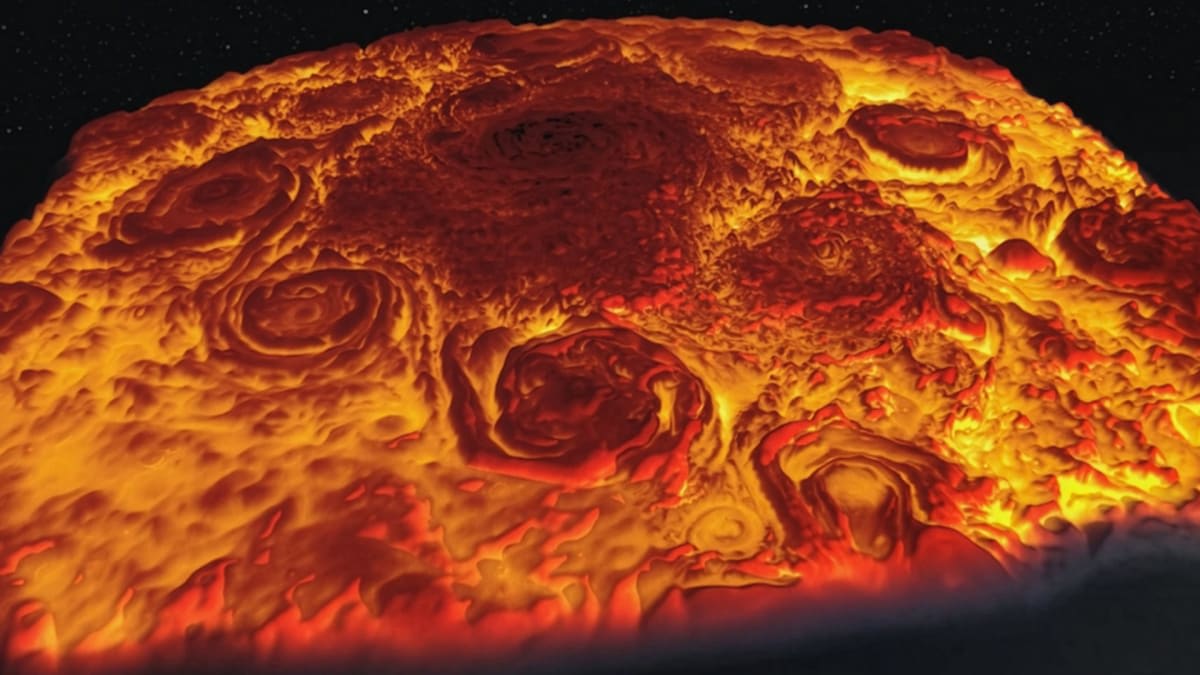
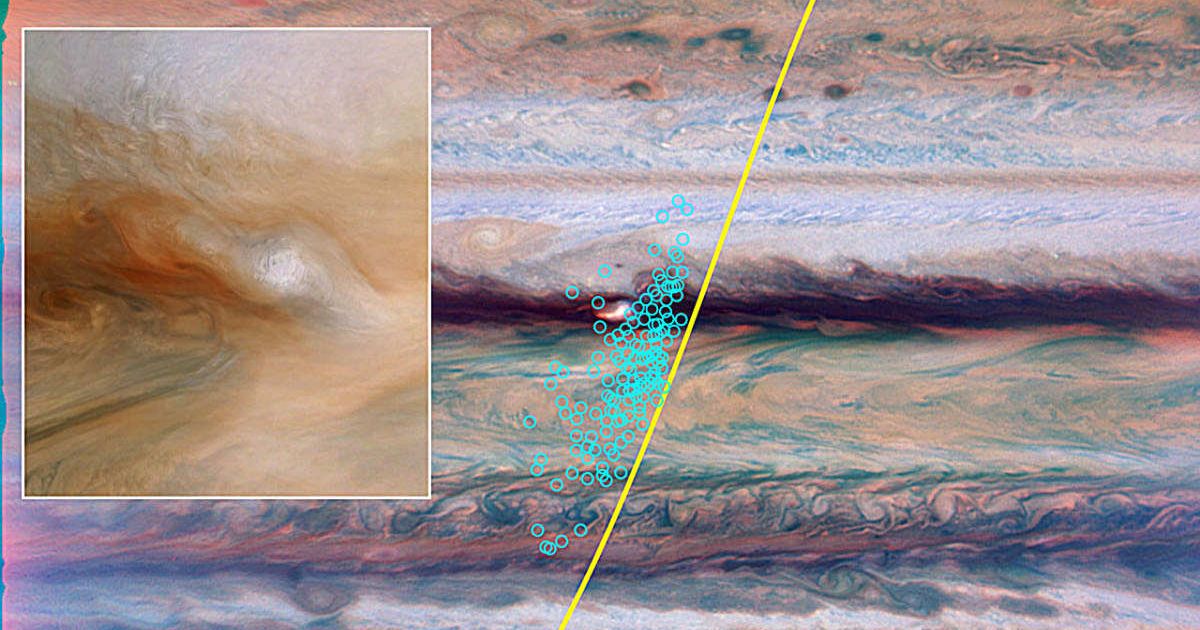
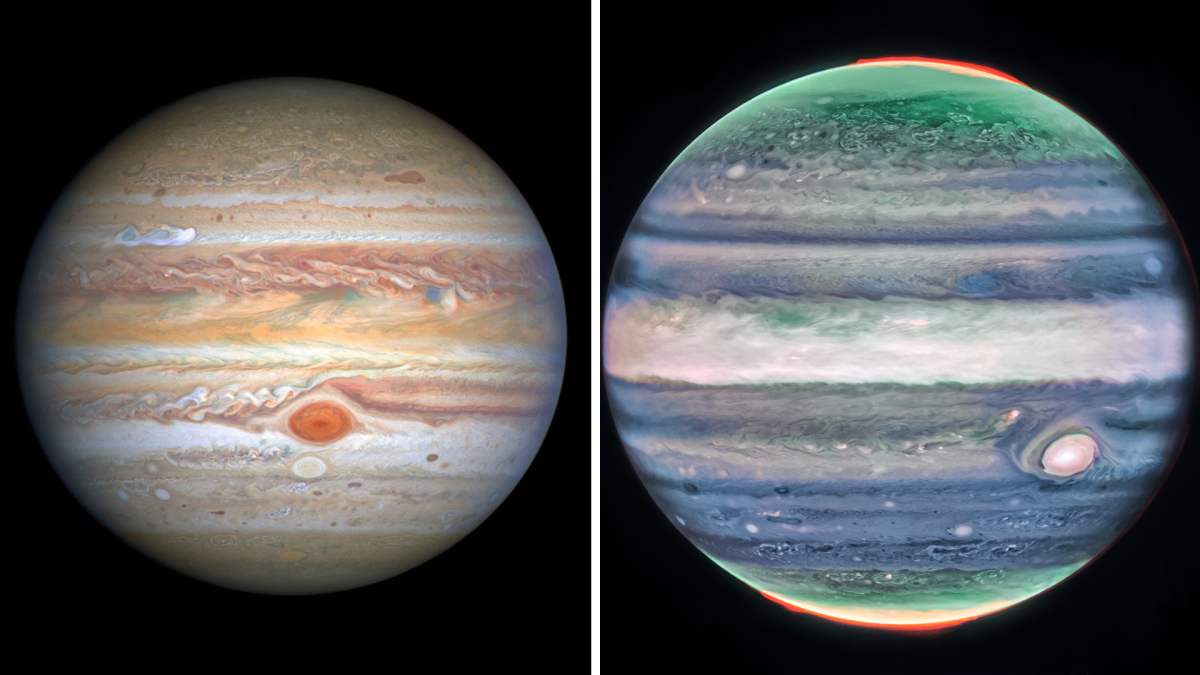
But opportunity came in 2021 and 2022 when Wong and his peers found that there was a lull in storms in the North Equatorial Belt. This allowed them to home in on a single storm. Besides Juno’s camera, they took the help of the Hubble Space Telescope's sharp vision. They were able to detect ‘stealth’ superstorms. Persisting for months, such storms changed the cloud structure globally and reached modest heights. “Because we had a precise location, we were able to just say, ‘Okay, we know where it is. We’re directly measuring the power',” Wong noted. Meanwhile, Juno made 12 passes, recording isolated storms. The spacecraft was close enough to four of them to measure microwave signals from lightning. On average, three flashes occurred per second during these passes. On one flyby, Juno detected 206 separate pulses of microwave radiation.
“Of a total of 613 pulses measured, Wong calculated that the power ranged from about that of a lightning bolt on Earth to 100 or more times the power of an Earth bolt,” according to the statement. “Based on one study of lightning radio emissions on Earth, Jupiter’s bolts could have been a million times more powerful than those on Earth.” “Translating microwave power in a lightning bolt into total power is not straightforward,” noted co-author Ivana Kolmašová, a space physicist at Charles University in Prague, Czechia, and a member of the Czech Academy of Sciences in the statement.
Lightning is a power-packed showdown. It not only emits radio signals and visible light, but gives off thermal, acoustic and chemical energy. On Earth, a single bolt has enough energy to power 200 average homes for an hour. Wong estimates “that the energy in a Jupiter bolt ranges up to 500 and perhaps as much as 10,000 times that of an Earth bolt.” Even lengthwise, Jupiter's storms dwarf those on Earth. On this giant planet, storms are 100 kilometers compared to 10 kilometers on Earth. “While more powerful lightning implies higher voltages between clouds, the details of how they’re generated on Jupiter versus Earth remain a mystery,” Wong said.
More on Starlust
NASA's Juno mission shows Jupiter may be smaller and flatter than previously thought