NASA’s Artemis II rocket and spacecraft reach launch pad as lift-off window inches closer
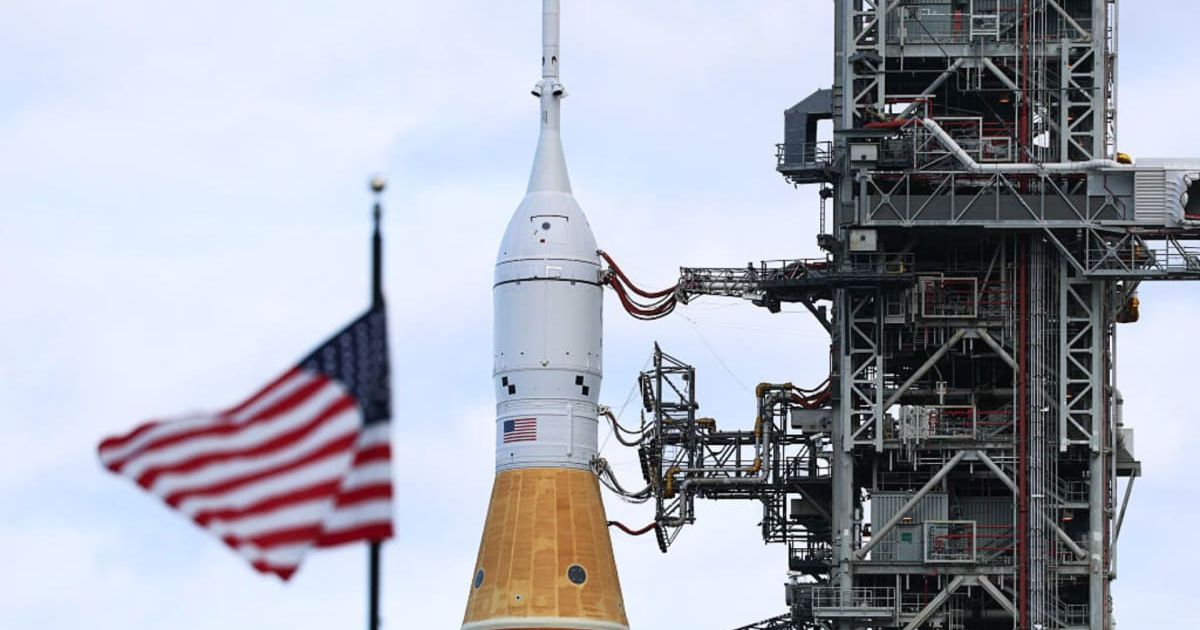
NASA's preparations for the Artemis II mission hit a fresh milestone as the SLS (Space Launch System) rocket and Orion spacecraft were successfully rolled out to the launchpad. An almost 12-hour journey from the Vehicle Assembly Building (VAB) at the agency’s Kennedy Space Center in Florida brought the craft to Launch Pad 39B at 6:42 p.m. EST on Saturday, January 17, 2026. According to NASA, the crawler-transporter 2 embarked on a four-mile trek at 7:04 a.m. EST, carrying the integrated SLS and Orion.
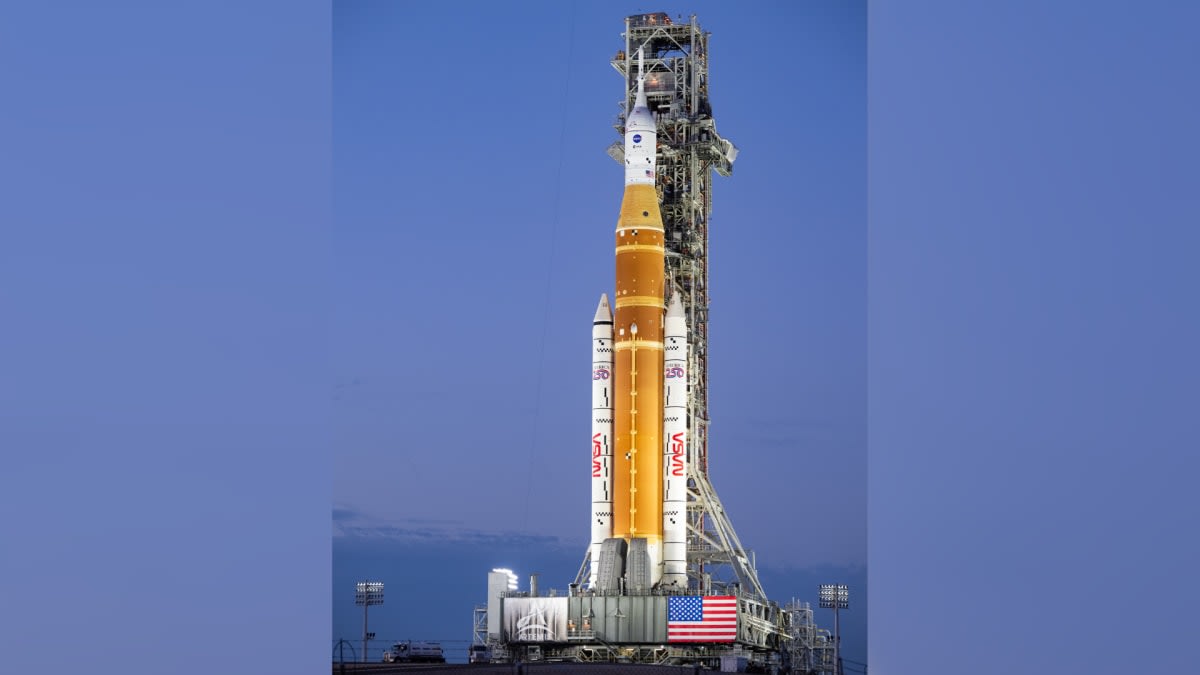
The crawler carried the Moon-bound rocket and spacecraft slowly towards the pad at a maximum speed of just 0.82 miles per hour. The rocket made a scheduled pause outside the VAB’s high-bay doors for the teams to reposition the crew access arm. This is a bridge that gives access to Orion for astronauts and a closeout crew on launch day. Engineers and technicians are set to prepare the Artemis II rocket for the wet dress rehearsal, a series of fueling operations and countdown procedures targeted for no later than February 2, 2026. This will see the team both load the rocket with cryogenic propellants and drain them from it.
🚀 Our moonbound Artemis II rocket is on its launch pad!
— NASA (@NASA) January 18, 2026
The Space Launch System rocket and Orion spacecraft rolled out from @NASAKennedy’s Vehicle Assembly Building, reaching Launch Pad 39B at 6:42pm ET (2342 UTC). Read more: https://t.co/NdRCRBfQGA pic.twitter.com/1oATLb7sTD
To ensure that the vehicle is completely checked and is ready for flight, teams might conduct additional wet dress rehearsals. NASA might also roll back SLS and Orion to the Vehicle Assembly Building for extra work after the wet dress rehearsal and ahead of launch. The 11-million-pound and 322-foot-tall launch system was carried vertically to the pad.
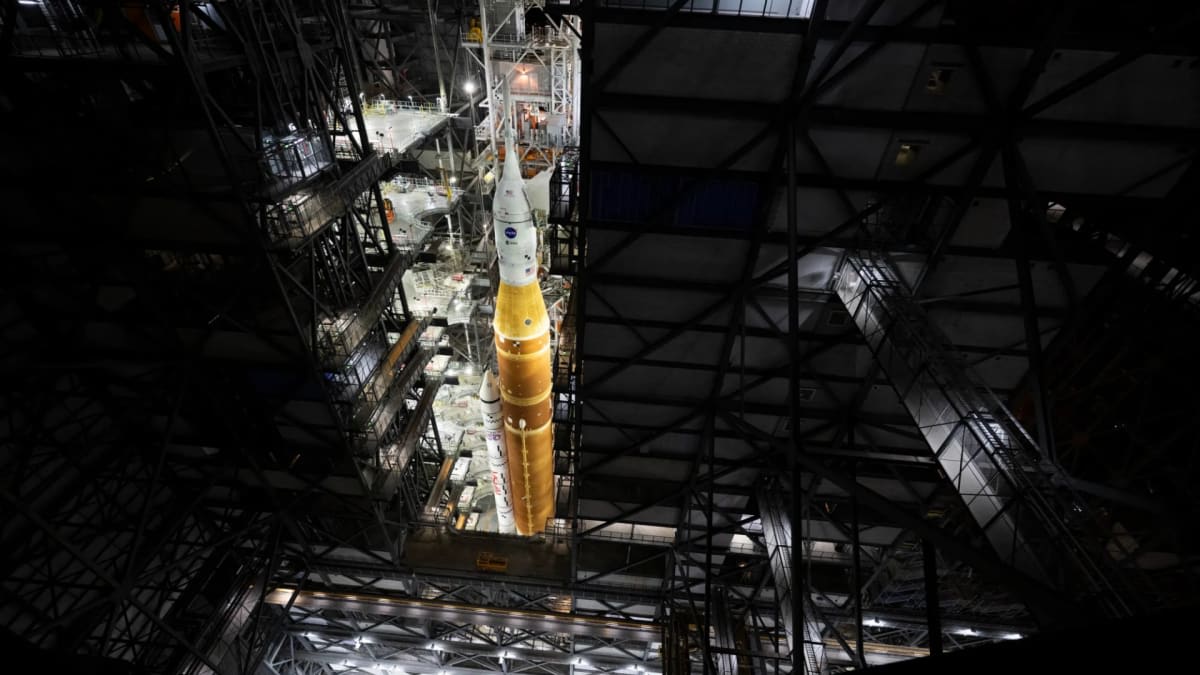
The Artemis team had to make sure that the weather was just right before they decided to roll out the rocket and the spacecraft. It could not be done if the lightning forecast was greater than 10% within 20 nautical miles of the launch area, according to NASA. A greater than 5% chance of hail forecast or chances of winds of speeds greater than 40 knots would have also delayed the rollout. Moreover, the temperature of the launch area also had to be between 40 and 95 degrees Fahrenheit for the rollout to be greenlit.
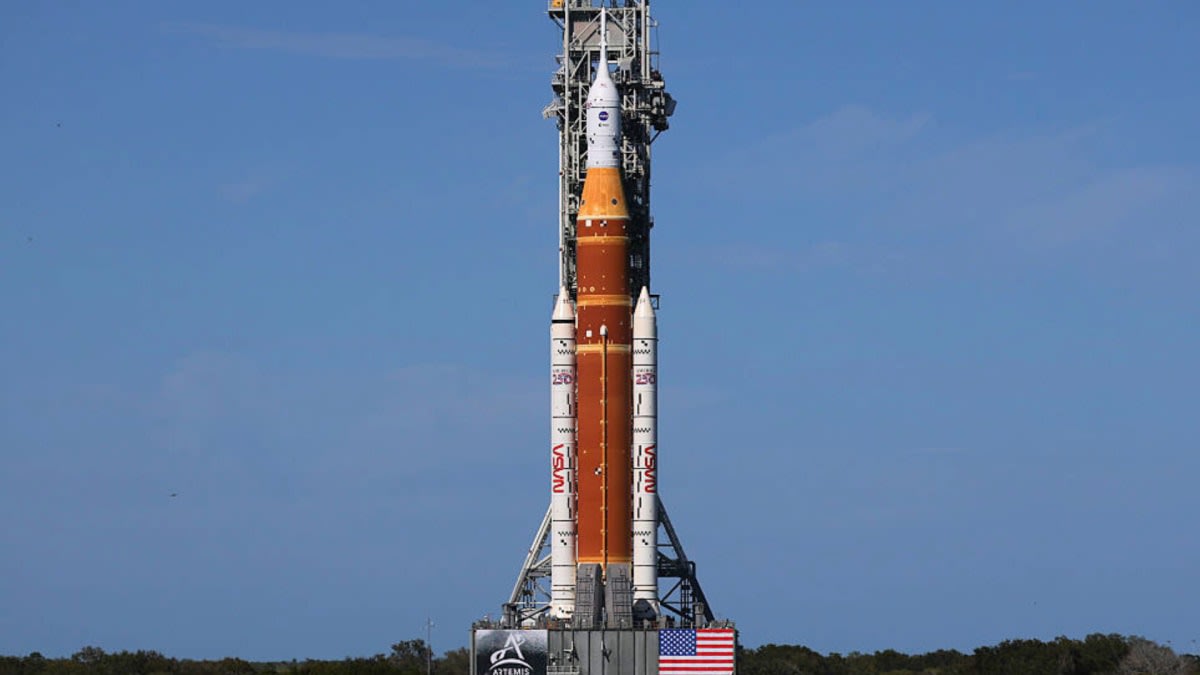
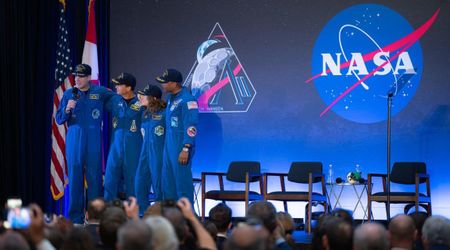
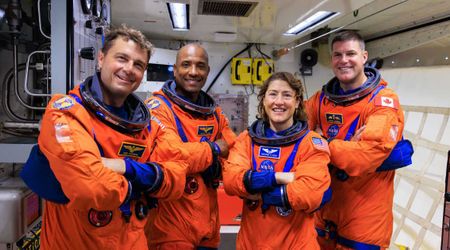
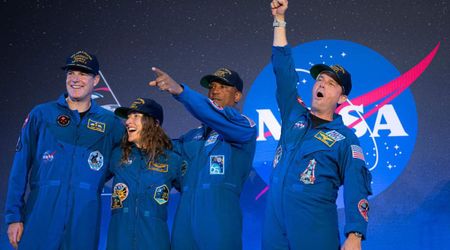
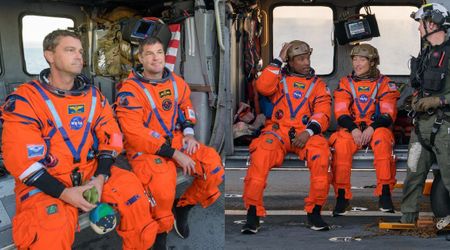
The Artemis II test flight crew comprises NASA astronauts Reid Wiseman, Victor Glover, and Christina Koch, as well as CSA (Canadian Space Agency) astronaut Jeremy Hansen, on an approximately 10-day journey around the Moon and back. They will not touch down on the lunar surface. Instead, they will be checking if the rocket and the spacecraft are safe for deep space travel by testing life support, navigation, and communication systems. This is an important step towards U.S.-crewed missions to the Moon’s surface that are expected to lead to a sustained presence there. This will also be the first step to sending the first astronauts to Mars. The launch window for the Artemis II mission around the Moon opens as early as Friday, February 6, 2026.
More on Starlust
NASA one step closer to launching Artemis II—the first manned lunar mission in over 50 years
NASA's Artemis II Orion spacecraft advances in launch preparations at Kennedy Space Center