Mercury is not a 'dead planet': Bright streaks on the planet indicate activity
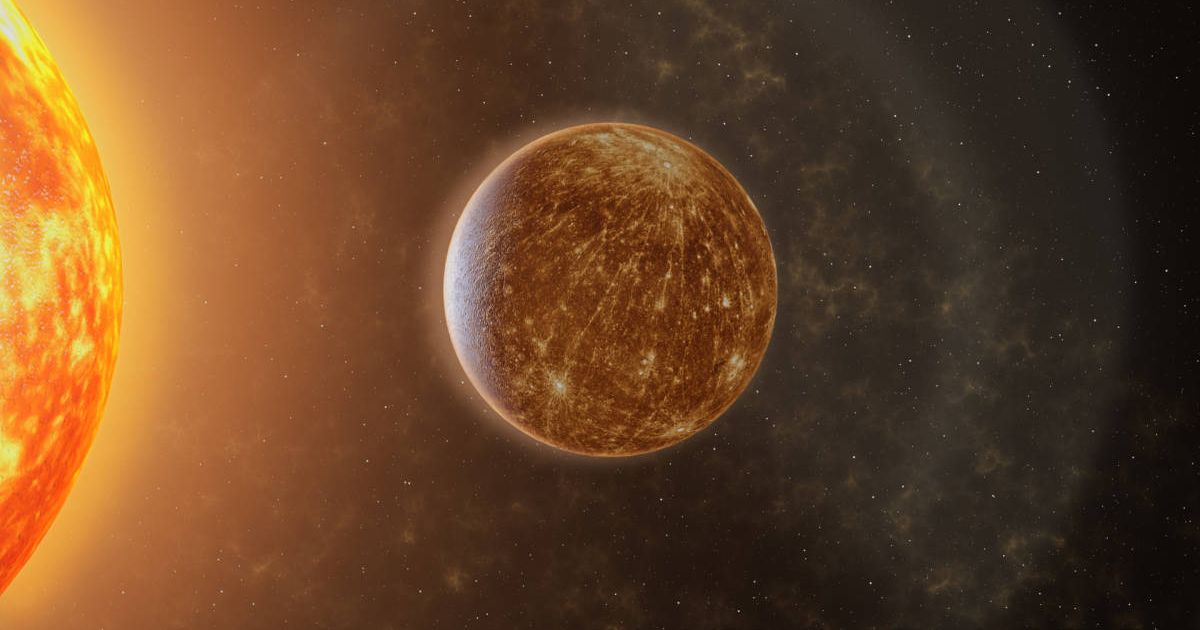
The discovery of several bright streaks, or "lineae," on Mercury indicates that the planet is active and alive. The study, published in Nature Communications Earth & Environment, was carried out by Dr. Valentin Bickel from the Center for Space and Habitability at the University of Bern and from the NCCR PlanetS, along with researchers from the Astronomical Observatory of Padua (INAF).
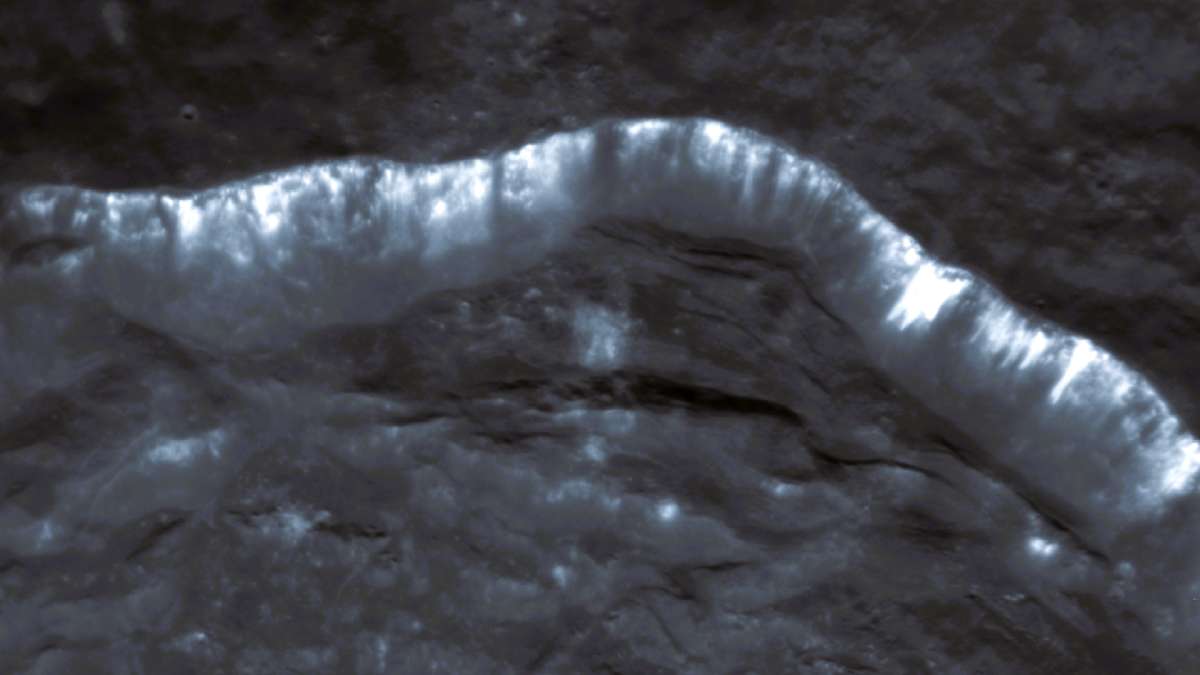
The distribution of these streaks and their abundance offer insights into the geological activity of the innermost planet in our solar system, according to the University of Bern. The researchers conducted a geostatistical analysis of the lineae and came to the conclusion that these bright streaks may be a result of outgassing of subsurface volatile materials like sulphur or other light elements—something that may be going on even today. Future space missions like BepiColombo could take advantage of this discovery as they look into the evolution of Mercury and its volatile materials.
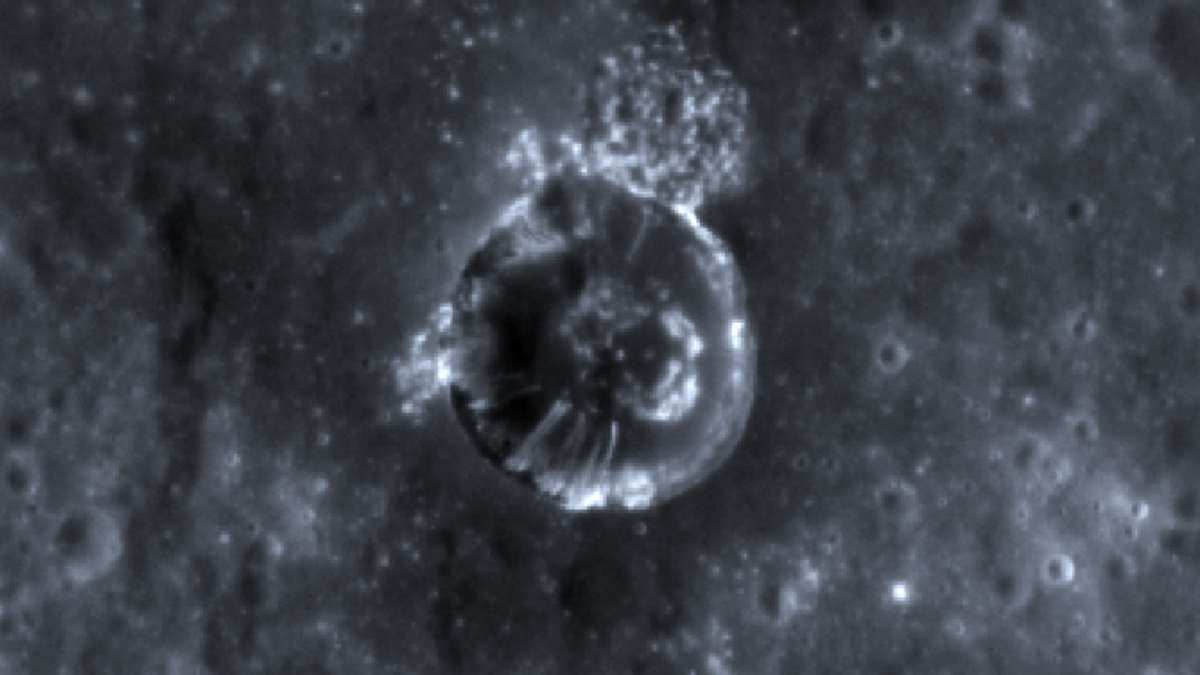
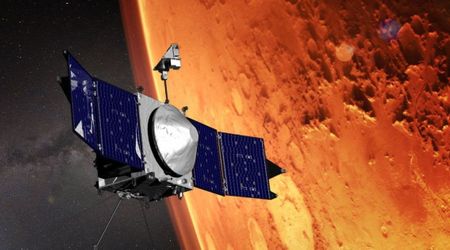
A deep learning approach analyzed 100,000 high-resolution images from NASA's MESSENGER space probe. This helped map the distribution and morphological features of around 400 bright streaks across the planet. "Until now, lineae on Mercury had not been systematically mapped and studied; only a small handful of streaks were known. With the image analysis, we were able to create the first census, i.e., a systematic inventory, of slope streaks on Mercury," explained first author Valentin Bickel.
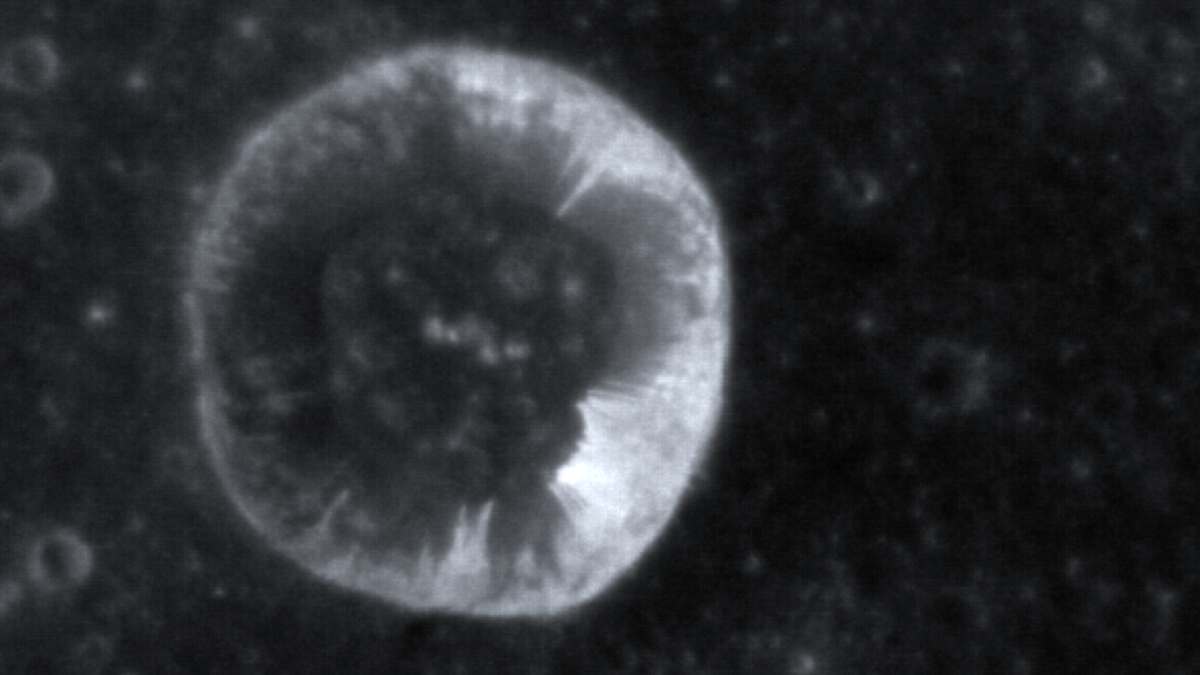
The bright streaks mainly appeared on the slopes of young impact craters that face the Sun and have penetrated the volcanic material into the potentially volatile-rich bedrock that lies underneath. The accumulation of the streaks in such exposed and warm regions hints at the role of solar radiation in activating the lineae formation. "Volatile material could reach the surface from deeper layers through networks of cracks in the rock caused by the preceding impact," added Bickel. "Most of the streaks appear to originate from bright depressions, so-called 'hollows.' These hollows are probably also formed by the outgassing of volatile material and are usually located in the shallow interior or along the edges of large impact craters."
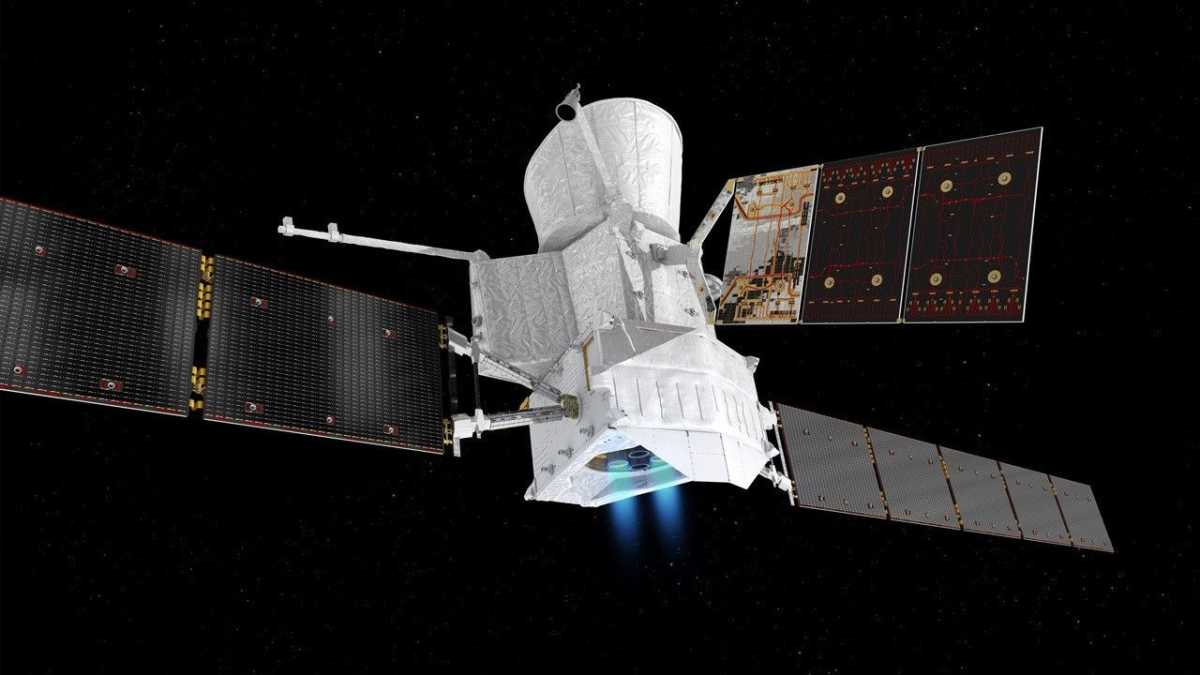
The geological dynamics and composition of Mercury might be easily understood by using the lineae as possible indicators for the outgassing of volatiles. "Our results suggest that Mercury not only has a turbulent past but is still subject to modification today," Bickel declared. Researchers are relying on the BepiColombo mission of the European Space Agency (ESA) and the Japan Aerospace Exploration Agency (JAXA) to further confirm their findings.
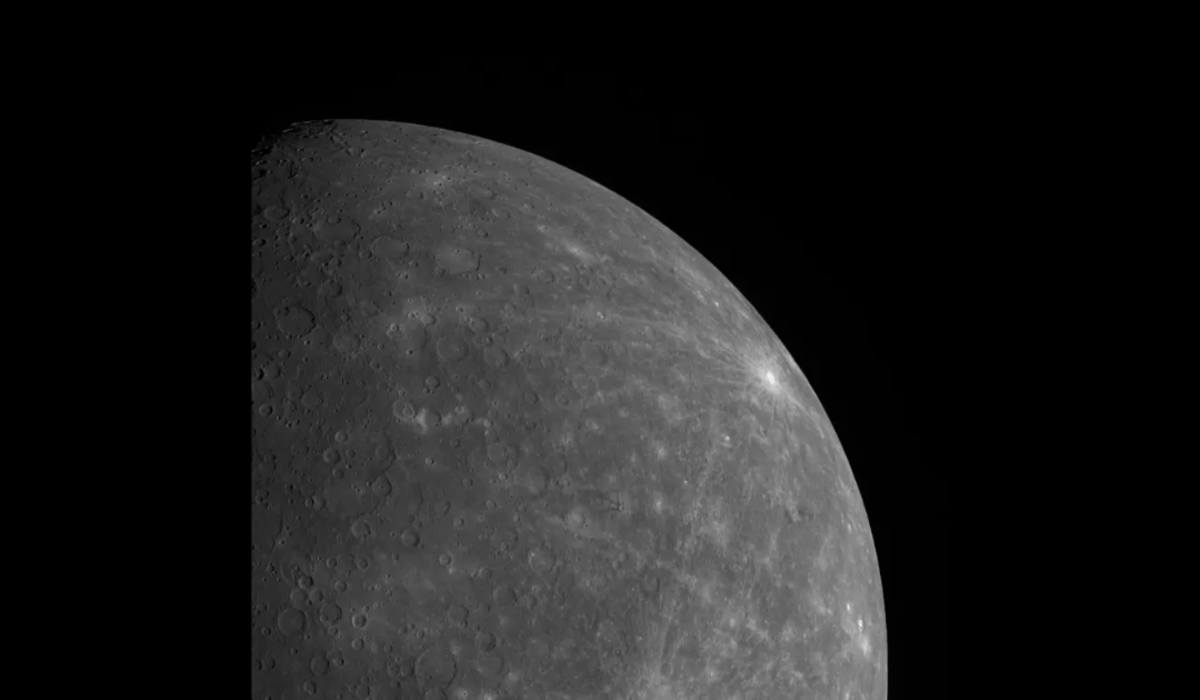
With the BepiColombo mission headed to Mercury, the team hopes to use the inventory created to re-photograph and analyze particular streak regions with the mission. The goal is to identify if and how many more streaks have emerged on the surface between the MESSENGER space probe and the BepiColombo mission images. “With these investigations, we want to better understand the formation mechanisms and the temporal development of these structures and thus gain further indications of the role of volatiles in driving geological activity on Mercury," Bickel added.
More on Starlust
Amateur astronomer captures Mercury's magnificent and bright comet-like tail. See picture