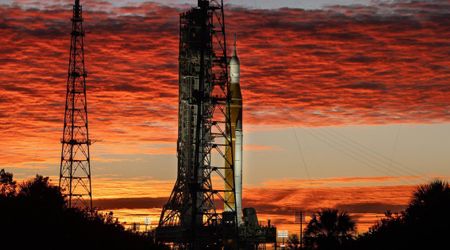
Inside the Artemis ground launch sequencer—a system crucial for the launch of the Moon mission
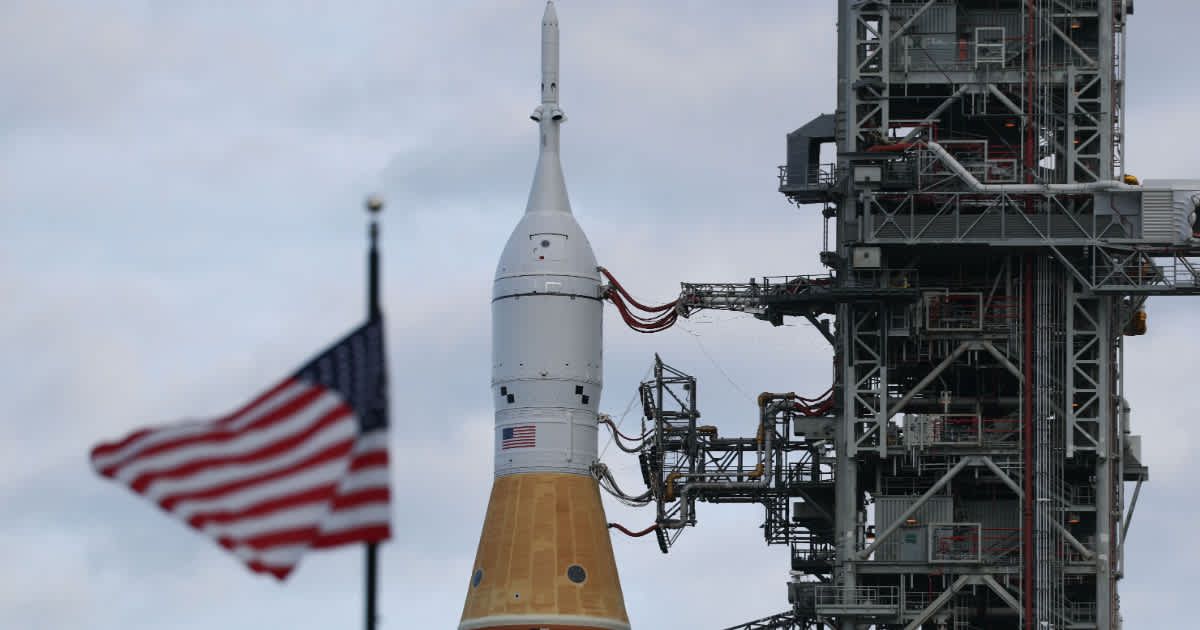
The ground launch sequencer handles several operations in the build-up to the actual launch.
PUBLISHED 2 HOURS AGO
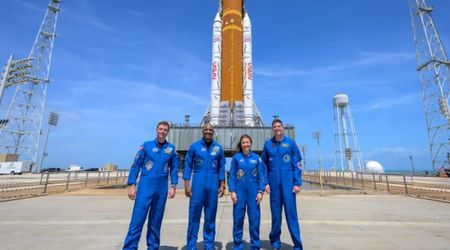
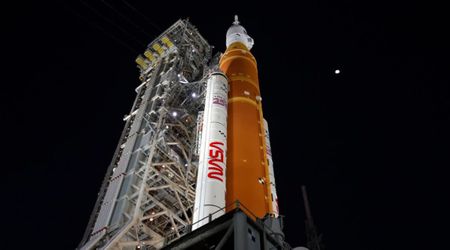
NASA's Artemis II SLS rocket’s upper stages connected via umbilicals to the mobile launcher at NASA’s Kennedy Space Center. (Cover Image Source: Joe Raedle | Getty Images)

NASA is all but ready for lift-off of its landmark Artemis II mission, with the launch window opening at 6:24 pm EDT tonight. Along with many of the countdown activities, such as powering on the Orion capsule, the core stage, and the upper stage, the activation of the ground launch sequencer (GLS) has also been completed, with the tanking process currently underway. 
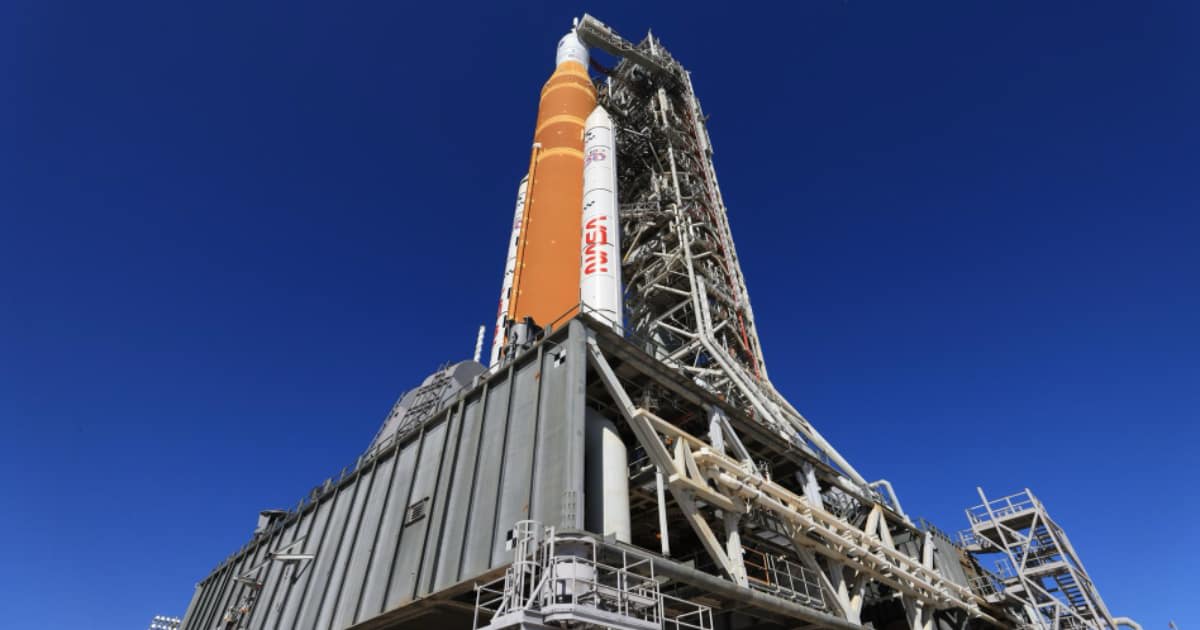
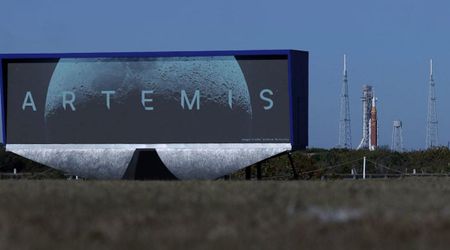
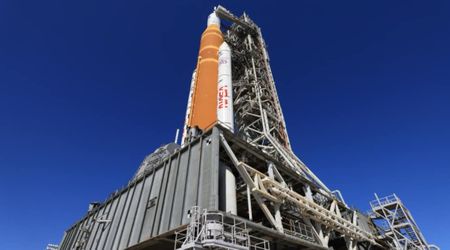
NASA’s Artemis II SLS (Space Launch System) rocket and Orion spacecraft on mobile launcher 1 at Launch Complex 39B at NASA’s Kennedy Space Center in Florida on, Feb. 10, 2026. (Representative Image Source: NASA | Ben Smegelsky)
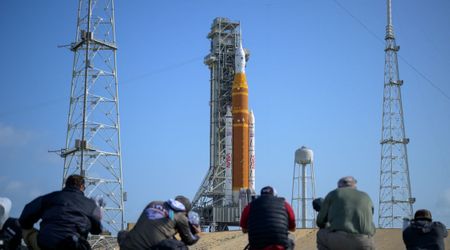
NASA’s Artemis II SLS (Space Launch System) rocket and Orion at Launch Complex 39B at NASA’s Kennedy Space Center in Florida. (Image Source: NASA | Ben Smegelsky)

What is the ground launch sequencer?

The GLS is an automated system that operates thousands of commands in the final minutes of the launch countdown and manages valve movements and timing cues that prepare the rocket for the terminal count. At T-33 seconds to liftoff, the GLS passes the command over to the automated launch sequencer.
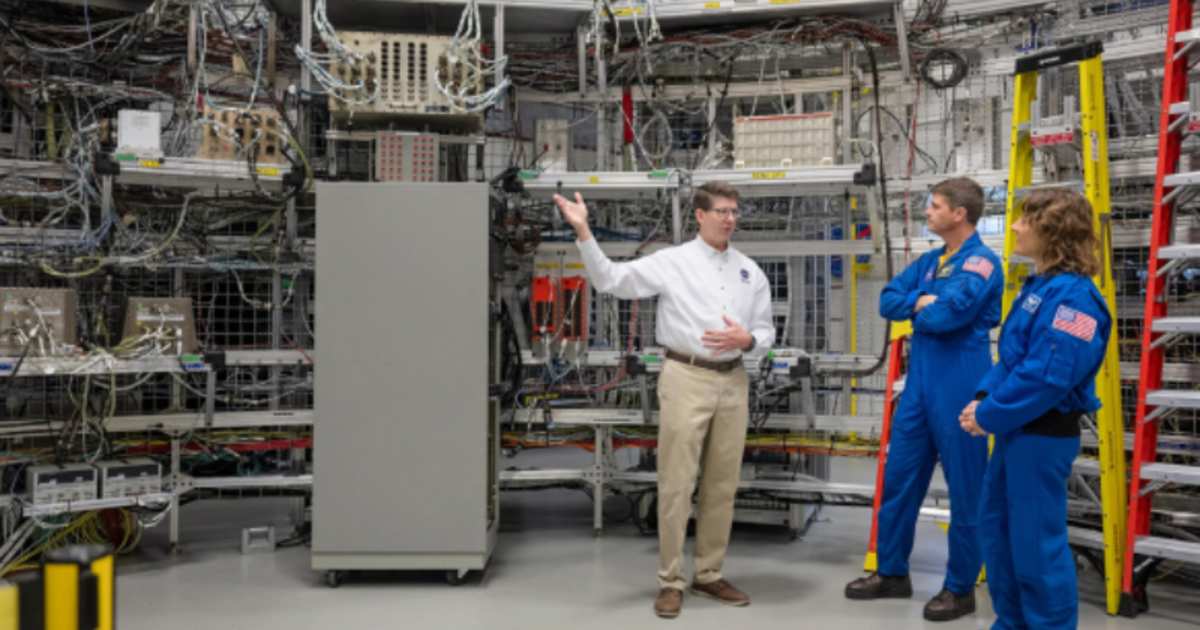
Dan Mitchell, NASA’s lead SLS integrated avionics and software engineer (left), shows Artemis II astronauts Reid Wiseman (center) and Christina Koch (right) software test facilities at NASA’s Marshall Space Flight Center in Huntsville, Alabama. (Representative Image Source: NASA)
Dan Mitchell, NASA’s lead SLS integrated avionics and software engineer, shows Artemis II astronauts Reid Wiseman and Christina Koch software test facilities at NASA’s Marshall Space Flight Center in Huntsville, Alabama. (Image Source: NASA)

Background of GLS

The GLS was first demonstrated for use in the Artemis program by the Ground and Flight Application Software team in 2017, with the Artemis Launch Director, Charlie Blackwell-Thompson, overseeing the demonstration in Firing Room 3 in the Launch Control Center at the Kennedy Space Center in Florida. Part of the GLS's function is to support the suppression stage that releases a deluge of water when over 8 million pounds of thrust is released by the rocket’s RS-25 engines and the boosters during liftoff. This ensures that the vehicle remains protected from the vibrations it creates at launch.
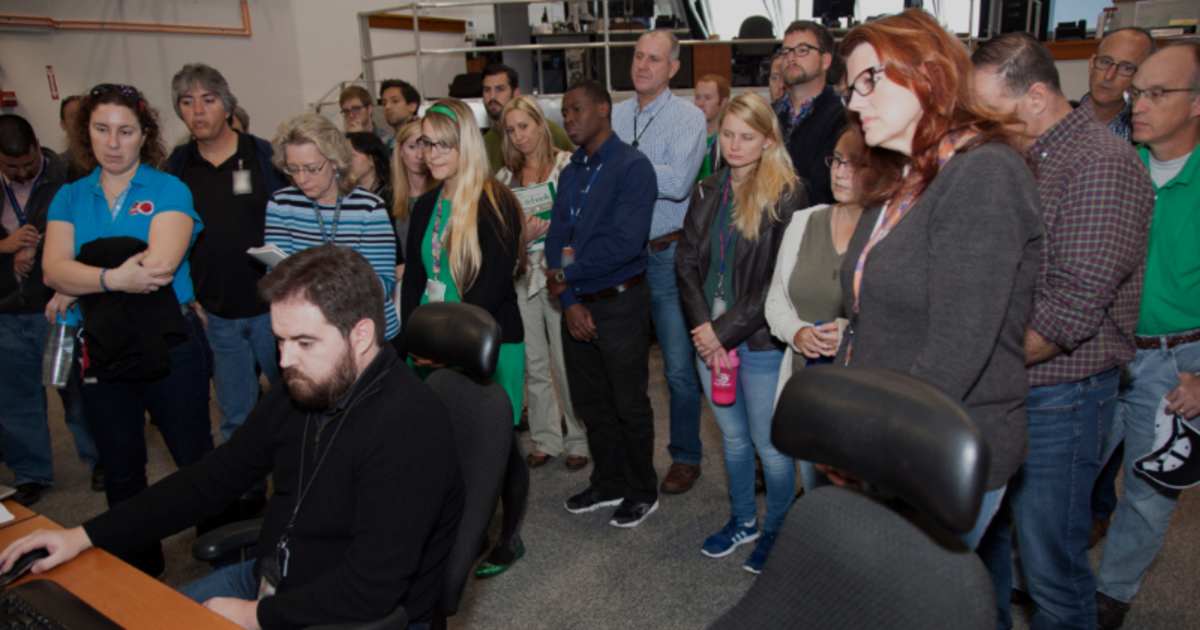
NASA engineers and test directors gather in Firing Room 3 in the Launch Control Center at NASA’s Kennedy Space Center in Florida, to watch a demonstration of the automated command and control software for the agency’s Space Launch System and Orion spacecraft. In front, far right, is Charlie Blackwell-Thompson, now the launch director for Artemis II. (Representative Image Source: NASA | Bill White)
NASA engineers and test directors gather in Firing Room 3 in the Launch Control Center at NASA’s KSC to watch a demonstration of the automated command and control software for the agency’s SLS and Orion spacecraft. (Image Source: NASA | Bill White)

Further development of GLS took place as the preparations were ramping up for Artemis I, the only flight of SLS prior to this first crewed mission. In December 2021, the Exploration Ground Systems team carried out a demonstration of the GLS again for conducting countdown sequencing. The GLS ran without any issues, and so engineers conducted another test to take the variations between the emulator and flight hardware identified during the initial countdown sequencing test into consideration. Thanks to these validations, during the launch of Artemis I on November 16, 2022, the GLS performed nominally and helped make the SLS test flight a success. 
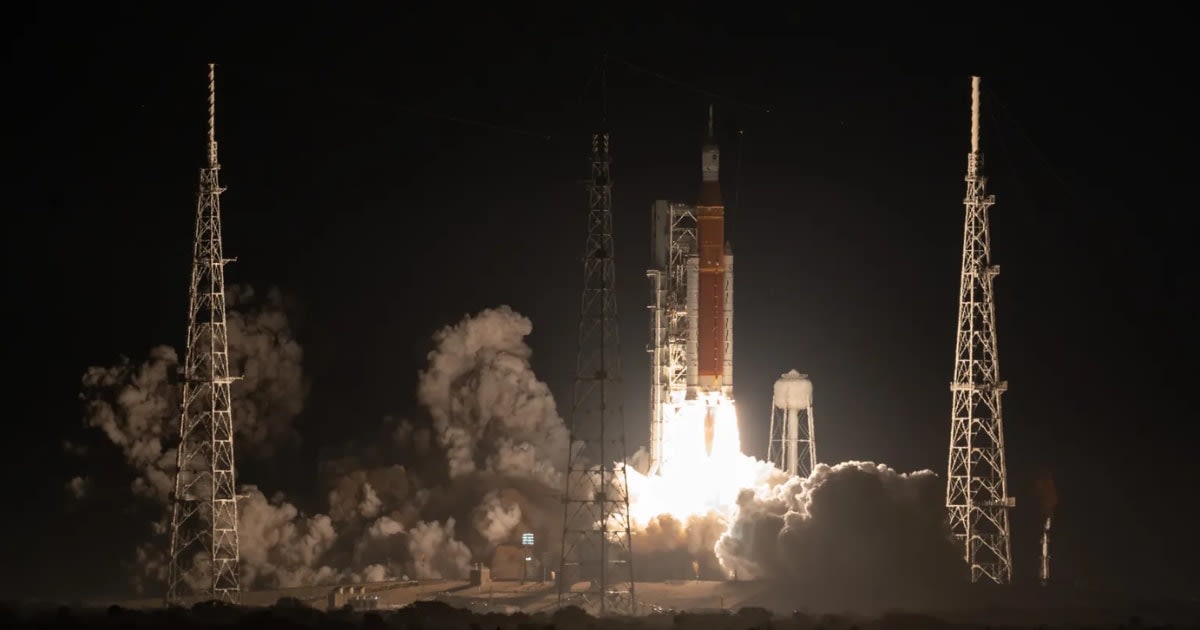
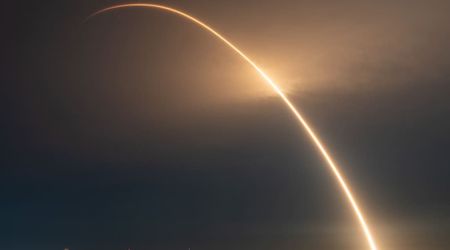
NASA’s Space Launch System rocket carrying the Orion spacecraft launches on the Artemis I flight test on Wednesday, Nov. 16, 2022. (Representative Cover Image Source : NASA)
NASA’s Space Launch System rocket carrying the Orion spacecraft launches on the Artemis I flight test on Wednesday, Nov. 16, 2022. (Image Source: NASA)

NASA will be hoping that everything, including the GLS, functions nominally today, especially given how the mission has already suffered a number of delays. Artemis II will validate the systems aboard the Orion spacecraft and provide invaluable learnings for the development of Artemis III and subsequent missions for building a Moon Base.
More on Starlust

What happens if Artemis II launch is scrubbed tonight? Backup opportunities, turnaround time and more

'Are we alone?': Artemis II crew discusses important scientific questions the mission will help answer

MORE STORIES

Tanking operations have begun at Launch Pad 39-B of the Kennedy Space Center in Florida.
28 minutes ago
NASA says that the mission has the best chance of launching successfully today itself. But what if things go south?
6 hours ago
'Tomorrow looks to be the best. Other days – hit and miss,' said Mark Burger, the launch weather officer of the 45th Weather Squadron, Cape Canaveral Space Force Station.
21 hours ago
The payloads also included one re-usable spacecraft with advanced thermal protection.
23 hours ago
The issue with Starlink satellite 34343 did not impact SpaceX's Transporter-16 mission either, which launched yesterday.
1 day ago
Artemis II launch is slated to take place on April 1, 2026, at 6:24 PM EDT from the Kennedy Space Center in Florida.
1 day ago
More than 50 years after Apollo 17, a new era begins with deeper spaceflight, a diverse crew, and long-term Moon goals.
1 day ago
Final checks, fueling prep, and crew quarantine mark the last phase before the 10-day lunar flyby.
1 day ago
The Space Launch System rocket is the only vehicle capable of delivering the Orion spacecraft, humans, and cargo to the Moon in a single launch.
1 day ago
Agency says the powerful CME will dissipate before liftoff on Wednesday, with continuous monitoring and protocols in place.
1 day ago