In pics: March 2026 'Blood Worm Moon' from New Orleans, Beijing and New Zealand
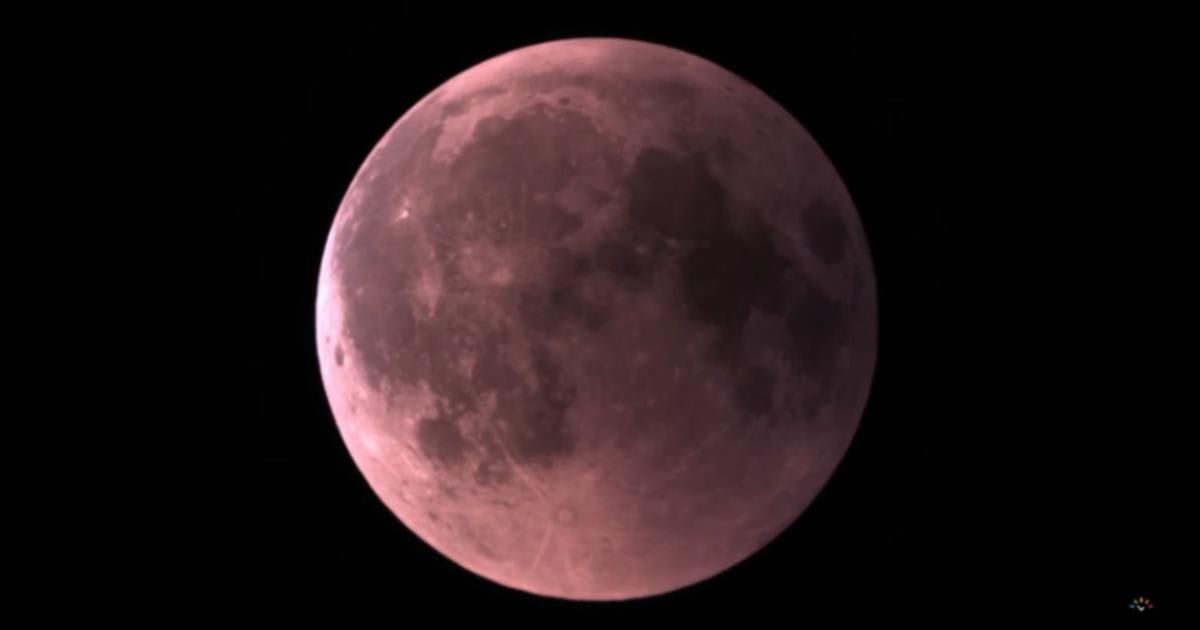
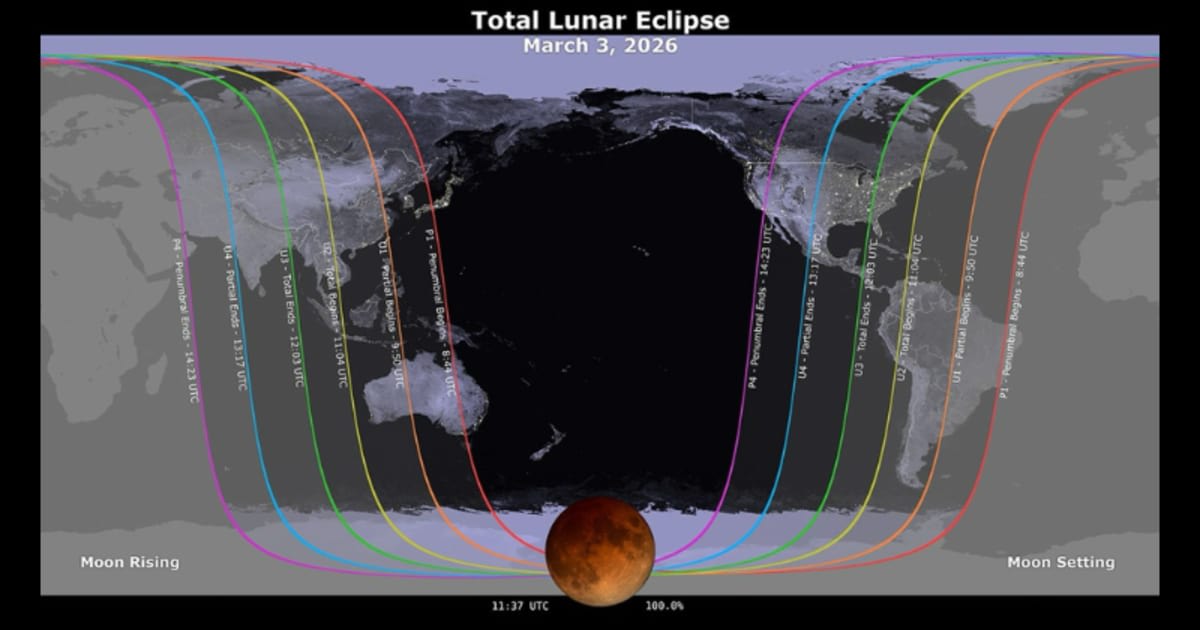
The Blood Moon lunar eclipse had long been on the checklist of must-capture events for astrophotographers. And on March 3, 2026, people from various parts of the world caught a glimpse of our natural satellite turning red. The phenomenon was most prominent over the Pacific Ocean, so the direct exposure of the event to audiences was cut short significantly. However, places like New Zealand, eastern Asia, and more western parts of the Americas got a good view.
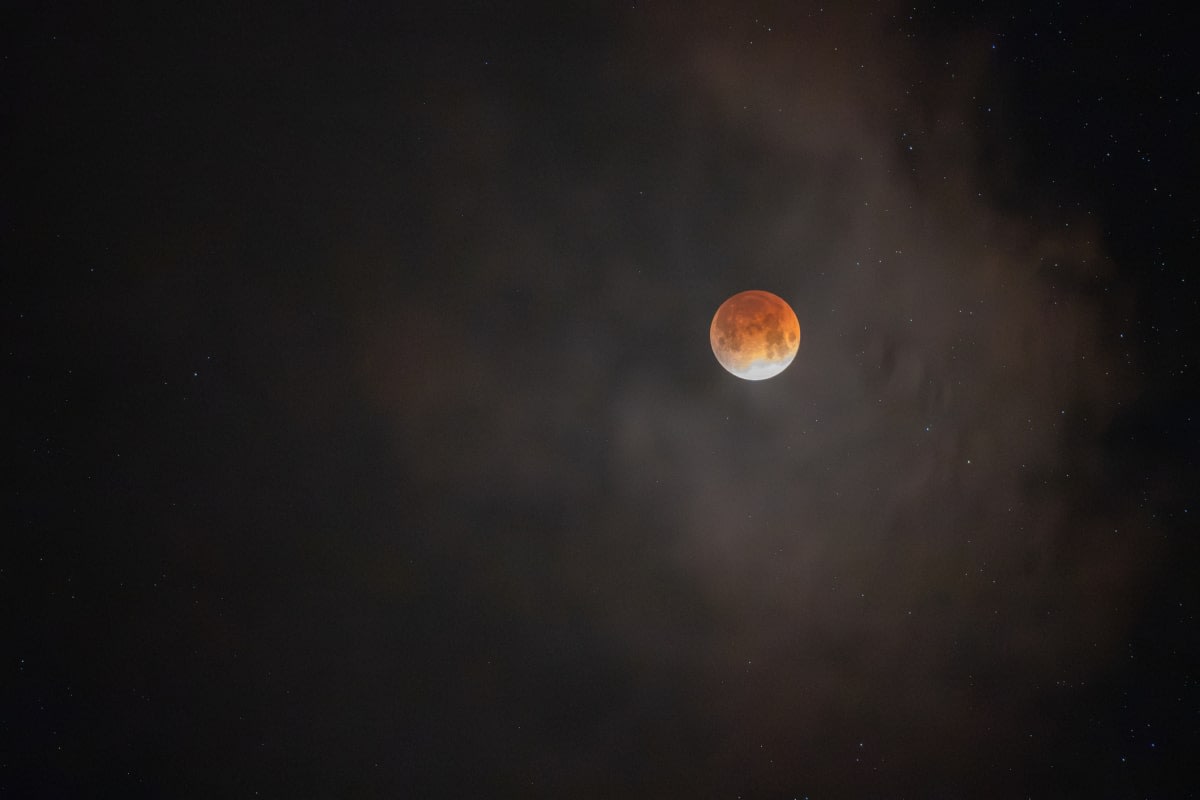
Crested Butte, Colorado
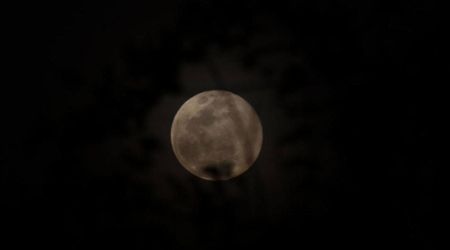
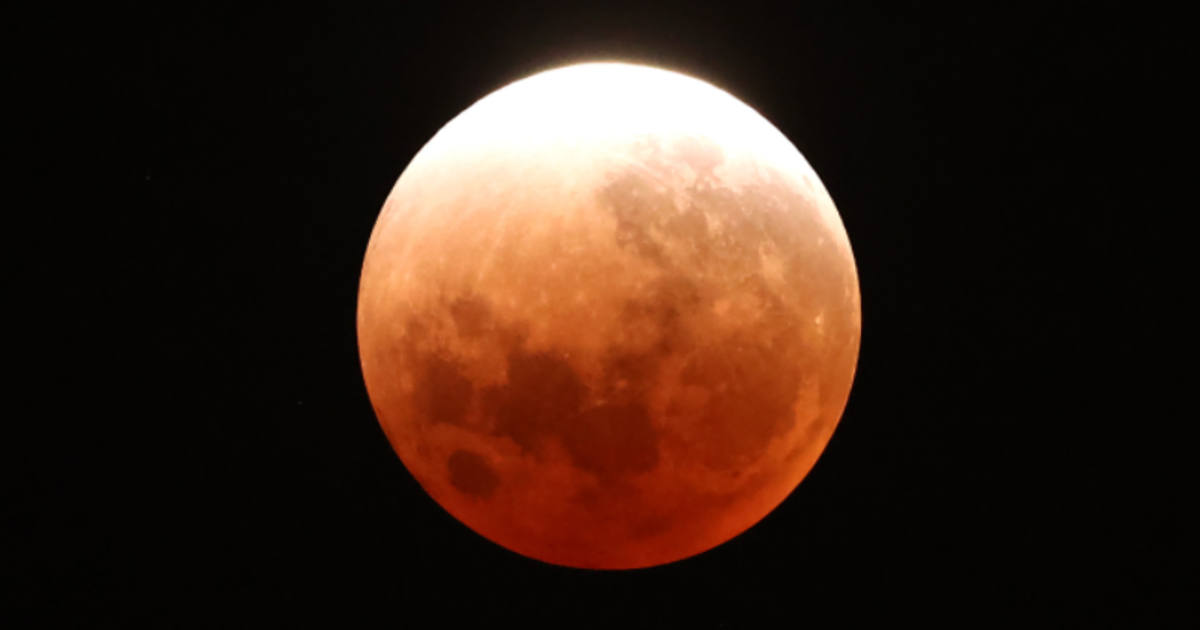
The image of the total lunar eclipse captured from the mountainous town of Crested Butte, Colorado, shows the Moon bathed in red, but not entirely, as one of its edges appears relatively unchanged. Here, the alignment of the Sun, Earth, and Moon was not perfect, but the result produced is remarkable regardless.
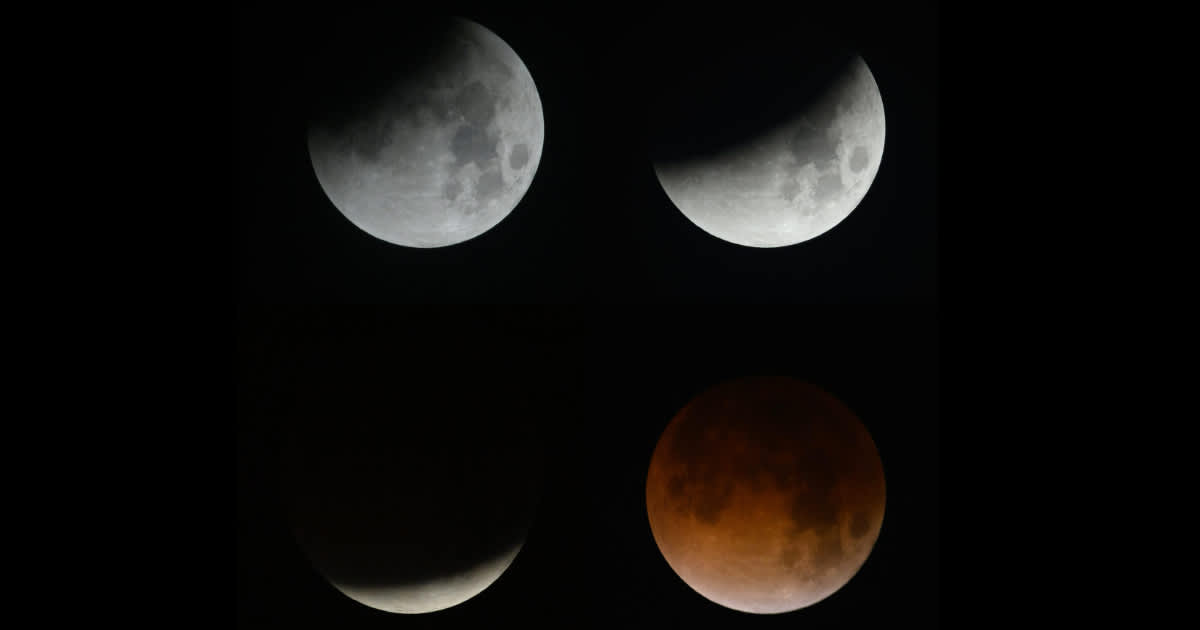
New Orleans, Louisiana
The following picture from New Orleans was taken from NASA’s Michoud Assembly Facility. The image is composed of four exposures of the lunar light taken at different instances during the early morning hours of Tuesday. As is obvious, the Blood Moon is seen in the bottom right of the image. The Moon develops a red hue while in Earth's shadow because of a phenomenon known as Rayleigh scattering, which sees Earth's atmosphere scatter blue light from the Sun and project red/orange light onto the Moon.
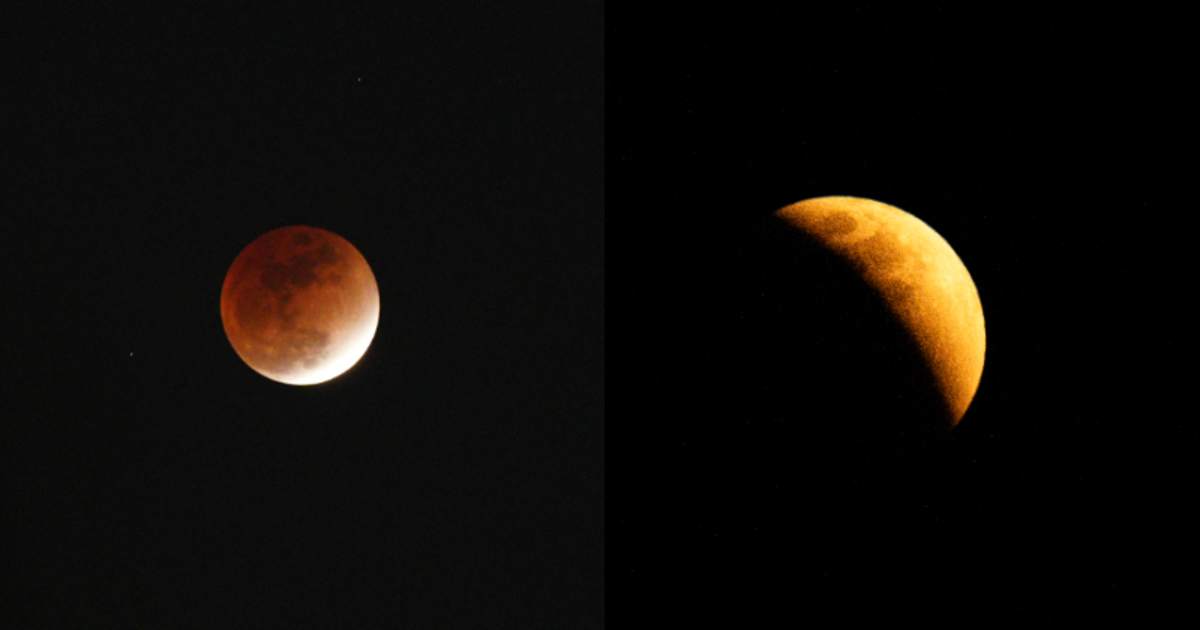
Beijing, China
Photos to come out of China include a crescent Moon in a warm hue that is not quite as red as some of the other pictures from yesterday’s celestial event. Another picture has similarities with the above-mentioned pictures, with one of the edges of the lunar disk less affected by the bluish lights being scattered away.
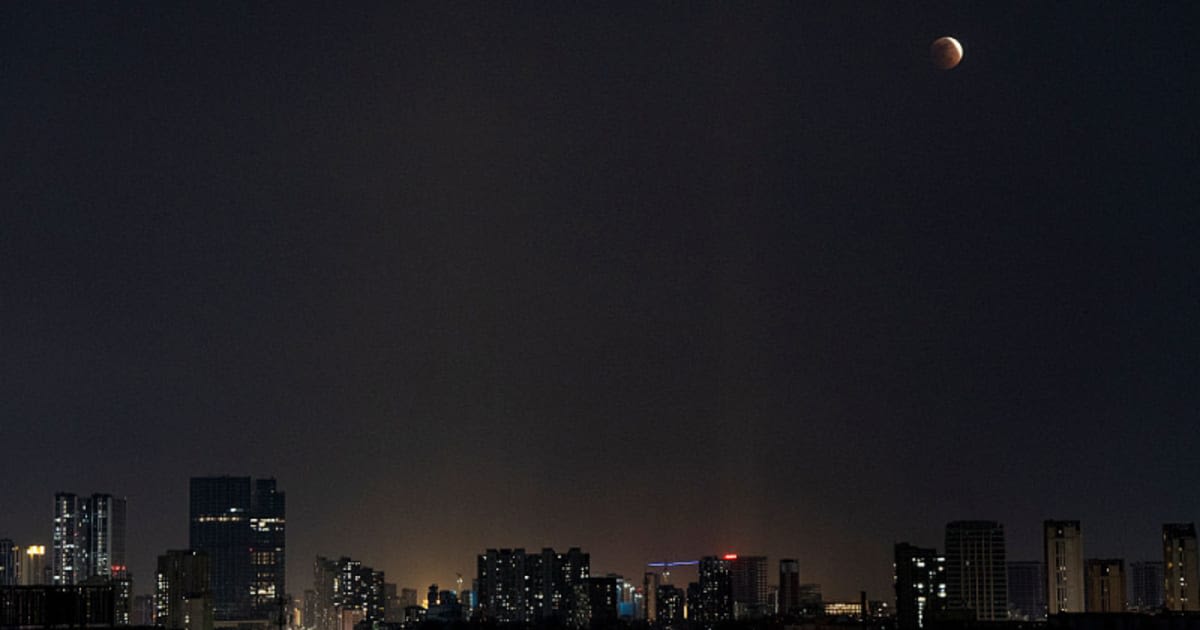
A similar effect was also captured in a separate photograph, with the introduction of city lights and Beijing’s skyline to produce spectacular results.
Auckland, New Zealand
Owing to New Zealand’s unique position in the Pacific Ocean, it was one of very few places to be able to experience the blood worm lunar eclipse in its entirety. The alignment of the three bodies responsible for this phenomenon was better when observations were made from here. Totality was seen from 12:04 am to 1:03 am NZDT on Wednesday, March 4, 2026, much like what NASA had predicted.
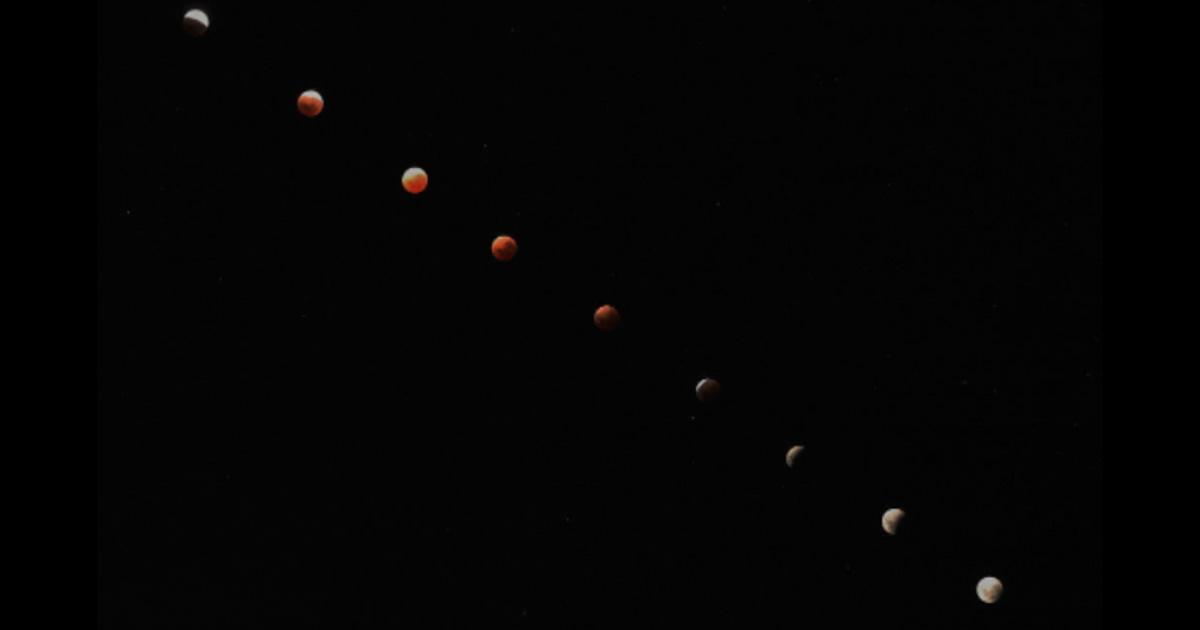
Another composite image, but this time arranged as if to show the orbital path of the Moon while passing Earth’s shadow, clearly shows the visible changes to the lunar disk from the eclipse’s start to finish.
Besides this event, the month of March and this year in general offer a whole lot more in terms of skywatching opportunities. A supermoon is going to make its appearance in November and then in December, while meteor showers will also be seen. August will also see the Earth and Moon swap positions to give us a total solar eclipse.
More on Starlust
Did the Moon have a strong or weak magnetic field? A new study may have settled decades-long debate
In pics: January's 'Wolf Moon' as seen from New York City, England, Egypt, India and Mexico