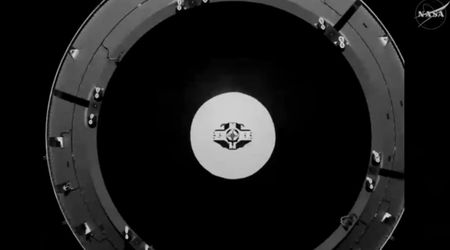
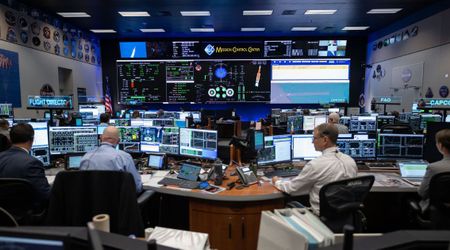
Here's what the Artemis II crew will see when they fly by the Moon's far side on April 6
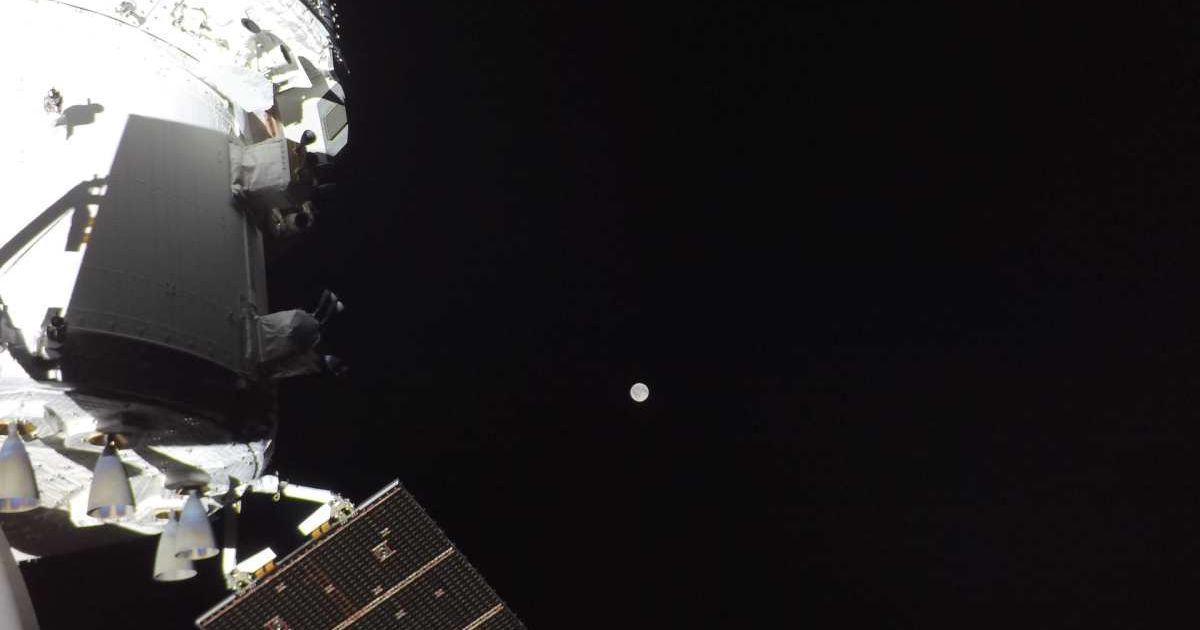
The Artemis II crew, currently more than 100,000 miles away from home, will fly behind the Moon on April 6. NASA reports that the six-hour lunar observation window during the flyby will see the Sun, the Moon, and the Orion spacecraft aligned in such a way that about 20% of the lunar far side will be illuminated by the Sun. This will allow NASA astronauts Reid Wiseman, Victor Glover, Christina Koch, and CSA astronaut Jeremy Hansen to spot and image the following features of the Moon, which have never been seen directly through human eyes.
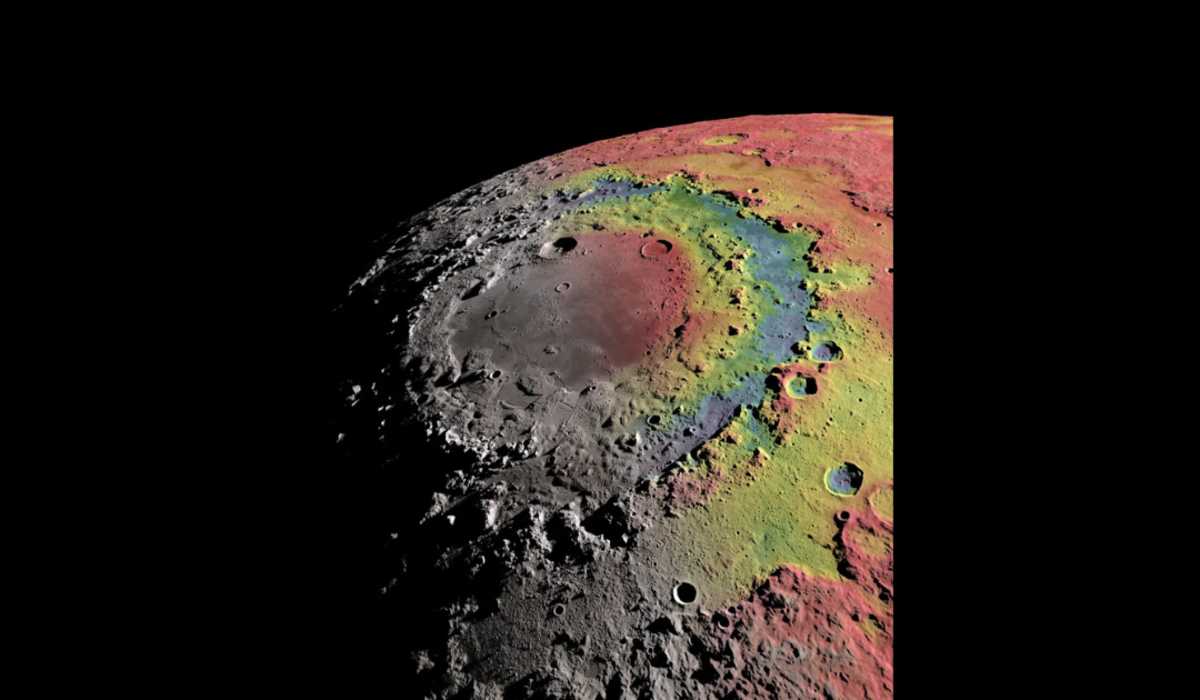
Orientale Basin
The youngest of the large lunar basins, Orientale and its multiple rings, formed about 3.8 billion years ago during the Late Heavy Bombardment—a period speculated to have seen the Moon get hit with asteroids on a cataclysmic level. In fact, according to NASA, the largest of its three concentric rings is about three times as wide as Massachusetts and is said to have formed when a 40-mile-wide (64 km) asteroid blasted about 816,000 cubic miles (approximately 135 times the combined volume of the Great Lakes) high into the sky.
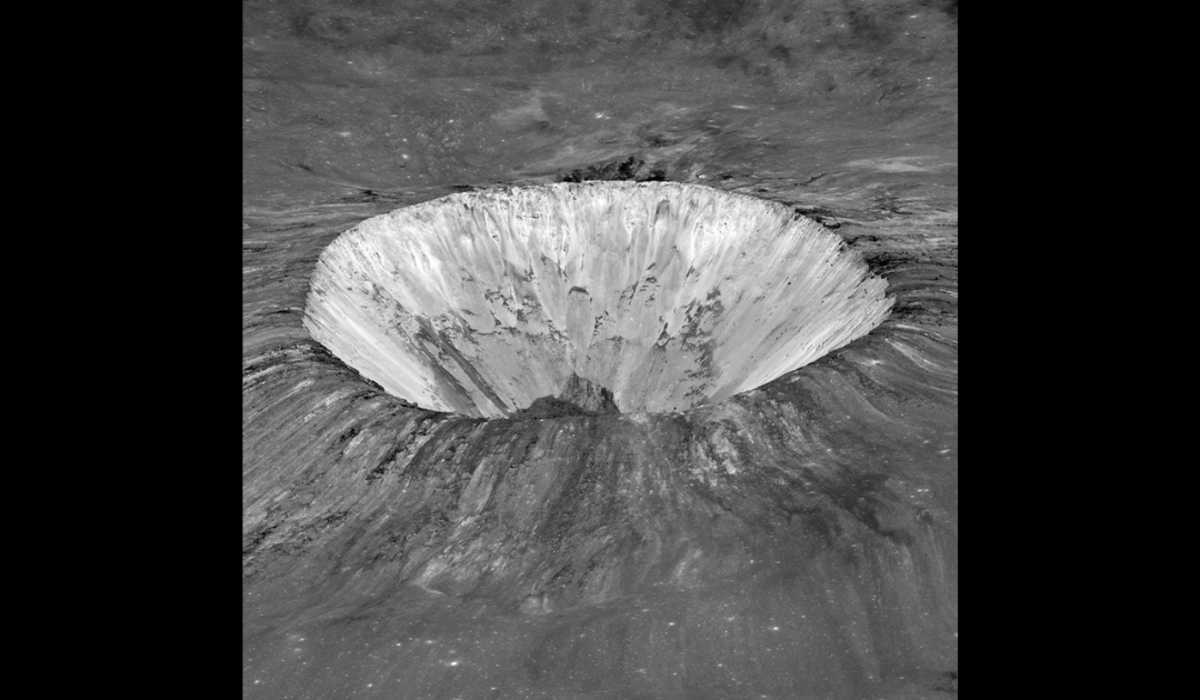
Pierazzo Crater
Named after late planetary scientist Elisabetta "Betty" Pierazzo, this 5.8-mile (9.3 km) wide crater is located within the northwestern extent of ejecta surrounding the Orientale Basin. The ejecta of the crater itself and its interior have dark material, which consists of Moon rocks that were melted by high-speed impact and flowed in places before freezing over into dark glassy deposits, according to LROC.
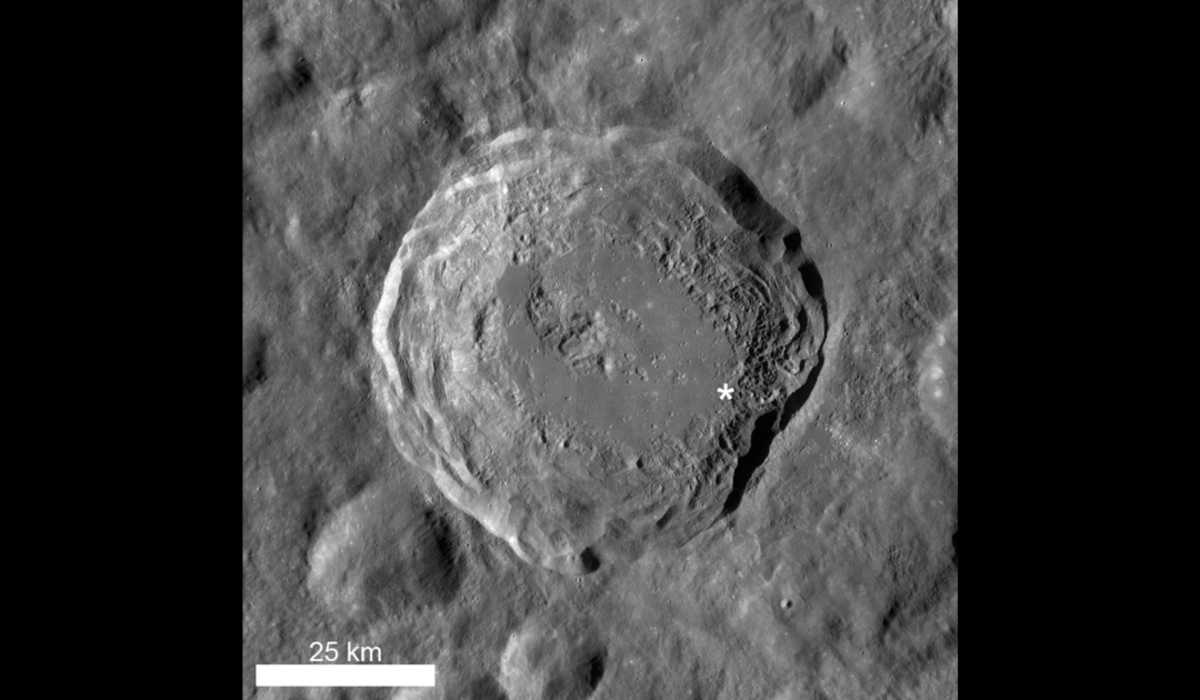
Ohm Crater
Ohm is a young, 39-mile (63 km) wide crater, which, like Pierazzo, also saw high-impact melting, with its central peak surrounded by deposits of the same. Often used as a proxy for studying young and small impact crater ray systems, Ohm's floor is characterized by lava channels, lava ponds, and multiple dome-like structures. It's bright ejecta, in fact, has given scientists great insight into how lunar rock and debris were ejected and transported from one place to another, per NASA.
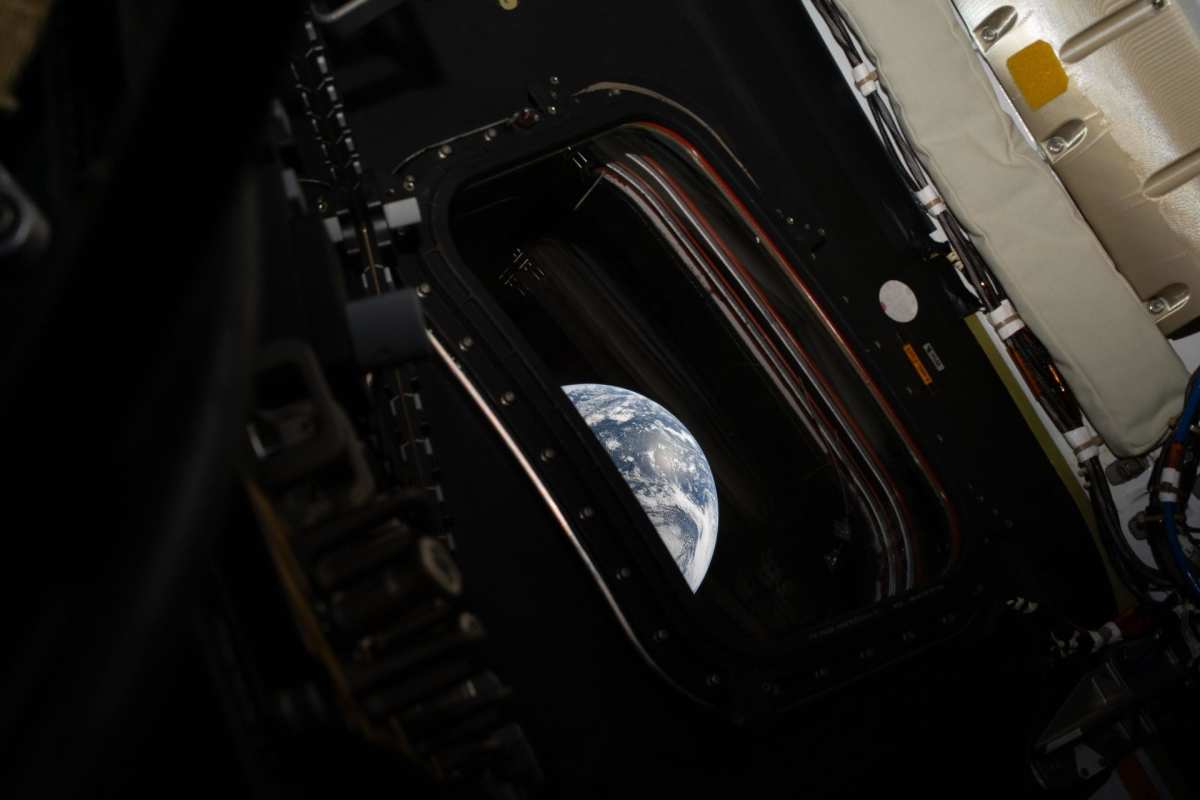
The Artemis II crew will be using their hand-held Nikon Z9 cameras configured with 80-400 millimeter and 14-24 millimeter lenses to capture these features through the windows of the Orion spacecraft on Monday. What's more, the crew will also get to see a solar eclipse when they fly around the Moon, almost a week after their successful launch on April 1. As far as the timing of the big event is concerned, Ascent Flight Director Judd Frieling confirmed during the press briefing on April 3 that the closest approach to the Moon will begin at around 18:30 UTC (2:30 p.m. EDT). So, make sure you are logging into NASA's live telecast at the time.
More on Starlust
Artemis II: Mission control cancels first outbound trajectory correction burn. Here's why
Artemis II: All the ways you can keep track of the mission — before, during, and after launch