Here's how you can spot Saturn's moons: Titan, Rhea, Dione and more
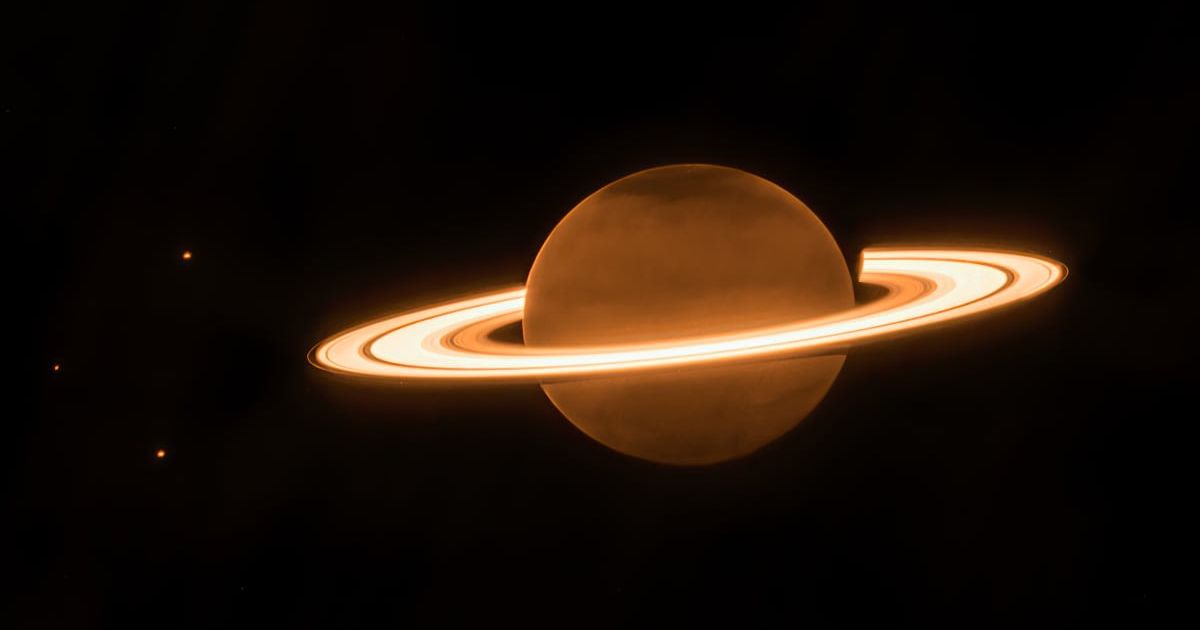
Saturn is the planet in our solar system with the most moons - 146 known natural satellites. However, not all of them are visible, and only seven can be spotted through a reliable telescope from Earth. The easiest visible moon is Titan, according to BBC Sky at Night Magazine. The good news for amateur astronomers is that they do not need the Hubble Space Telescope to view these natural satellites.
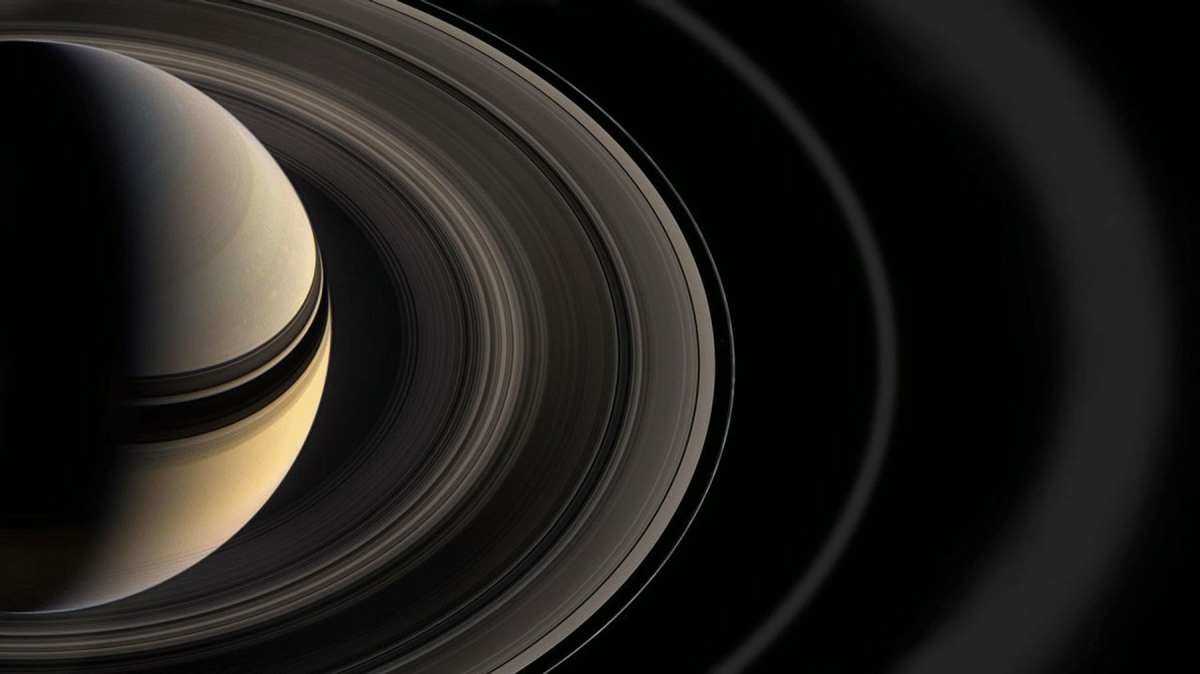
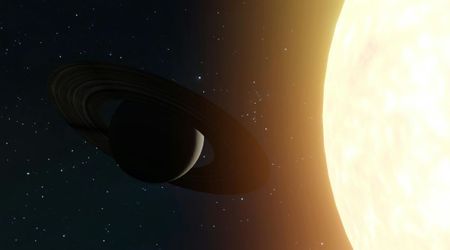
Before we can track Saturn's moons, we must find where Saturn is, which is visible to the naked eye, but the rings require a basic telescope. According to TimeandDate, the best time to observe it is around its Opposition, when it is directly opposite the Sun. The planet looks brightest during this event, rising near sunset and setting near sunrise, being visible all night long. To observe the steady glow of the planet and its moons, we can use modern astronomy apps or software like Stellarium.
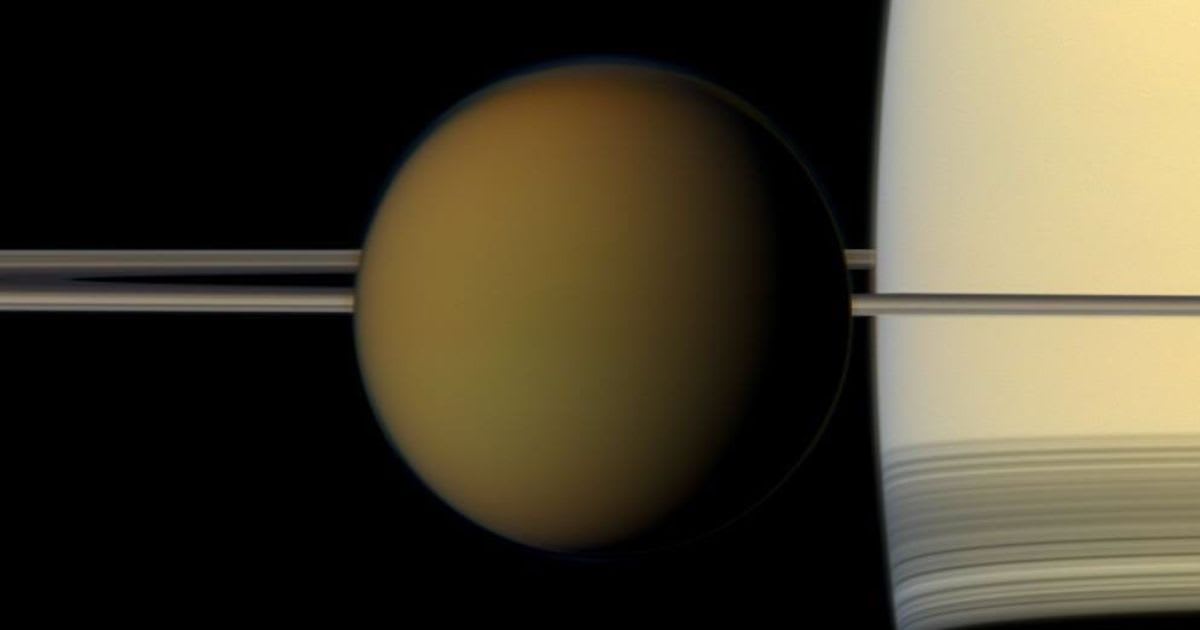
The giant Titan can be spotted easily
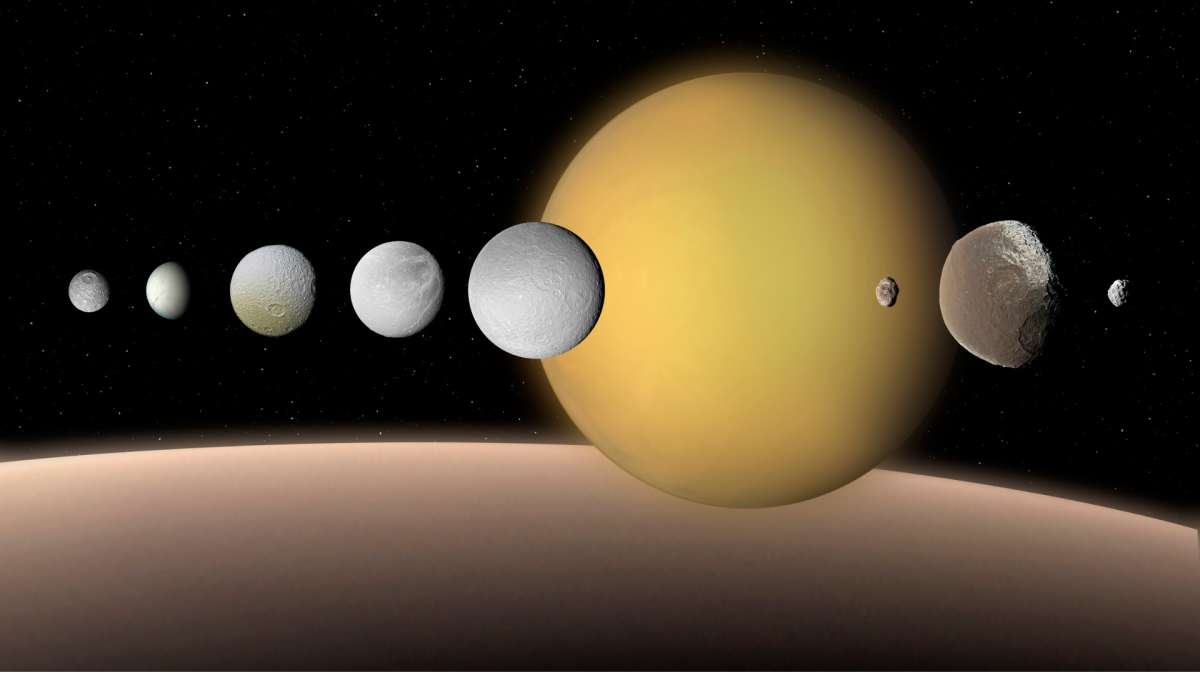
Titan's brightness can reach up to +8.4. It is bigger than Mercury, with a diameter of 3,200 miles, as per BBC Sky at Night Magazine. This moon is only beaten by Jupiter’s Ganymede in the ranking scale, placing it second, and is the only moon with a substantial atmosphere. While it is bright enough to be caught by a pair of binoculars, a telescope will further enhance your experience. That being said, looking at it through a telescope, you'll be able to see its nitrogen-rich cloud tops and not Titan’s surface. It completes an orbit in about 16 days and is about five of Saturn's ring diameters away from the planet at its farthest.
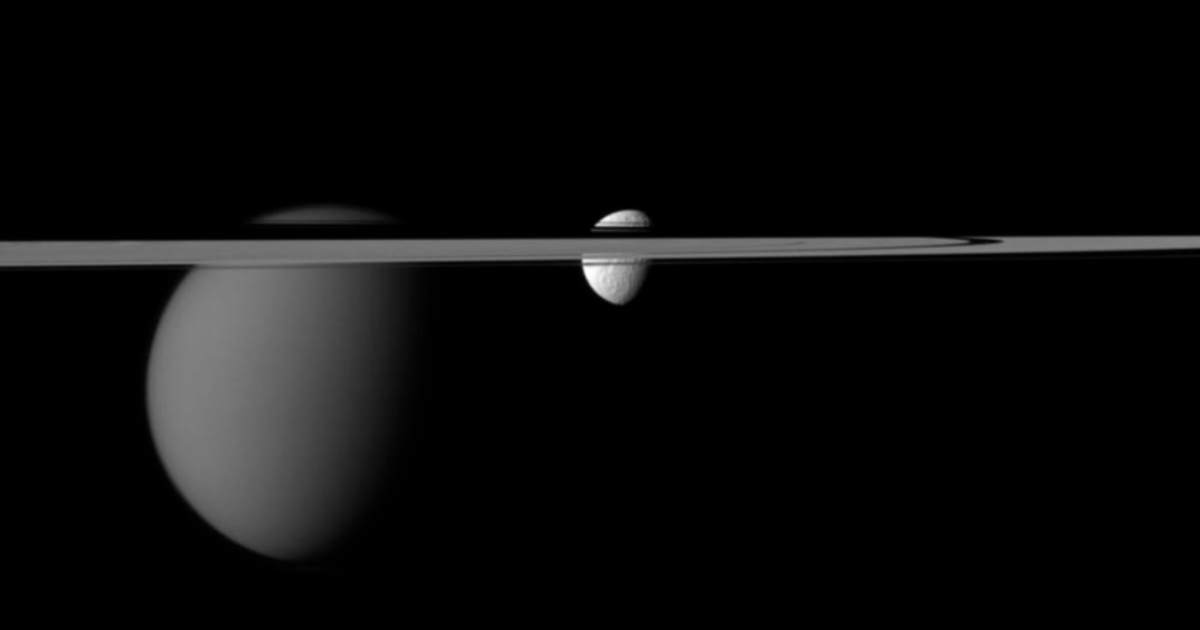
Rhea, Dione, and Tethys are next in line
These moons are quite accessible and often visible through a 3-inch refractor telescope. Rhea is the second-largest of Saturn's moons and has a magnitude of +9.7. It takes 4.5 days to complete an orbit and is often seen around two ring diameters away from the planet. Tethys shines at a magnitude of +10.3 and is located around one ring diameter away from Saturn. Completing an orbit in just 1.9 days, Tethys is known for a vast canyon stretching three-quarters of the way around itself and two co-orbital moons, Telesto and Calypso. Dione has a visual magnitude of +10.4 and is the densest of Saturn's moons. This indicates its possession of a large rocky core. The satellite orbits in 2.7 days, and is around 1.5 ring diameters away from the planet.
Spotting Iapetus and Enceladus can be a challenge
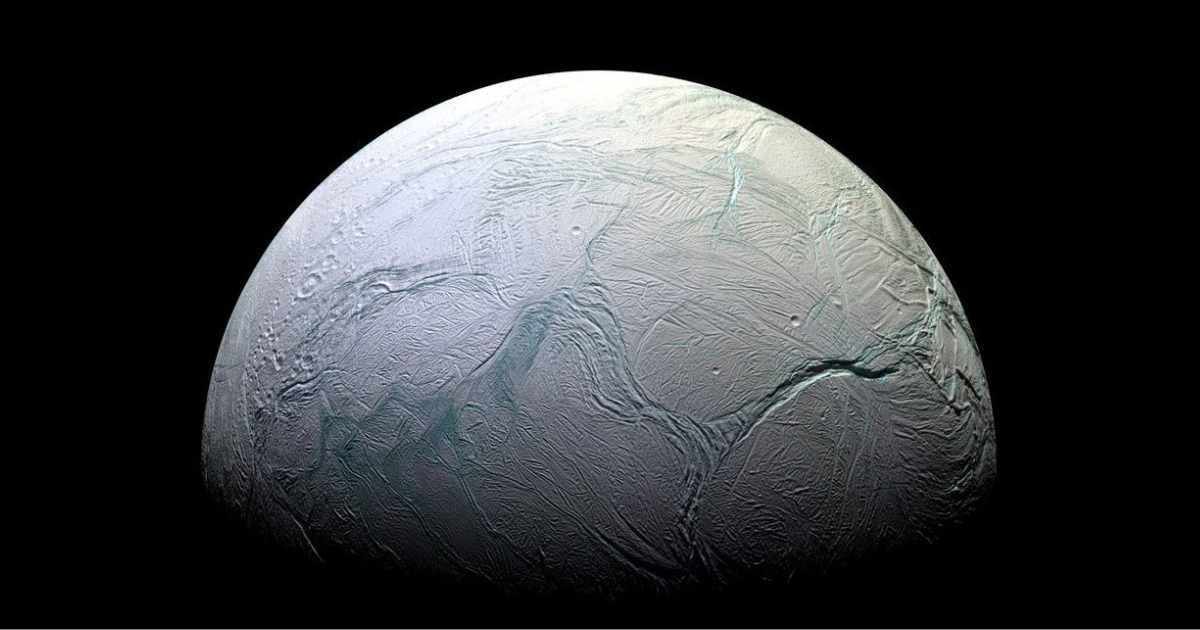
The brightness of Enceladus is around +11.8, while that of Iapetus varies dramatically between +10.1 and +11.9, and you'll need a 6-inch telescope to see it at its darkest. While it's the third largest of Saturn's satellites, Iapetus is also the most distant of the planet's main moons. The most inclined of the inner satellites, its 79-day orbit takes it out to 12 ring diameters away from the host planet.
Mimas, the faintest moon
Mimas takes the crown of the faintest moon with a magnitude of just +12.9. You'll need a 6-inch telescope and perfect viewing conditions without any light pollution to spot Mimas.
More on Starlust
Titan darkens Saturn on August 19 in a rare spectacle visible every 15 years
Titan’s shadow to transit Saturn on July 18 in a rare event — how and when to watch