Gravitational waves may finally reveal how fast the universe is expanding
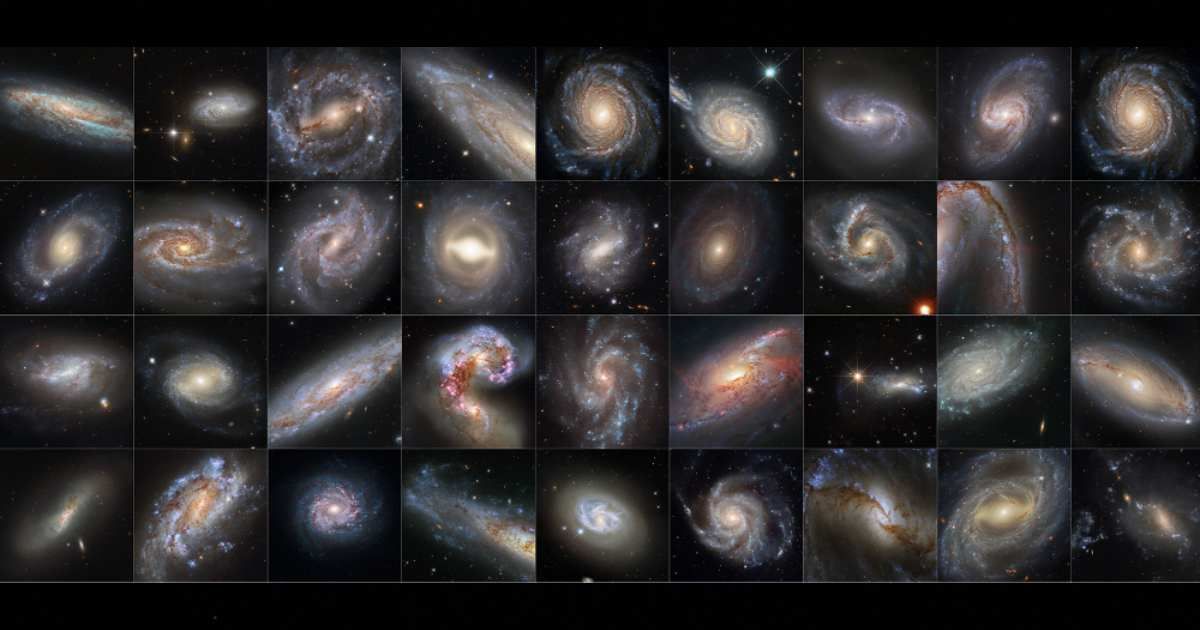
Scientists have devised a new method of measuring the rate of expansion of the universe. According to the University of Illinois Urbana-Champaign, the research paper was accepted for publication on January 16, 2026, and is set to be published on March 11, 2026. It is based on observations of gravitational ripples generated by a binary black hole system merging with one another. The significance of this study is in measuring the Hubble constant to the most accurate degree yet. Put simply, the Hubble constant describes the acceleration with which the universe is expanding.
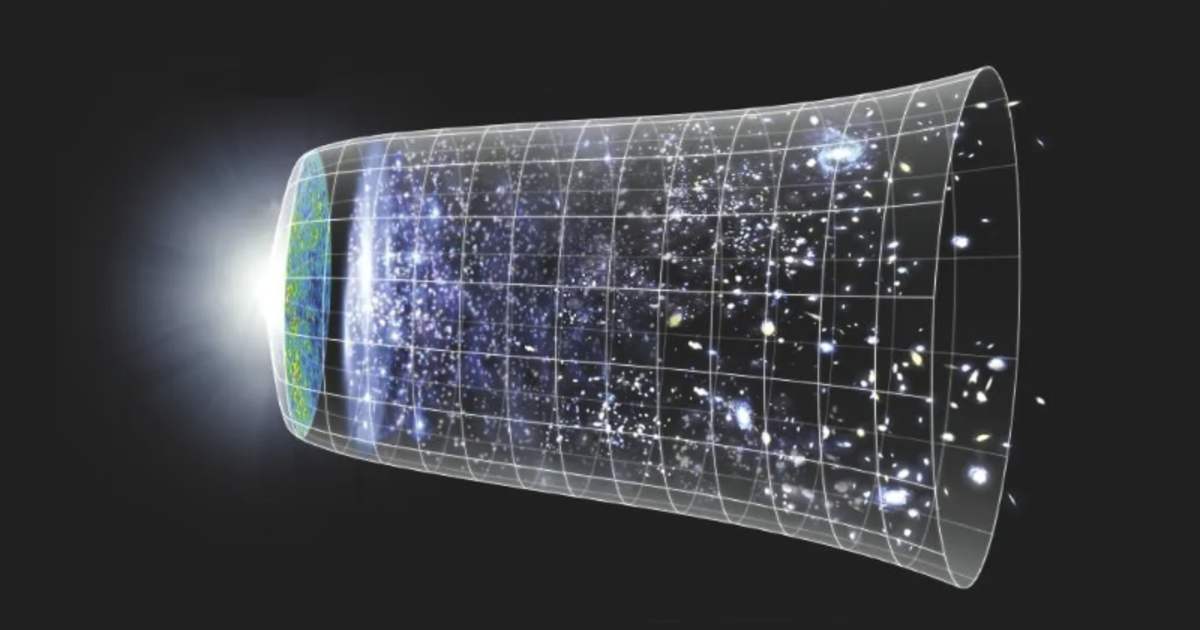
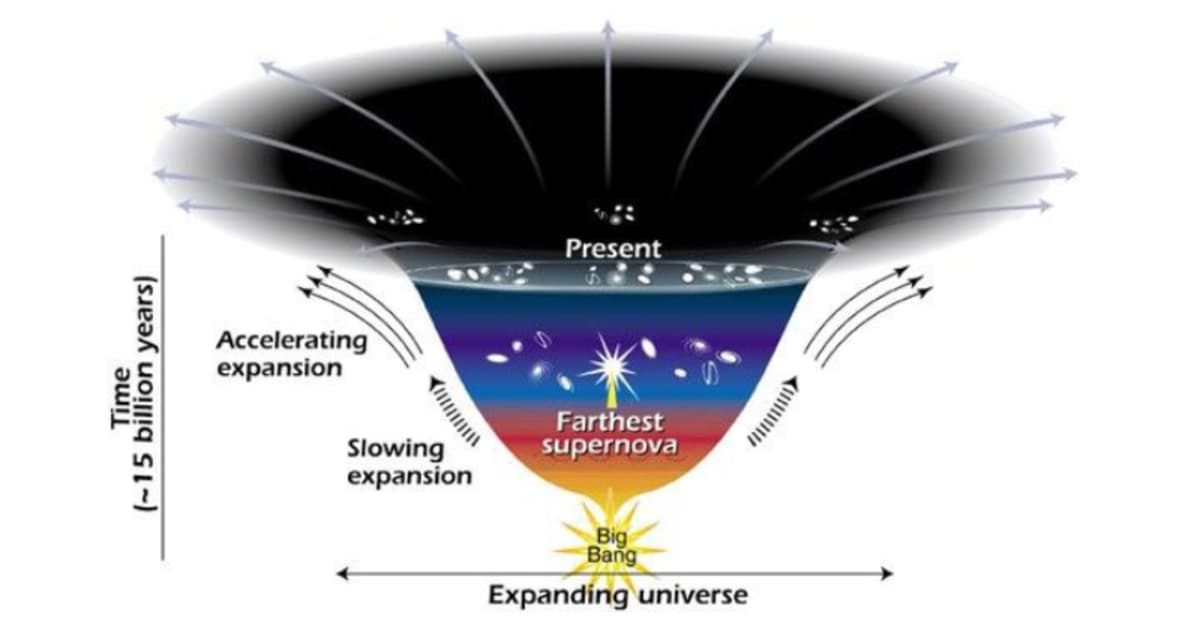
The expansion of the universe is accelerated by what scientists christened dark energy. When observed using datasets obtained from observations of the early universe, scientists were able to determine the Hubble constant. However, discrepancies were found within its values when the same physics were applied to datasets from later observations of the universe, made using type Ia supernovae as a reference. This discrepancy is known as the Hubble tension, which has been a grey area of astrophysical studies for years now.
What this research hopes to achieve is provide even more precise measurements of the Hubble constant in the future, perhaps making it possible to resolve the Hubble tension. Professor Nicolás Yunes of the University of Illinois was quoted as saying, “This result is very significant—it’s important to obtain an independent measurement of the Hubble constant to resolve the current Hubble tension. Our method is an innovative way to enhance the accuracy of Hubble constant inferences using gravitational waves.”

Bryce Cousins, lead author of the study, and a physics graduate of the University of Illinois, explained the mechanism of the research. Describing the source of the data gathered for the study, Cousins stated, “Because we are observing individual black hole collisions, we can determine the rates of those collisions happening across the universe.” Expanding further, he reasoned, “Based on those rates, we expect there to be a lot more events that we can’t observe, which is called the gravitational-wave background. This should pave the way for applying this method in the future as we continue to increase the sensitivity, better constrain the gravitational-wave background, and maybe even detect it. By including that information, we expect to get better cosmological results and be closer to resolving the Hubble tension.”
How fast is our universe expanding? Observations of the early universe can predict this rate. But new @NASAHubble data supports findings that the modern universe is expanding even faster than expected.
— NASA (@NASA) April 25, 2019
We may need new theories to explain the difference: https://t.co/ObmGYwaWvH pic.twitter.com/huKbf6Rrzc
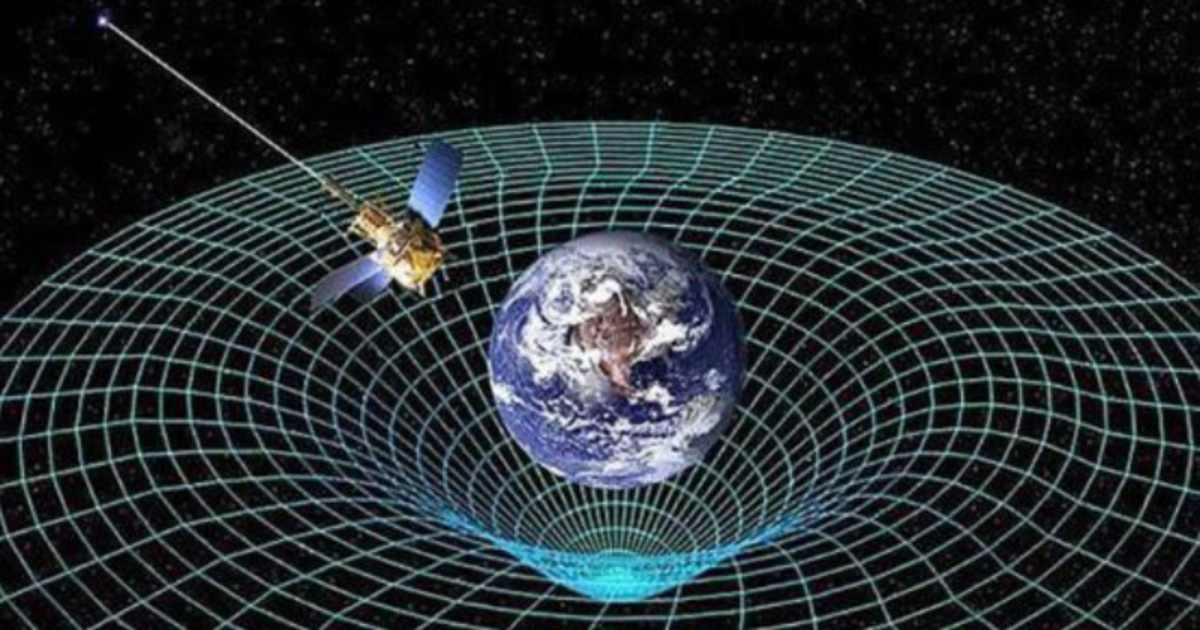
Studies about the expansion of the universe and dark energy find their roots in Einstein’s theory of general relativity. This landmark theory from 1915 described our universe as a fabric of space and time, with possibilities of it bending and warping around objects with mass. From sources like supernovae and binary black holes, scientists could observe ripples emanating within this fabric. The gravitational wave method of studying the expansion of the universe leans on this property of space to arrive at more accurate conclusions. Gravitational-wave data is gathered using the Virgo gravitational wave detector in Italy and the KAGRA detector in Japan, which form the LIGO-Virgo-KAGRA collaboration.
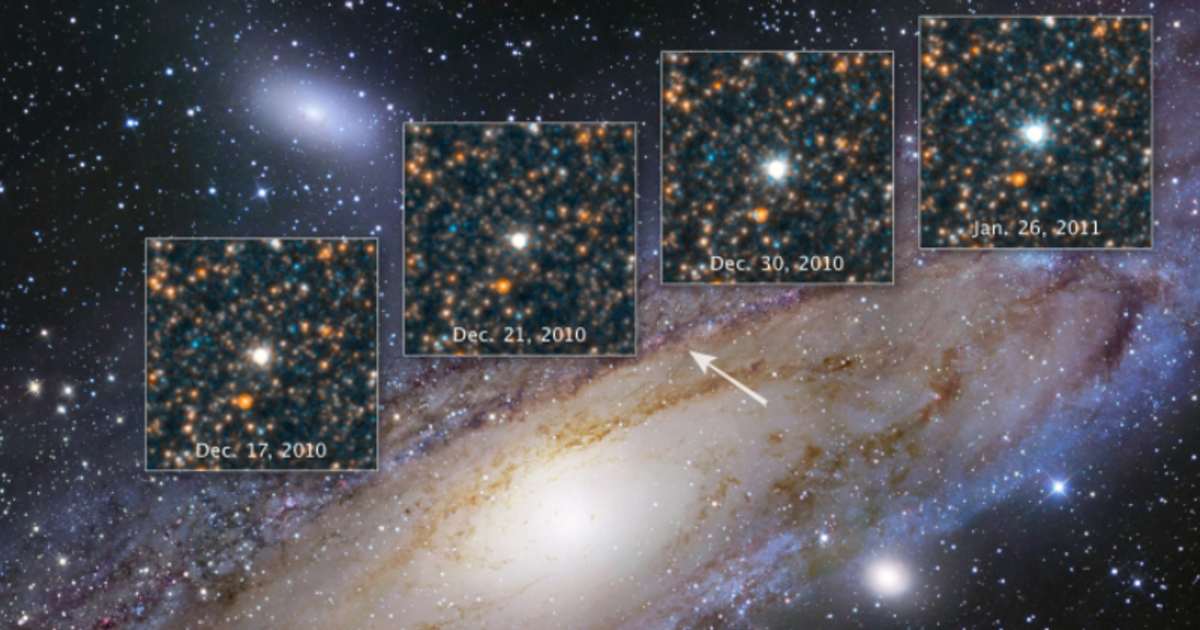
Older methods of observing the expansion broadly involve readings of electromagnetic radiation, such as the aforementioned readings from a type Ia supernova. It measures the distance of these sources from us while comparing it with the red shift of their light caused by their movement away from us, a consequence of the Doppler effect. The red shift served as a direct indication of the expansion of the universe.
Part of this research was conducted by Daniel Holz. He is a Physics, as well as Astronomy & Astrophysics professor at the University of Chicago. Commenting on this breakthrough, he said, “It’s not every day that you come up with an entirely new tool for cosmology”. Speaking further on the implications of this study, he stated, “We show that by using the background gravitational-wave hum from merging black holes in distant galaxies, we can learn about the age and composition of the universe. This is an exciting and completely new direction, and we look forward to applying our methods to future datasets to help constrain the Hubble constant, as well as other key cosmological quantities.”
More on Starlust
Earth’s expanding radio bubble reveals how far human signals have spread into space
Dusty galaxies from the universe's far edges show star formation had begun earlier than suspected