Blood moon alert: Here's everything you need to know about next year's total lunar eclipse
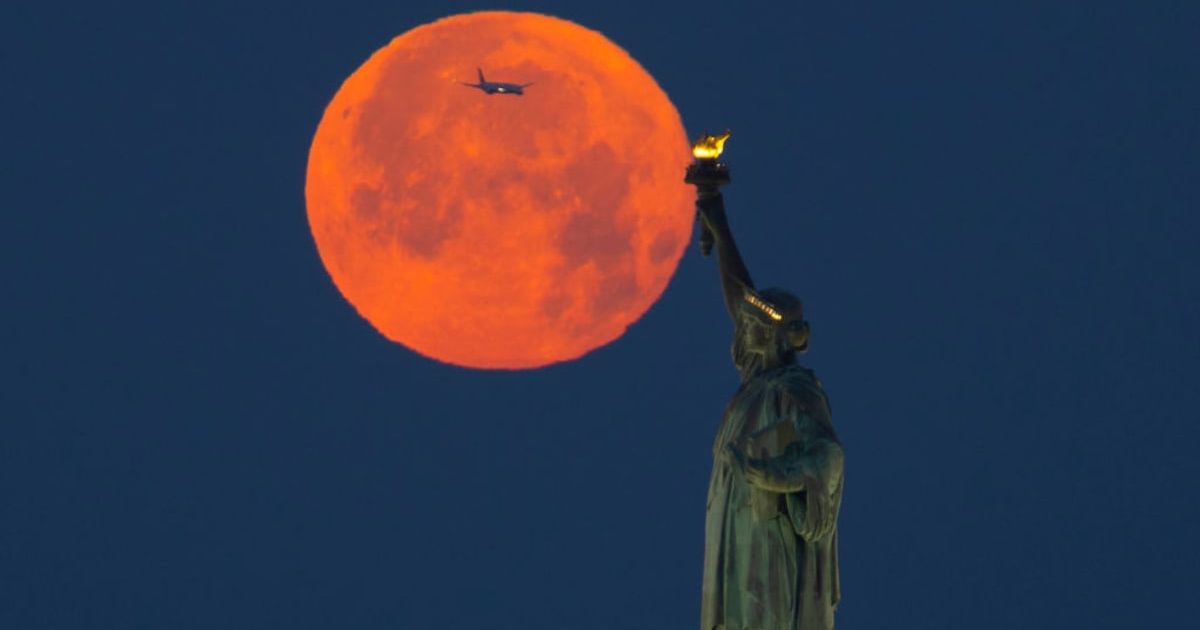
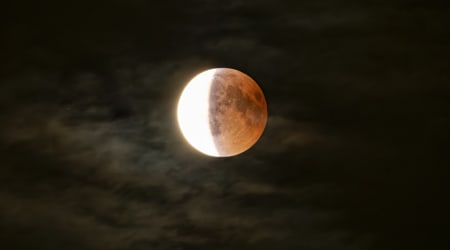
On March 3, 2026, skygazers around the world will be treated to one of the most dramatic skywatching events that nature has to offer—the blood moon. According to NASA, a total lunar eclipse shall occur on the date, transforming our white neighbor into a glowing red one as it passes completely into Earth's shadow.
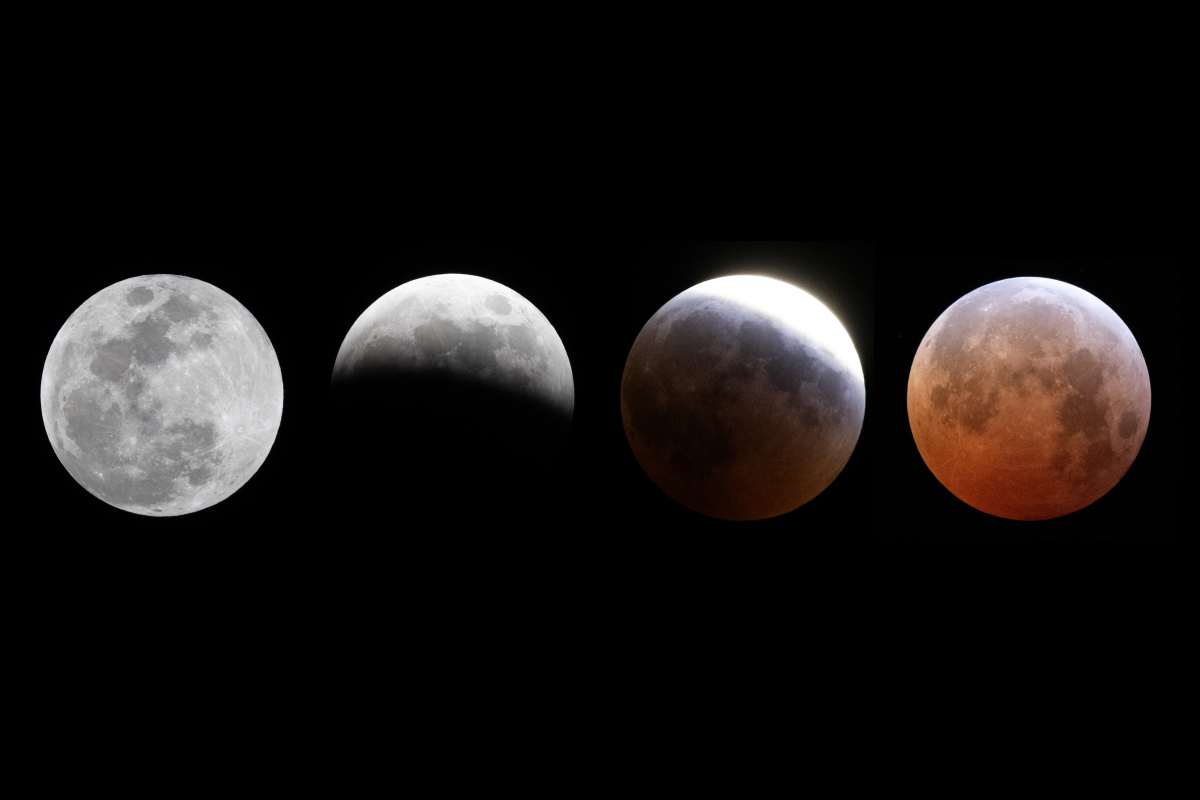
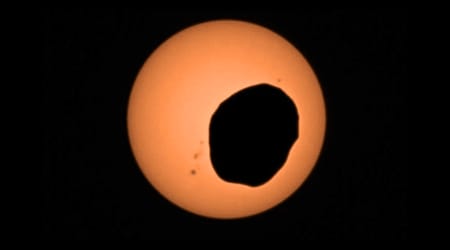
Eclipses occur about four to seven times a year when Earth, the Sun, and the Moon align themselves in a straight line. The reason we don't see eclipses every month is because the Moon's orbit is tilted relative to Earth's orbit around the Sun. While solar eclipses occur when the Moon blocks out the Sun from our view, lunar eclipses take place when Earth comes between our sole natural satellite and our host star.
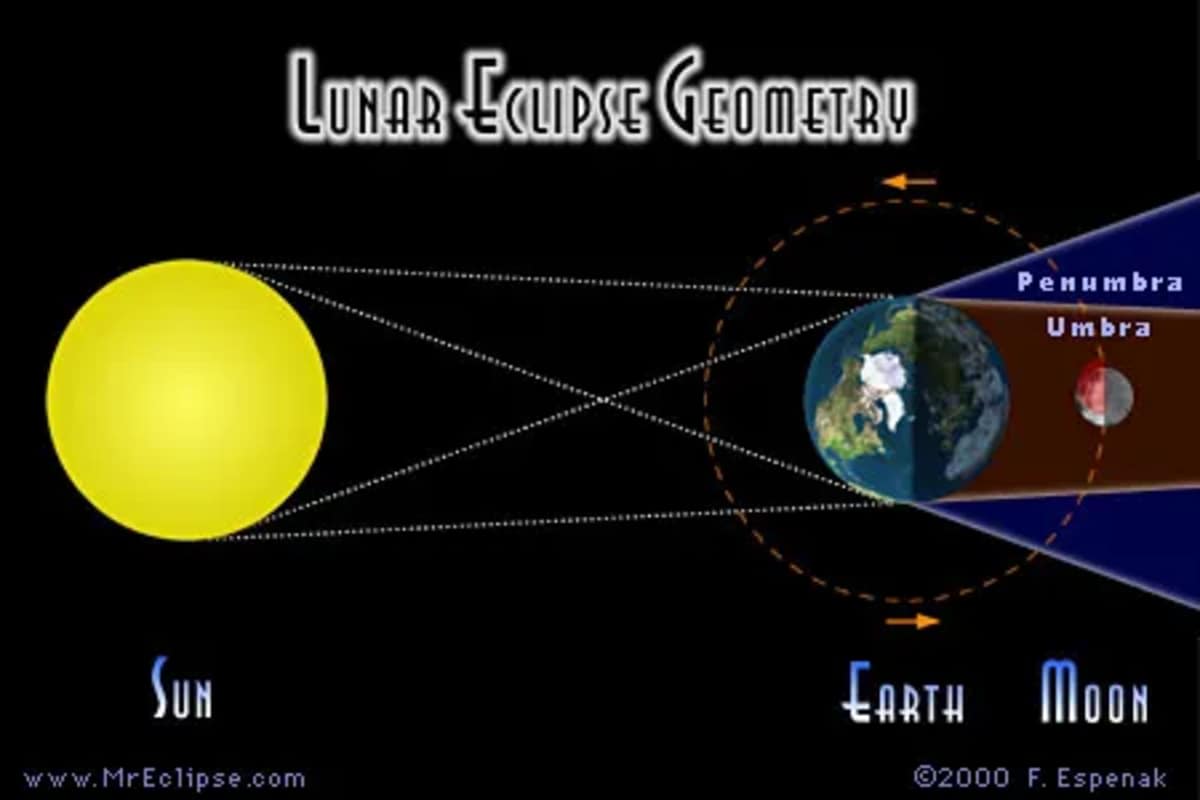
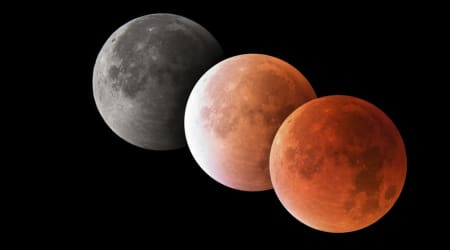
What gives a total lunar eclipse its signature red hue is the Earth's atmosphere. NASA explains that some of the sunlight passing through the atmosphere reaches the Moon. Shorter wavelengths like blue and violet are scattered away, while red and orange wavelengths continue through and illuminate the lunar surface. The result is a moon bathed in coppery and crimson tones; this phenomenon is popularly known as the blood moon. As for the intensity of the color, it depends on how cloudy or dusty Earth's atmosphere is during the eclipse.
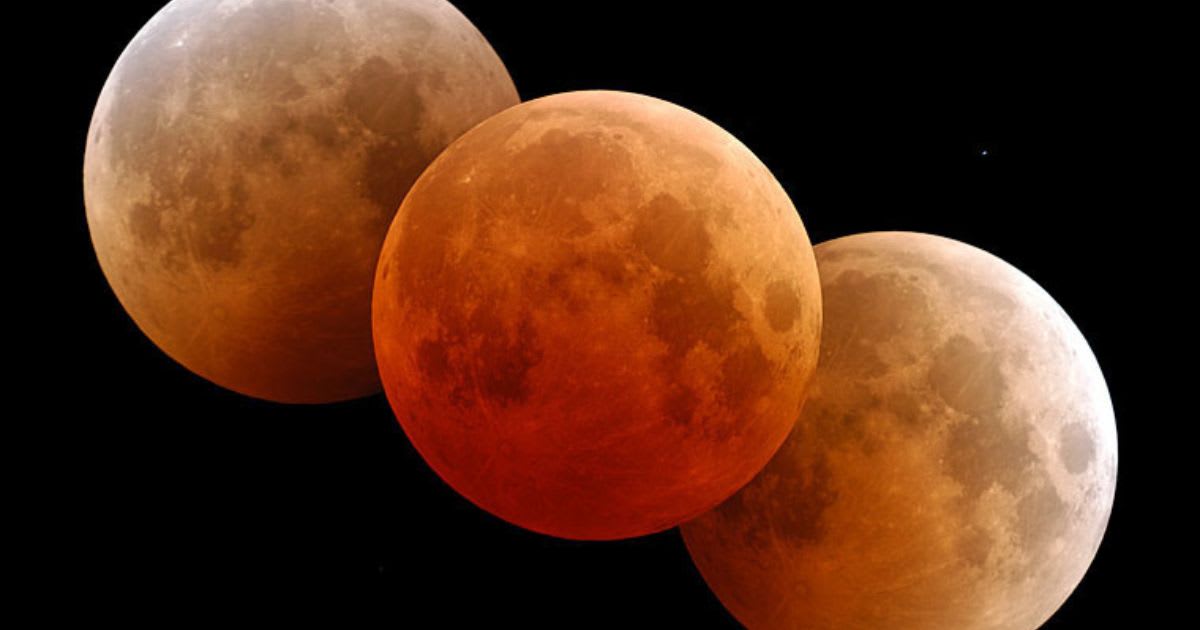
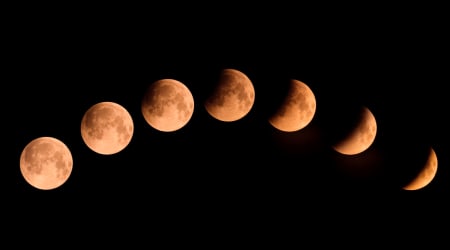
The March 3, 2026, eclipse stands out not only for its color but also for its length. According to NASA, the entire lunar eclipse will last approximately 3 hours and 27 minutes, from the moment the Moon begins to enter Earth's outer shadow until it fully exits. The most dramatic phase will be the totality, when the Moon is completely engulfed by the umbra (the inner part of Earth's shadow), and it's going to last for about 58 minutes.
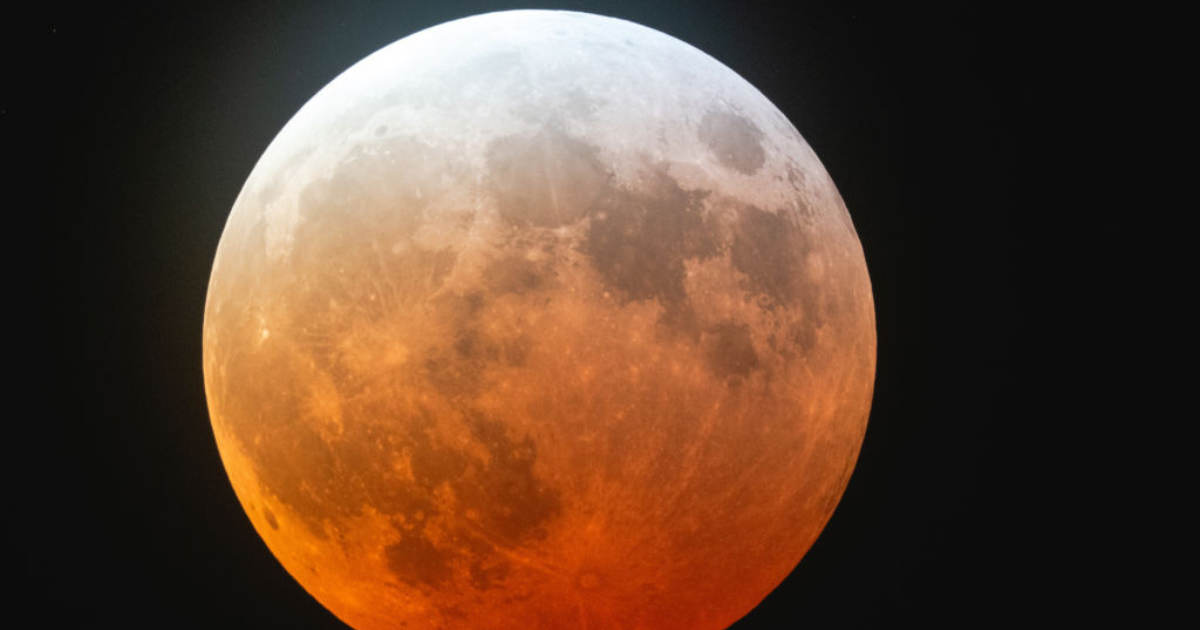
The eclipse will be visible across a vast region of the globe, including Asia, Australia, the Pacific regions, and the Americas. Anyone living in these areas and with clear skies and the Moon above their horizon will be able to witness the eclipse without the need for travel or specialized equipment. Lunar eclipses are completely safe to be observed by the naked eye, unlike solar eclipses, which usually require some sort of protective eyewear.
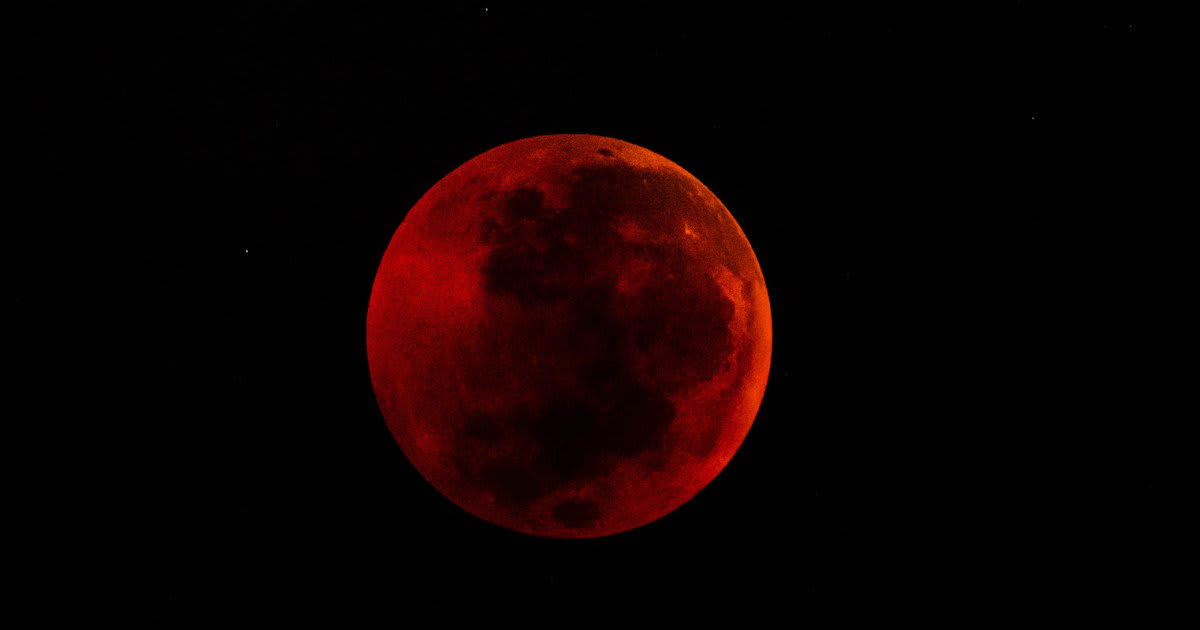
The March 2026 blood moon will be the first since the one that took place on September 7, 2025, whose totality was slightly longer at 1 hour and 22 minutes and was visible across Europe, Asia, Africa, and Australia. In fact, the 2026 blood moon will also be the only blood moon to grace the skies till December 31, 2028. Its totality is predicted to last for 1 hour and 11 minutes, and it will also be visible in the Pacific as well, along with Europe, Asia, Australia, and Africa. So, unless you want to wait for another couple of years, you'd be wise to mark March 3, 2026 on your calendar.
More on Starlust
Don't miss the century's longest Total Solar Eclipse — here's the exact date