Auroras may be visible across 15 states tonight as solar activity triggers geomagnetic storm watch
NOAA's Space Weather Prediction Center (SWPC) has issued a geomagnetic storm watch for this evening as high-speed streams (HSS) that have escaped from a coronal hole on the Sun are headed towards Earth. Depending on the strength of these high-speed streams, the geomagnetic effects on Earth could touch G1 (minor) levels, which would have mostly manageable effects on technological infrastructure.
G1 Watch out for Thursday night EST (early 9 Jan UTC-day) due to anticipated CH HSS effects and perhaps, weak CME influences. There is moderate certainty for CH HSS effects, but low confidence for any CME influences. As always, visit https://t.co/TV7Yw6Lq1Y for further info. pic.twitter.com/7JZt7h4Hyk
— NOAA Space Weather Prediction Center (@NWSSWPC) January 7, 2026
Additionally, the sun has released a pair of coronal mass ejections (CMEs) from its sunspot groups on the southeast quadrants. CMEs are violent eruptions that send huge clouds of solar plasma and magnetic fields spaceward from the solar surface. Like high-speed streams, these winds or plasma clouds can spark geomagnetic storms when they strike Earth's magnetic field. That being said, while the inbound HSS can result in a geomagnetic storm, there's a good chance that the effects of the CMEs may not be felt at all. What's even better news is that the predicted geomagnetic storm could result in lovely auroras.
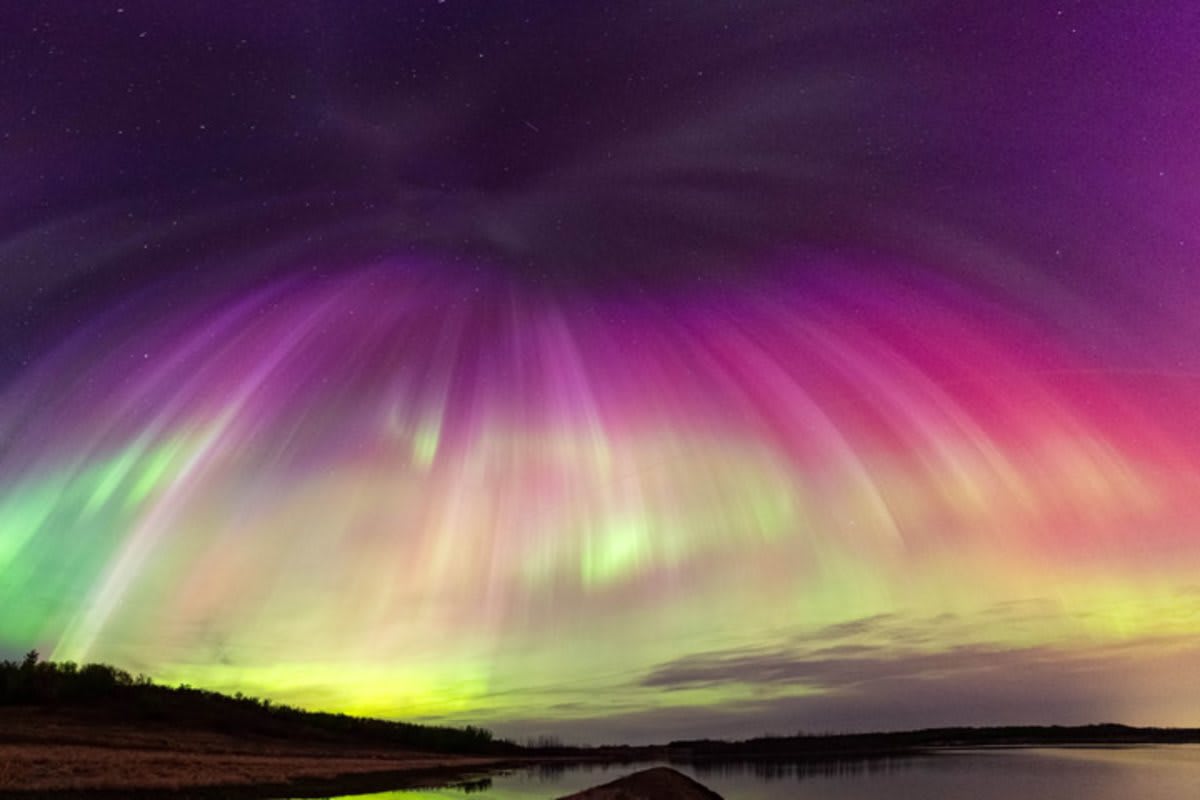
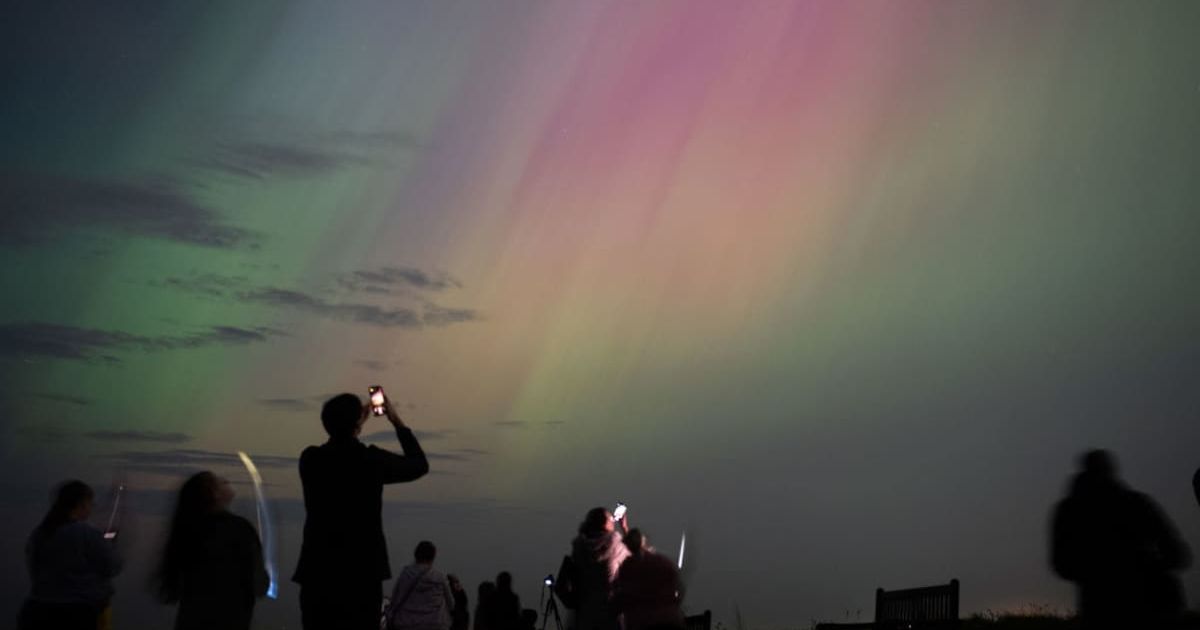
The SWPC says the display could stretch across as many as 15 U.S. states. Alaska is virtually certain to see it, while folks in Northern Minnesota, North Dakota, and Michigan may also catch good views. Residents of Washington, Idaho, Montana, South Dakota, Wisconsin, and Maine also have a moderate shot at seeing the lights. Even states as far south as New York, Vermont, New Hampshire, Ohio, and Pennsylvania could catch a faint show if the storm strengthens.
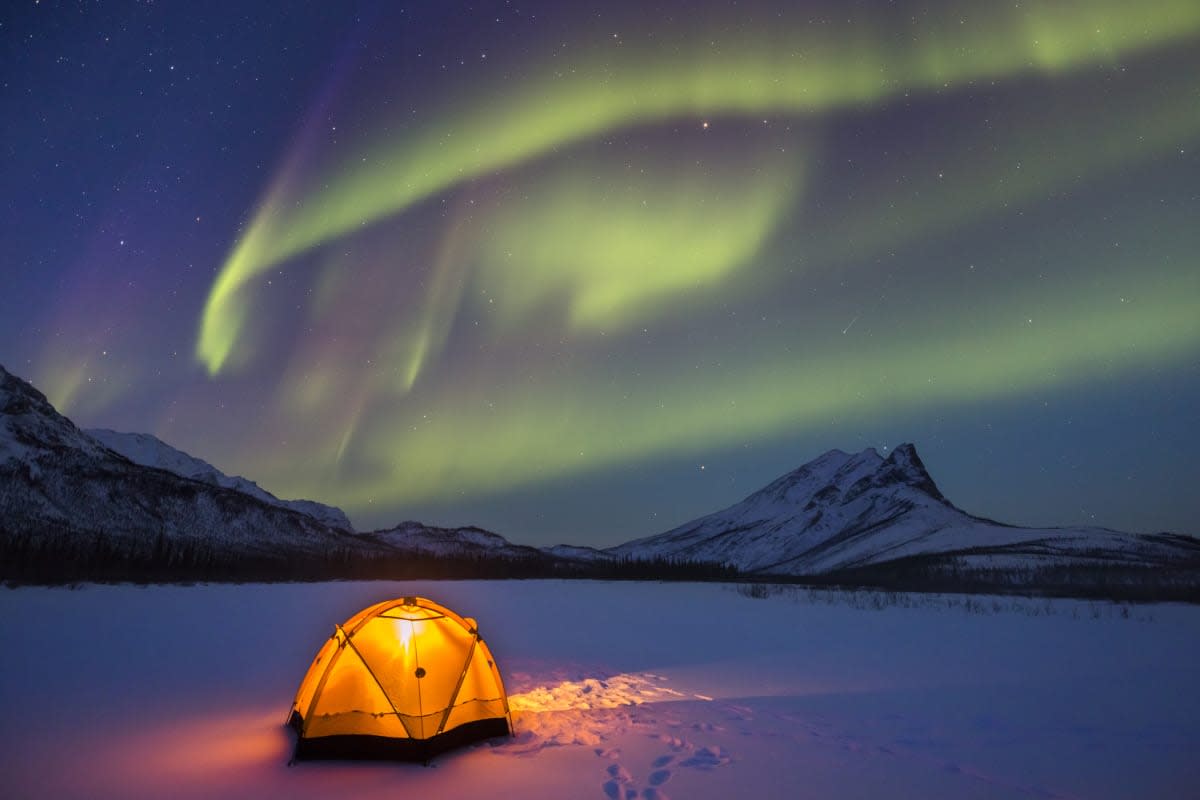
These iconic light displays are the result of intense interactions between solar energy and Earth's magnetic shield. The sun constantly sends charged particles our way, and our magnetic field captures that energy and stores it. When the release occurs, it spills out into the atmosphere, creating brilliant colors seen from the ground. The exact hues depend on which gases are struck by particles at different altitudes. Green is the most familiar color, produced by oxygen about 60 to 120 miles up. If the reaction climbs higher, above 120 miles, the aurora can take on a deep red cast.
Numerous remote spots provide the unspoiled dark heavens that are a must for a great viewing experience. According to Booking.com, due to its location in the middle of the "auroral oval" and its clear skies, Fairbanks, which is a 2.5-hour drive from the Denali National Park and Preserve in Alaska, is still the No. 1 destination. But then again, it's not the only good place to enjoy auroras. The Voyageurs National Park in Minnesota and the Theodore Roosevelt National Park in North Dakota are also places that have great viewing experiences to offer. If you live in the West, then the Idaho Panhandle National Forests will be a picturesque site where the aurora can shimmer on the lakes in the mountains. Then there is the Katahdin Woods and Waters National Monument, which is a mere 1.5-hour drive from Bangor in Maine. It offers a similar, delightful retreat from urban light pollution.
More on Starlust
Scientists solve a decades-old mystery by finding the hidden source of solar flare gamma rays