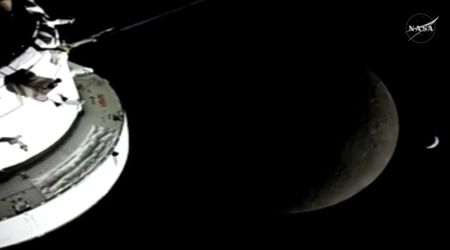
Artemis II wet dress rehearsal: NASA postpones crucial fueling test, citing bad weather
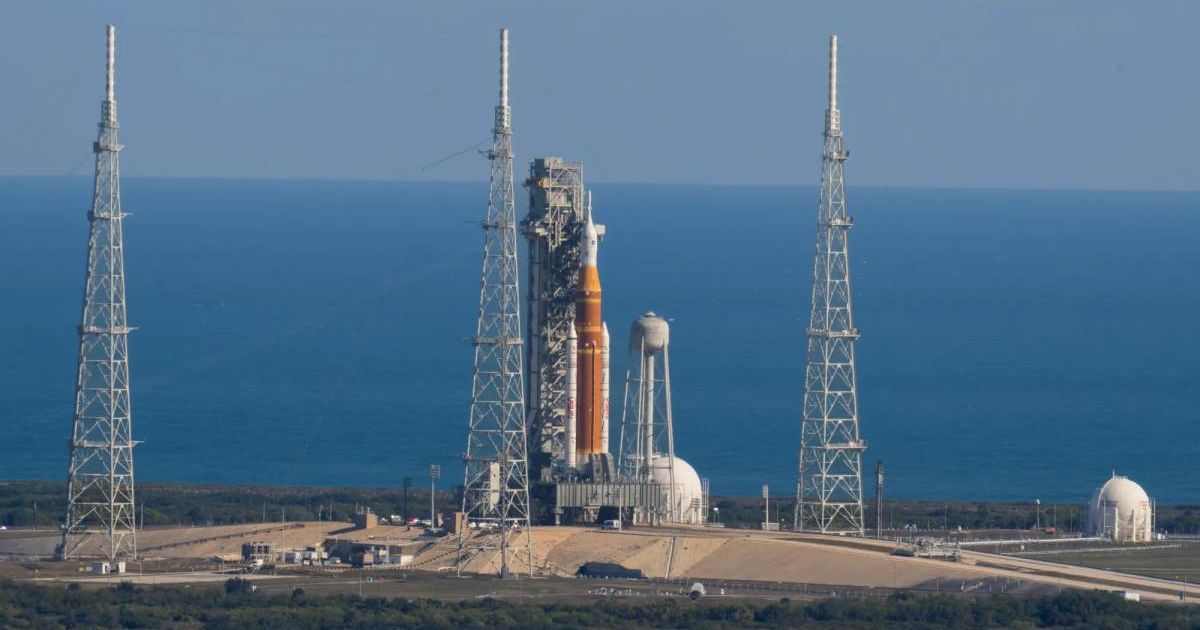
Unfavorable weather in Florida has forced NASA to reschedule the Artemis II wet dress rehearsal that was previously set to take place on Saturday, January 31, 2026. The American space agency announced in a press release dated January 30 that it is now targeting February 2 as the tanking day for the crucial fueling test at the Kennedy Space Center.
Due to weather, we now plan to fuel our Artemis II Moon rocket on Monday, Feb. 2, at Kennedy Space Center in Florida. With this adjustment, the earliest possible launch date is Sunday, Feb. 8. A launch date will be set after teams have reviewed the results of the wet dress… pic.twitter.com/JHZV8Elqzt
— NASA (@NASA) January 30, 2026
"Over the past several days, engineers have been closely monitoring conditions as cold weather and winds move through Florida," the press release stated. "Managers have assessed hardware capabilities against the projected forecast given the rare arctic outbreak affecting the state and decided to change the timeline." Because of the delay, February 6, the earliest launch opportunity for the mission, is no longer a feasible choice. Neither is February 7. As a result, the earliest date on which the mission can launch now is February 8. Liftoff could be postponed further if any more delays happen, with February 10 and 11 being the remaining two opportunities in the coming month. To battle the cold conditions in the meantime, NASA personnel have kept the Orion spacecraft powered on so that its heating system can continue running. "Purges, used to maintain proper environmental conditions for elements of the spacecraft and rocket, including the booster aft skirts, are also configured for the weather," the agency added.
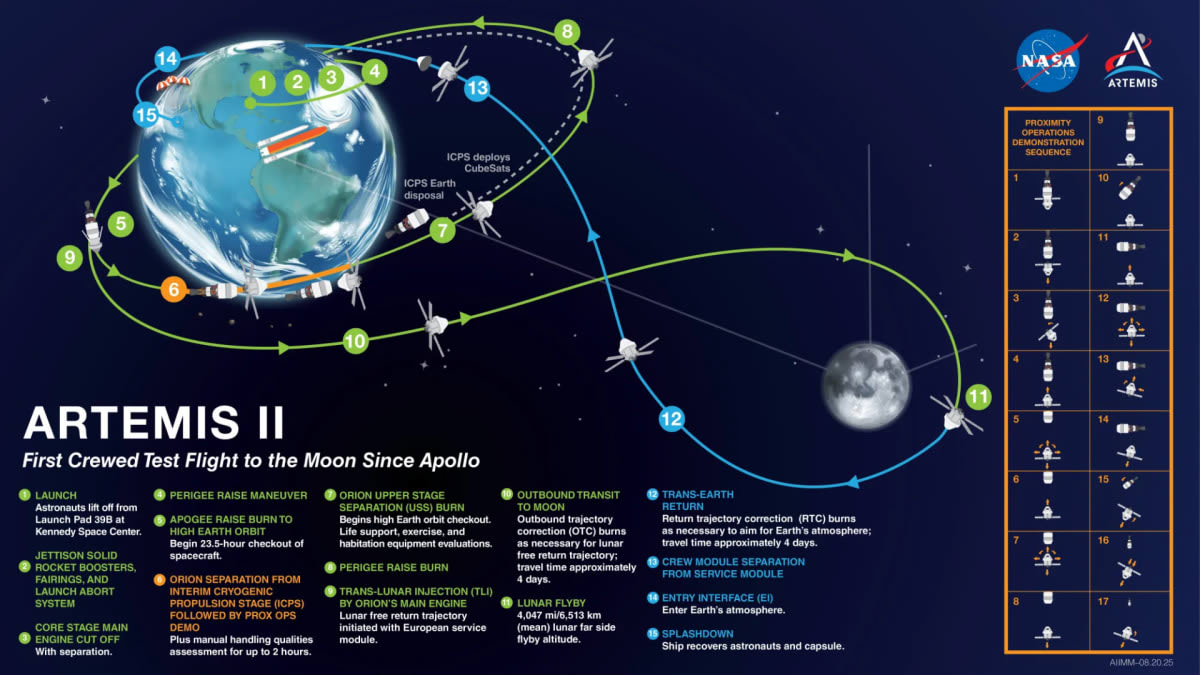
The wet dress rehearsal will see NASA personnel load over 700,000 gallons of super-cool propellants into the Space Launch System (SLS) rocket, without the astronauts on board. These propellants will then be safely removed. Additionally, according to NASA, the rehearsal will see the team go through several "runs" to count down to a simulated launch at 9 p.m. EST (0200 GMT the next day).
During the first of these runs, which will begin about 49 hours prior to the mock liftoff, the relevant teams will be summoned to their respective stations to count down to within 1 minute 30 seconds of the launch. This will be followed by a 3-minute hold, with the countdown then resuming to 33 seconds, at which juncture the automatic launch sequencer of the rocket will take over. Following this, the team will revert back to T-10 minutes and pause before resuming the countdown to 30 seconds prior to launch for the second run. Of course, the weather will continue to be monitored over the period leading up to the test.
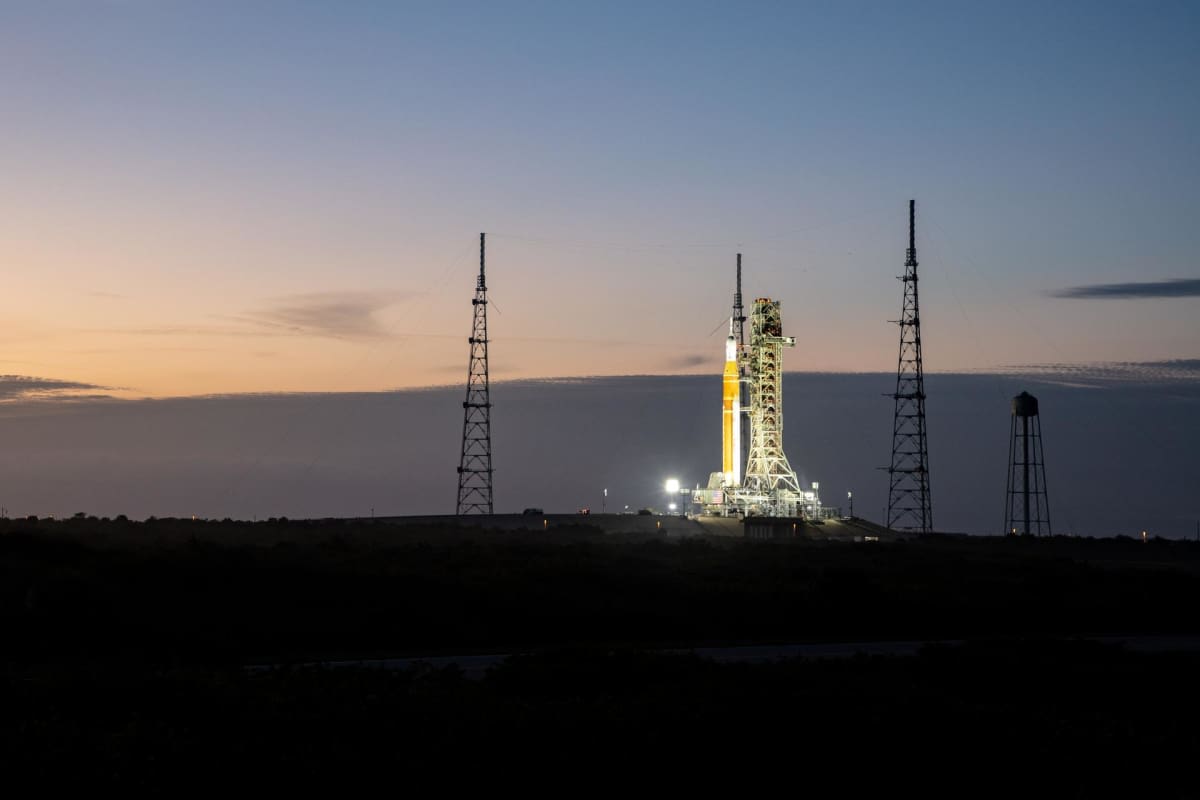
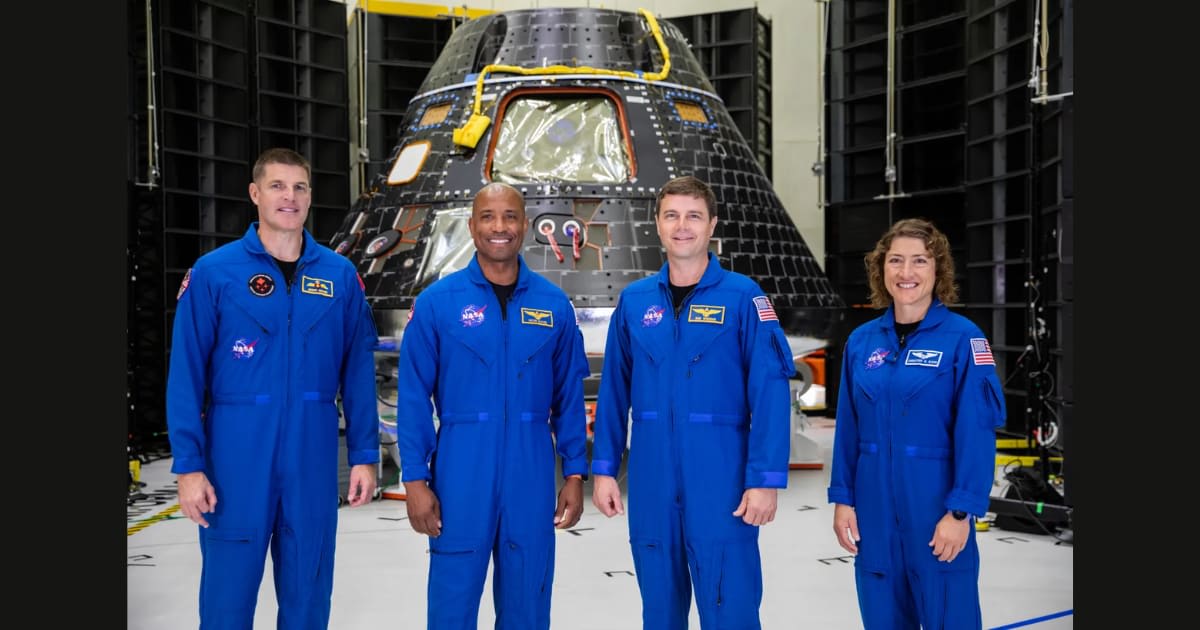
Needless to say, caution is the name of the game for the American space agency, especially considering the challenges that were encountered during the wet dress rehearsals of the uncrewed Artemis I mission in 2022. While NASA has assured that it has incorporated those lessons, it will not hesitate to hit pause should any issue arise during the wet dress rehearsal or the procedures after. Engineers will especially keep an eye out for the loading of liquid oxygen and liquid hydrogen into the rocket. Teams will also closely scrutinize the recently updated procedures that are to limit the accumulation of gaseous nitrogen between the crew module of the Orion spacecraft and the hatches of the launch abort system. Any unaddressed issues in this area could cause problems for the closeout crew, which will secure the astronauts in the spacecraft and close its hatches. Additional wet dress rehearsals may be required before the rocket and spacecraft are cleared for flight. NASA may even roll them back to the Vehicle Assembly Building if there's a need.
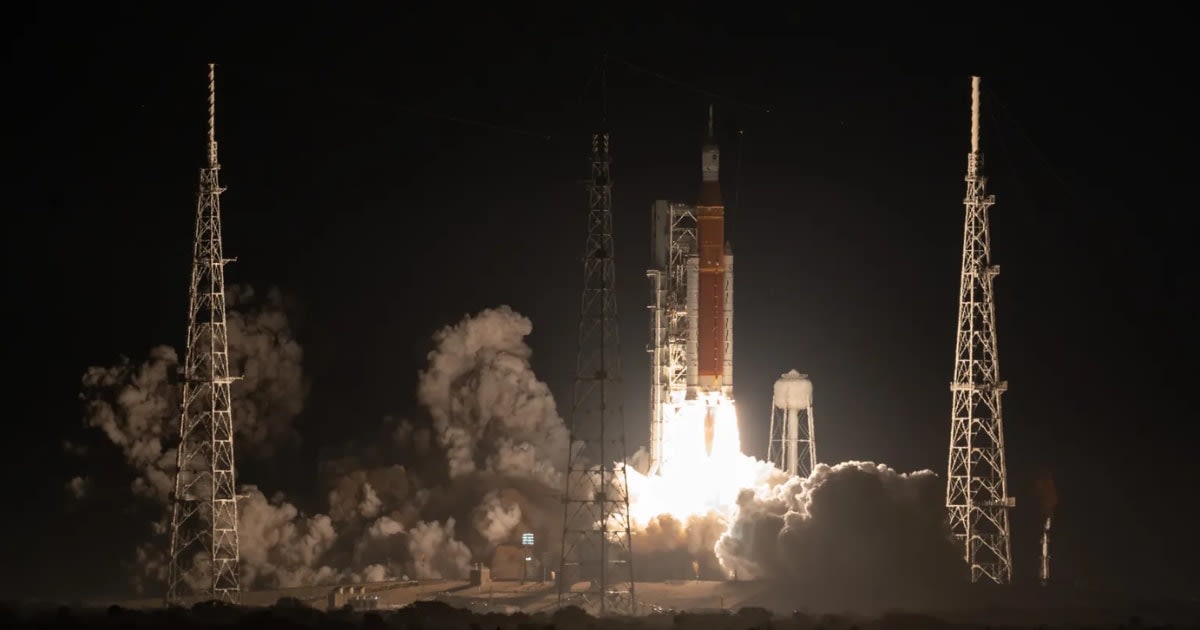
Even if the wet dress rehearsal proceeds satisfactorily, NASA will have to take into account several other factors, including readiness across flight hardware, launch infrastructure, and recovery teams, before deciding on a launch date. In case the February period does not see liftoff, NASA will rely on the two other launch periods in March and April. Either way, irrespective of when the launch takes place, it will be forever etched in history as the one that took humans back to the moon after more than half a century.
More on Starlust
Artemis II mission will take bone marrow cells on thumb-drive-sized chips to the Moon
NASA’s Artemis II mission to carry mementos into space, honoring America’s independence