Artemis II completes translunar injection, leaves Earth orbit and heads toward the Moon
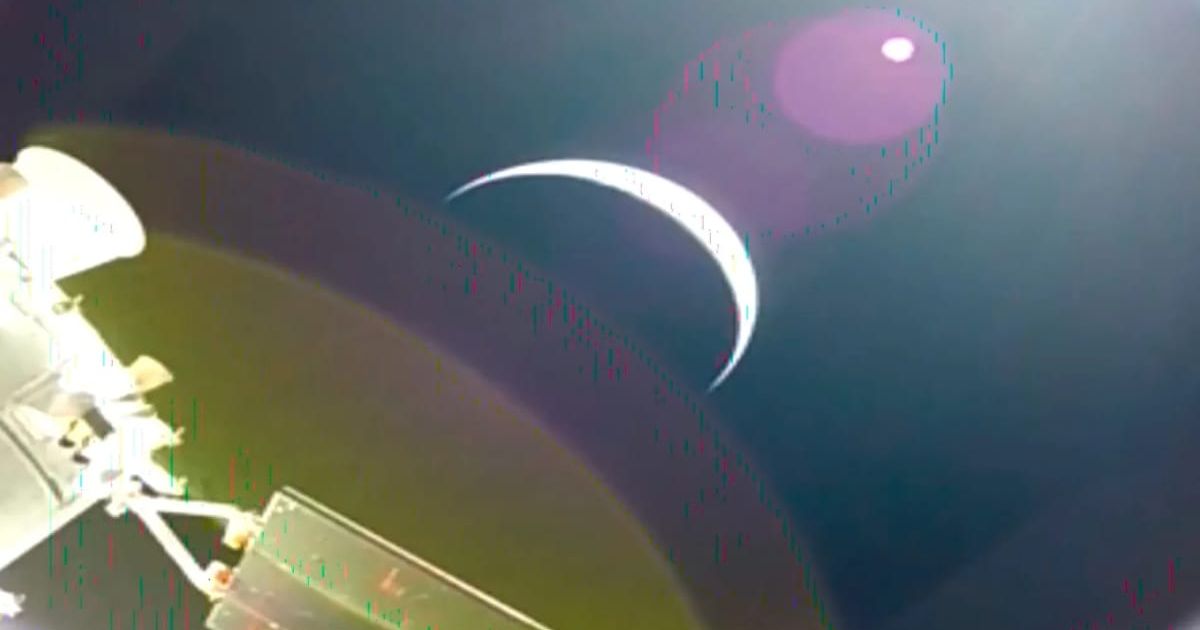
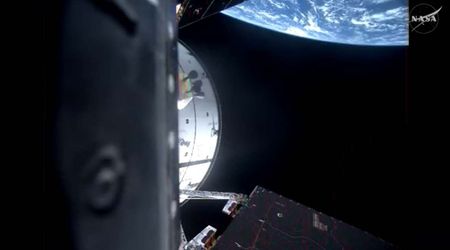
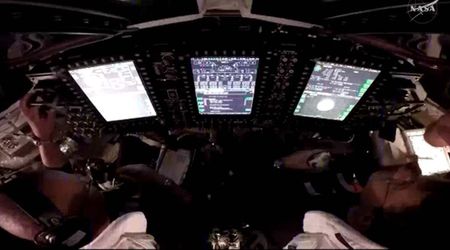
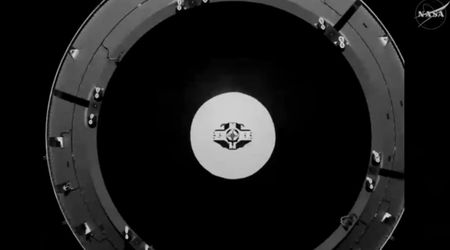
On the second day of its historic flight, the Artemis II mission officially left Earth orbit—for the first time since Apollo 17 in 1972—after Orion successfully completed the translunar injection burn (TLI). The maneuver began at 7:49 p.m. EDT and lasted 5 minutes and 50 seconds, establishing a clear trajectory to the Moon. The Artemis II mission management team gave the official “Go” for TLI, as Orion’s main engine produced nearly 6,000 lbs of thrust to provide the required push for the spacecraft to escape Earth orbit. This is similar to a car going from 0 to 60 mph in about 2.7 seconds.
Nominal translunar injection burn complete. The Artemis II crew is officially on the way to the Moon.
— NASA Administrator Jared Isaacman (@NASAAdmin) April 3, 2026
America is back in the business of sending astronauts to the Moon. This time, farther than ever before.
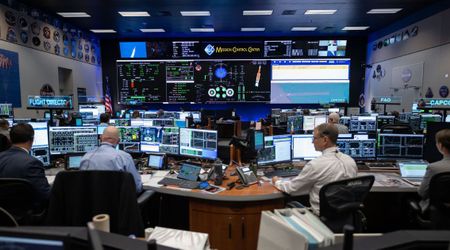
The TLI burn is one of the most critical moments of the 10-day mission. The maneuver is responsible not just for sending Orion on its way to the Moon but also for setting it on a free-return trajectory back to Earth. It did so by producing a change in velocity by about 1,274 feet per second, pushing it out of Earth orbit. At the time of the burn, Orion weighed about 58,000 pounds, and the engine consumed roughly 1,000 pounds of fuel. During this burn, NASA’s flight controllers carefully monitored Orion’s engine, guidance, and navigation systems, as well as its alignment.
The translunar injection burn not only sets the Artemis II astronauts on the path to the Moon — it also puts the crew in a free return trajectory, which will allow them to use Moon's gravity to return to Earth. https://t.co/kax5kH9s9x
— NASA Artemis (@NASAArtemis) April 3, 2026
The TLI burn comes after the perigee raise burn (PRM), another key maneuver that lasted 43 seconds as Orion ignited its main engine to raise the lowest point of its orbit. PRM is crucial for placing the spacecraft into a stable high Earth orbit and preparing it for TLI. In other news, engineers also found the cause for the brief communications blackout between ground and crew when Orion reached orbit. It was due to a ground configuration issue with the Tracking and Data Relay Satellite, which was fixed quickly and didn’t affect the mission. The Artemis II crew was also reported to be working out on the flywheel exercise device, during which ground teams monitored Orion's air revitalization system, responsible for maintaining a breathable and comfortable cabin environment for the crew.

Now that the flight path is set, NASA’s lunar science team will use a Lunar Targeting Plan to guide what the crew will look at on the Moon’s surface—like cracks and ridges—during their upcoming six-hour flyby on April 6. They will also observe a unique solar eclipse, as the Sun will be hidden from view as it moves behind the Moon, seen from Orion’s perspective.
More on Starlust
Artemis II completes proximity operations demonstration; Orion's perigee raise burn to follow
The Artemis II crew had a toilet scare aboard the Orion spacecraft