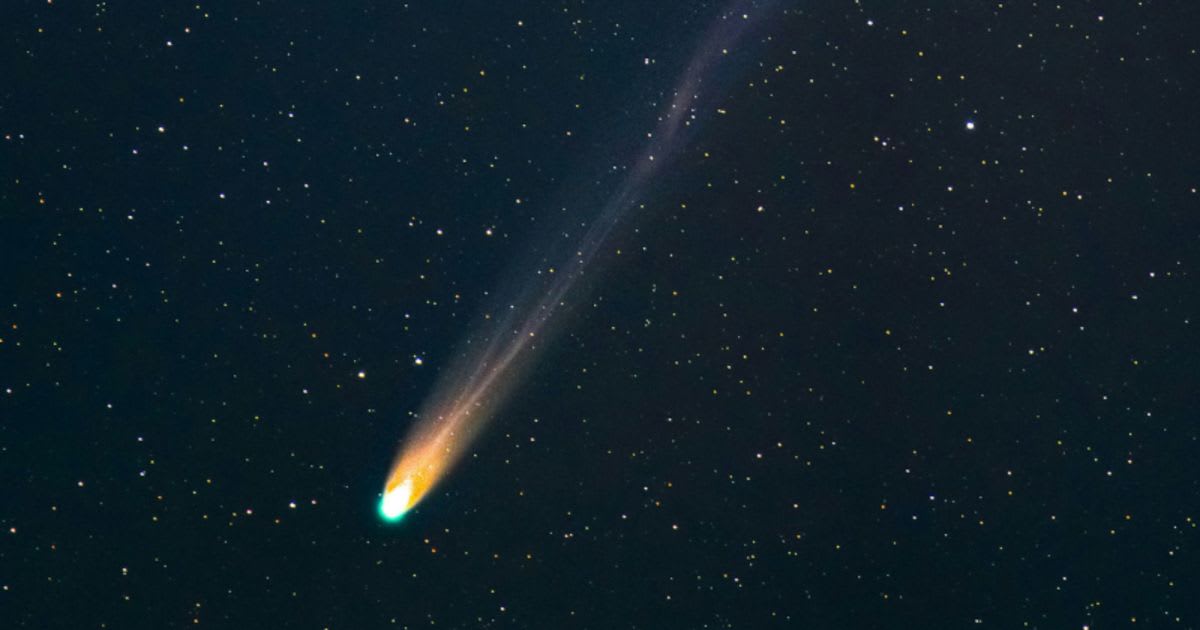
Amateur astronomer captures Mercury's magnificent and bright comet-like tail. See picture
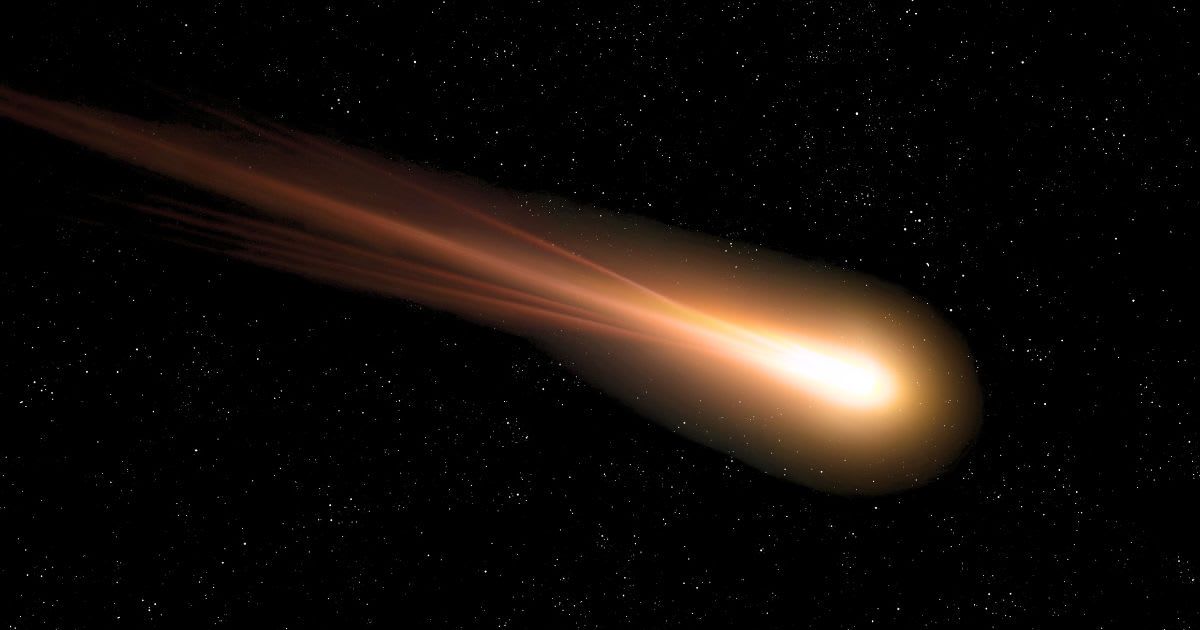
The comet-like tail of Mercury was spotted again as astrophotographer Steven Bellavia captured its image on December 3, 2025, from Surry, Virginia. Mercury’s tail was first predicted in the 1980s and discovered in 2001. It originates from the planet’s super-thin atmosphere as pressure from the sunlight pushes atoms out of the atmosphere into space.
The yellow hue of the tail is due to the sodium in the surface that reaches the atmosphere and scatters sunlight. The bright yellow sodium light was captured at 589nm using a narrowband filter. "This 24 million kilometer plume of gas is being ejected from Mercury due to the sun, very much like a comet," wrote Bellavia as he posted the image of the tail on his social media. According to Tony Phillips of SpaceWeather.com, Mercury's tail is brightest when it is ±16 days from perihelion. This has to do with the Doppler shift of sodium absorption lines in the solar spectrum. The tail could shine as much as 10 times brighter than what Bellavia saw on December 9, when Mercury will be 16 days past its closest approach to the Sun.
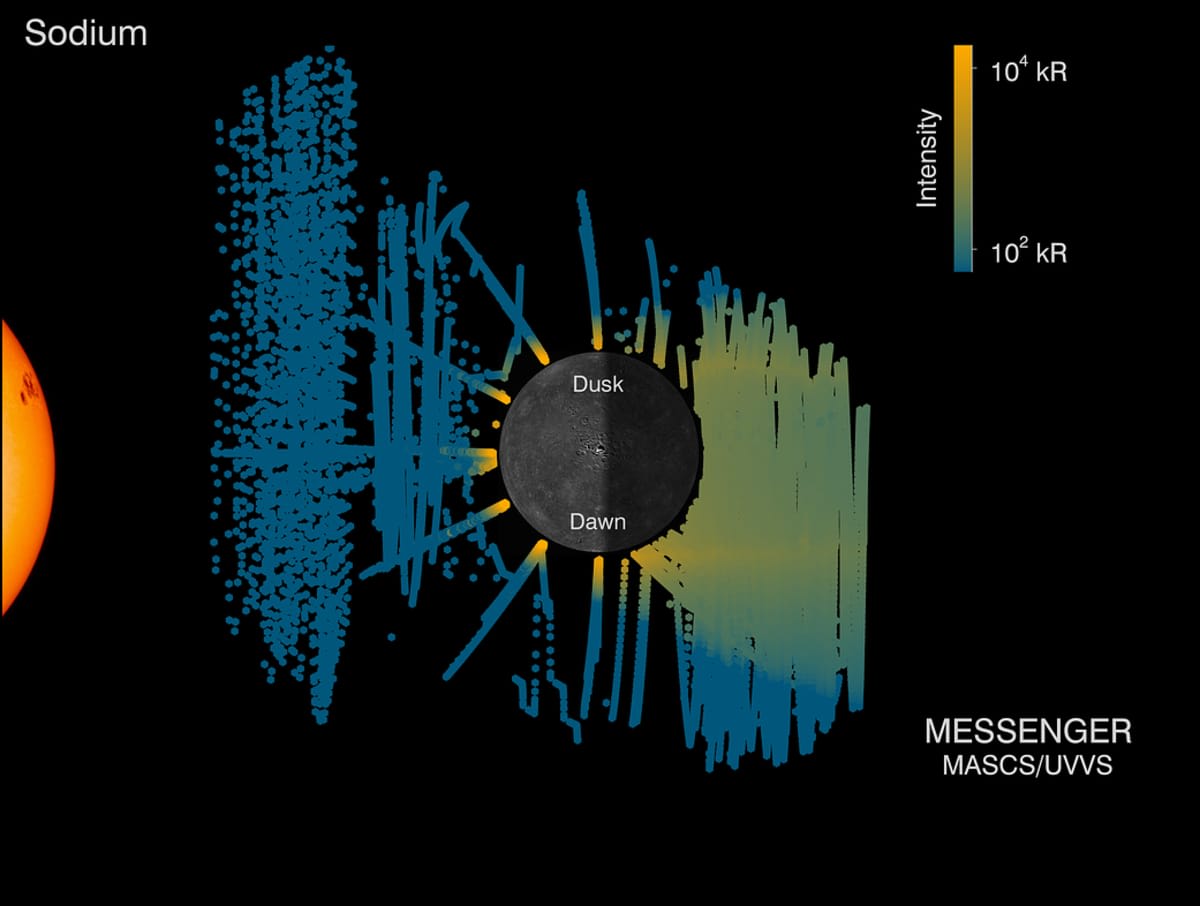
As the planet orbits the Sun, the brightness of the tail increases and decreases. “Multiple observations by NASA's robotic MESSENGER spacecraft that orbited Mercury between 2011 and 2015 revealed more details of this tail,” Bellavia wrote in his post. “I have captured Mercury's tail in four previous attempts, with my first attempt on May 14th, 2021,” he added.
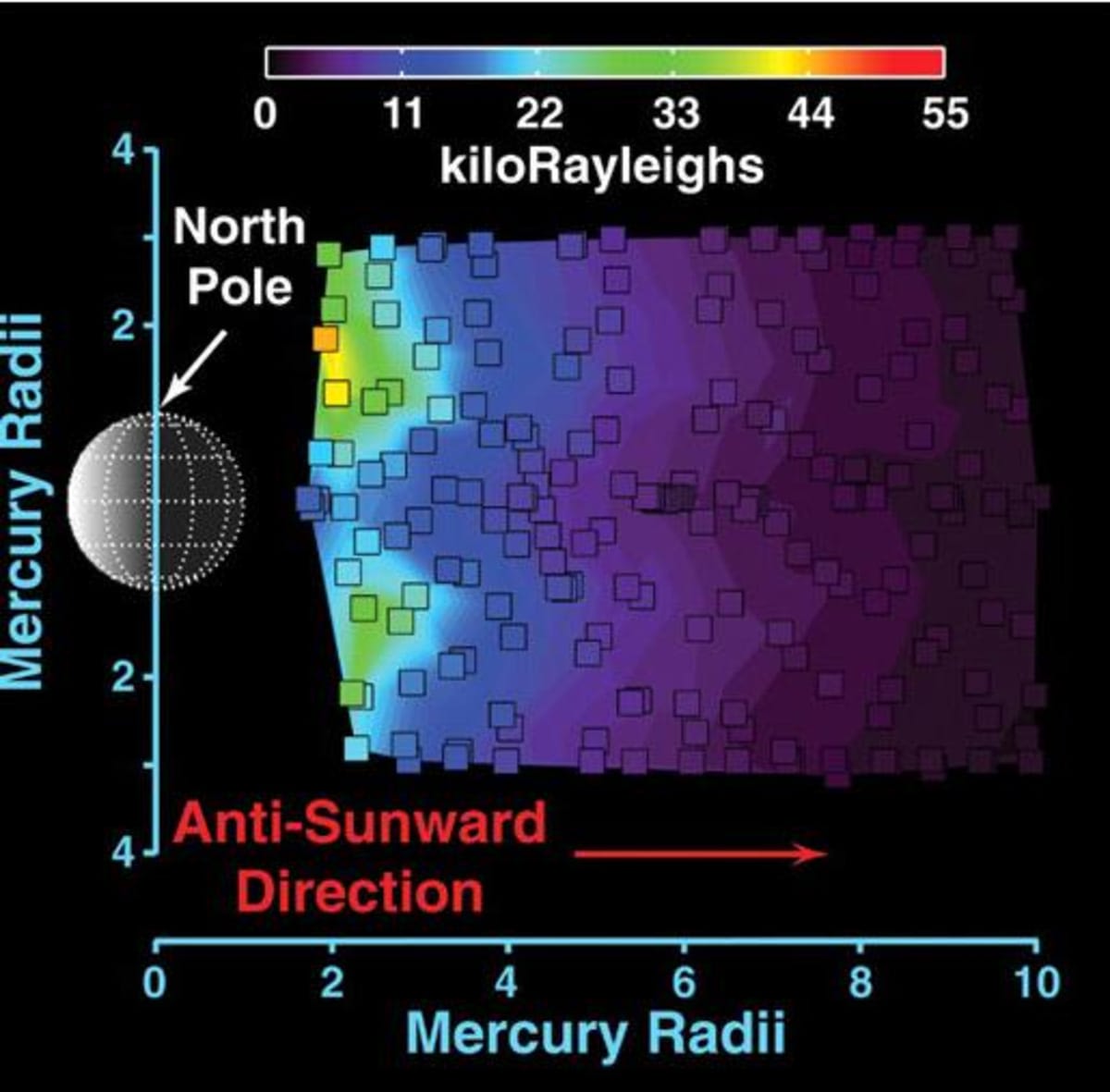
Mercury’s sodium tail is estimated to be around 100 times longer than the diameter of Earth, and the planet reaches its closest approach to the Sun every 88 days. It is not difficult for astrophotographers nowadays to capture great shots of Mercury’s tail. The right equipment, a little knowledge, and the right kind of inspiration go a long way. In fact, Steven Bellavia told EarthSky that he was inspired by an article on Spaceweather to try and capture Mercury’s sodium tail using a 589-nanometer (nm) wavelength filter that lets in the sodium light signature.
“On the morning of Wednesday, May 11, 2021, I ordered a 589 nm narrowband filter, with 10 nm of bandpass [the wavelength range of the filter], from Edmund Optics,” he said, explaining his process. “A friend who owns a 3D printer printed me two rings that I designed to hold the filter, as the filter did not come with the standard mounting used in astronomy. I used the new setup within hours of getting it all together.” It was on May 13 and 14, 2021, that he was finally able to capture the planet's tail.
He set up a tracking German equatorial mount with a Canon 100 mm lens, placing the filter in front of it. During the first night, he captured 30 images with 30-second exposures. On the following night, he used a Borg 90 mm refractor and recorded 20 exposures, each lasting 60 seconds. "I would have liked to have taken many more images, but I needed to wait for the background sky to be dark enough to reveal the tail," he said. "But Mercury was also setting at this time, either behind land or into clouds near the horizon."
More on Starlust
Mercury to be at its greatest eastern elongation on October 29—here's how to spot it
Mercury, Moon and Gemini twins aligned for rare viewing opportunity in June