A look at 5 extraordinary images taken by Hubble Space Telescope in 2025
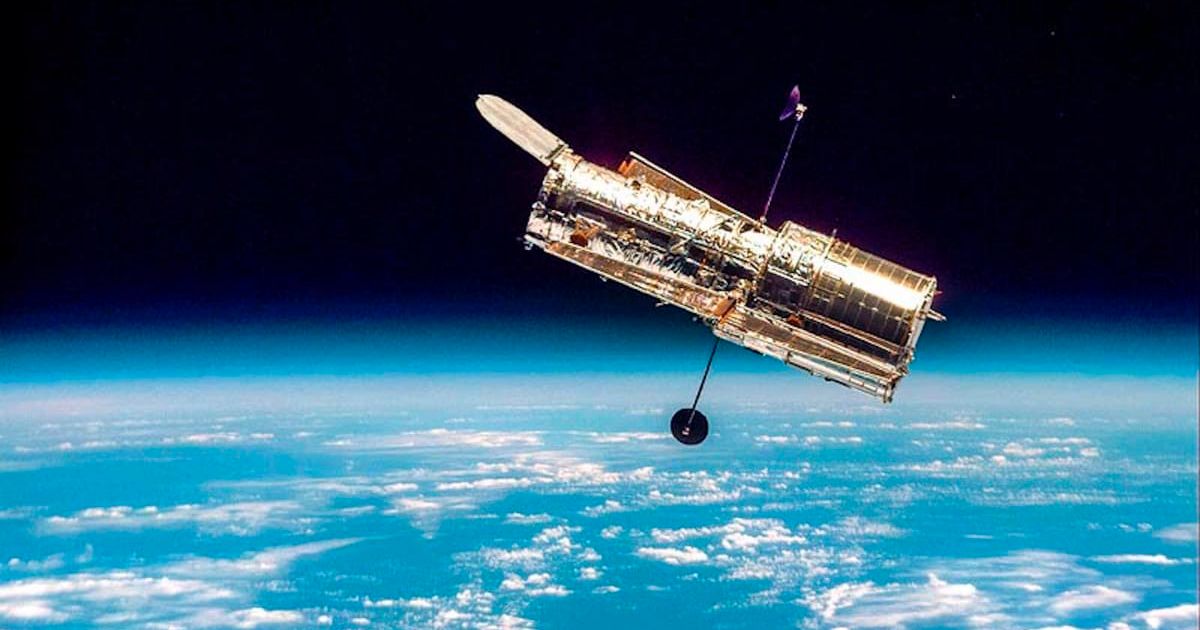
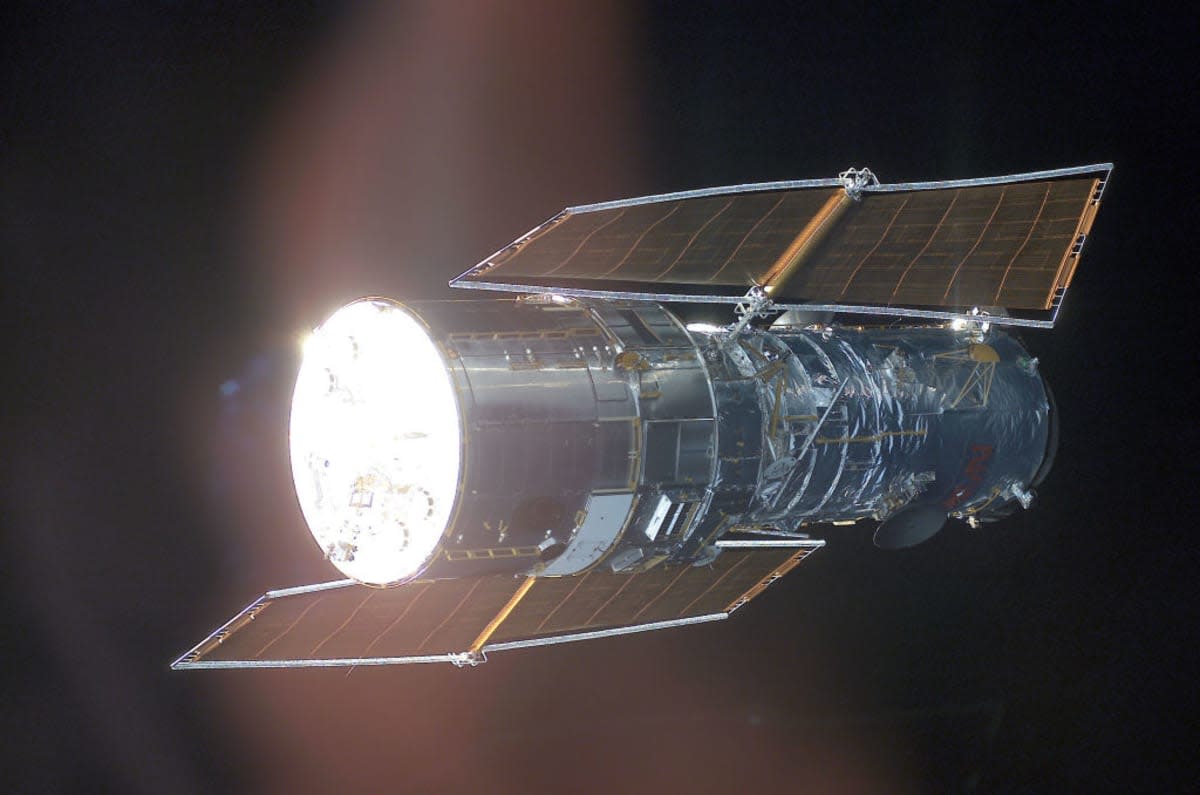
The Hubble Space Telescope had quite an amazing year as it celebrated its 35th anniversary in orbit in 2025. The telescope began its groundbreaking mission in 1990 and continues to deliver enigmatic images of the cosmic universe. The telescope occupies an optimal position in the low-Earth orbit with an unobstructed view, according to NASA. Throughout the year, space agencies like NASA and ESA released various images from the Hubble. Here’s a look at some of the iconic images captured by the scientific and cultural asset that is the Hubble.
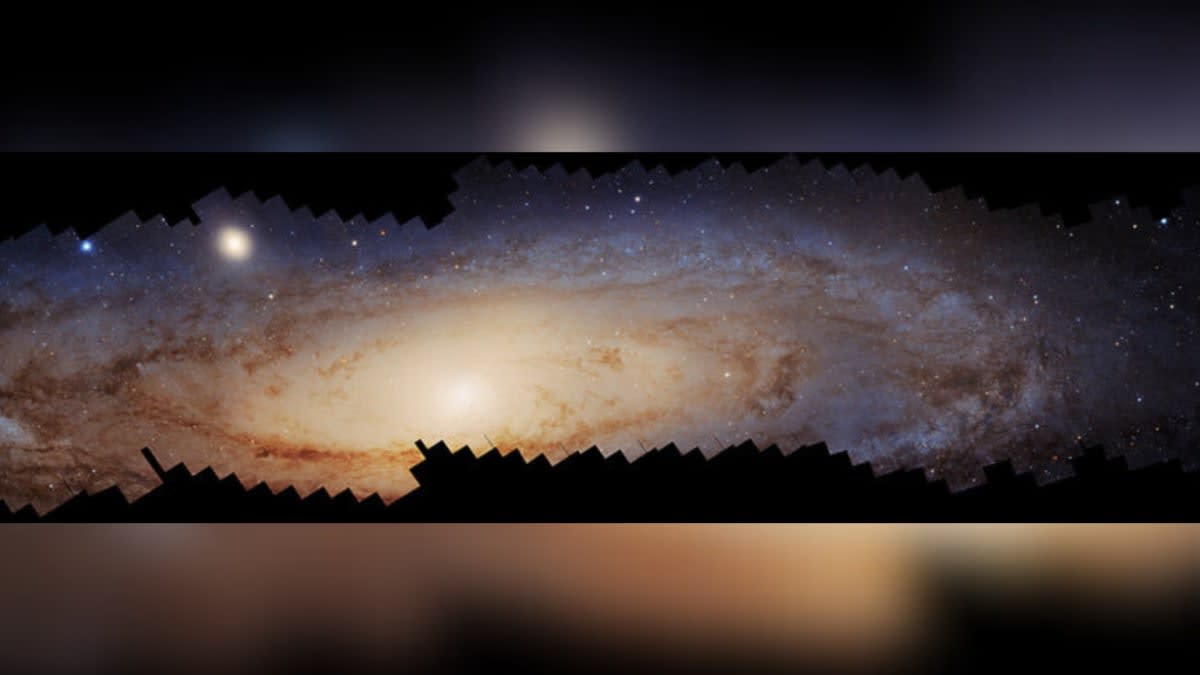
The Andromeda Galaxy
The Hubble gave us the largest photomosaic of the Andromeda Galaxy from data collected over 10 years. The image, released on January 16, 2025, was created from over 600 snapshots and featured 200 million stars and was spread across around 2.5 billion pixels. It took Hubble over 1,000 orbits to photograph the Andromeda galaxy, as it is much bigger than the galaxies the telescope usually observes.
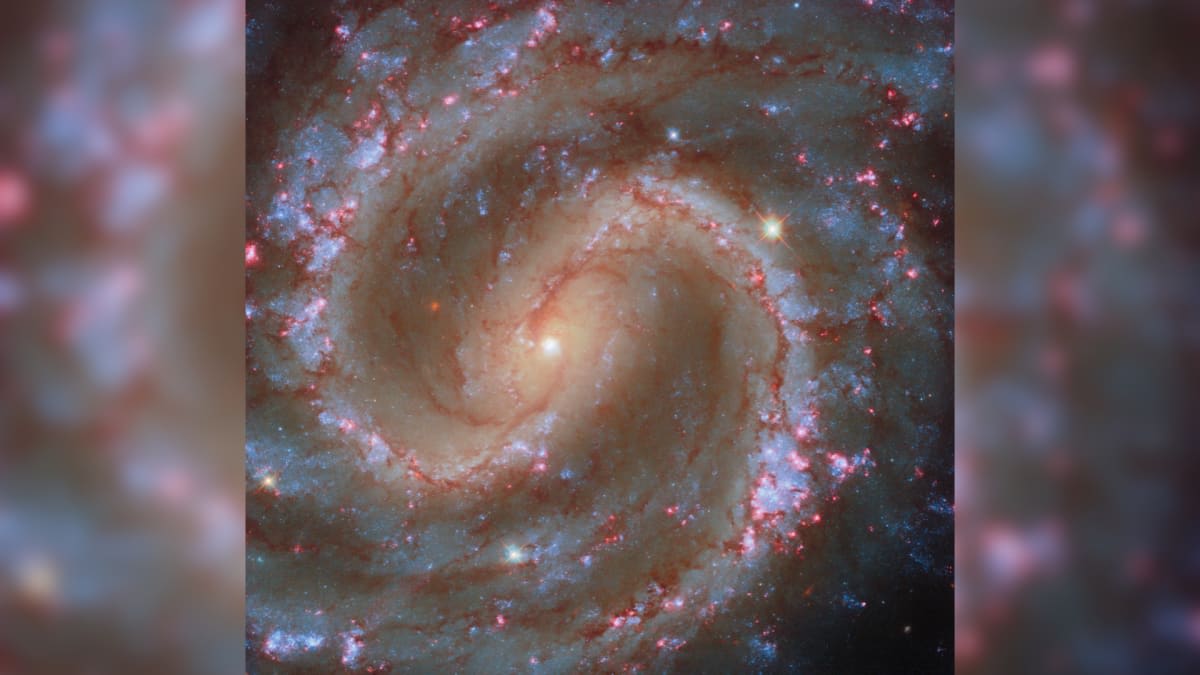
The "Lost Galaxy"
The telescope captured the spiral galaxy NGC 4535, situated around 50 million light-years away in the constellation Virgo. A previous image was released in 2021, and the latest, on November 17, 2025, features young star clusters along the galaxy’s spiral arms. The galaxy is nicknamed the "Lost Galaxy" as it is faint when viewed from a small telescope, as per ESA Hubble. Hubble used its 2.4-meter mirror to observe groups of bright blue stars covered by bright pink clouds, called H II (‘H-two’) regions, which are proof that the galaxy is home to young, hot, and huge stars.
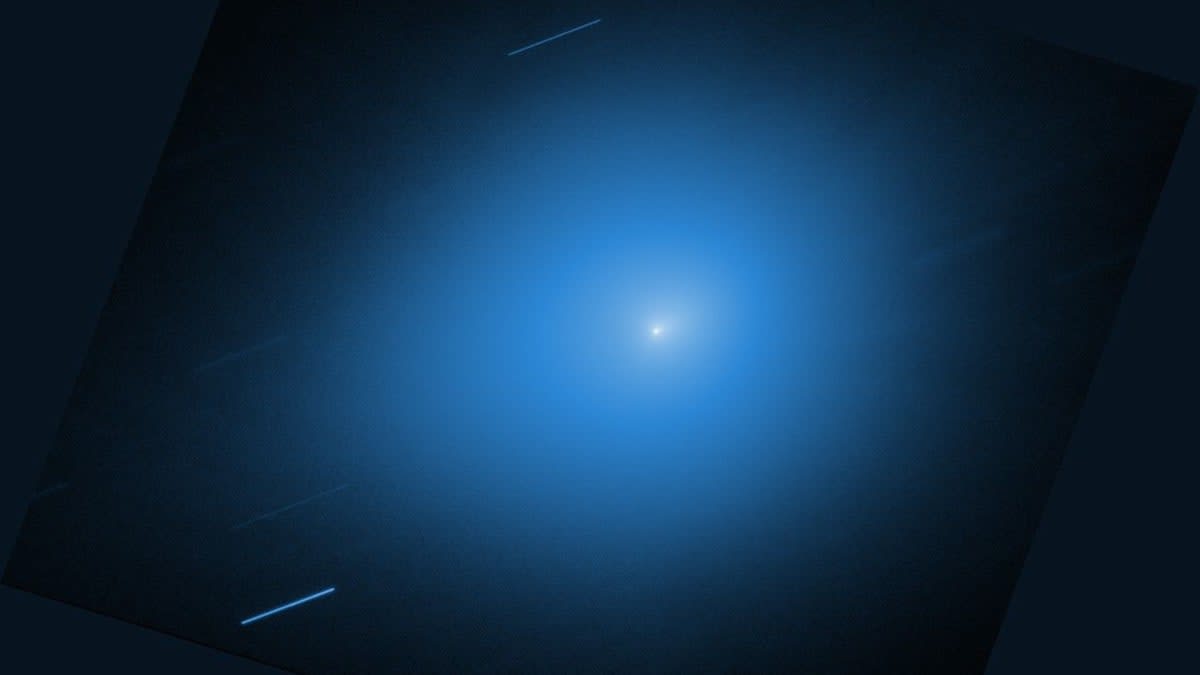
Interstellar comet 3I/ATLAS
The interstellar comet 3I/ATLAS was observed for the second time by the Hubble on November 30, 2025, using its Wide Field Camera 3 instrument. The comet was about 178 million miles from Earth when the image was captured, according to NASA. The background stars looked like streaks of light in the image as the comet was in transit. Previously, the telescope had observed the comet in July 2025, not too long after the interstellar object was discovered. It is expected to keep an eye on the comet as it leaves the solar system.
Catastrophic collisions around Fomalhaut
On December 18, 2025, NASA announced that the Hubble had directly imaged massive collisions in a planetary system around the star Fomalhaut. This is one of the brightest stars in the night sky and is located at just around 25 light-years from Earth, according to NASA. The star is bigger than the Sun, surrounded by various belts of dust debris, and is situated in the constellation Piscis Austrinus. The collisions involved planetesimals, which are rocky building blocks of planets and offer several insights into the star system, including the understanding that it is heavily populated with around 300 million rocky bodies going around Fomalhaut.
![A composite Hubble Space Telescope image showing the debris ring and dust clouds cs1 and cs2 around the star Fomalhaut. [Image Credit: NASA, ESA, Paul Kalas (UC Berkeley); Image Processing: Joseph DePasquale (STScI)]](https://de40cj7fpezr7.cloudfront.net/965ff5d0-794c-420b-b45a-2ec4c9cb6b73.png)
Capturing the “Dracula’s Chivito”
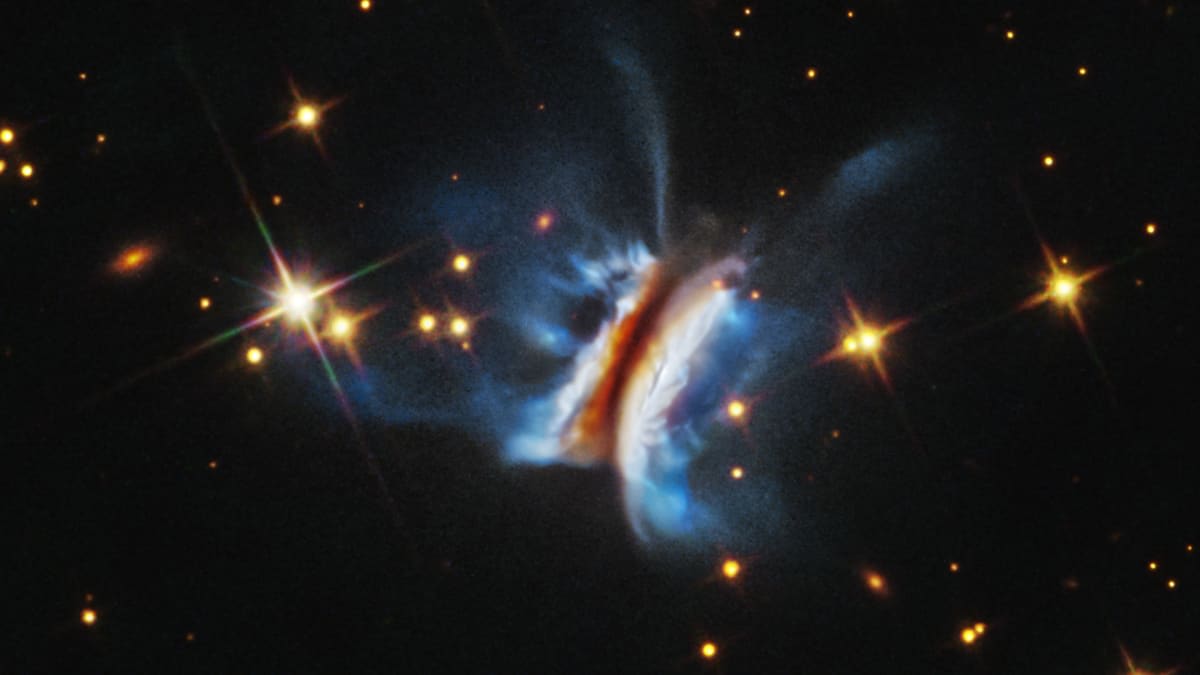
NASA announced on December 23, 2025, that the Hubble had imaged IRAS 23077+6707, the largest protoplanetary disk ever observed around a young star. Spanning nearly 400 billion miles and located roughly around 1,000 light-years from our planet, it has been nicknamed "Dracula's Chivito" in honor of the heritage of its researchers, one of whom is from Transylvania and the other from Uruguay, whose national dish is chivito.
More on Starlust
10 strangest things Hubble Space Telescope has discovered in space
NASA’s Hubble Space Telescope captures sharpest-ever picture of interstellar comet 3I/ATLAS