10 jaw-dropping images captured from the International Space Station in 2025
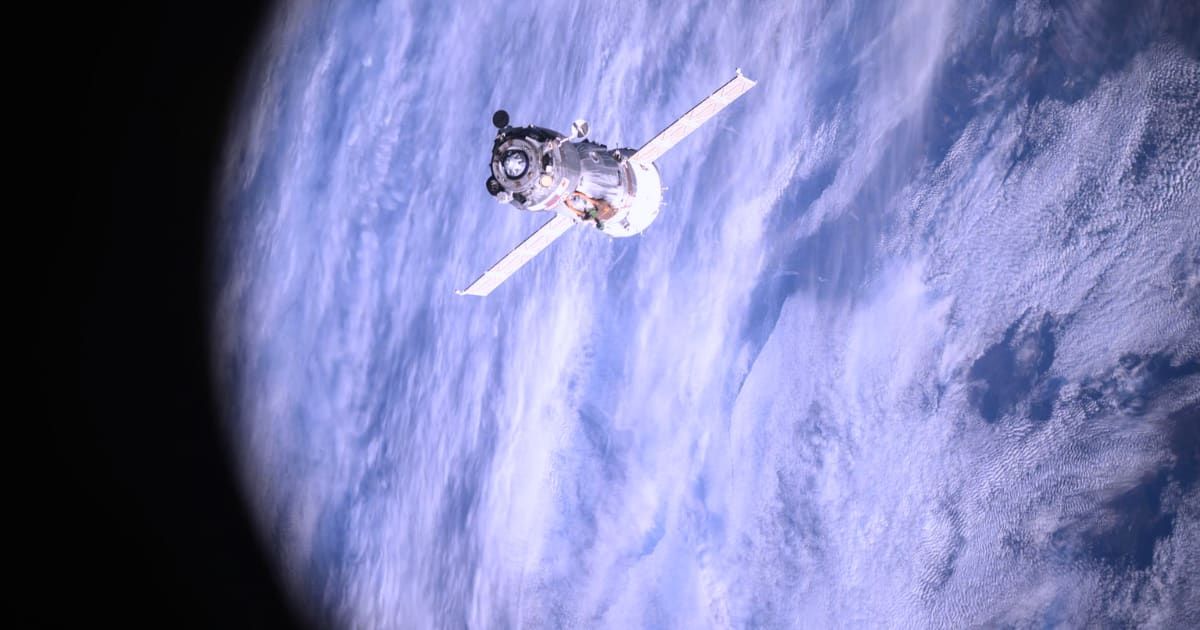
Twenty-five years have passed since humanity launched its bold endeavor to live and work together in space. Over this span of time, the International Space Station, orbiting at about 250 miles above Earth at a speed of 17,500 miles per hour, has hosted over 250 astronauts from all around the world who have carried out thousands of experiments in varied fields, be it climate research or medical science. Moreover, it's because of the ISS that we get to see some of the best views of outer space. Let's take a look at some of the amazing pictures that the ISS made possible this year.
Work doesn't stop, even in space
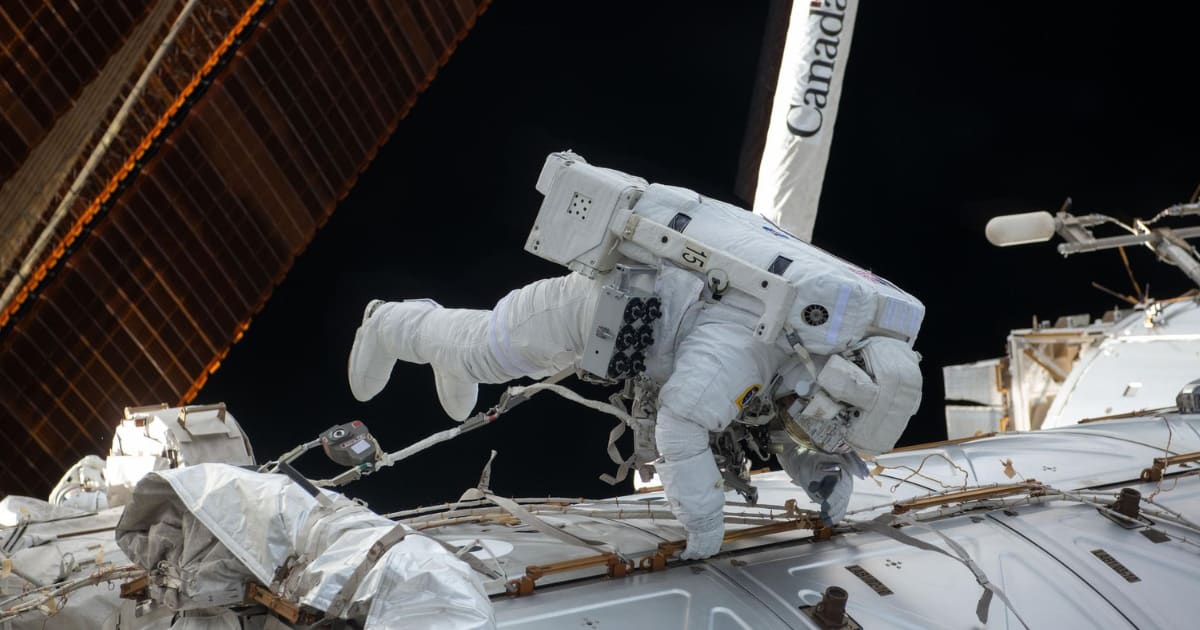
In this picture, taken on January 30, 2025, we see NASA astronaut and Expedition 72 engineer, Butch Wilmore. It was clicked when Wilmore was working outside the International Space Station during a five-hour and twenty-six-minute-long spacewalk. During the entirety of this activity, he collected surface samples that were used to study whether microorganisms can survive and grow near the vent areas on the station's exterior.
Thunderstorm from space
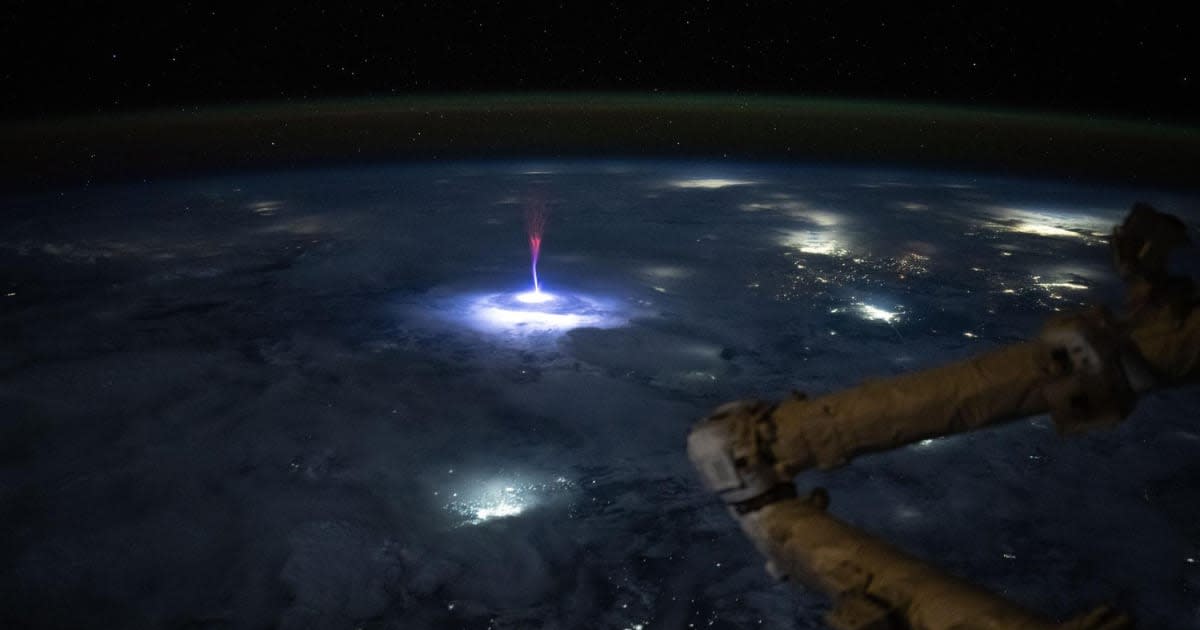
On July 3, 2025, NASA astronaut Nichole Ayers was aboard the International Space Station when she photographed this Gigantic Jet event happening on Earth. These jets are supposed to be powerful types of electrical discharge that extend from the top of a thunderstorm into Earth's upper atmosphere. The astronaut was in a unique position above the clouds to capture this image; more images like this could further help scientists understand the workings of these phenomena better.
A space selfie
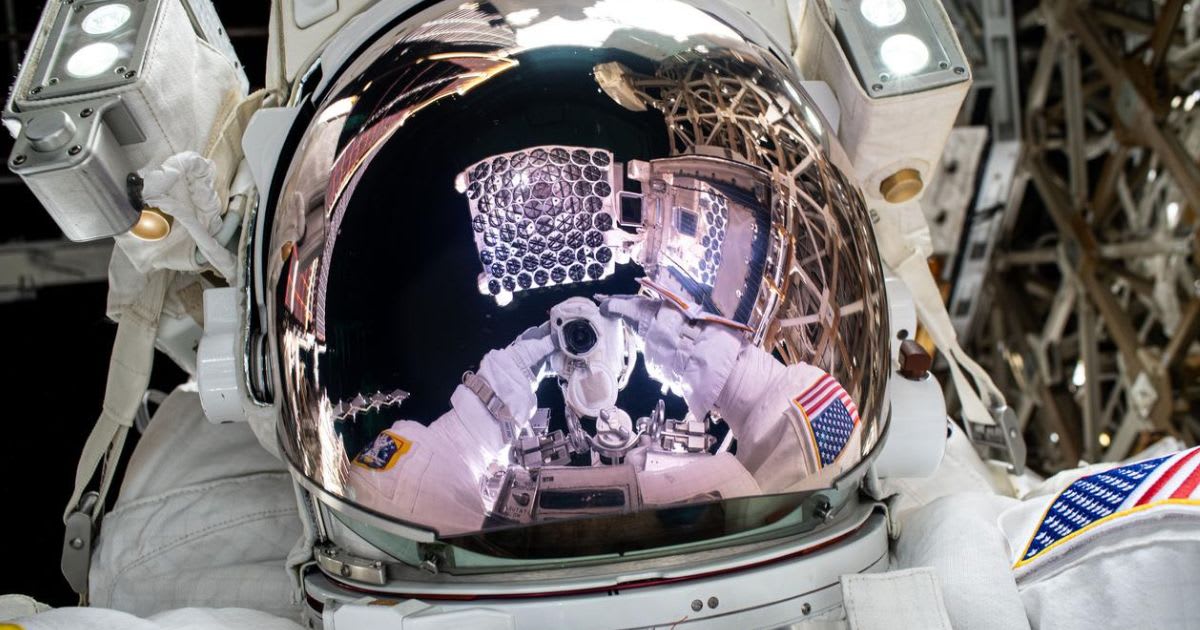
NASA astronaut and Expedition 72 Flight Engineer Nick Hague took this "space selfie" on January 16, 2025. In this image, his visor is reflecting the NICER X-ray telescope, a NASA observatory that studies neutron stars, black holes, and other phenomena. He took this while being on his six-hour-long spacewalk, in which he also patched light leaks on some of NICER's 56 X-ray concentrators that block ultraviolet, infrared, and visible light while allowing X-rays to pass through to the mirrors underneath, enabling the observation of neutron stars.
An astronaut and solar arrays
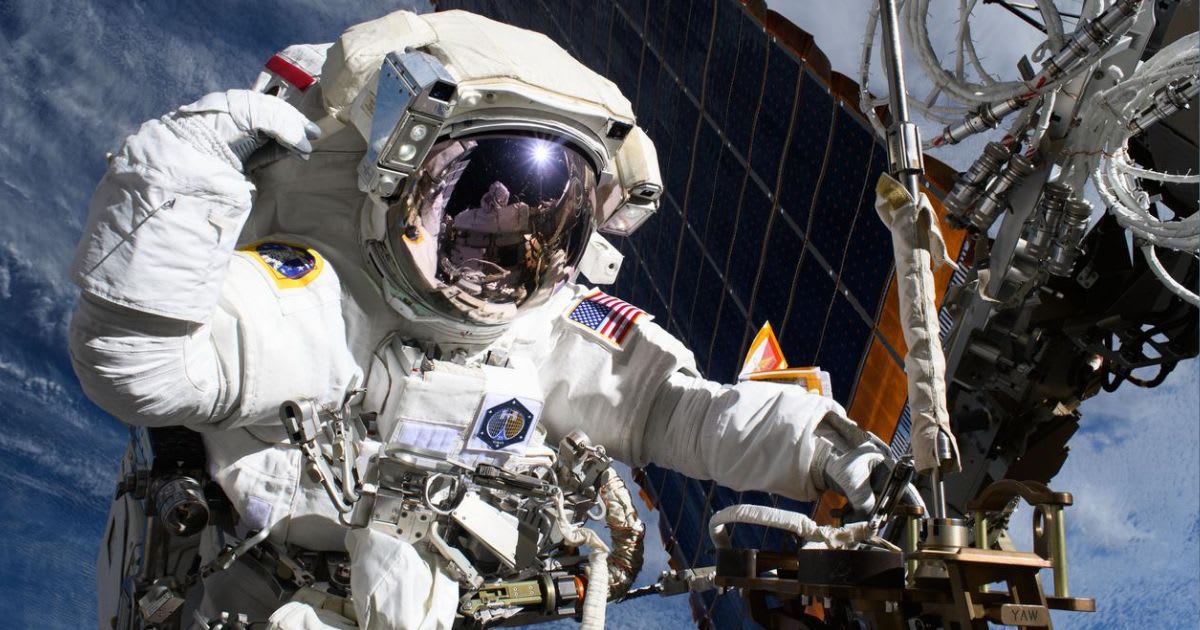
On May 1, 2025, NASA astronaut and Expedition 72 Flight Engineer Anne McClain was pictured near one of the International Space Station's main solar arrays. At the time, she was carrying out a spacewalk aimed at upgrading the space station's power generation system and relocating a communications antenna.
Green Earth
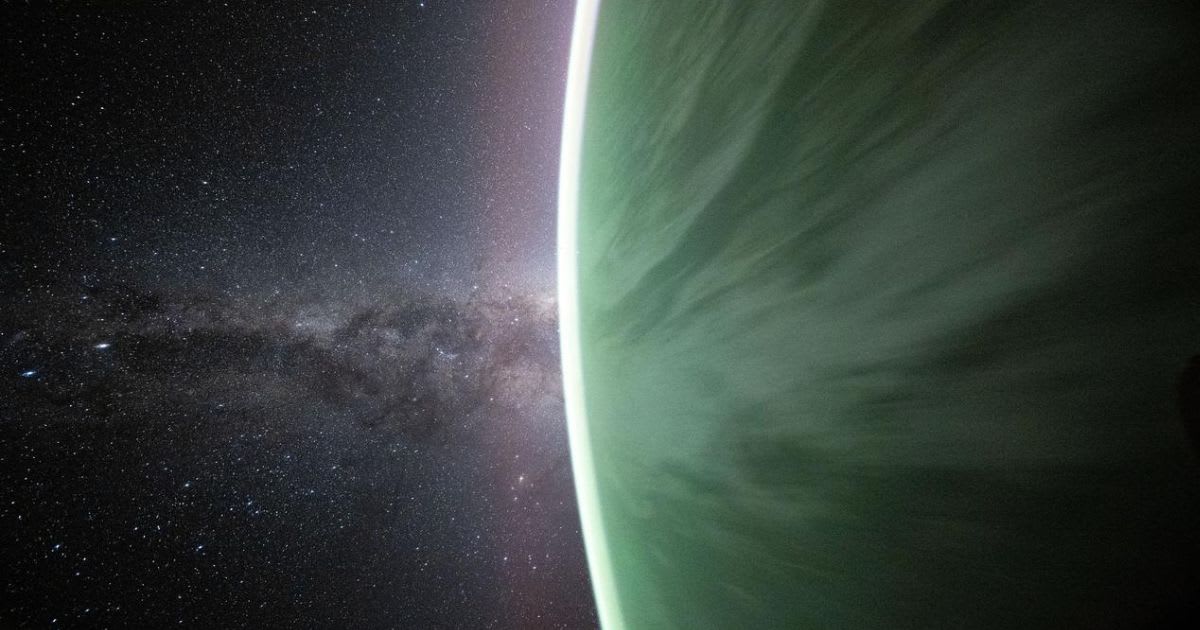
On January 29, 2025, the International Space Station was orbiting over the southern Pacific when Don Pettit captured this magnificent image of the "Green Earth." Here, the Earth appears green due to the Aurora Australis, while the Milky Way rises over the horizon.
Lightning never looked so beautiful!
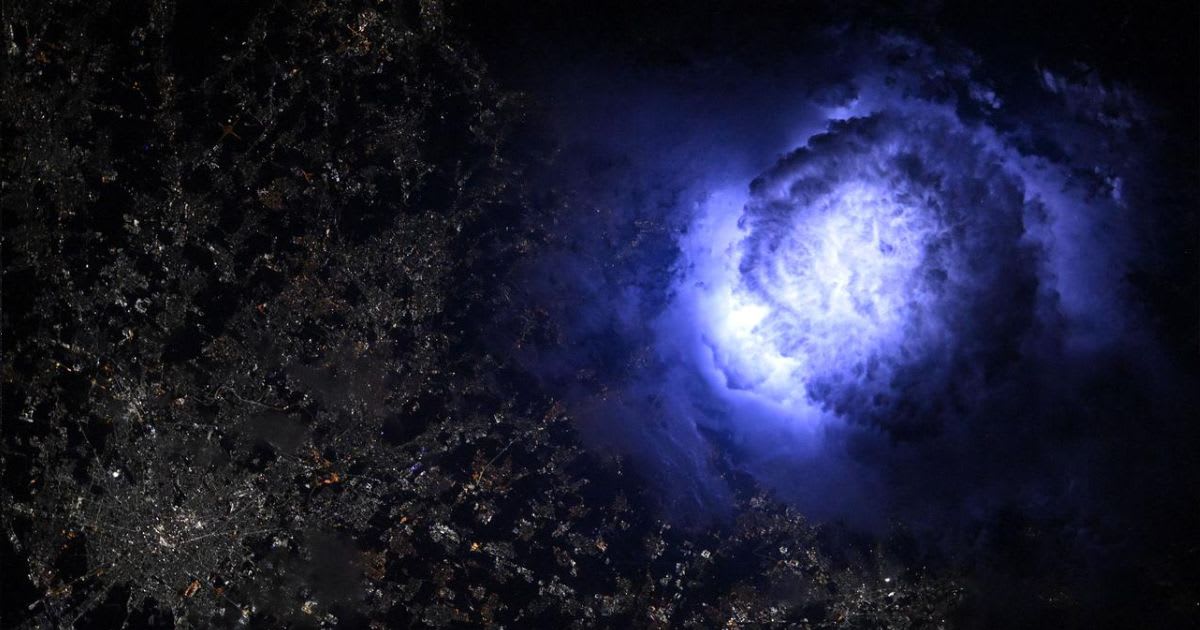
Another one of Nichole Ayer's beauties! On July 1, 2025, when the International Space Station was 250 miles above Milan, Italy, she managed to capture this beautiful image of lightning. Storm observations from space stations help scientists study Earth’s atmosphere, which can improve weather models and protect communication systems and aircraft.
The claw
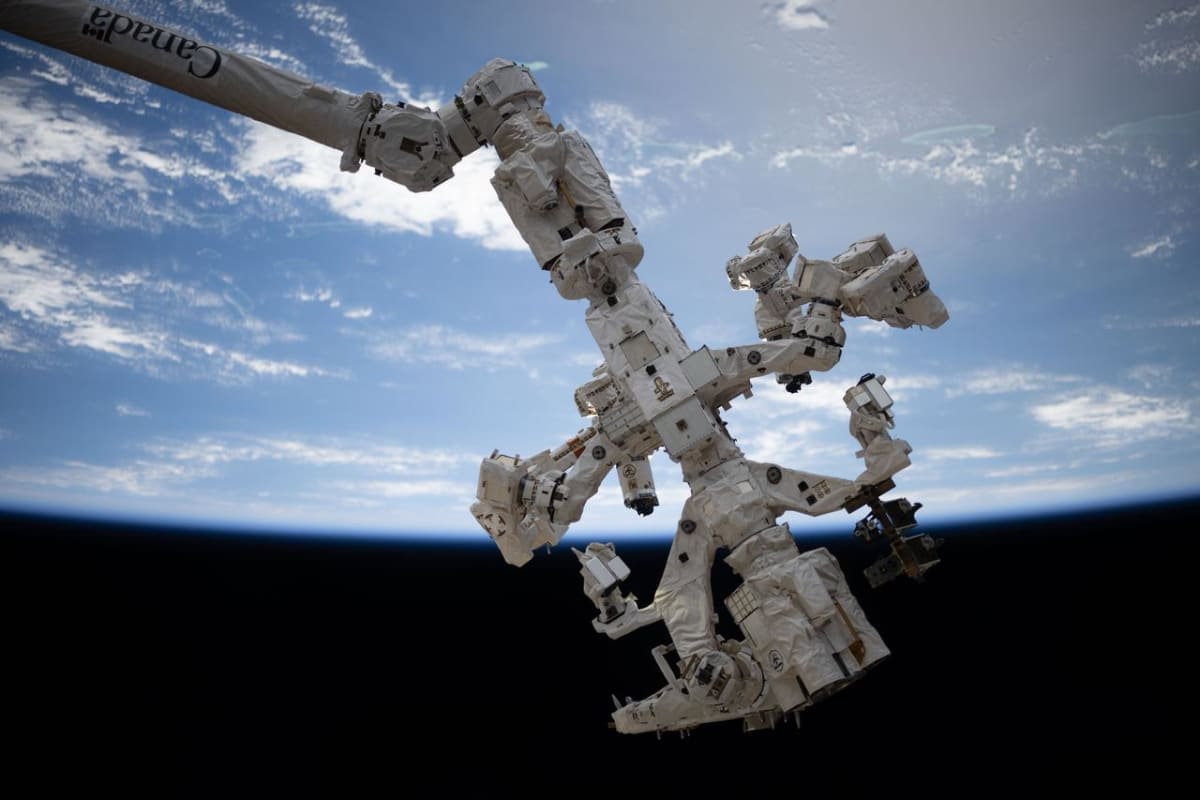
This picture was captured on July 23, 2025, and it shows the Special Purpose Dexterous Manipulator, also known as Dextre, attached to the Canadarm2 robotic arm. As per NASA, it performs robotic maintenance like changing batteries and replacing cameras outside the International Space Station. It is a fine-tuned robotic hand, equipped with lights, video equipment, a tool platform, and four tool holders. Dextre’s dual-arm design and precise handling capabilities reduce the need for spacewalks, giving astronauts more time to conduct science.
Typhoon Halong
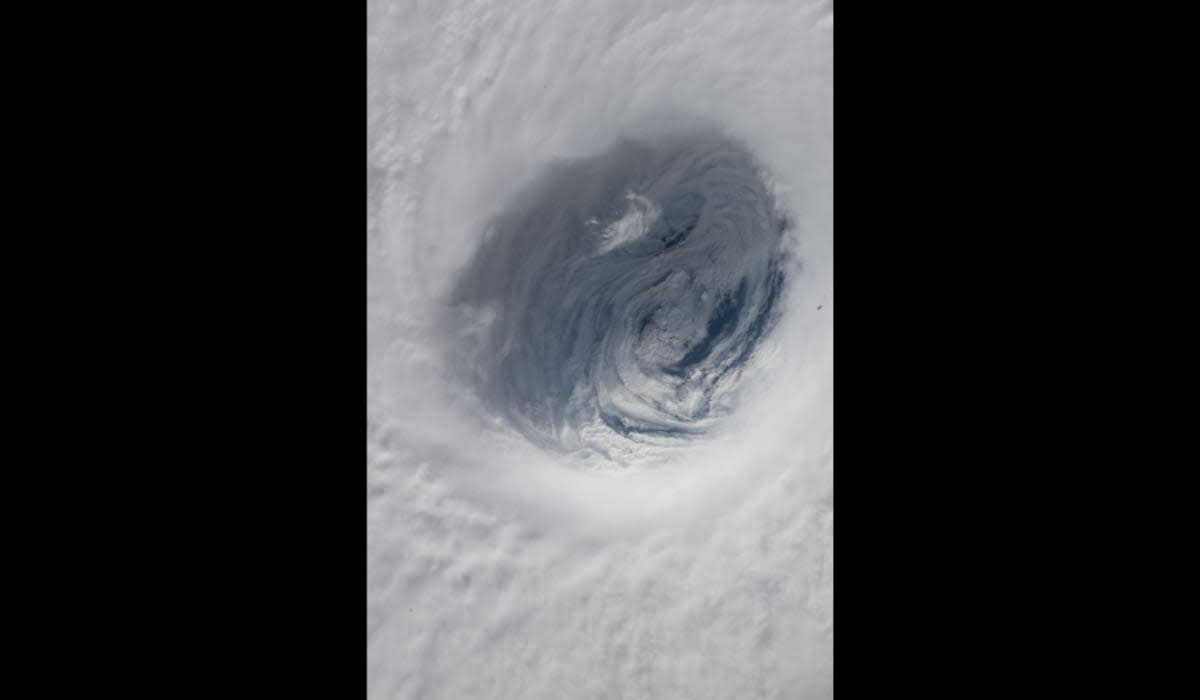
This picture, captured on October 7, 2025, shows Typhoon Halong as captured from the International Space Station, showcasing its swirling formation over the Pacific Ocean. According to CIRA, Halong formed as a tropical storm on October 5, 2025, in the northern Philippine Sea and strengthened into a typhoon by the next day. On October 7, Halong underwent rapid intensification, becoming a powerful Category Four typhoon.
Purple skies and a comet
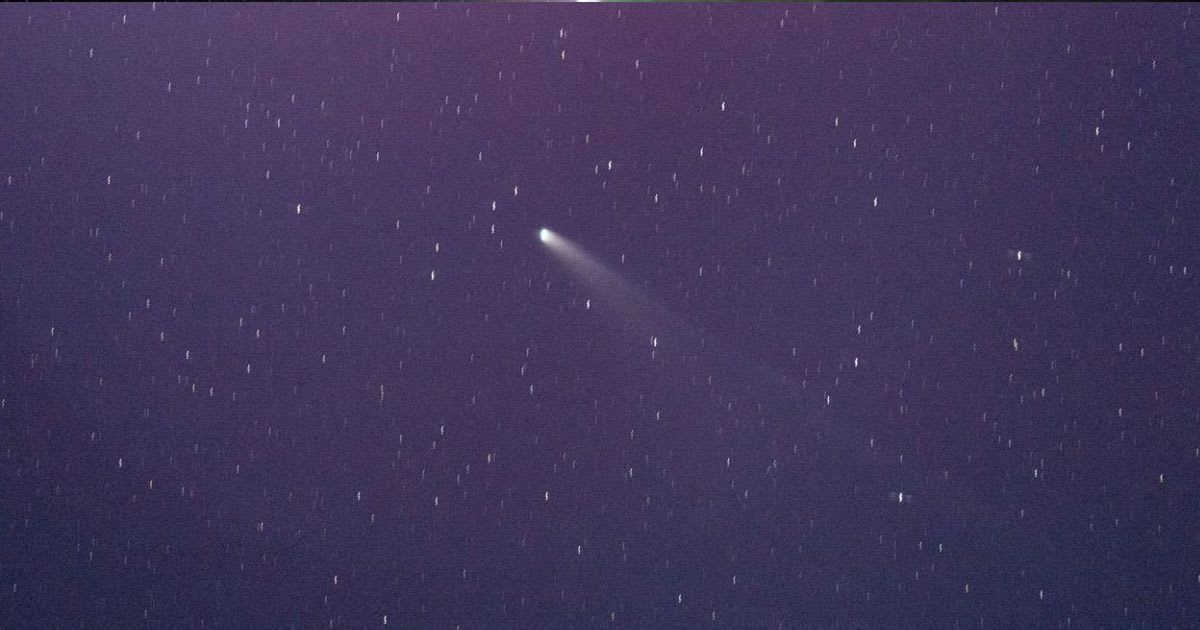
This image from October 26, 2025, provides a rare view of a comet. The International Space Station's unique position allows for such amazing pictures and observations that are difficult to see from the ground.
A sunrise for the ages
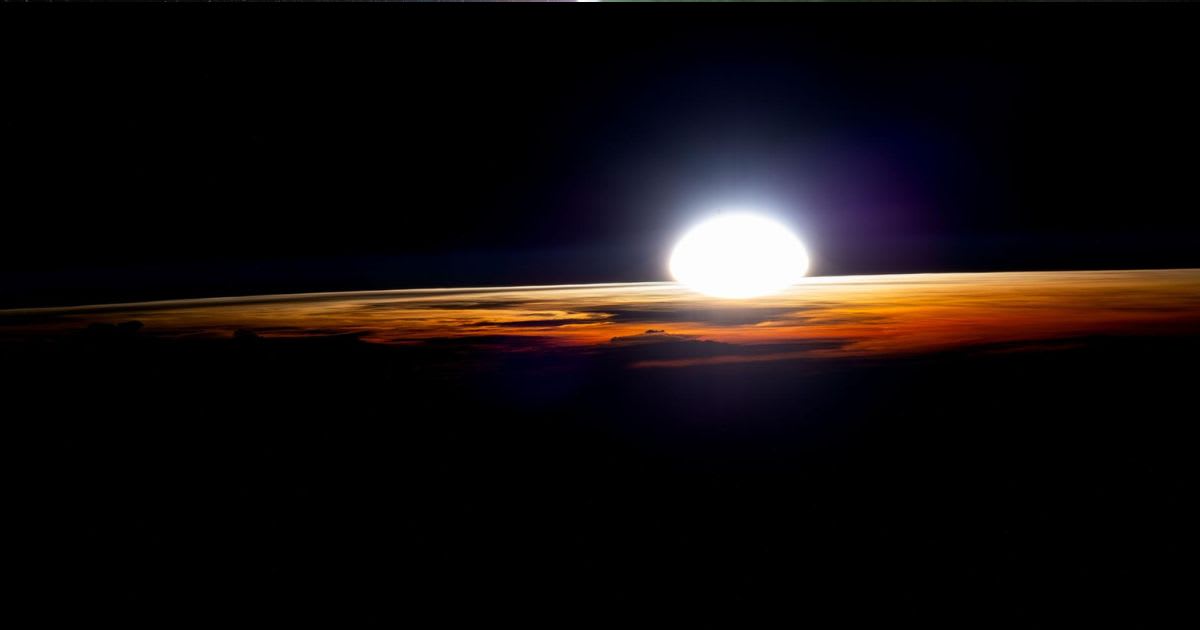
This image, which was captured on January 16, 2025, captures a magnificent sight of an orbital sunrise from the International Space Station when it soared 262 miles above Namibia near the Atlantic coast.
More on Starlust
2025 supermoons recap: 10 best images of the year's grand lunar events
Ancient Chinese text about a comet may have solved the mystery of 'The Star of Bethlehem'