Track the moon in 2026 with NASA: Lunar phases and libration
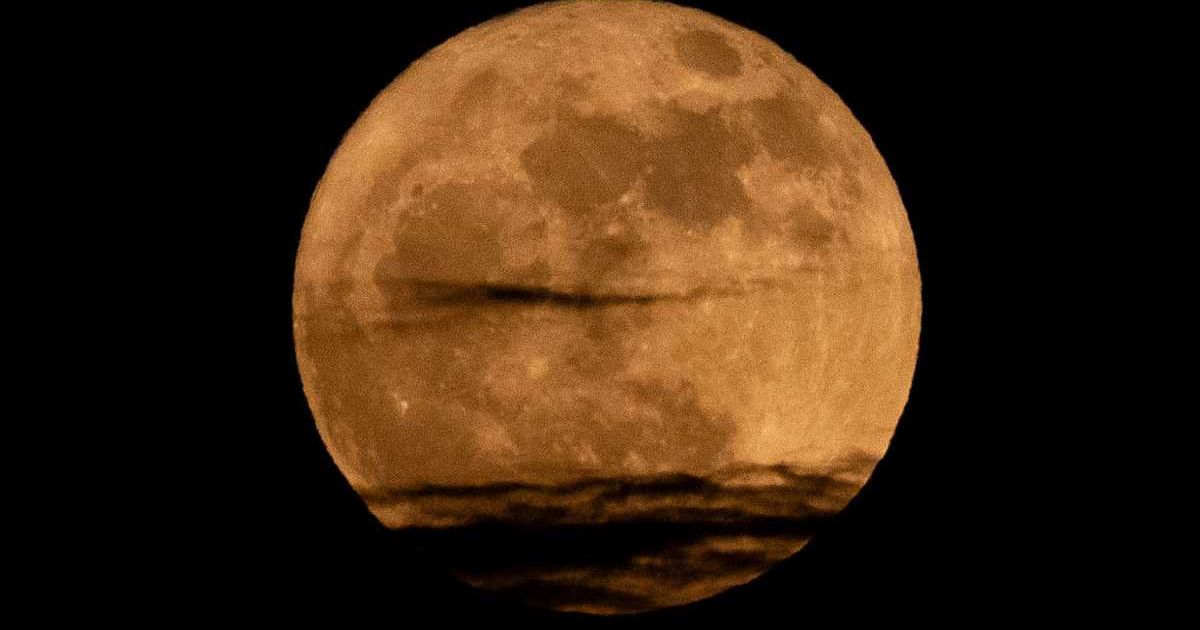
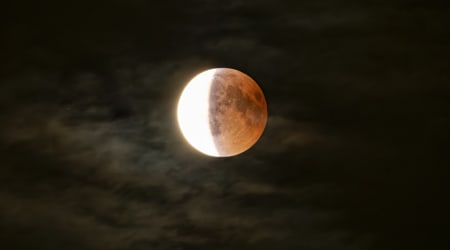
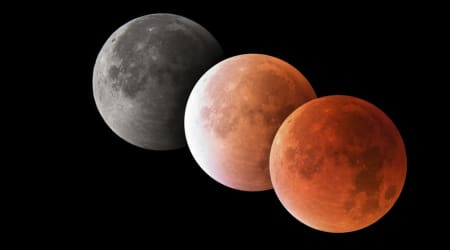
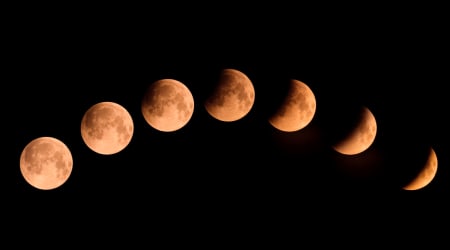
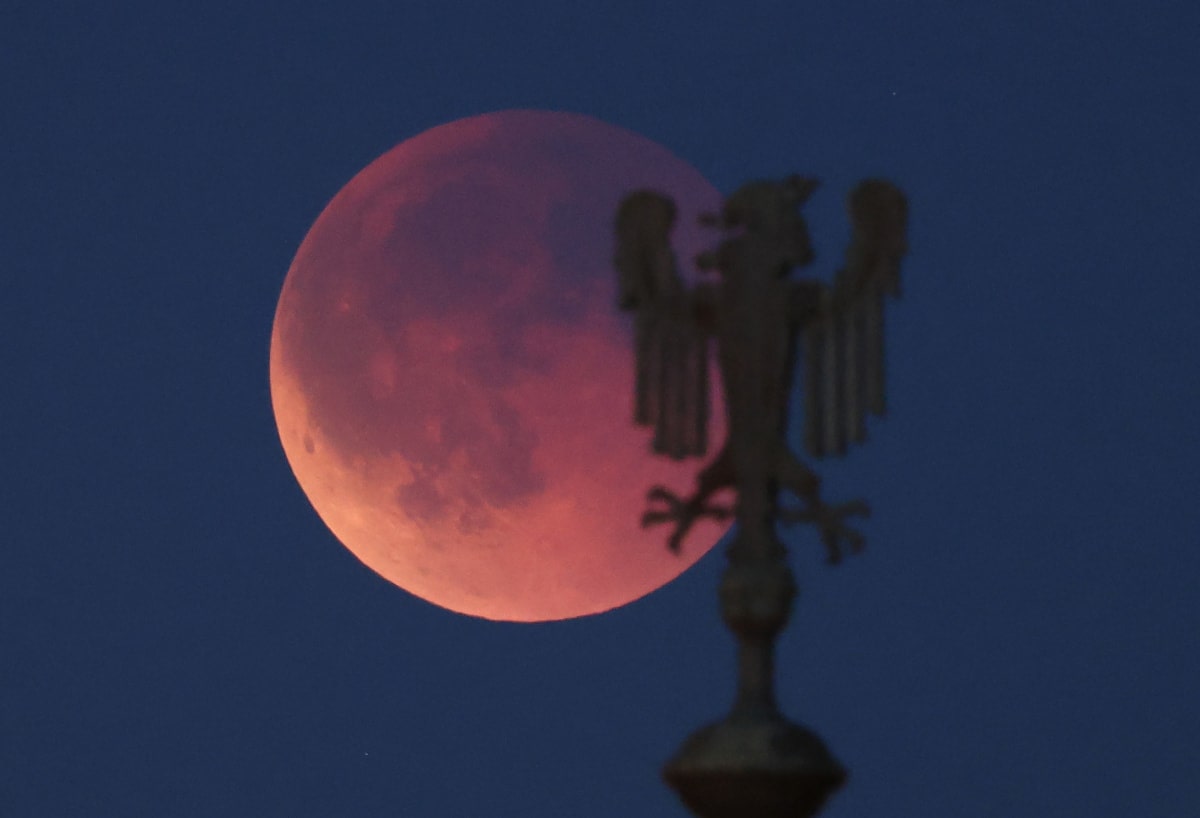
2026 appears to be a particularly rich year for observing the Moon's dance through the sky. There are two lunar eclipses scheduled for this year, which, according to NASA, include a total lunar eclipse on March 3, when the Moon will pass entirely through Earth's shadow, and a partial lunar eclipse on August 28, when only part of the Moon will enter the umbra. Both events will be visible from wide regions of Earth's night side. But then again, lunar eclipses are only part of what is fascinating about the Moon.
Like every year, over the course of 2026, the Moon's shape, size, and orientation will continue to change in predictable but fascinating ways. These motions are captured in detail through a series of animations and graphics that were recently released by NASA’s Scientific Visualization Studio, offering skywatchers a convenient way to follow the Moon throughout the year.
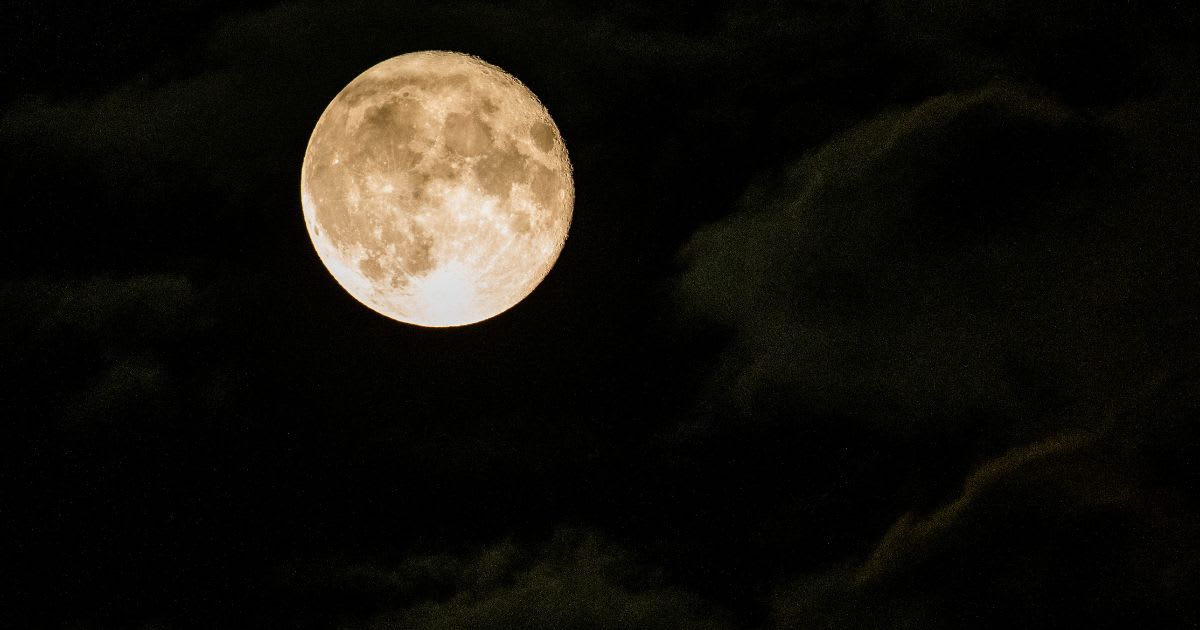
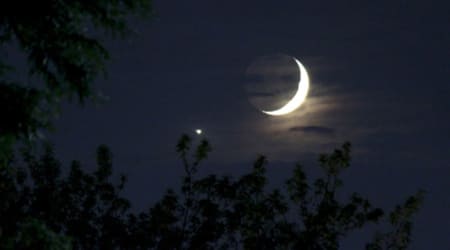
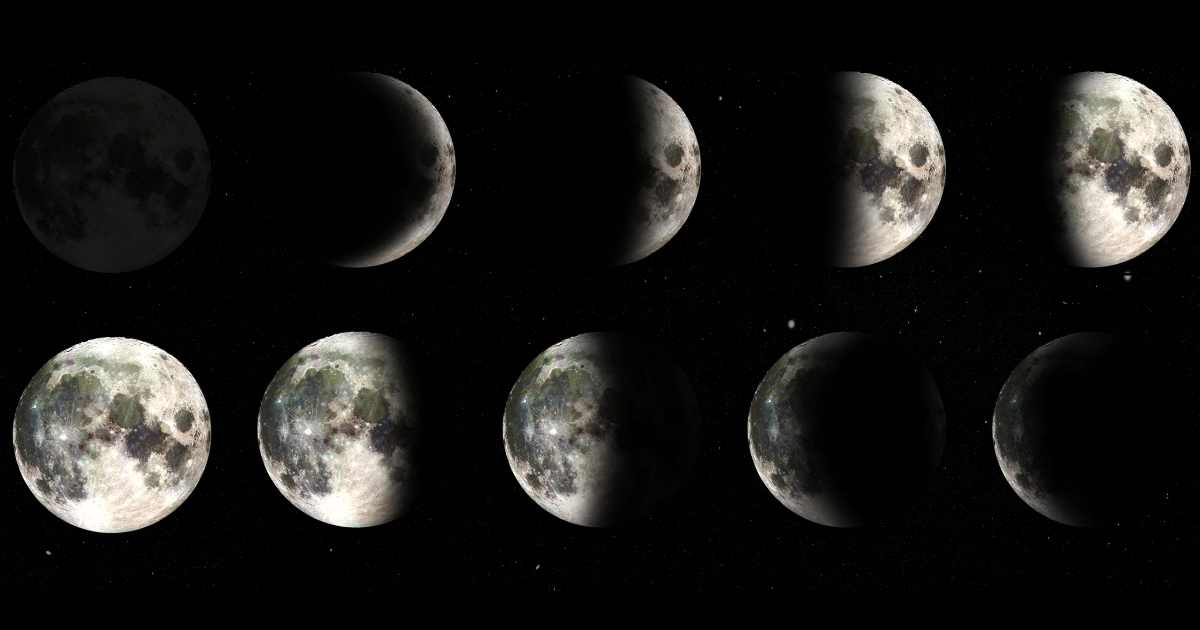
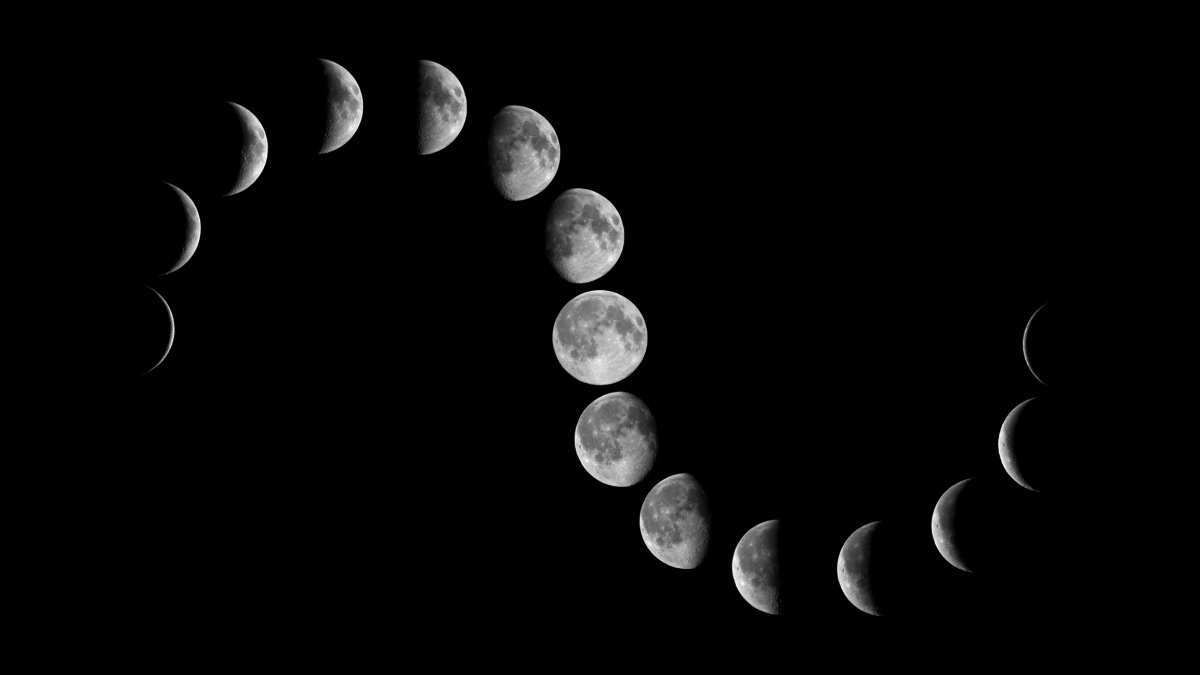
One of the most familiar changes people notice is the Moon’s cycle of phases. This monthly pattern happens owing to the angle between the Sun, Earth, and Moon, which constantly changes as the Moon orbits Earth. The cycle begins with a waxing crescent moon, which is visible low in the western sky just after sunset. By the time the Moon reaches the first quarter, it appears high in the sky at sunset and sets around midnight. During the full moon phase, the Moon rises at sunset and is highest around midnight. As the cycle continues, the third-quarter moon often stands out in the western sky even during daylight hours, long after sunrise.
Beyond phases, the Moon also appears to wobble over time. Because of the tilt and shape of its orbit, observers on Earth see the Moon from slightly different angles throughout the month. If you compress these changing views of the Moon into a very short animation, it appears to wobble. This whole motion is known as libration.
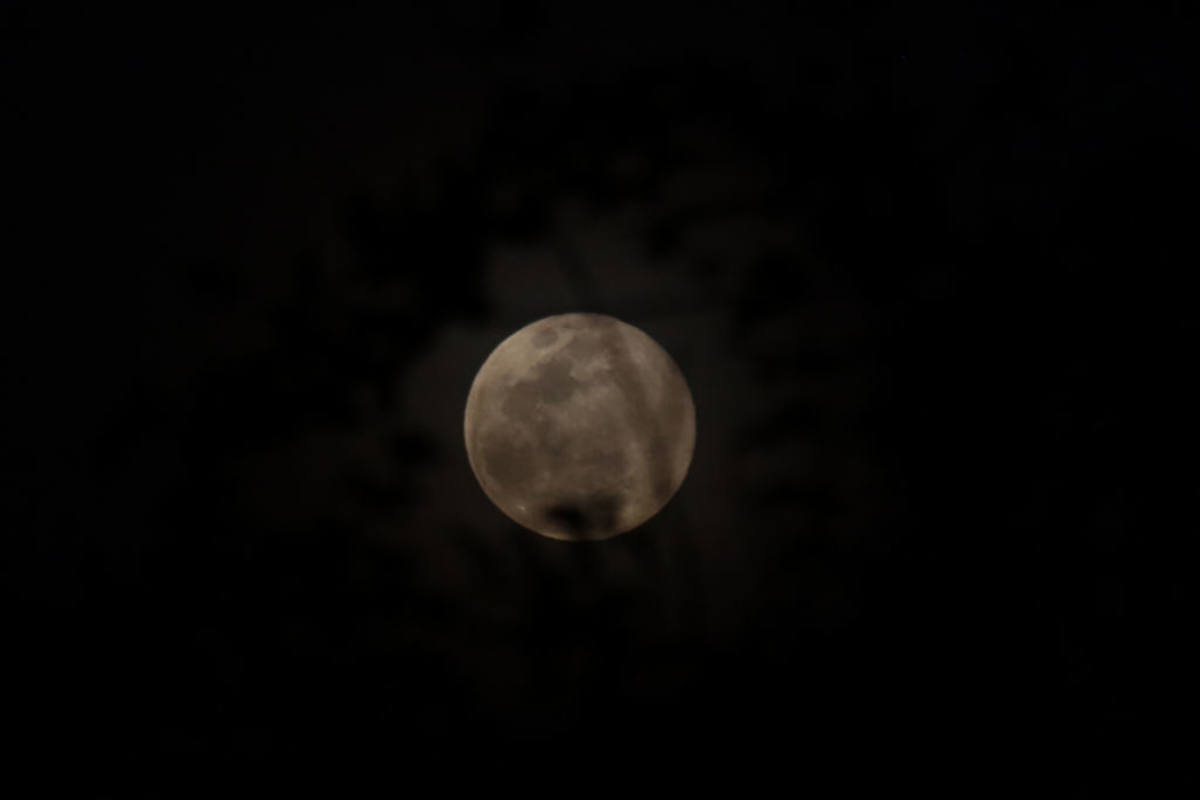
To help skywatchers follow the Moon’s changing appearance throughout 2026, the extensive set of graphics and animations created by NASA's Scientific Visualization Studio makes tracking lunar phases and illumination much easier. Instead of relying on separate charts or printed calendars, observers can access a detailed visualization that shows the Moon’s geocentric phase, libration, position angle of the axis, and apparent diameter at hourly intervals for the entire year.
The Moon always shows the same face toward Earth, but how that face is oriented in the sky depends on where one is observing from. NASA’s Scientific Visualization Studio has Moon images that are presented with celestial north at the top, matching how the Moon appears to observers in the Northern Hemisphere. In this orientation, the Apollo 16 landing site appears around the center of the surface facing us, while the Apollo 15 landing site appears in the top half of the Moon. As for the Apollo 12 and 14 sites, they appear on the left of Apollo 15, whereas Apollo 17 appears on the right.
For observers in the Southern Hemisphere, the view is different. The Moon appears upside down compared to northern views, with surface features rotated. You'll have to look for the Apollo 15 site towards the bottom half of the Moon, with the Apollo 17 site appearing on the left and the Apollo 12 and 14 sites visible on the right. The Apollo 16 landing site, meanwhile, will retain its near-central position but will shift a little bit towards the left. To account for this, NASA also provides a south-up version of the same Moon phase and libration graphics.
Several notable Full Moon and New Moon phases will occur during the early months of 2026, offering skywatchers multiple chances to follow the lunar cycle. The new year begins with a Full Moon on January 3 at 5:03 a.m. EST, followed by a New Moon on January 18 at 2:52 p.m. EST, according to Fullmoonology. February brings a Full Moon on its first day at 5:09 p.m. EST and a New Moon on the 17th at 7:01 a.m. EST. In March, the Full Moon arrives on March 3 at 6:38 a.m. EST, with the New Moon following on March 18 at 9:23 p.m. EDT. April continues the pattern with a Full Moon on April 1 at 9:12 p.m. EDT and a New Moon on April 17 at 7:52 a.m. EDT.
More on Starlust
2025 supermoons recap: 10 best images of the year's grand lunar events
How far away is comet C/2024 E1 (Wierzchos) from Earth on December 29?