SpaceX's Crew-11 undocks from International Space Station aboard Dragon, heads for splashdown
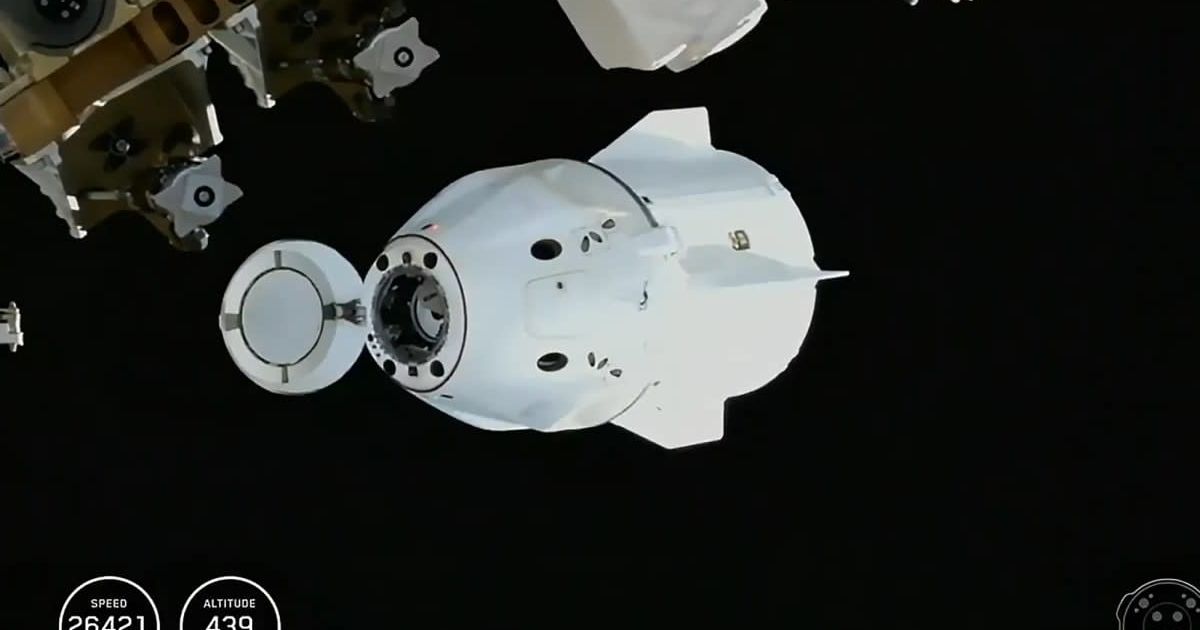
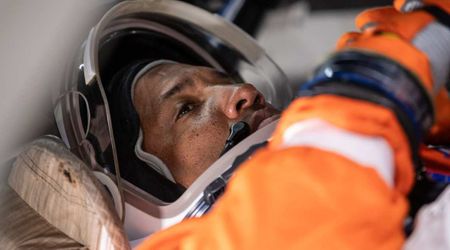
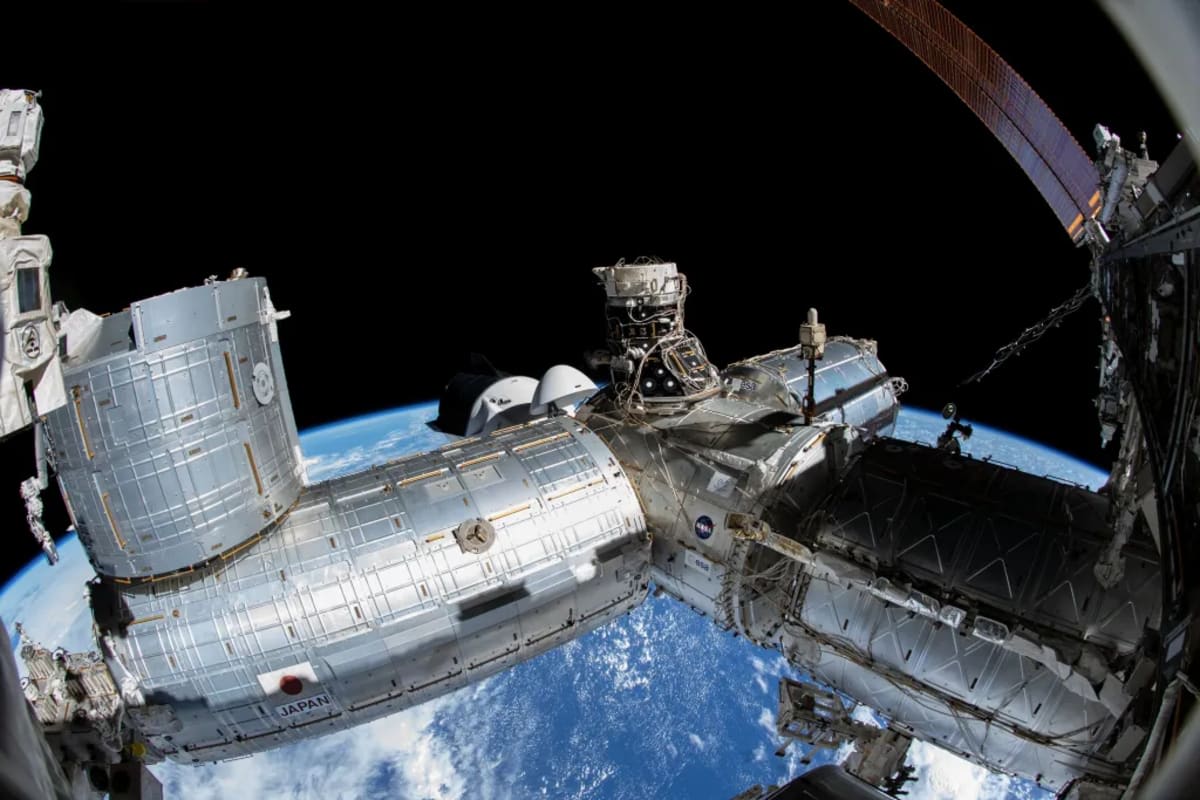
The Crew-11 mission undocked from the Harmony module of the International Space Station (ISS) aboard the SpaceX Dragon capsule on Wednesday, January 14, NASA confirmed. While the undocking was initially scheduled for 5:05 p.m. EST, it actually took place at 5:20 p.m. after mission controllers deemed that the weather was looking "excellent" for the capsule's parachute-assisted splashdown off the coast of California at 3:41 a.m. EST on Thursday, January 15.
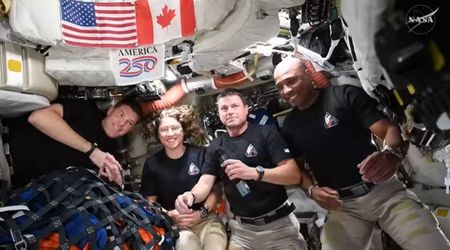
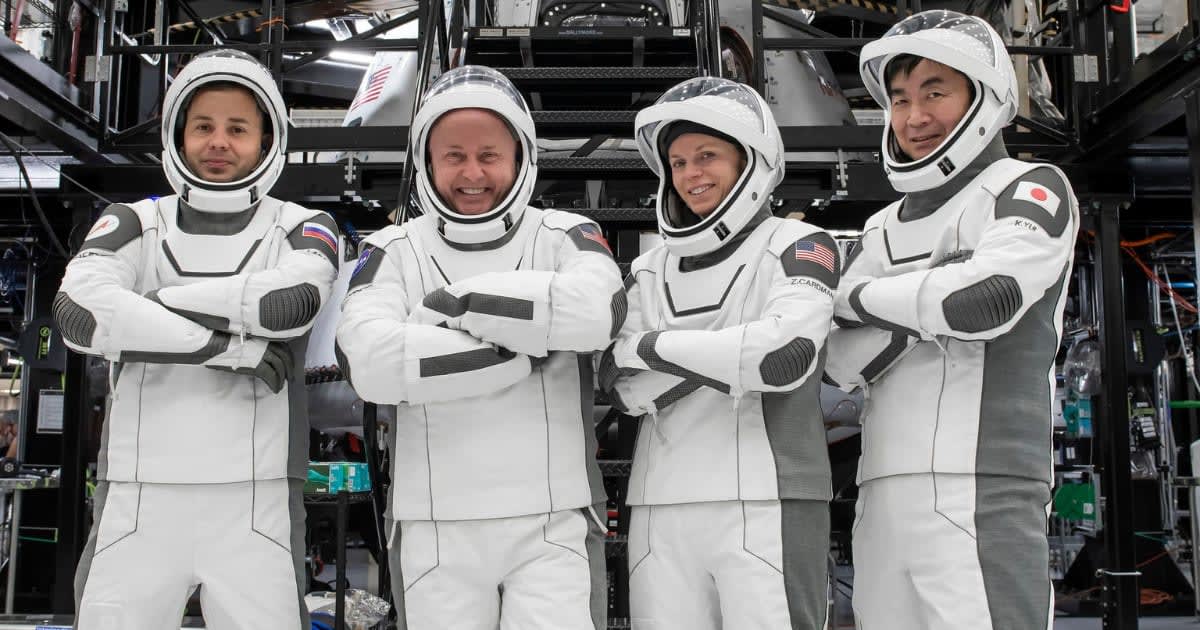
While live coverage of the undocking is long over, the return coverage will resume at 2:15 a.m. EST on Thursday on NASA+, Amazon Prime, and on the YouTube channel of the agency. Till then, NASA will continue with the audio-only coverage, which includes the conversations of the astronauts with mission control and live external video from the ISS. The post-splashdown press conference, meanwhile, is scheduled to begin at 5:45 a.m. EST on Thursday. The four-person crew—NASA's Zena Cardman and Mike Fincke, JAXA's Kimiya Yui, and Roscosmos's Oleg Platonov—launched for the International Space Station on August 1, 2025; they weren't scheduled to return until the astronauts of the SpaceX Crew-12 mission arrived at the orbital outpost to relieve them.
However, a medical concern with one of the astronauts that arose on the afternoon of January 7 and resulted in the cancellation of the spacewalk scheduled for the following day ultimately snowballed into NASA's decision to bring the astronauts home earlier than scheduled in what would be the first medical evacuation in the history of the ISS. While the agency refused to divulge the name of the affected astronaut, citing privacy concerns, it stressed that the situation was stable.
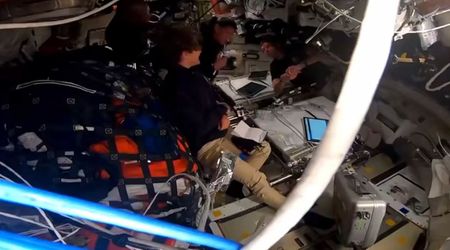
The departure of the Crew-11 mission has effectively left the Expedition 74 team a little thin on personnel, with only cosmonauts Sergey Kud-Sverchkov, Sergey Mikaev, and NASA's Chris Williams onboard the orbital outpost. Before boarding the Dragon capsule, Mike Fincke handed over the command of the ISS, along with the symbolic key, to Kud-Sverchkov at 2:35 p.m. EST on January 12 in the traditional Change of Command Ceremony. "It's bittersweet," said Fincke during the livestream. "We're leaving you all with a lot of work, but also with a lot of knowledge, knowing that you guys are really going to do super well," he added as he addressed the crew that will remain onboard the ISS.
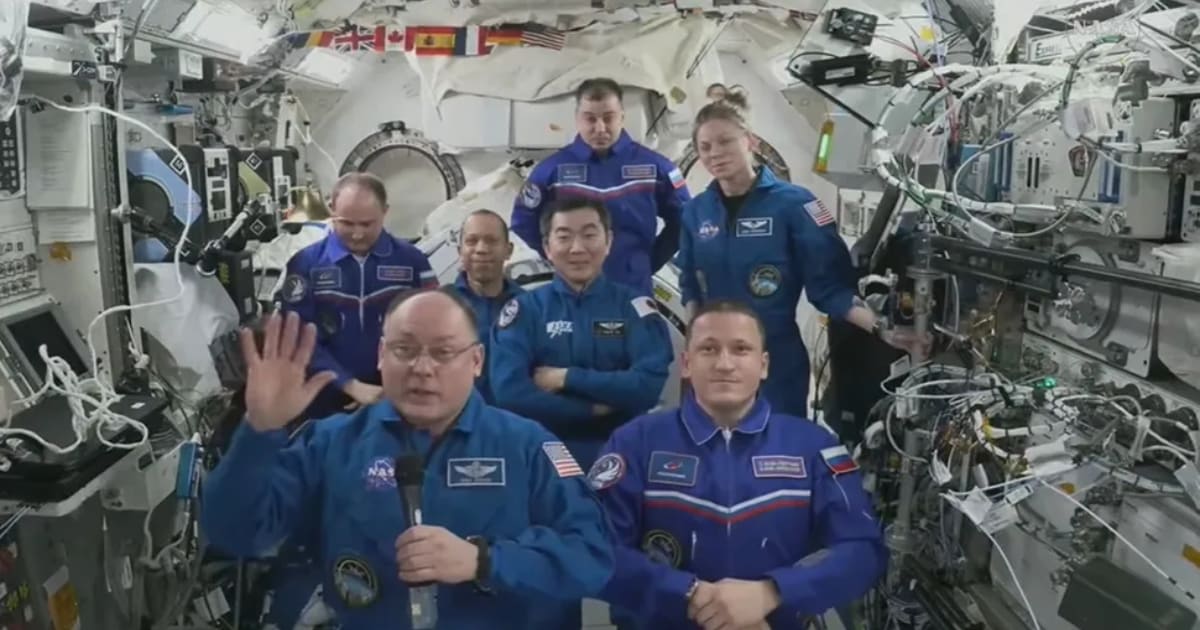
The day before Crew-11 undocked was indeed a busy one for Kud-Sverchkov and his team. The cosmonauts began their shift on Tuesday by conducting an assessment of decision-making and teamwork in space, before Kud-Sverchkov took part in a blood pressure study and jogged on a treadmill to check his fitness levels. Mikaev also participated in the blood pressure study before he checked the inventory of the ISS's Roscosmos segment. Williams, on the other hand, spent the day helping the departing astronauts. Kud-Sverchkov and his team are expected to be joined by SpaceX's Crew-12 mission in mid-February.
More on Starlust
NASA one step closer to launching Artemis II—the first manned lunar mission in over 50 years
NASA launches Pandora satellite to search for signs of life on distant exoplanets