SpaceX and Reflect Orbital's plans could 'scar' the night sky, warns the astronomical community
The night sky as we know it might be in danger. Recent proposals filed by Elon Musk's SpaceX and Reflect Orbital, both of whom intend to launch a sprawling constellation of satellites, have caused quite a stir within the astronomical community. The Royal Astronomical Society (RAS) is among the organizations that have expressed their concerns over the potential negative impact such a huge population of satellites may have on ground-based astronomy and the night sky in general. In fact, RAS, the European Southern Observatory, and the International Astronomical Union have formally submitted their arguments against the proposals that have been filed with the U.S. Federal Communications Commission (FCC). "We also support submissions to the FCC by other astronomical organisations," the RAS noted in a statement.

Reflect Orbital plans to deploy a constellation of over 50,000 in-space mirrors that will reflect sunlight to Earth at night. According to the company, this endeavor is meant to extend access to clean, sustainable energy and lighting without building additional ground infrastructure. “We’re trying to build something that could replace fossil fuels and really power everything,” CEO Ben Nowack told The New York Times. The RAS, however, is wary of the costs that this might incur. It claims that each beam of reflected sunlight would be four times brighter than a Full Moon, making the night sky three to four times brighter, while also affecting the area outside the beam. "Besides the obvious impact on astronomical observations, damaging the night sky threatens to collapse nocturnal ecosystems and will impact humans too," it adds.
Built a space mirror, launching soon pic.twitter.com/z6oWzQoeI0
— Ben Nowack ☀️🌎🪞 (@bennbuilds) March 11, 2026
As for Reflect Orbital, it says that it is more than keen on paying heed to the concerns raised by the astronomical community. "Some worry that reflecting sunlight from orbit could disrupt astronomical observations or alter the night sky," the company said in a blog post dated January 20, 2026. "Not only do we take this seriously, but we are committed to seeking out engagement and dialogue, are excited to listen and receive feedback, and are eager to improve our early designs and future service." In the same post, the company claimed that it had incorporated the concerns raised from the astronomical communities before filing their licensing request with the FCC for the launch of the first satellite.
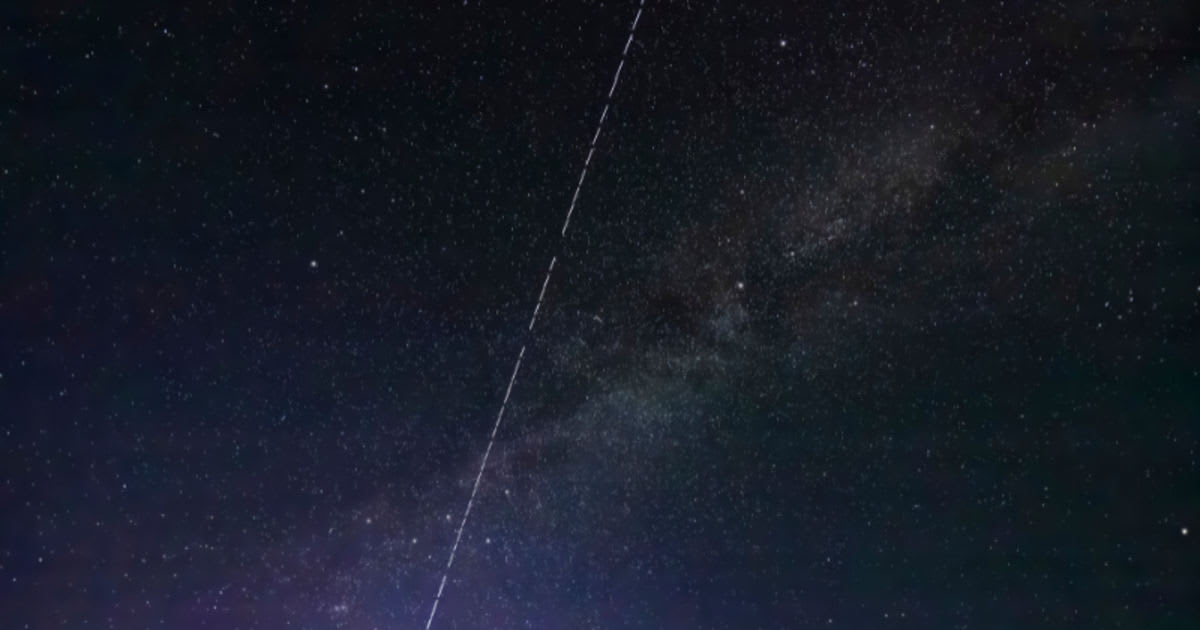
Additionally, the company says that the reflected light will only be visible in the targeted area, and satellite positions will be shared via standard information channels so that astronomers can plan their operations accordingly. The service software will also be fed with the GPS coordinates of observatories and protected sites so as to ensure reflected light is not shone in their vicinity. Reflect Orbital plans on launching two test satellites this year and aims to build the constellation of 50,000+ satellites by 2035.

Meanwhile, SpaceX has applied to launch a staggering one million satellites in the sky as orbital data centers to power artificial intelligence. While the application does not provide a timeline over which the satellites will be deployed, SpaceX claims that the data centers are the cheapest and most energy-efficient way to meet growing AI needs, which are already going beyond "terrestrial capabilities." The Starlink satellites deployed by Elon Musk's firm are already about 10,000 strong, and the RAS claims that thousands of satellites will be visible to the naked eye. "On average, each image with the European Southern Observatory's Very Large Telescope would lose 10% of data due to satellite trails," the RAS press release adds. Speaking of the two applications, Dr. Rober Massey, the Deputy Executive Director at the RAS, said, "The stars above us are a valued part of human heritage—deploying more than one million exceptionally bright satellites would utterly destroy this and permanently scar the natural landscape. We hope the FCC wholeheartedly rejects the plans."
More on Starlust
SpaceX plans to lower thousands of Starlink satellites in 2026—here's why
NASA’s cereal-box-sized SPARCS sends first images as exoplanet mission begins