New Year's Day 2026: What is the Moon phase today?
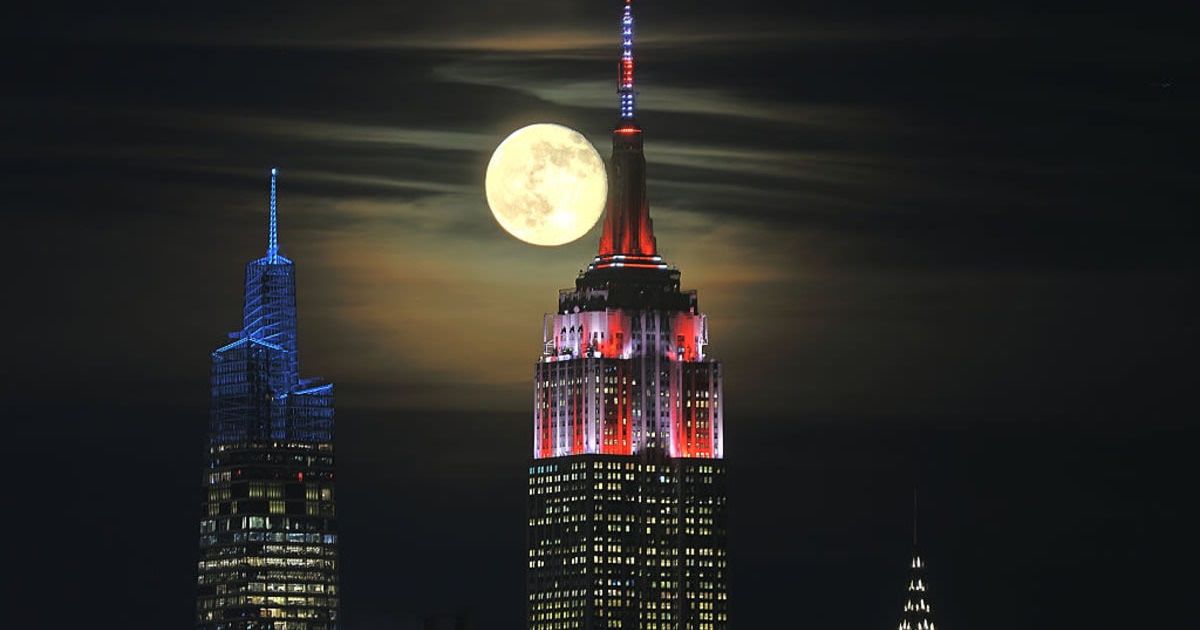
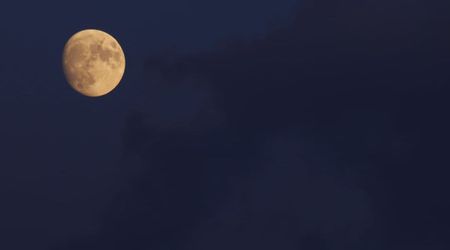
The sky will be very bright tonight, as the Moon will be in its Waxing Gibbous phase, with 95.9% of its visible disk illuminated by the Sun. In fact, the Moon will be 12.86 days old in its 29.5-day cycle, according to The Sky Live.
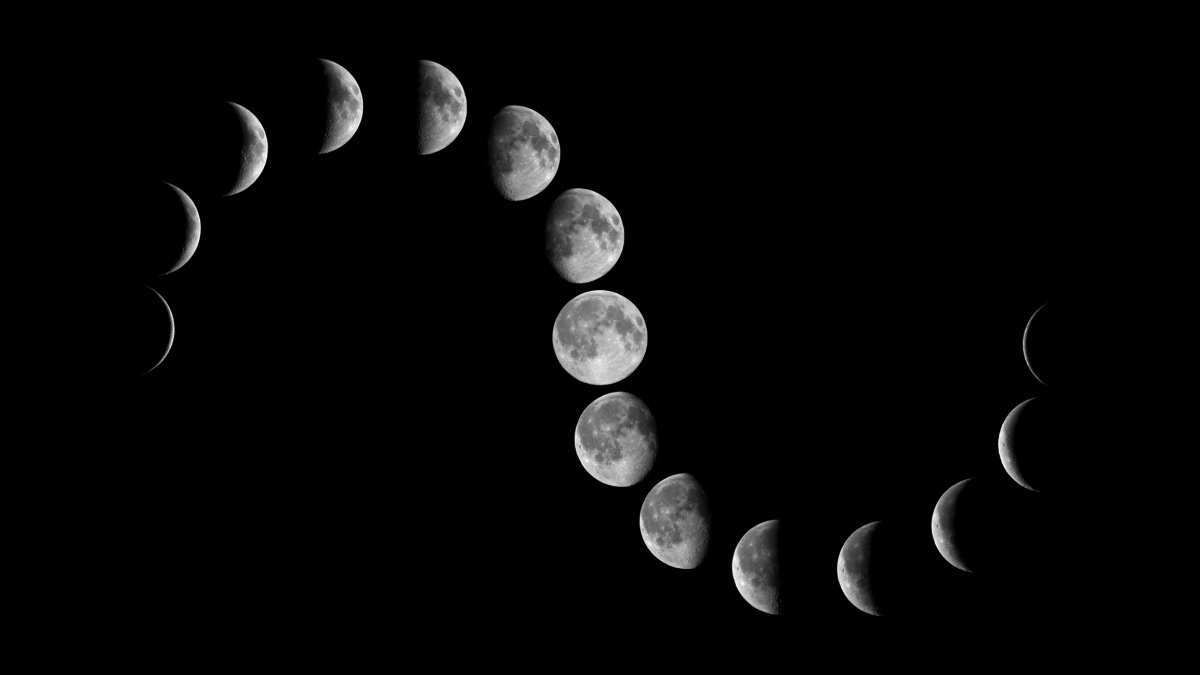
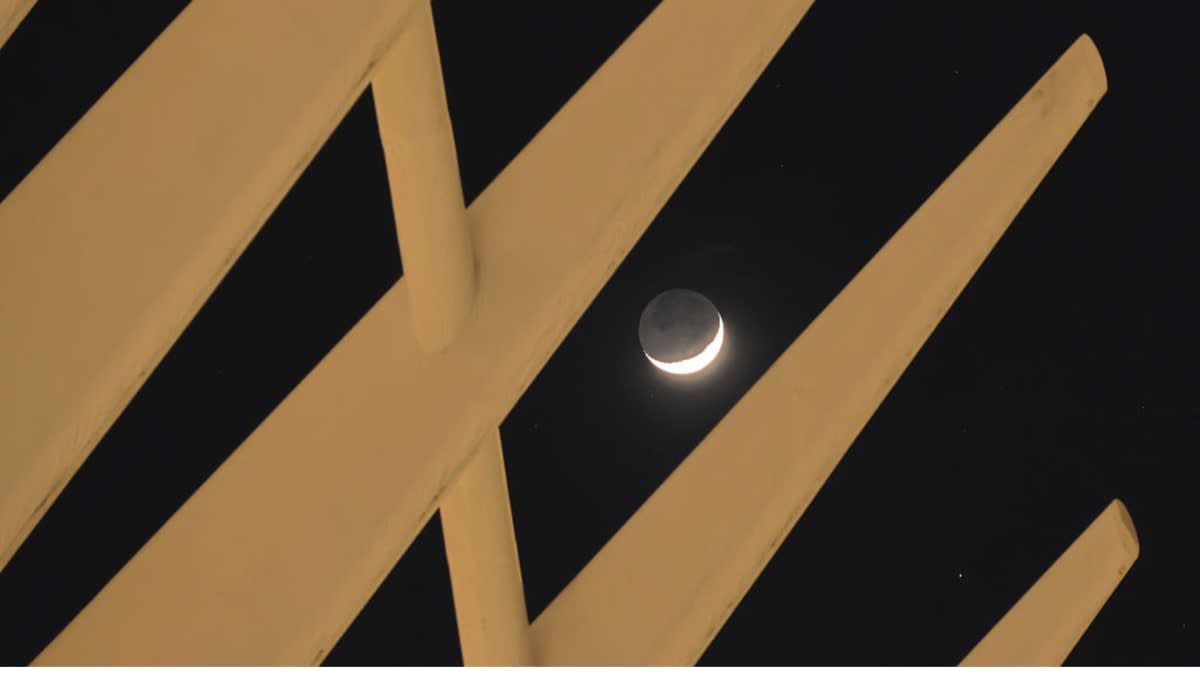
Tonight will be a great time to dust off the old telescope in the attic or get your hands on a pair of binoculars. That is because some of the features, located near the terminator—the line dividing night and day on the Moon—will be prominently visible thanks to the elongated shadows they'll produce.
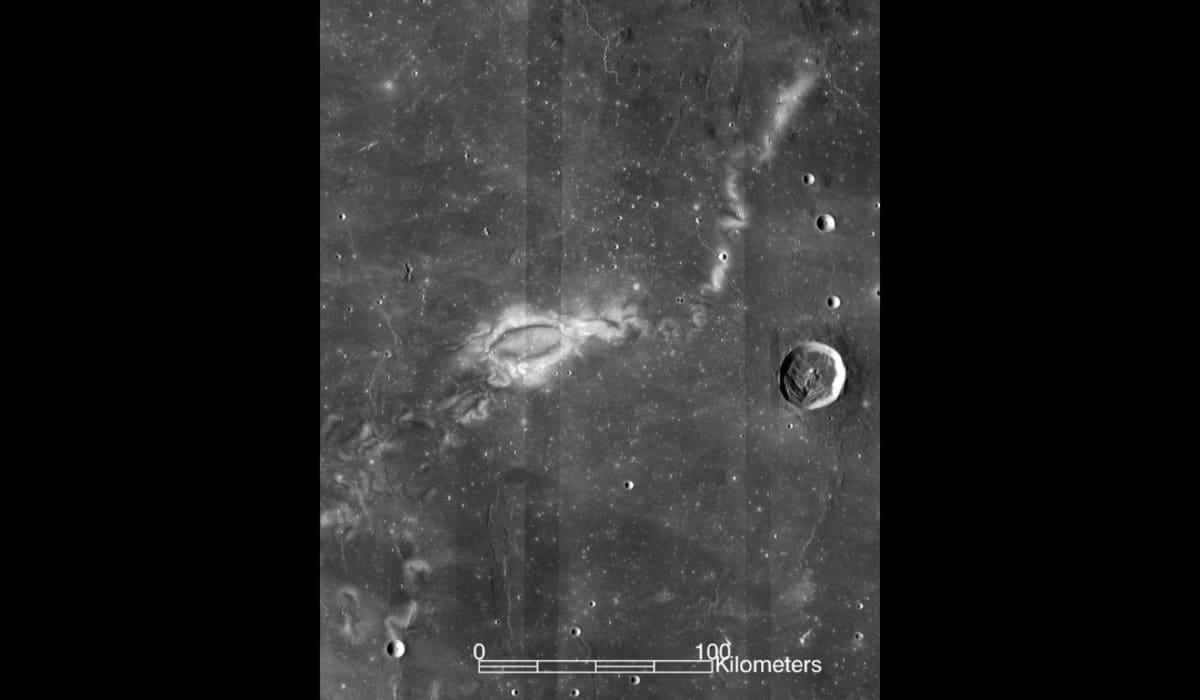
For starters, you'll be able to spot the huge Schickard and W. Bond craters, which are 212 and 170 kilometers wide (132 and 105 miles wide), respectively, on the surface of the Moon. Apart from these craters, there is Sinus Aestuum, which is a 316-kilometer-long (196.35-mile-long) feature that is notable for its smooth, lava-rich surface, indicating past volcanic activity. Vallis Alpes—the 155 km long (96.3 mile-long) valley cutting through the Montes Alpes—and the swirl of Reiner Gamma—which has a 73-kilometer (45.3 mile) diameter and is linked to a local magnetic anomaly—can also be spotted tonight. These features are a diverse showcase of the Moon's geography, and you'll be able to see them all right on the first night of the year.
However, the New Year’s Night show is just a hint of the first Full Moon of the year that will grace the skies two days later. The first Full Moon of January, the Wolf Moon, will be at its biggest and brightest at 5:03 a.m. EST on Saturday, January 3, 2026, as per Almanac. It is also a Supermoon since the Moon will be near its closest position to Earth. As it will be opposite the Sun in position, the complete face of the Moon will be brightened, and it will look a lot bigger and more spectacular than normal. The height of the Moon’s visibility will be at midnight above, and it will set in the west by sunrise after rising in the east at sunset.
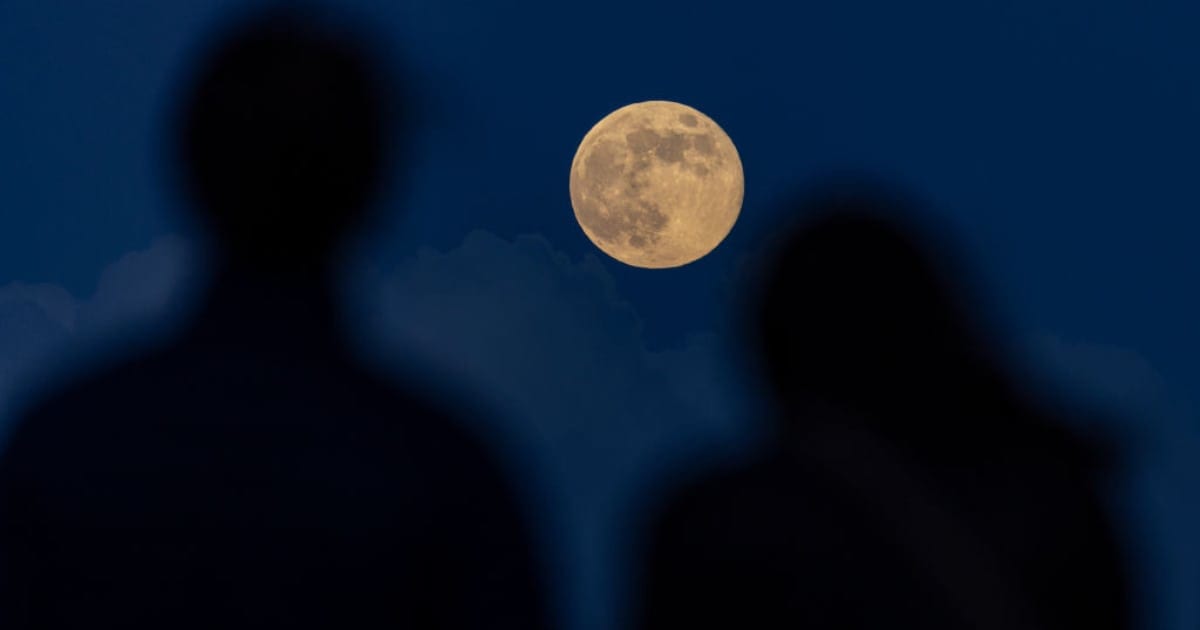
The title of "Wolf Moon" is a result of the age-old belief that wolves howl more often in January because they are hungry due to winter. Although scientific studies have found that howling is a means of communication within the pack and also a way of marking territory, the name is still widely accepted as a winter cliché. Different human cultures have different names for the same event.
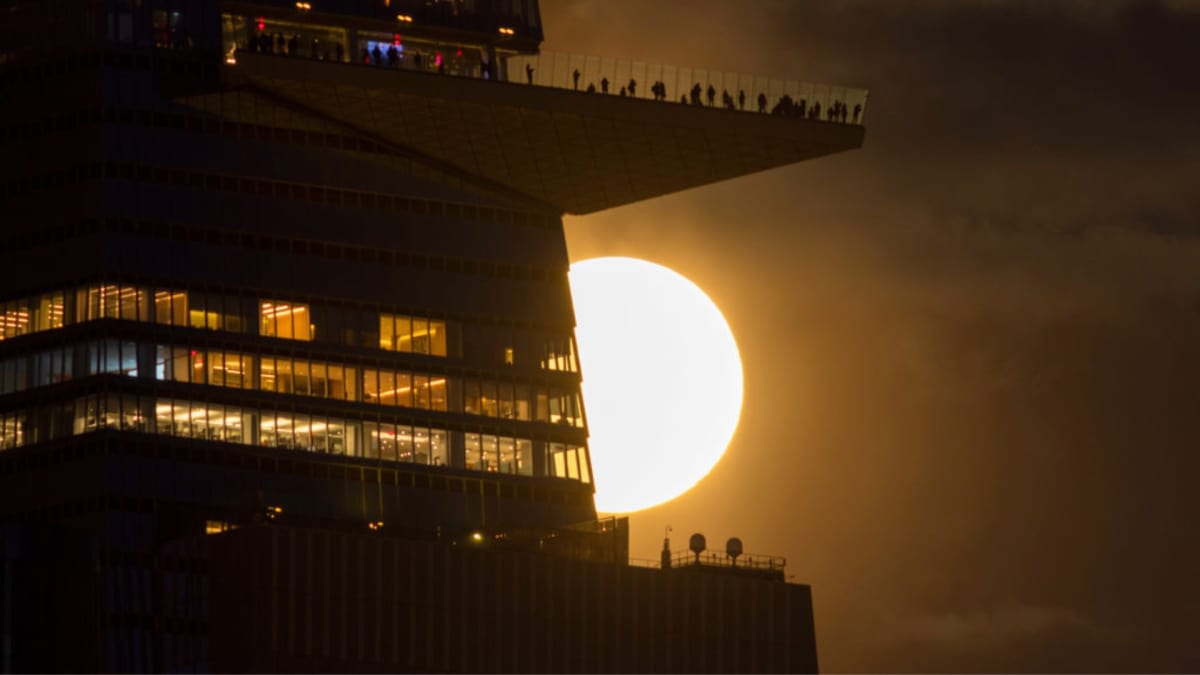
The Assiniboine tribe refers to it as the Center Moon because it is the midpoint of the winter season. On the other hand, many tribes give it names related to the weather, e.g., Cold Moon, Frost Exploding Moon, or Freeze Up Moon. The Dakota tribe names it Hard Moon because of the layer of heavy snow on the ground. Other names are Canada Goose Moon, Great Moon, and Spirit Moon, pinpointing various winter aspects of nature.
More on Starlust
Blood moon alert: Here's everything you need to know about next year's total lunar eclipse