NASA says April 1 the 'most optimum' launch window before wind and rain risks increase
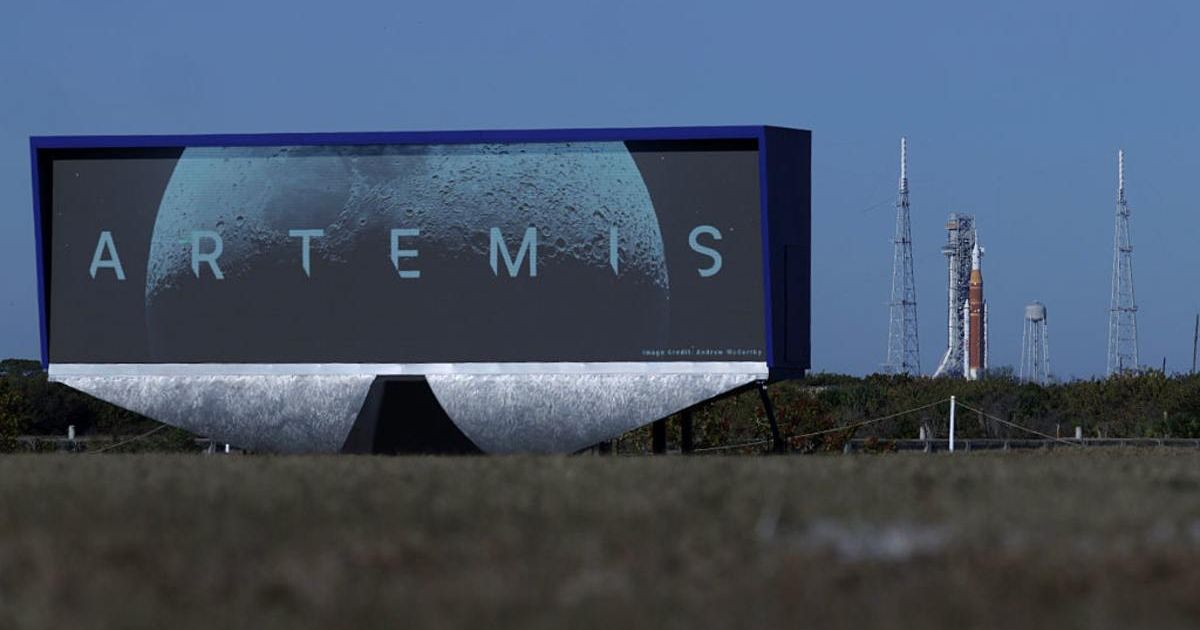
A day after beginning the launch countdown for Artemis II, NASA has shared the results of its weather reviews during the L-1 status news conference on March 31, 2026. According to the agency, the mission stands the best chance of launching successfully on Wednesday, as succeeding launch windows could see the weather conditions become less favourable. Mark Burger, the launch weather officer of the 45th Weather Squadron, Cape Canaveral Space Force Station, said at the event, “Tomorrow looks to be the best. Other days - hit and miss, but still pretty good... tomorrow still looks to be probably the most optimum day of the lot." Launch windows in April are available through the 6th. Mission managers also reiterated the teams’ ability to attempt launch four times in this six-days period, with another window available on April 30, 2026.
The countdown begins.
— NASA (@NASA) March 30, 2026
Teams at @NASAKennedy have arrived to their stations at the Launch Control Center. We are about 48 hours from the launch of the Artemis II mission around the Moon. https://t.co/PqaR8eyxu4 pic.twitter.com/shEs8WWtWP
Burger also detailed some minor concerns, like breeze and cumulus clouds. Winds near the ground continue to be a factor that NASA will keenly observe. However, the weather officer did note the resilience built into the design of the SLS rocket, meaning this primary concern is one that the review deemed minimal at best. A very low risk of lightning was also predicted, measuring 5% to 10%. Chances of intermittent showers due to the presence of the cumulus clouds also exist, though, enough of a clear weather is expected to present itself during the launch window that opens at 6:24 pm EDT.
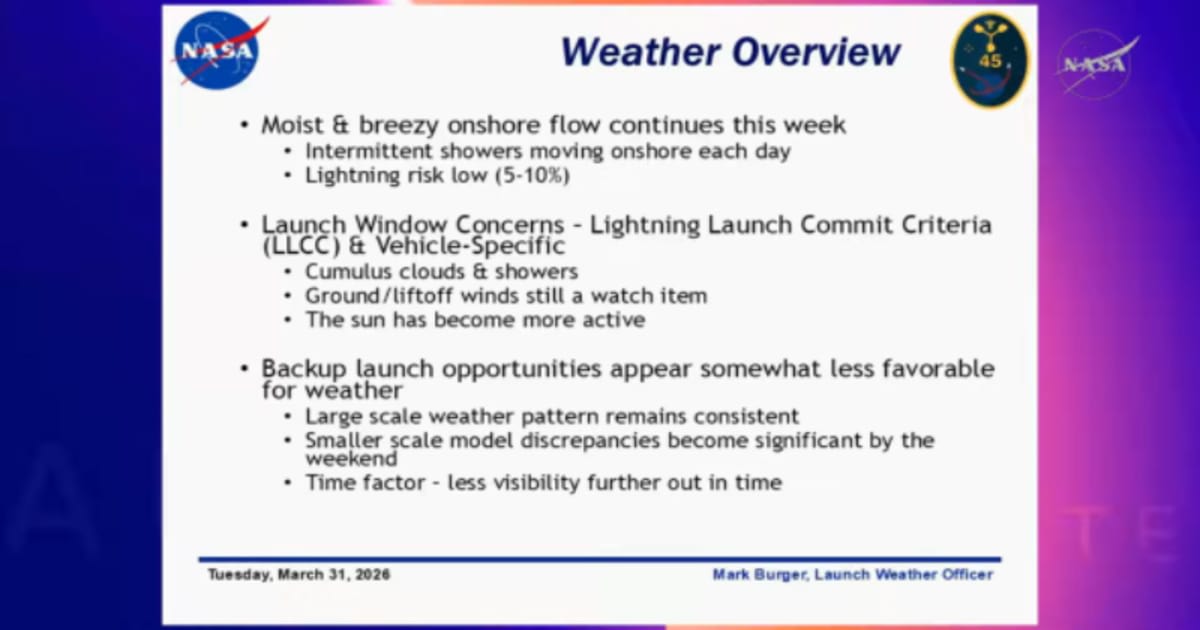
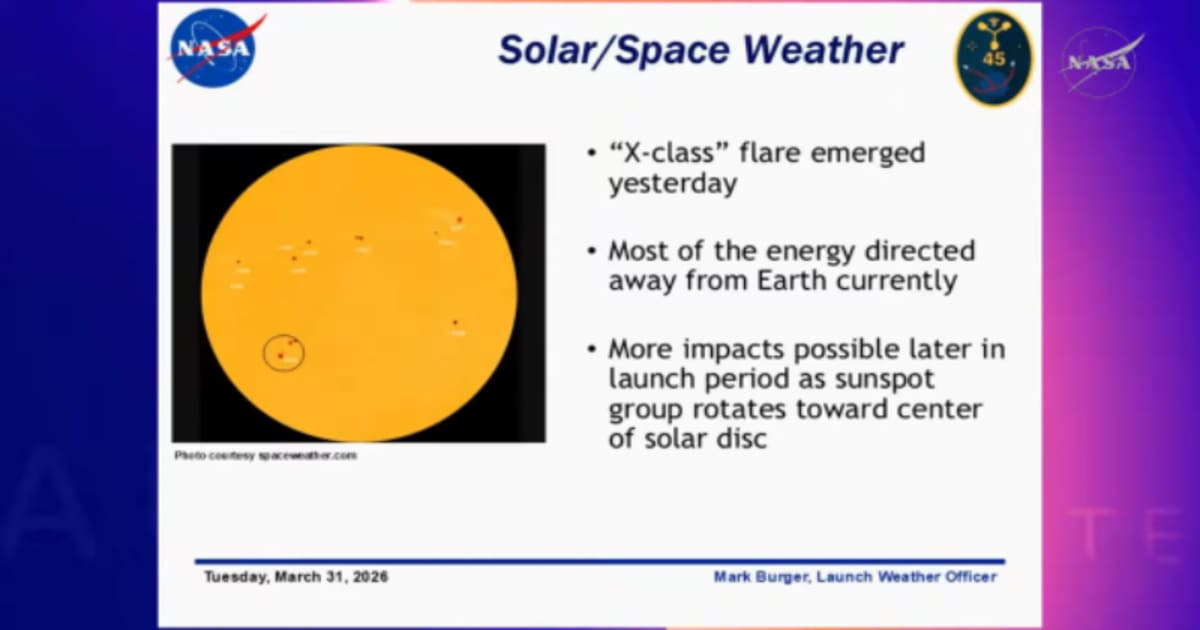
These observations meant that mission managers are still 80% “go” for launch, as they had been the previous day. Weather balloons were also mentioned as key tools for determining if the weather is within NASA’s constraints for lift-off. From a space weather perspective, a group of sunspots firing off M-class and an X-class solar flare, and CMEs in the previous few days will also remain a watch item for the agency. According to NOAA’s Space Weather Predictions Center, these solar events happened when the sunspots they originated from were facing away from the Earth. However, with them turning towards the center of the solar disk in the coming days, impacts from high-energy particles may be expected.
Preparatory work undertaken since the previous briefing was also discussed, which included powering up the SLS rocket’s core stage, Interim Cryogenic Propulsion Stage and Orion spacecraft, besides checkouts of systems like communications. Jeff Spaulding, the senior NASA test director at Exploration Ground Systems, outlined a few tasks EGS teams are yet to complete. “We do have some work associated with the Orion ground equipment and the systems we have used to do the leak checks on the crew suits, and so we’ll be working those later to configure and check them out and make sure they’re ready for when we hook up to the crew on launch day."
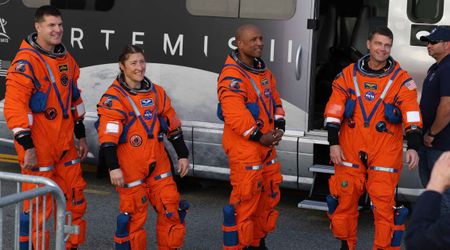
Work will also be done with the Orion guidance systems, while personnel will be cleared from the launch pad at 3 am EDT on Wednesday. An hour later, in preparation for the tanking of cryogenic fuel, the rocket will be configured with inert Nitrogen so as to reduce hazards. A final weather brief will follow, led by launch director Charlie Blackwell-Thompson, which will determine if the loading of propellants can begin as scheduled for 7:34 am EDT on April 1. As for the flight crew, Spaulding stated that after waking up at around 9:45 am, they’ll have breakfast before continuing with the preparations for an adventure of their lives.
More on Starlust
Countdown to Artemis II: Here's what will happen in the final hours before this historic launch
Meet ‘Rise,’ Artemis II’s zero-gravity indicator inspired by an iconic Apollo moment