Here's how to watch Sun-Saturn conjunction on March 25
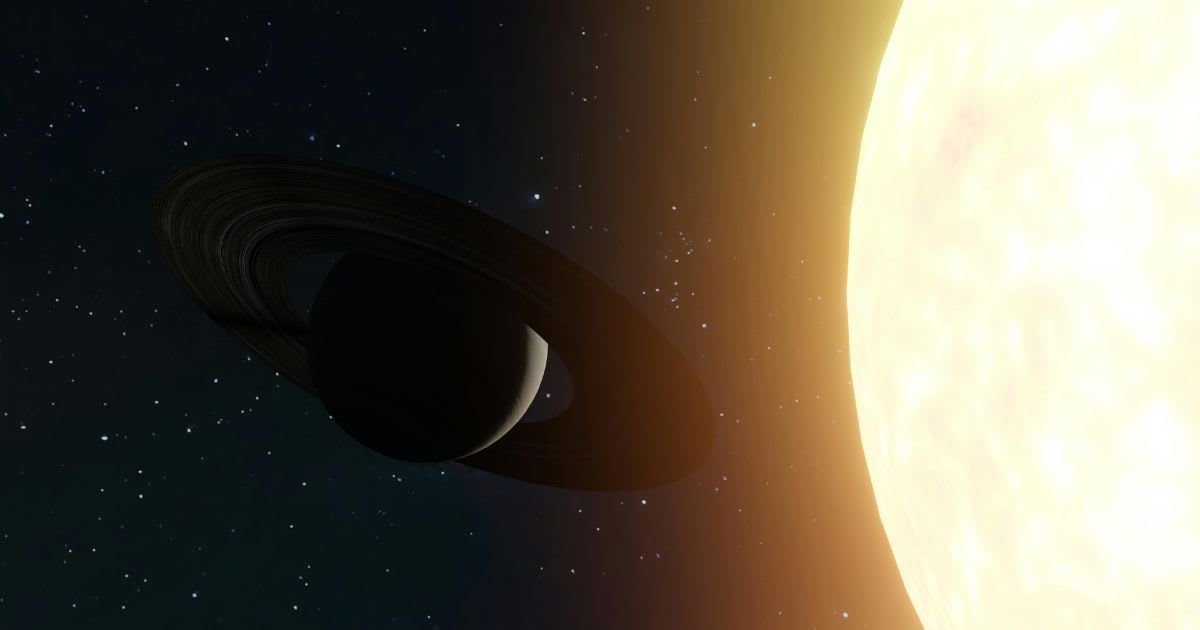
On March 25, Saturn will pass close to the Sun in the sky and practically disappear into its glare. This solar conjunction happens as Saturn moves to the far side of the solar system as observed from the Earth. While the Sun and the ringed planet aren’t literally near each other, this is the closest “visual” approach from Earth where the distance between them will be just 2°07' — an extremely small separation in sky terms. As a result, it will be difficult to observe Saturn for several weeks.
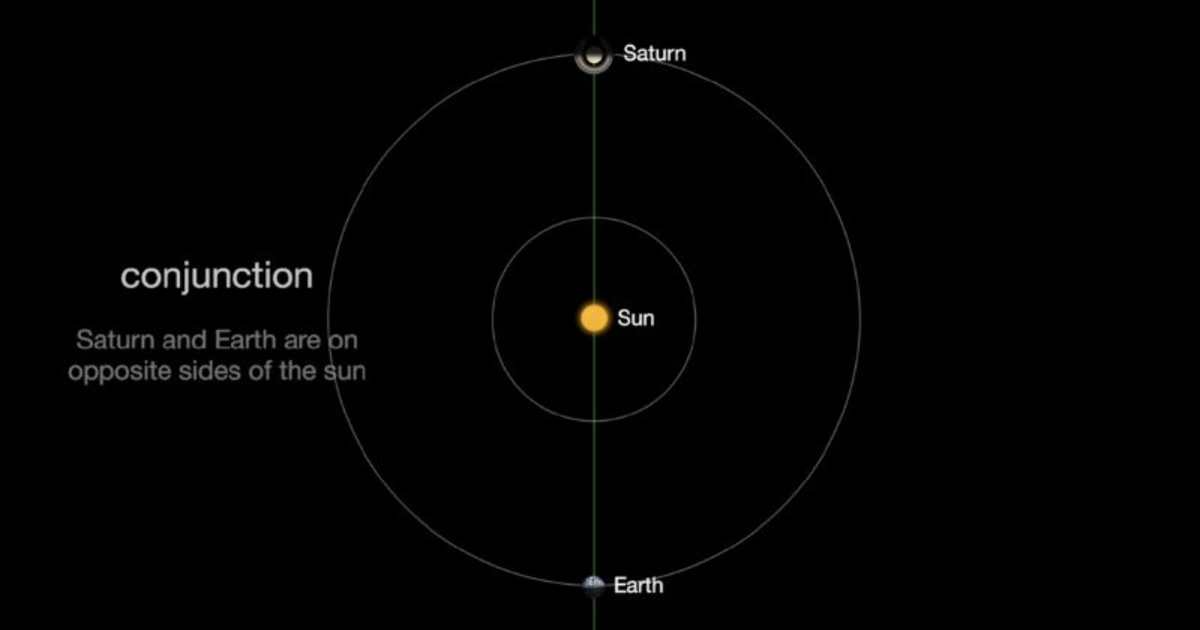
It’s not just Saturn. Whenever any planet passes behind the Sun from the Earth’s perspective, the event is known as a solar conjunction. Saturn’s upcoming solar conjunction will happen at 9:00 UTC on March 25. At this point, the Sun’s brightness will overwhelm any neighboring objects in the sky, which means even bright planets like Saturn cannot be seen. Due to this reason, Saturn’s solar conjunction is one of those astronomical events that aren’t of much skywatching appeal, like blood moons or auroras.

Saturn at solar conjunction on March 25 is not due to its proximity to the Sun, but rather how they appear close together in the sky because of their alignment along our line of sight. In terms of their position in the sky, Saturn and the Sun will both lie in the constellation Pisces during this event. Skywatchers beware, as this event isn’t meant to be looked at, with neither the naked eye nor optical support. Closely observing objects near the Sun is always extremely dangerous. Never point binoculars or telescopes toward the Sun, as it can cause immediate and permanent blindness.
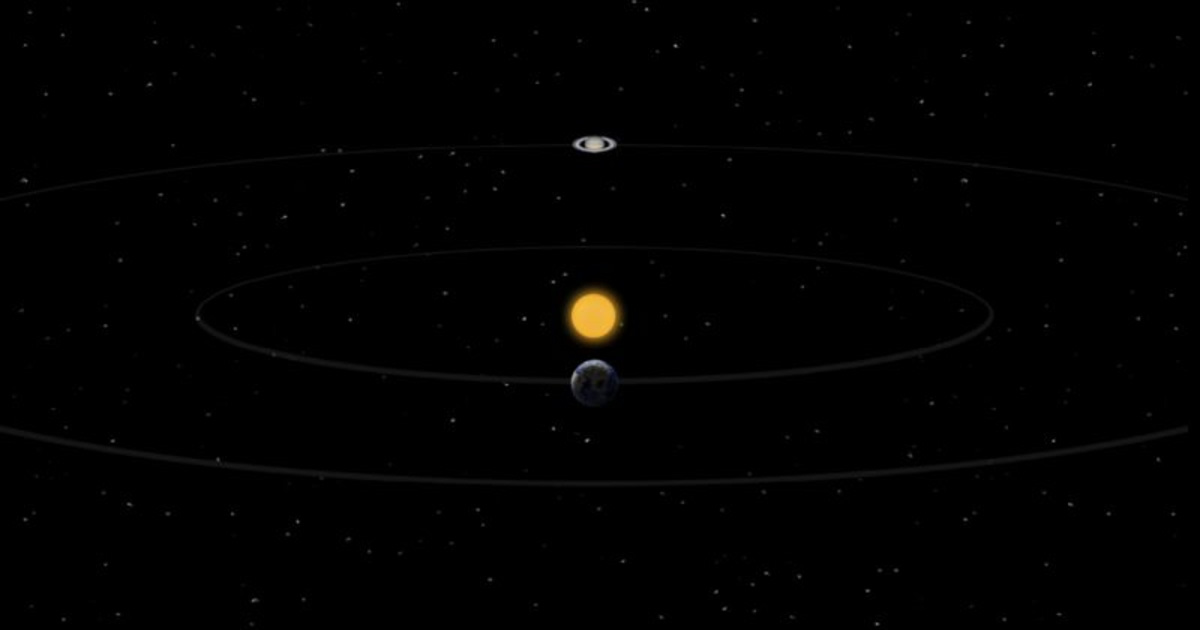
Interestingly, Saturn is at its farthest distance — about 10.49 AU away — from the Earth, at the time of this solar conjunction. For better context, 1 AU is the distance between Earth and the Sun and this huge gap makes Saturn appear smaller than usual. Its apparent size shrinks to around 15.8 arcseconds, while it also appears fainter than it typically does in the sky. However, this is only a temporary phase as the planet will slowly return to view over time. Once it moves away from the Sun, it will gradually reappear to its west.
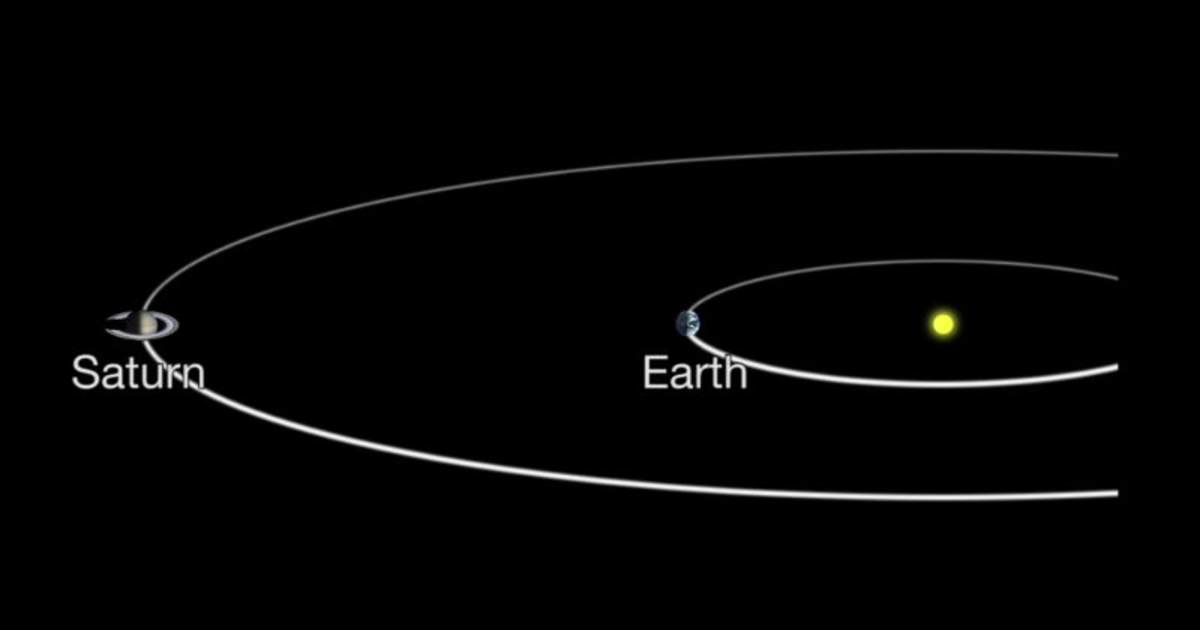
By April, Saturn would be back to being visible in the pre-dawn sky for short periods before sunrise. With each passing day, these periods will increase and the planet will rise earlier and remain visible for longer. Six months later, Saturn will reach opposition, where it will be visible for most of the night. This phase of disappearance and reappearance is a regular part of Saturn’s orbit around the Sun.
More on Starlust
March 2026 skywatching guide: Blood Worm Moon, planetary conjunctions and the equinox
Full Pink Moon 2026: Date, time and how to watch April's Full Moon