Earth hit by fierce X-class solar flare, triggering a significant radio blackout across Australia

NASA’s Solar Dynamics Observatory (SDO), which keeps a watchful eye on solar events, picked up a massive solar flare erupting from the Sun. The flare, which peaked at 9:49 p.m. ET on November 30, was classified as an X1.9 flare, with ‘X’ denoting the most intense class of solar flares and the number denoting its strength.
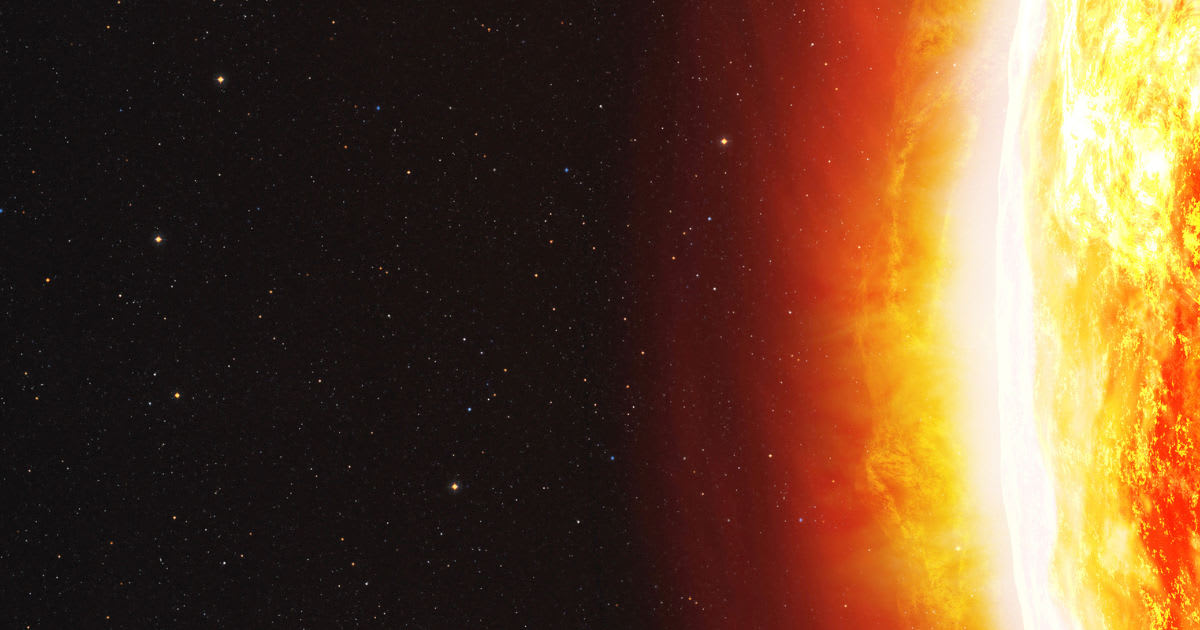
Solar flares of this magnitude, though not common, are not exactly unusual either. They can be quite erratic, rising and falling quickly, and lasting anywhere between a few minutes and a few hours, according to NOAA’s Space Weather Prediction Center (SWPC). Their effects include immediate disruption of high-frequency (HF) communication on the sunlit side of Earth, with users experiencing signal loss for a few minutes to a couple of hours.
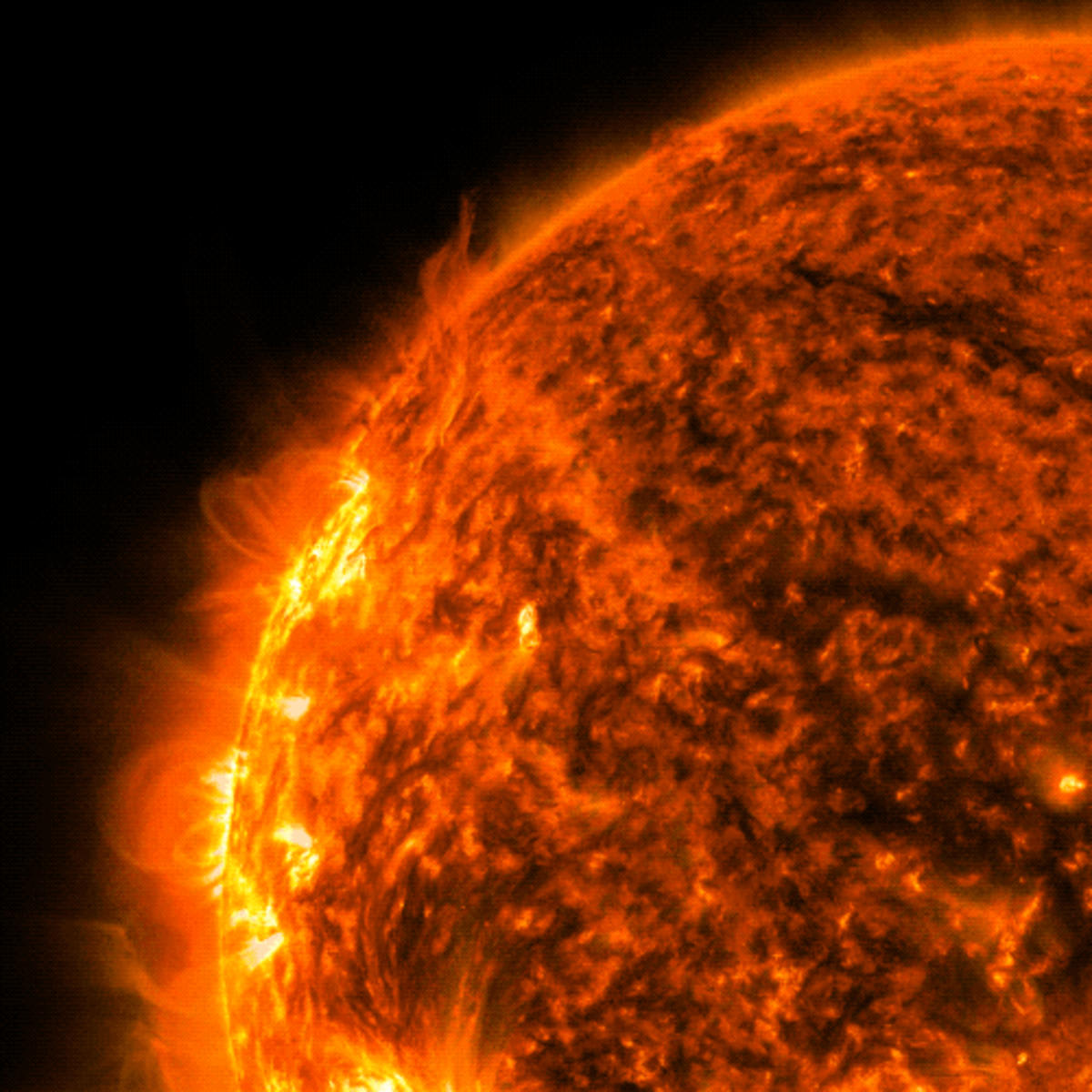
The eruption in question, in fact, came from the newly emerging sunspot region AR4299 as it came into view over the Sun’s northeastern limb and triggered a strong (R3) radio blackout across Australia and parts of Southeast Asia.
Strong R3 radio blackout in progress (≥X1 - current: X1.82)
— SpaceWeatherLive (@_SpaceWeather_) December 1, 2025
Follow live on https://t.co/3Xxrvc3cpA pic.twitter.com/MnSHkSksz6
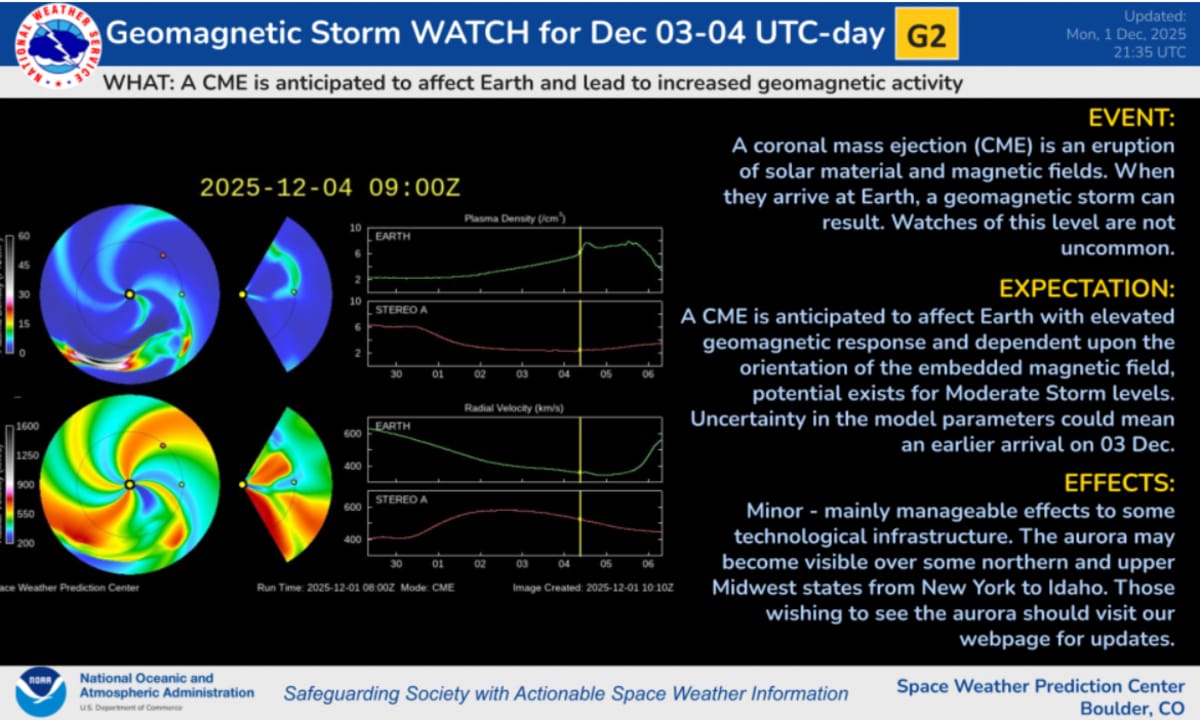
Coronagraph imagery captured by SOHO showed a fast partial halo coronal mass ejection (CME) shooting out of the Sun’s northeastern limb. While most of the ejecta was directed east of the Sun/Earth line, the SWPC still thinks that a glancing blow is likely. And since there is some uncertainty as to the timing of the event, a G2 (Moderate) geomagnetic storm watch has been issued for December 3 and 4 (UTC). As for the storm’s effects on technological infrastructure, they will be minor and manageable. You may even catch auroras over some of the northern and upper Midwest states from New York to Idaho.
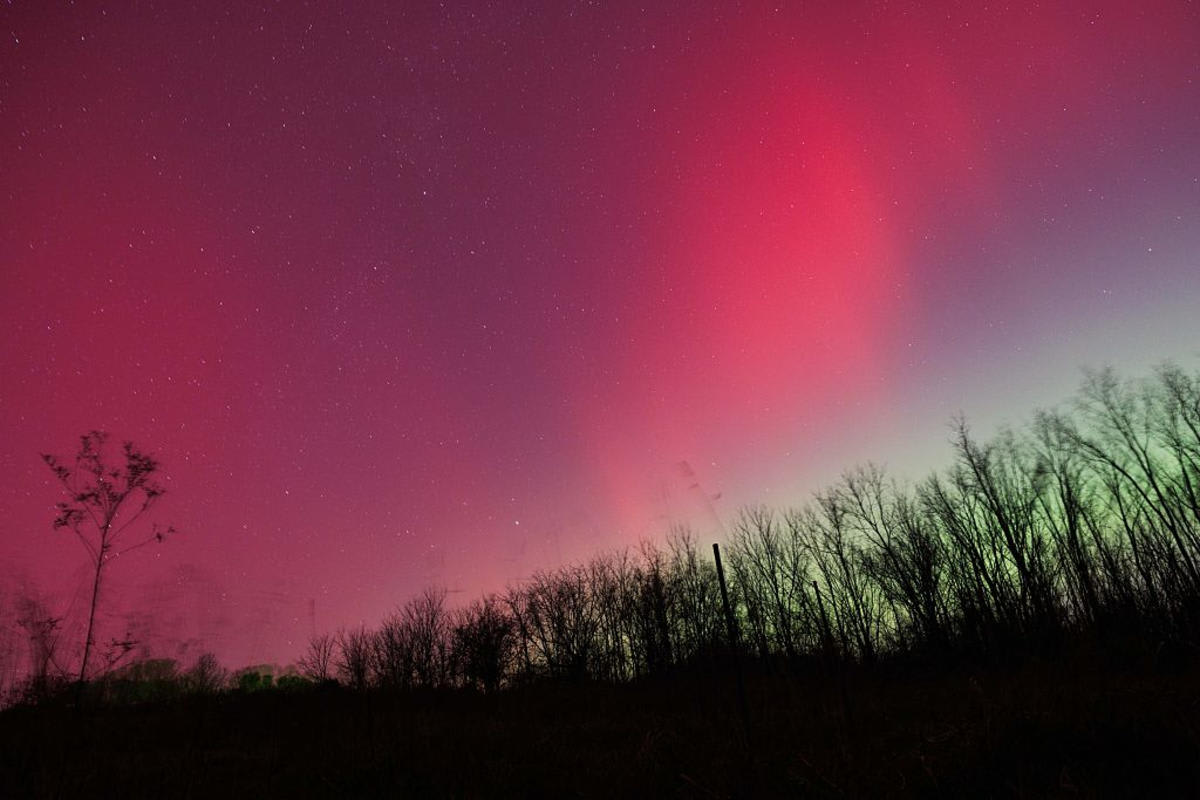
AR4299, a successor to the large and more active sunspot region AR4274, had a pretty busy time in early November, too, as it hurled several CMEs towards Earth. The CMEs interacted with the planet’s magnetic field, creating incredible auroras on November 11-12 that were even visible in tropical latitudes with cameras. In fact, on November 11, the KP index hit 8.67, thereby making it the second-largest solar storm since 1989. The event from May last year still has the top spot, per Bring Me The News.
But as fascinating as the AR4299 sunspot region is, it cannot hold a candle to sunspot complex 4294-96, which is one of the biggest sunspot groups detected in the last decade, per Spaceweather.com. It measures around 111,846 miles (180,000 kilometers), and at least five of its dark cores are individually bigger than Earth. “I had to combine two panels to capture the massive complex,” said Amrit Seecharan, who captured the complex from Chaguanas, Trinidad. In case you are wondering, even you can spot it with your backyard telescope, provided that it is safely filtered.
Major X1.95 flare from sunspot region 4296
— SpaceWeatherLive (@_SpaceWeather_) December 1, 2025
Follow live on https://t.co/3Xxrvc3cpA pic.twitter.com/eRmjPTcuOO
As for the credit of discovery, it goes to NASA’s Perseverance Mars rover, which managed to capture it through the cloud of dust in the Jezero Crater. At the time, it was still days away from turning towards Earth, but it is here now. Spaceweather.com notes that the complex has an unstable ‘beta-gamma-delta’ magnetic field that has the potential of releasing X-class solar flares.
More on Starlust
Giant sunspot larger than expected swings to face Earth after unleashing M-class solar flare
ESA's Solar Orbiter captures first direct view of Sun's polar magnetic field in motion