Cosmologist explains how the oldest Milky Way stars gave away the age of the universe
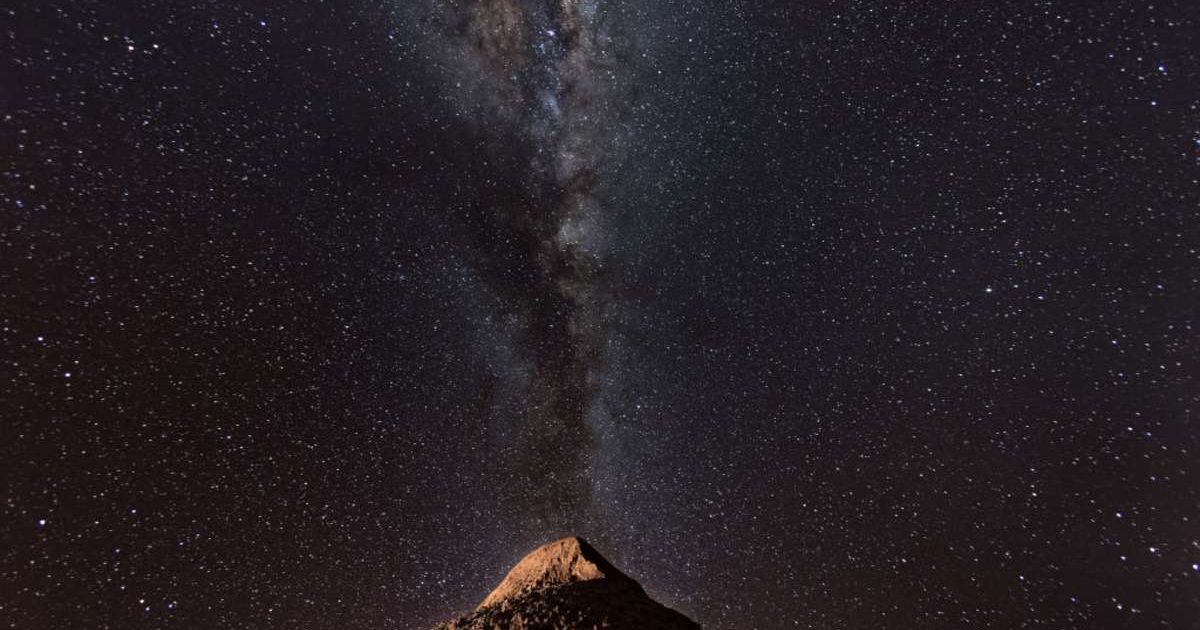
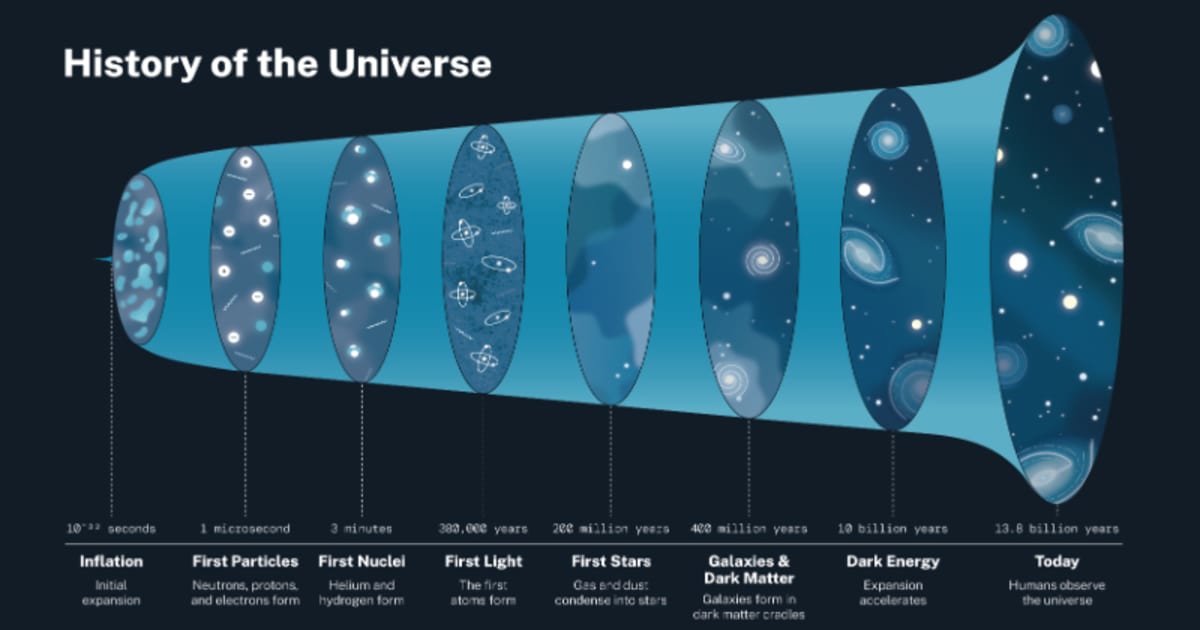
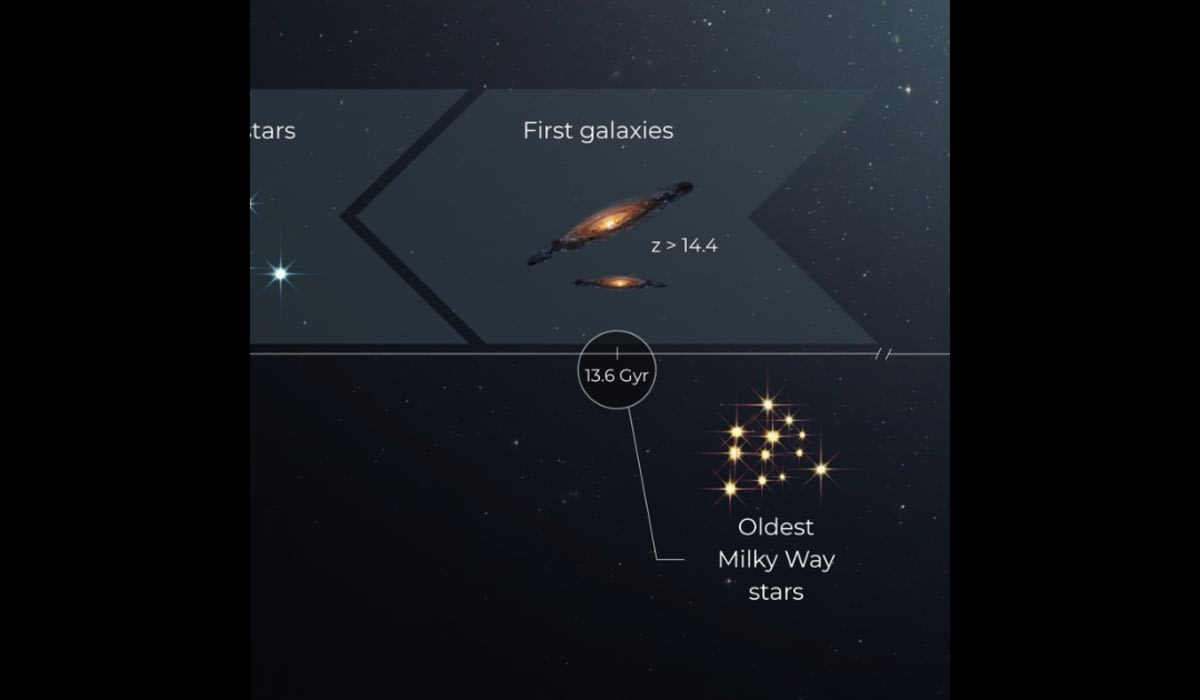
For years, scientists have been trying to put an exact number on the age of the universe. Well, guess what! A recent study in cosmology has now estimated that the universe is at least 13.6 billion years old, thanks to the Gaia Data Release 3 (DR3) containing the ages of ancient Milky Way stars. As we previously reported, researchers from the University of Bologna and the Leibniz Institute for Astrophysics Potsdam (AIP) conceptualized a novel approach to address the Hubble tension by comparing estimates of the universe's age rather than its expansion rate. First author Elena Tomasetti from the University of Bologna has shared exclusive insights with the Starlust team about how stellar ages offer a fresh perspective, which opens doors for modern cosmology.

Starlust: What sparked the idea of tackling the Hubble tension problem from the perspective of the universe’s age instead of its expansion rate?
Elena Tomasetti: The idea originated from a vital need for a novel approach to trace the history of the universe’s expansion. Traditional cosmological probes, like the standard candles consisting of supernovae and Cepheid variables or the cosmic microwave background, measure luminosities or distances with high precision and have been quite effective in helping us reconstruct the expansion history of our universe. However, they have revealed significant discrepancies in the Hubble constant (H0), which is a fundamental cosmological parameter. By employing stellar ages, we can gain a fresh perspective of the universe with an independent tracer of cosmic time. This novel approach provides insights free from potential biases, conventional physics and systematic errors of standard probes.
Starlust: As the study employs the usage of stellar data, utilizing them essentially as clocks, could you explain in simple terms how stellar ages are actually measured and how it impacts the study?
Elena Tomasetti: There are multiple methods for precisely measuring stellar ages. We employed a technique known as Isochrone Fitting to estimate the ages of the stars in our study. From the time a star is born till its death, its brightness and color evolve along a specific path in the colour-magnitude diagram (CMD). These evolutionary paths are influenced by a star’s mass and chemical composition and predicted by stellar models. From these models, we can compute isochrones, which are lines in the CMD that connect the positions of stars born at the same time but with different masses. In essence, it provides us with a snapshot of how a population of stars with the same age and chemical composition would appear in the CMS.
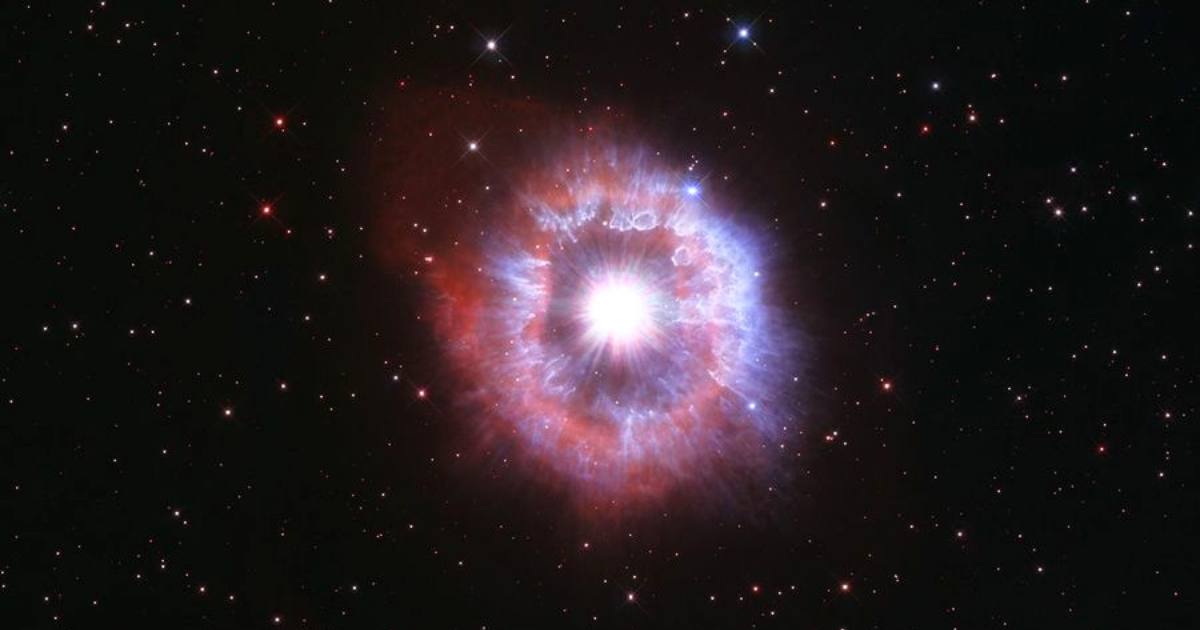
The final step in estimating a star’s age is to compare its observed properties, like brightness, color, and chemical composition, with a grid of isochrones at different ages. This comparison allows us to identify the exact isochrone and, therefore, finalize an age estimate that best reproduces the observations. We used the StarHorse code, specifically designed for this task, to handle the complexities of these interconnected factors in a precise manner. Apart from the CMD, there are various tracers used for measuring luminosity and color, like the Hertzsprung-Russell, or the Kiel diagram. Our version of the CMD was the Kiel diagram, where the effective temperature (T_eff) replaces color, and the superficial gravity (log g) replaces luminosity. Although it seems straightforward, this process is quite strenuous, as it involves various interconnected observables. To achieve reliable results, sophisticated computational pipelines are required. The determination of ages and other stellar parameters for our sample is described in detail in a dedicated paper (Nepal et al. 2024).
Starlust: How did you pick the final 100 stars from Gaia’s catalog of the 3,000 oldest ones for the most reliable ages?
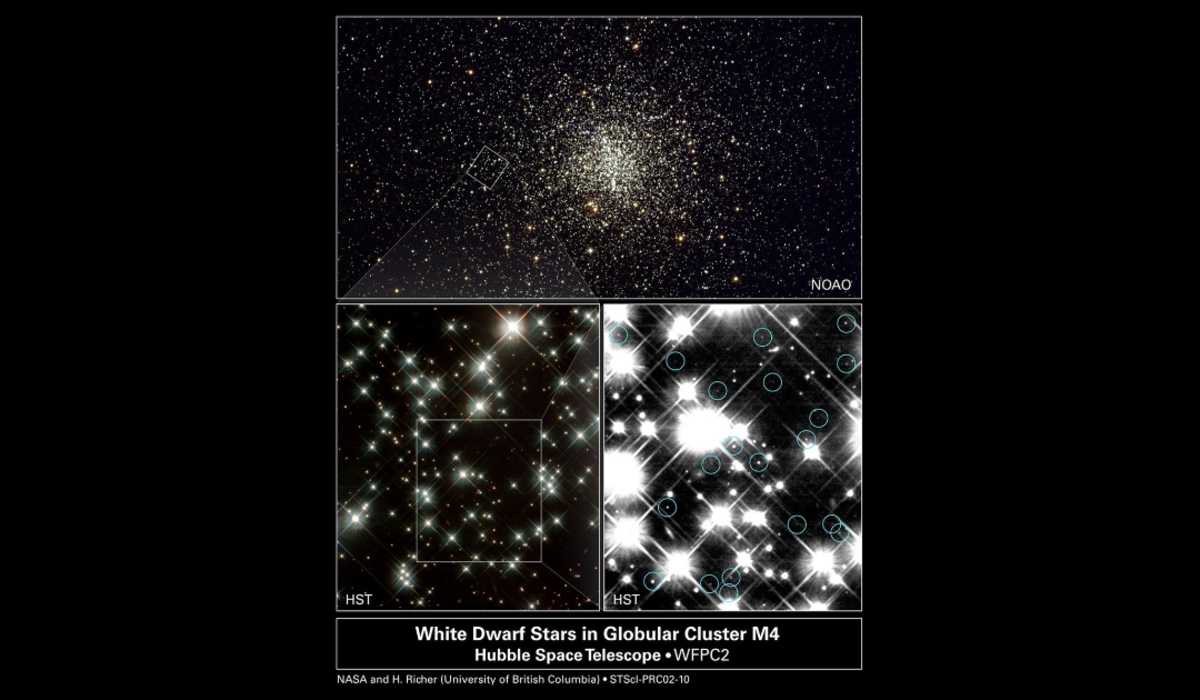
Elena Tomasetti: To finalize the 100 stars from Gaia’s catalog, we had a rigorous process involving five selection steps. At each step, we asked ourselves, “Is there any reason why the age of these stars could be wrong?” The first step involved positioning the stars in the Kiel diagram to focus on the regions of well-separated isochrones for a reliable age estimate. Second, we analyzed other factors, like metal content or the presence of dust, to see how they affect age estimates. For instance, the code might converge on an older age because it favors a metal content lower than what we actually measured. Then, we checked the probability distributions of our age estimates for consistency, first using an automatic detection process and then performing a visual inspection. Lastly, we checked and removed the stars, preventing any possibility of contamination that may appear older due to a loss in mass during evolution. They were identified through the presence of a secondary peak in the age–mass distribution.
Starlust: Can you elaborate on what made Gaia DR3 so crucial to this study?
Elena Tomasetti: Gaia DR3 impacted the study in two crucial aspects: statistics and precision. Statistics is a fundamental tool in using ages as cosmological probes, as larger samples help mitigate the effects of fluctuations on the end result. While a single star’s precise age is valuable to the study, it may not be reliable, as it could be a result of a statistical fluctuation or unrecognized peculiarity. A robust result requires a large number of stars with exact ages, as precision is very important, particularly for distances. Gaia’s parallaxes provided us with uncertainties under 1%, which is vital for accurately determining a star’s age, as it also places constraints on the mass of the star.

Starlust: What is the range of uncertainty for your 13.6 billion-year age estimate of the universe, and what are the factors causing it?
Elena Tomasetti: Combining all the stars, we find a statistical uncertainty of 1 Gyr (gigayear) and a systematic uncertainty of 1.4 Gyr. For individual stars, statistical errors can be as low as 0.5 Gyr, while systematic ones can be a minimum of 1 Gyr. Currently, systematic errors dominate due to uncertainties in the metal content and stellar models. The first type of uncertainty can be addressed through high-resolution spectroscopy, which would deliver a more precise determination of the metal content, thus eliminating the associated errors. However, the stellar model component is more challenging to tackle at present, but mission concepts like HAYDN are in development to enhance the accuracy of the methods. In the shorter term, we can enhance our results by obtaining high-resolution spectroscopy for our targets and increasing our sample size with the data from Gaia DR4, as and when it becomes available.
Starlust: According to you, what does this study mean for modern cosmologists?
Elena Tomasetti: From my point of view, this study represents a singular piece of a much larger puzzle. Presently, many different hypotheses are being explored to explain the Hubble tension and other unresolved discrepancies in modern cosmology. However, our study, still affected by uncertainties, does provide a valuable independent anchor in the realm of modern cosmology. The age of the oldest stars serves as a crucial constraint that any viable cosmological model must satisfy to minimize any possibility of a paradox, as our universe cannot be younger than the stars it contains. As our precision advances through better spectroscopy, larger sample sizes, and more accurate stellar models, this anchor will become much stronger. Eventually, helping to narrow down the range of possible solutions.
More on Starlust
NASA astronaut Jessica Meir shares incredible video of aurora over Canada and Alaska from the ISS