cosmic soundscapes


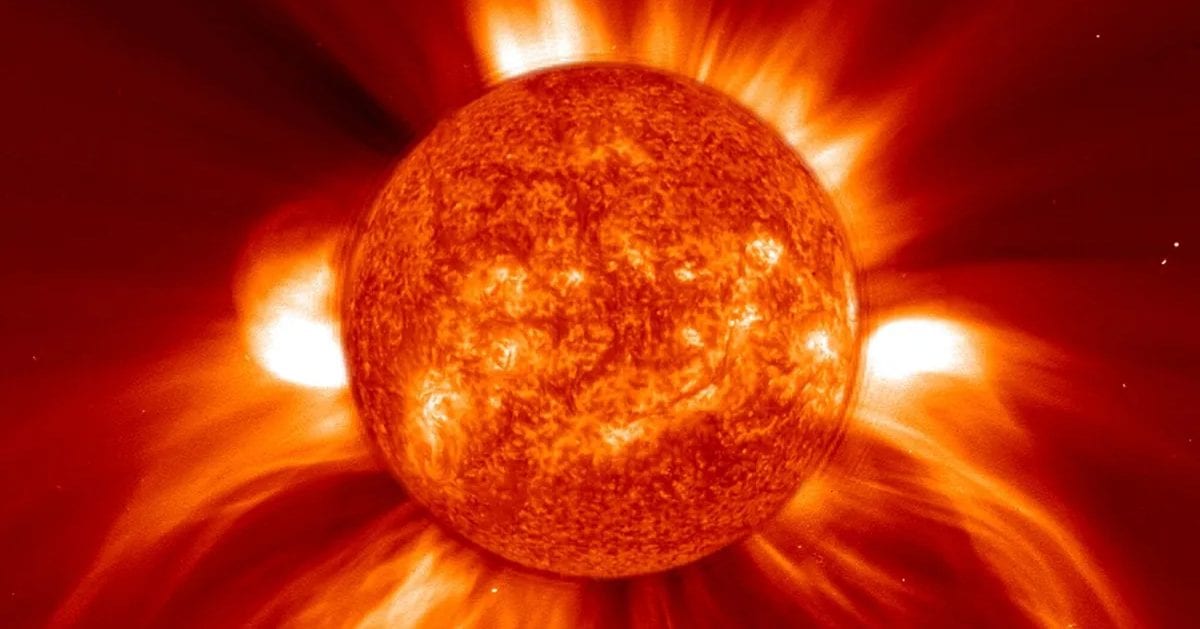
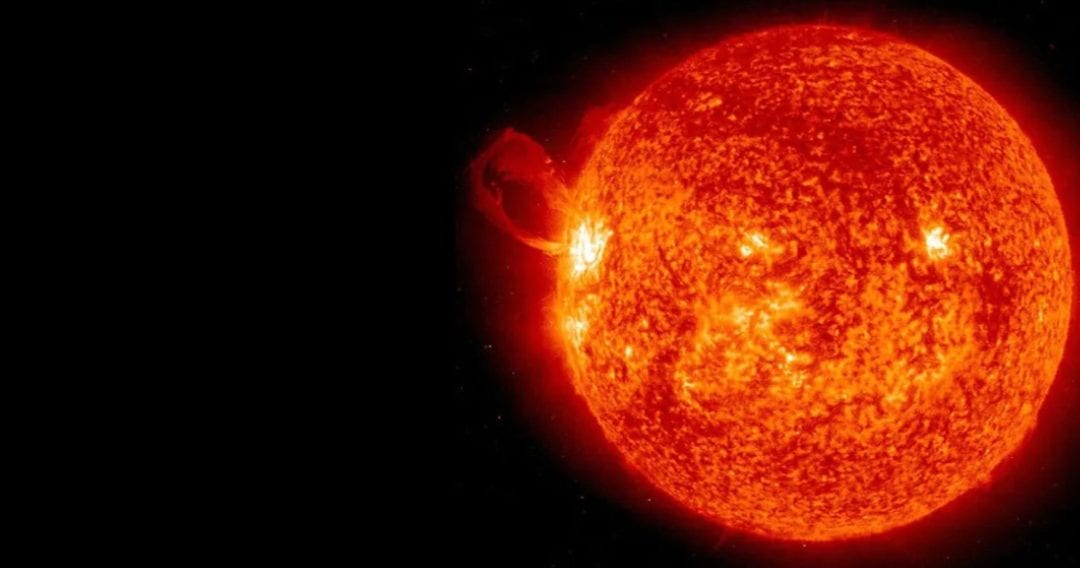
The Sun is about 149.6 million kilometers away from Earth and has a diameter of 695,510 km.
Soundclip Source: NASA
Planets emit radio waves that are produced when charged particles from the sun interacts with the planet's magnetic field. The sounds you hear are produced by a computer converting the radio waves to sound a speaker can play.
Sounds of Mercury

Mercury is about 77 million km away from Earth and has a diameter of 4,879 km (3031.67 mi).
Soundclip Source: NASA
Planets emit radio waves that are produced when charged particles from the sun interacts with the planet's magnetic field. The sounds you hear are produced by a computer converting the radio waves to sound a speaker can play.
Sounds of Venus

Venus is about 261 million kilometers away from Earth and has a diameter of 12,104 km (7521 mi).
Soundclip Source: NASA
Planets emit radio waves that are produced when charged particles from the sun interacts with the planet's magnetic field. The sounds you hear are produced by a computer converting the radio waves to sound a speaker can play.
Sounds of Mars

Mars is about 54.6 million away from Earth and has a diameter of 6779 km (4212.275 mi).
Soundclip Source: NASA
Planets emit radio waves that are produced when charged particles from the sun interacts with the planet's magnetic field. The sounds you hear are produced by a computer converting the radio waves to sound a speaker can play.
Sounds of Jupiter

Jupiter is about 588 million kilometers away from Earth and has a diameter of 142,984 km (88,846 mi).
Soundclip Source: NASA
Planets emit radio waves that are produced when charged particles from the sun interacts with the planet's magnetic field. The sounds you hear are produced by a computer converting the radio waves to sound a speaker can play.
- Sun
- Mercury
- Venus
- Mars
- Jupiter
- Saturn
- Uranus
- Neptune
- Pluto
Sounds of Saturn

Saturn is about 1.2 billion kilometers away from Earth and has a diameter of 120,536 km (74897.6 mi).
Soundclip Source: NASA
Planets emit radio waves that are produced when charged particles from the sun interacts with the planet's magnetic field. The sounds you hear are produced by a computer converting the radio waves to sound a speaker can play.
Sounds of Uranus

Uranus is about 3.2 billion kilometers away from Earth and has a diameter of 50,724 km (31,518.43 mi).
Soundclip Source: NASA
Planets emit radio waves that are produced when charged particles from the sun interacts with the planet's magnetic field. The sounds you hear are produced by a computer converting the radio waves to sound a speaker can play.
Sounds of Neptune

Neptune is about 4.3 billon kilometers away from Earth and has a diameter of 49,244 km (30598.8 mi).
Soundclip Source: NASA
Planets emit radio waves that are produced when charged particles from the sun interacts with the planet's magnetic field. The sounds you hear are produced by a computer converting the radio waves to sound a speaker can play.
Sounds of Pluto

Pluto is about 7.5 billion kilometers away from Earth and has a diameter of 2,370 km (1,473 miles).
Soundclip Source: NASA
Planets emit radio waves that are produced when charged particles from the sun interacts with the planet's magnetic field. The sounds you hear are produced by a computer converting the radio waves to sound a speaker can play.