Constellations with the most visibility in January 2026: Easy viewing tips
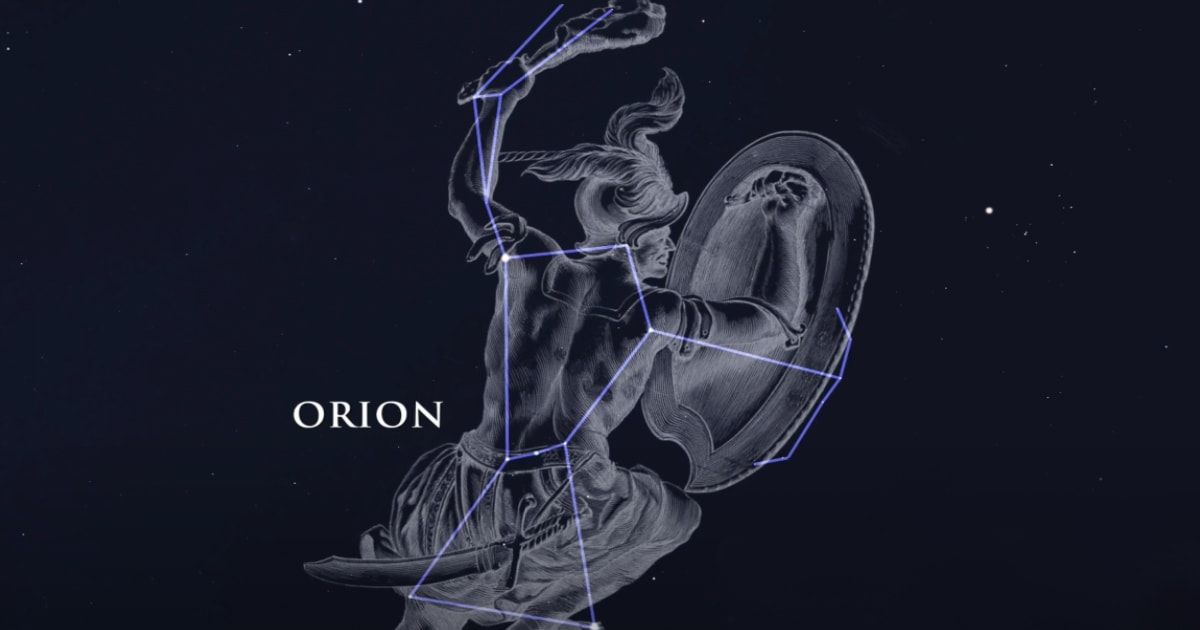
Stepping out under a clear January night sky is bound to yield amazing results if you love observing constellations. With the prominence of Orion and Taurus near their peak, some otherwise rather elusive ones become perfectly placed to make appearances during evenings this month, according to Constellation Guide.
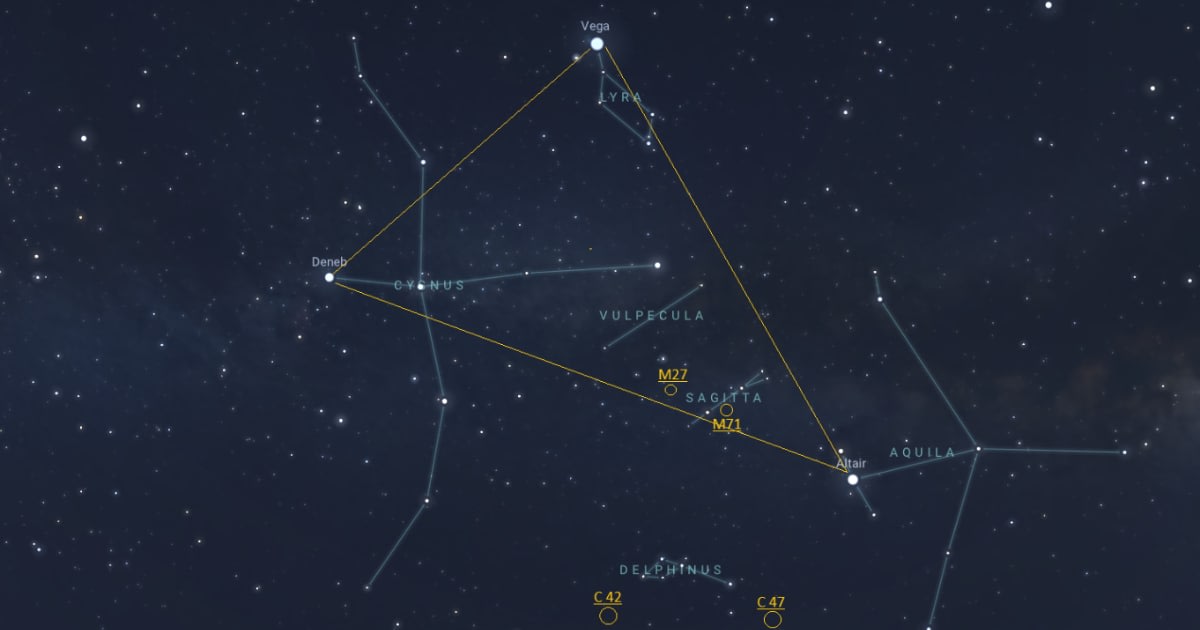
January is a time when constellations near the first quadrants of the northern and southern celestial hemispheres come into view after sunset, and stay visible during most of the night sky. With this in mind, here’s a guide to what you can expect to see when you gaze across the sky.
Orion
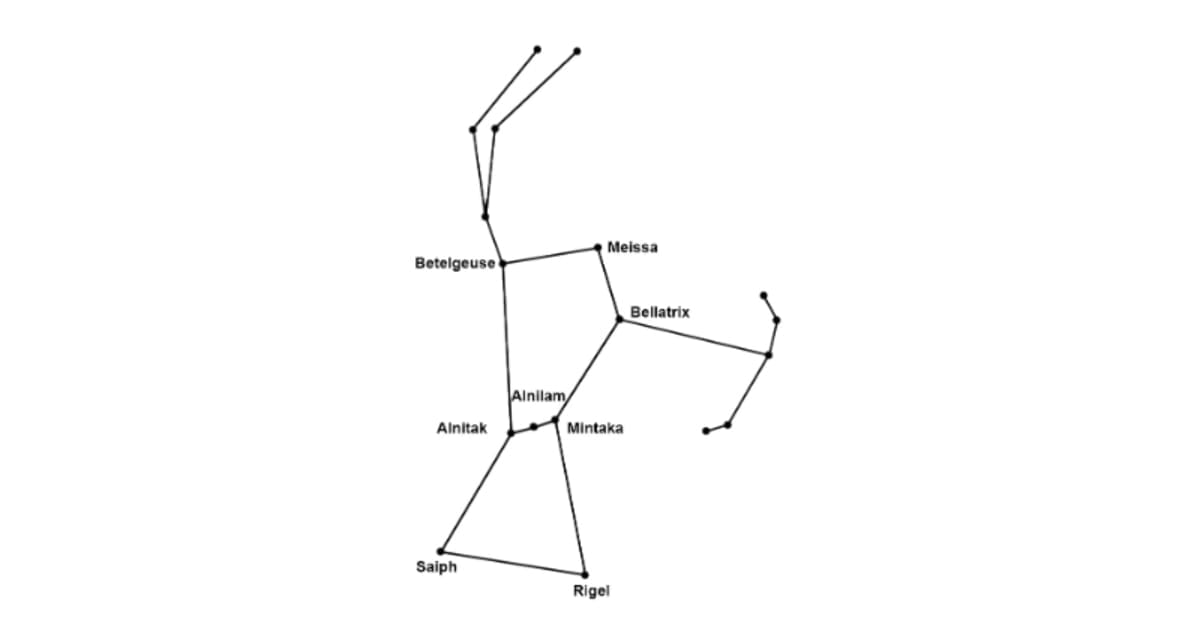
Orion becomes visible to almost all inhabitants of the Earth except for the polar regions due to its proximity to the celestial equator. It is one of the most distinctive constellations in the night sky due to its vastness and mythical references as the Hunter since the earliest days of astronomy, as per the outlet. For enthusiasts, it is often one of the first ports of calls due to the presence of some notable fixtures of the night sky. These include bright stars Rigel and Betelgeuse, the Orion Nebula, the Orion Belt (an asterism), and other Messier objects.
Taurus
Home to the V-shaped Hyades cluster and the Aldebaran star, Taurus is the other prominently visible constellation in the January post-sunset sky, according to the outlet. The best way to identify it is to extend the line of Orion’s Belt upward toward Taurus until you encounter the first bright star. This is Aldebaran, which has a distinct reddish hue and forms a part of the Hyades cluster. The Pleiades cluster also forms a part of Taurus, and so does the Crab Nebula, the remnants of a supernova.
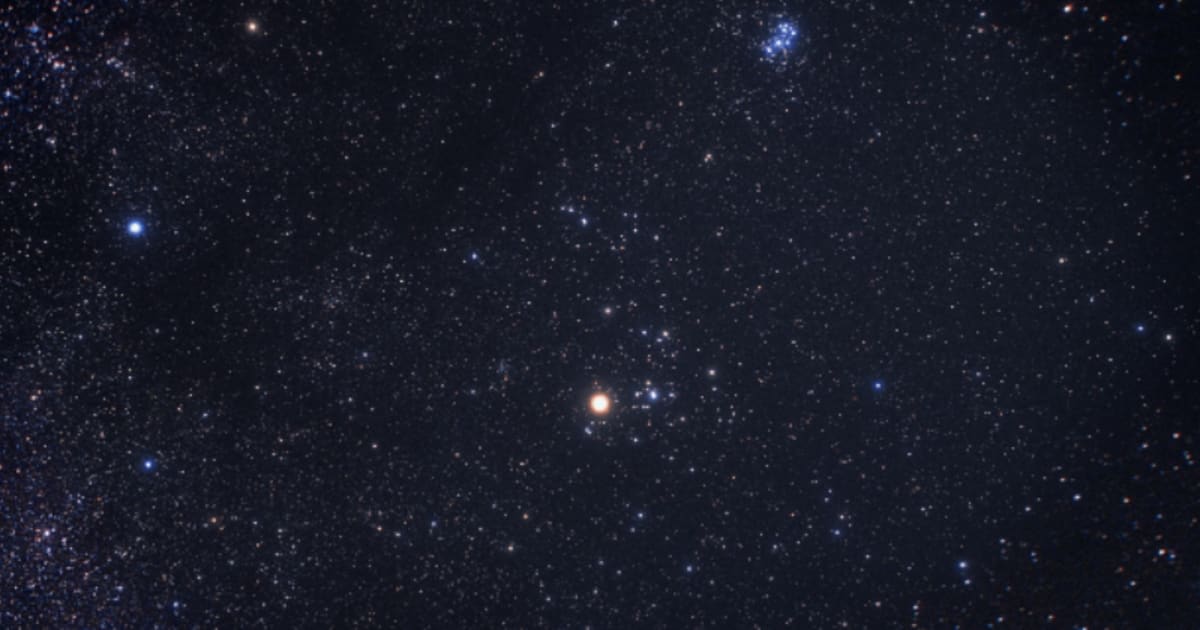
Lepus
Named in Latin after its resemblance to a hare being hunted by Orion, its appearance is rather subdued in the sky when compared to those above. Because it lies close to the celestial equator, it makes its appearance closer to the horizon and lower in the sky beneath Orion during northern winter evenings. Observation requires more than the naked eye in order to distinguish its features, such as the Spirograph Nebula (IC 418), Messier 79, and the irregular galaxy NGC 1821, per the outlet.
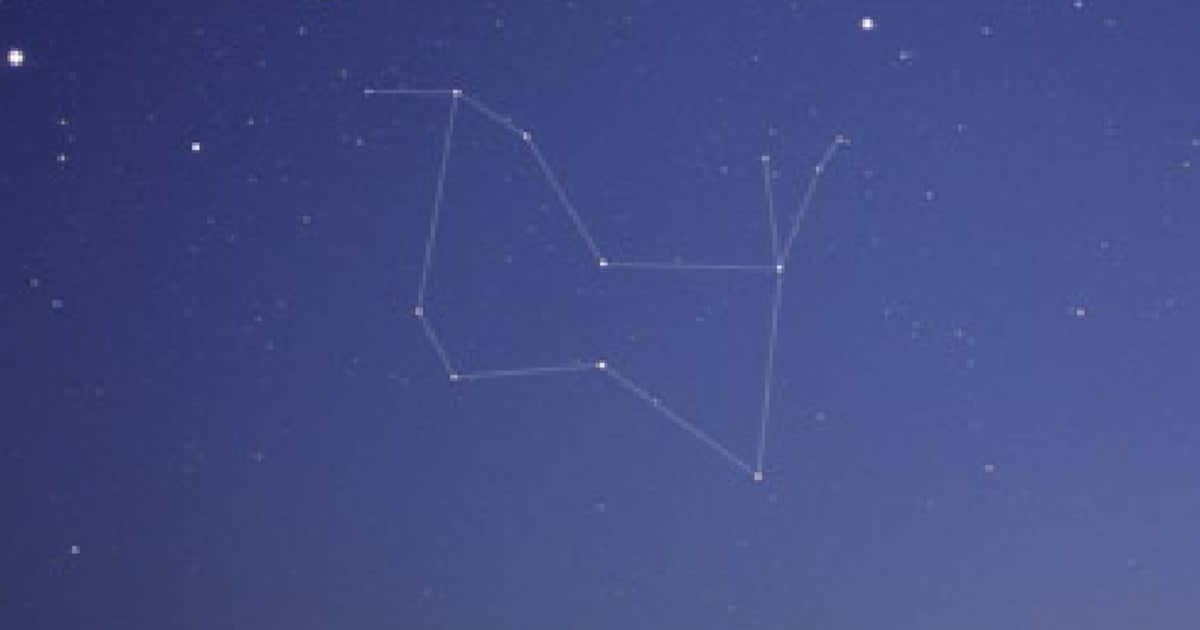
Dorado
Also known as the Swordfish constellation, it is located in the first quadrant of the southern hemisphere, according to the outlet. It is visible to most of the southern hemisphere and to some latitudes to the north, closer to the equator. It contains most of the Large Magellanic Cloud, WOH G64 (one of the largest stars known), and the Tarantula Nebula, housing the most prolific region for star formation.
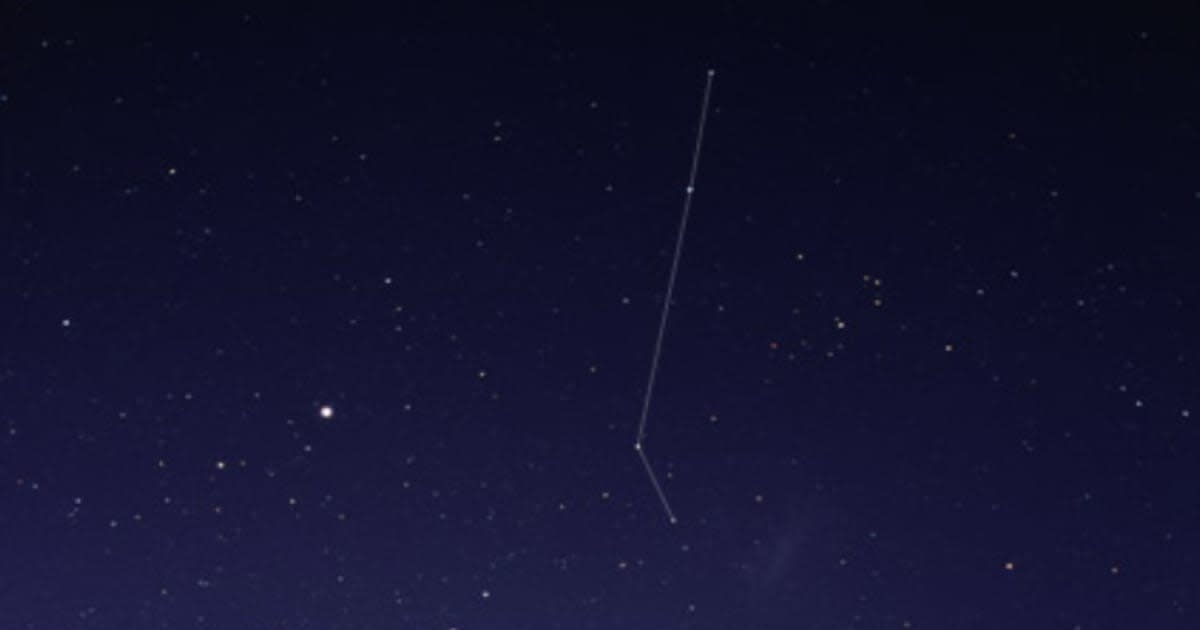
Caelum
Located between Lepus and Dorado, this constellation is the eighth smallest constellation in the sky, and is named in Latin after a chisel. It houses the quasar HE0450-2958, which is known to not have a host galaxy, as well as the Carafe Group, and galaxies IC 2106, NGC 1570, NGC 1679, and NGC 1701, also called the Trekkie Galaxy, per the outlet.
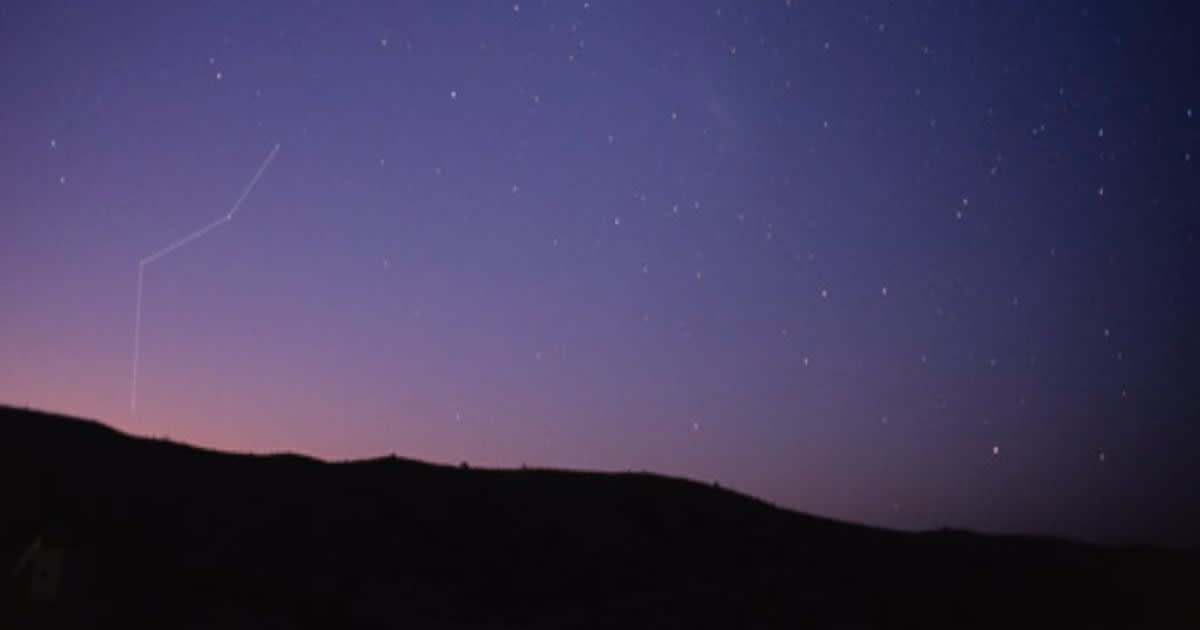
Reticulum
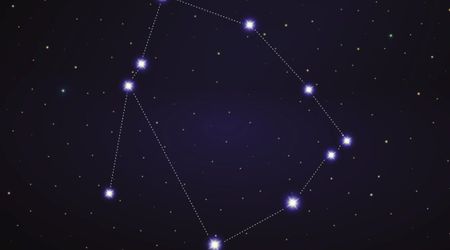
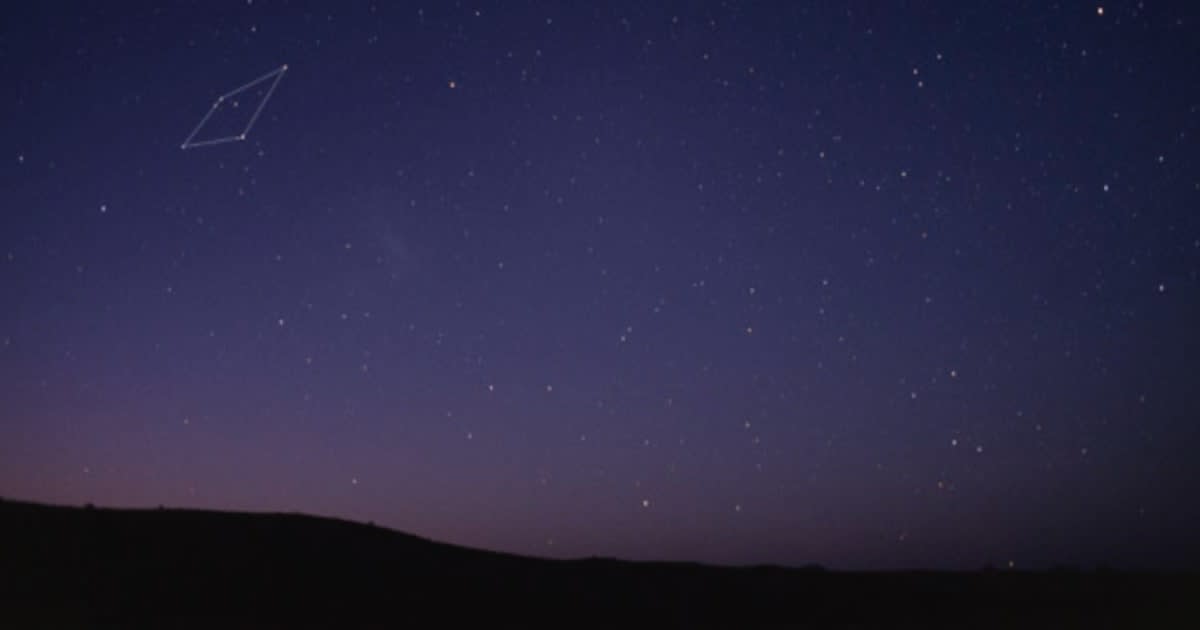
Even smaller than Caelum, Reticulum can be located to the west of Dorado. The most prominent stars of this constellation appear to be in the shape of a Rhombus, though it has more than 4 stars. The brightest one out of them is Alpha Reticuli. Deep sky objects in galaxies NGC 1559 and Topsy Turvy (NGC 1313) were found within Reticulum, per the outlet.
Pictor
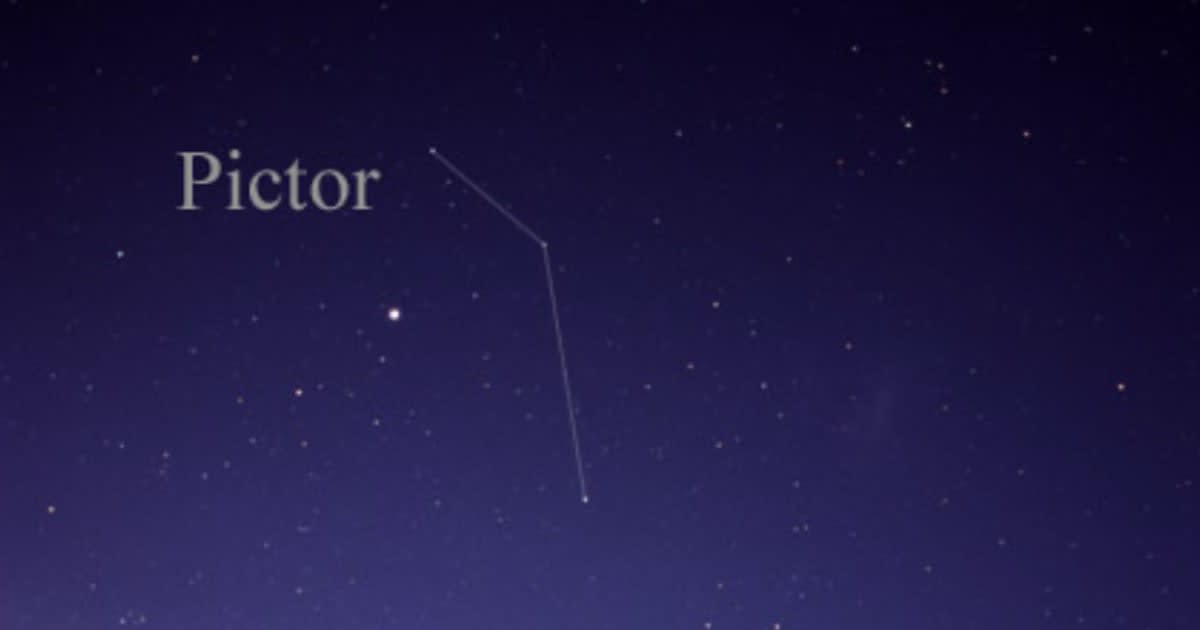
Neighbouring Caelum and Dorado, Pictor is named after the word for ‘painter’ in Latin and is often called the Painter’s Easel. Its brightest star is Alpha Pictoris. Pictor also has the Kepteyn’s Star, a relatively close red dwarf to the Earth at 12.76 light-years away. The latter is visible via telescopes, according to the outlet.
Mensa
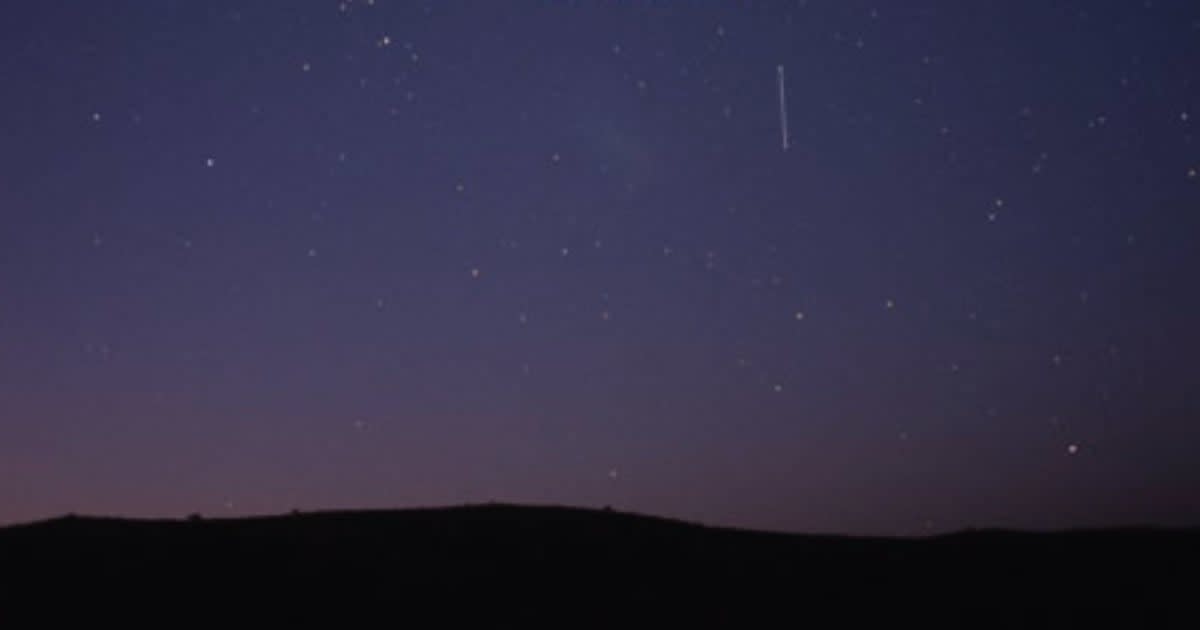
Observable exclusively from the southern hemisphere, with only partial sightings from northern latitudes very close, i.e. up to 4 degrees north of the equator. It contains two stars with names approved by the International Astronomical Union (IAU), which are Hoerikwaggo (Alpha Mensae A) and Bubup (HD 38283), per the outlet.
Though the sky is littered with constellations, January offers the best visibility for these eight, owing to their perfect alignment with the post-sunset hours of January. So, ahead of the end of the month, make sure to catalog these ones before it's too late, and optimal conditions for observing them vanish for a year.
More on Starlust
Winter stargazing made easy: Spot Perseus, Taurus and other constellations
Comet 3I/ATLAS is in the Virgo constellation—here's how you can locate it