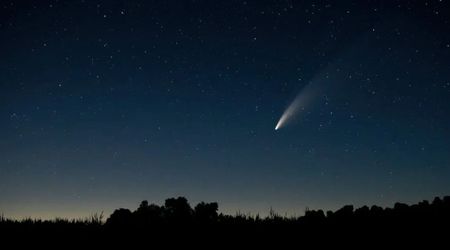
Comet C/2024 E1 (Wierzchos) to make closest approach to Earth soon—latest coordinates and viewing tips

With the new year approaching, the astronomical community prepares for comet C/2024 E1 (Wierzchos). However, during the first month of 2026, it will only be visible from the Southern Hemisphere. In fact, it will reach its perihelion on January 20, 2026, when it will be around 52.5 million miles away from the Sun, according to The Sky Live. With certain broadcasts predicting its brightness to be about magnitude 5 around that time, the comet could be spotted by binoculars under dark skies. However, if its brightness falls to magnitude 8, which some broadcasts predict, then observers would need telescopes or high-magnification binoculars to spot it, per Starwalk.
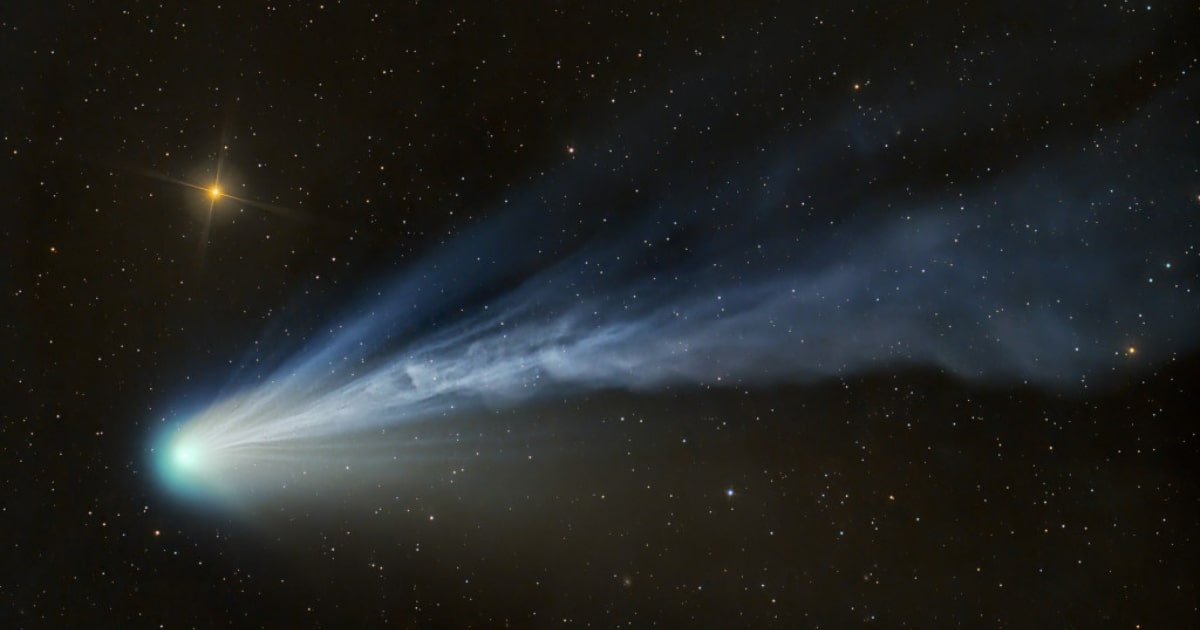
Comet C/2024 E1 (Wierzchos) is currently in the constellation of Sagittarius, at a distance of 164 million miles from Earth. JPL Horizons' data has estimated the comet to have a magnitude of 11.23. As for its coordinates, it is currently at right ascension 18h 45m 23s and declination -22° 27’ 51”. The comet will make its closest approach to Earth on February 17, 2026.
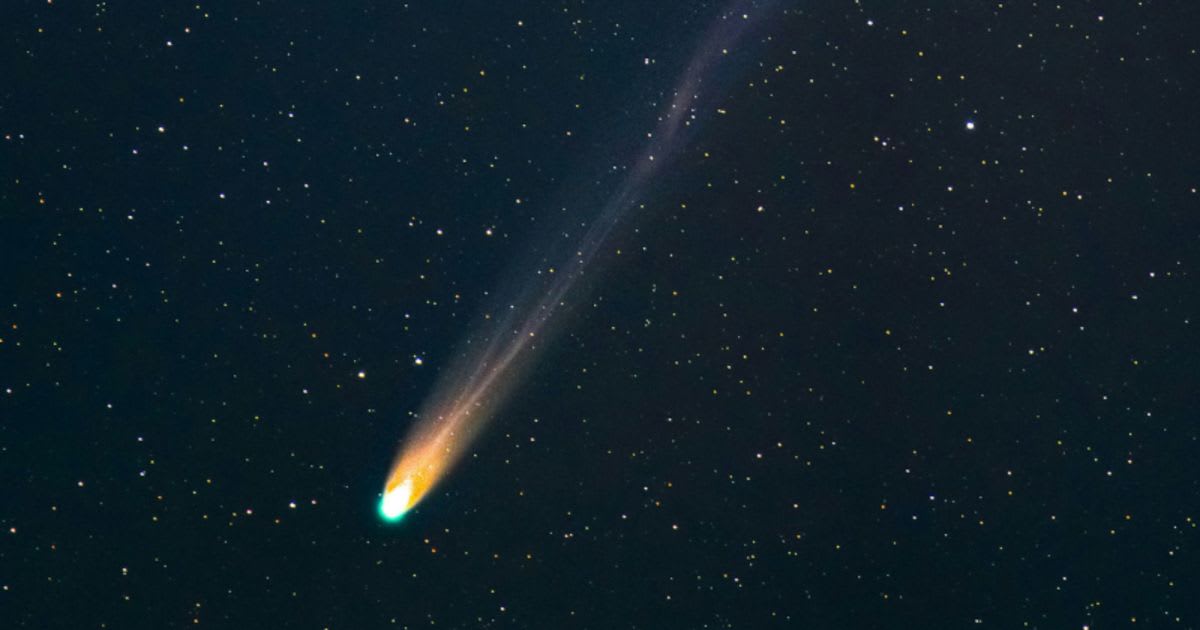
At its closest distance, or perigee, the comet will be passing at a distance of around 94 million miles. It is around this time that the comet will be visible from the Northern Hemisphere, where it will appear low on the southwestern horizon about an hour post sunset, according to Starwalk. It is expected to fade to around the 8th magnitude during its closest approach to Earth, but will still be a reasonable target for binoculars and small telescopes. Of course, the weather needs to be clear, and the observers will need to find a dark patch of sky. The comet will be in the constellation Sculptor around the time of its perigee, or closest approach, before journeying through Fornax, Cetus, and Eridanus, per In The Sky.
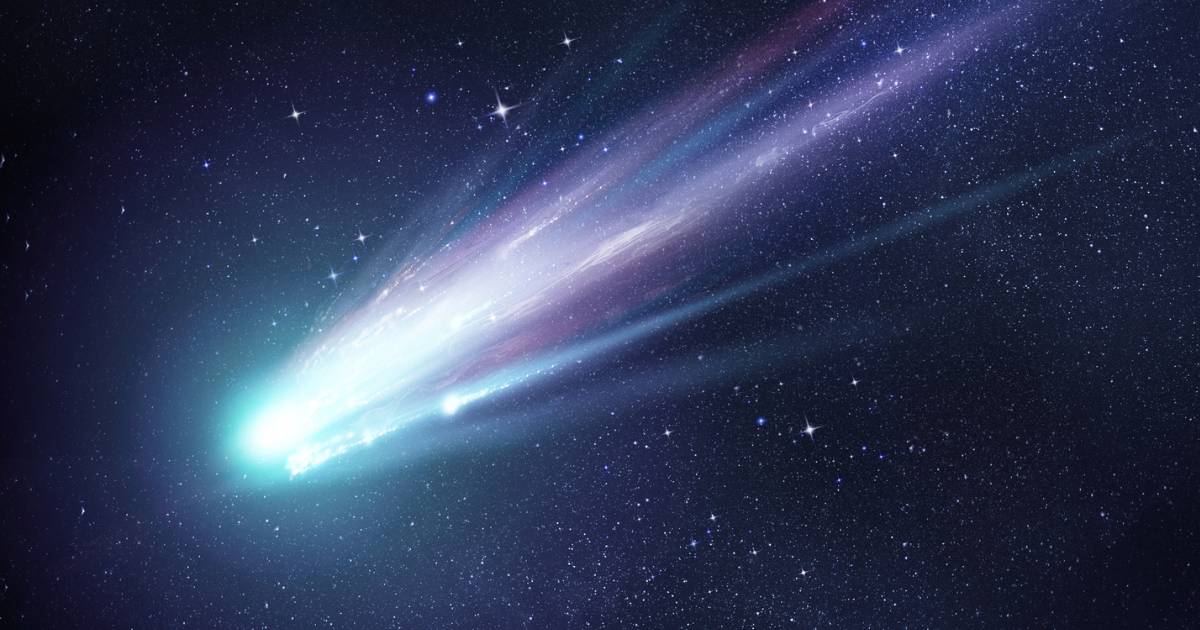
Polish astronomer Kacper Wierzchos discovered comet C/2024 E1 Wierzchos on March 3, 2024, from images captured by the Mount Lemmon Survey. C/2024 E1 will travel through the solar system only once before it will be out of reach in interstellar space, making it a hyperbolic comet. Despite its hyperbolic orbit, the comet could have its origins inside the solar system, from the Oort Cloud.

Besides comet C/2024 E1 Wierzchos, 24P/Schaumasse will also grace the skies around the new year. According to Starwalk, the comet will reach its peak brightness of magnitude 8 around January 8, 2026. Observers may be able to spot it during this time using telescopes or high-magnification binoculars, provided they are under dark skies.
More on Starlust
Interstellar comet 3I/ATLAS found to 'wobble' as it spews gas and dust
NASA's James Webb Space Telescope captures rare sight of comet smoke around a nearby star