Comet 3I/ATLAS's closest approach: NASA’s December 2025 skywatching tips
With the interstellar visitor headed for its closest approach to our home planet, NASA has advised people on how to best observe the comet 3I/ATLAS.
PUBLISHED 32 MINUTES AGO
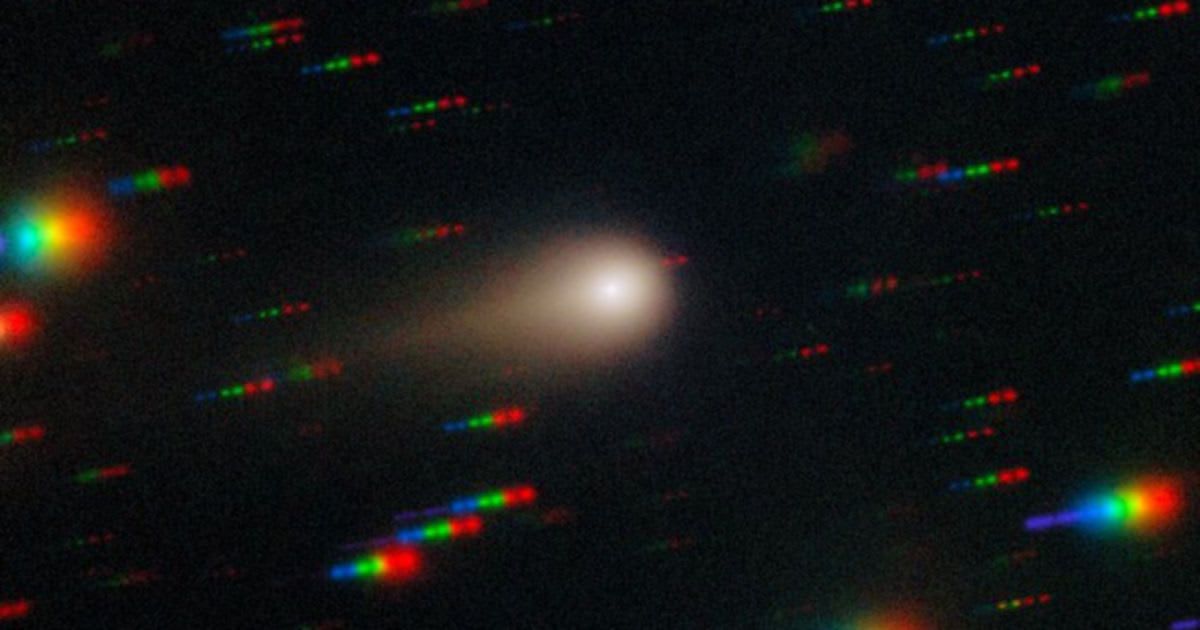
Comet 3I/ATLAS moves across a dense star field in the sky. (Cover Image Source: International Gemini Observatory/NOIRLab)

Interstellar comet 3I/ATLAS will be hot news this December as it will be making its closest approach to Earth. The best time to witness the interstellar object will be on December 19, 2025, at around 170 million miles away, according to NASA. The comet poses no threat to Earth and will be at more than 700 times the distance between the Earth and the Moon. With it being the third known object to come from outside the system, NASA continues to observe and study the comet. A variety of spacecraft and telescopes, both on the ground and in orbit, are focused on the object.
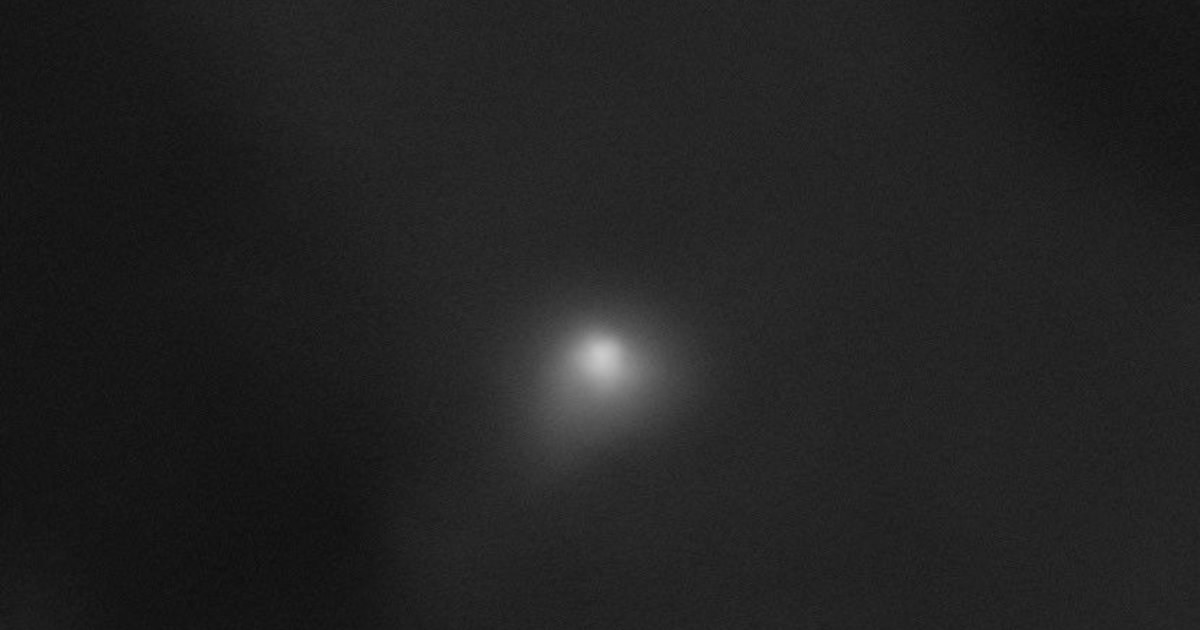
The High Resolution Imaging Science Experiment (HiRISE) camera aboard NASA’s Mars Reconnaissance Orbiter captured this image of interstellar comet 3I/ATLAS on Oct. 2, 2025. At the time it was imaged, the comet was about 0.2 astronomical units (19 million miles, or 30 million kilometers) from the spacecraft. (Image Credit: NASA/JPL-Caltech/University of Arizona)
The High Resolution Imaging Science Experiment (HiRISE) camera aboard NASA’s Mars Reconnaissance Orbiter captured this image of interstellar comet 3I/ATLAS. (Image Credit: NASA/JPL-Caltech/University of Arizona)

NASA said that despite the distance, skywatchers can catch the comet, looking east to northeast in the early pre-dawn morning. The comet will be just below Regulus, a star at the heart of the constellation Leo. To catch a glimpse before it makes its way out of the system, one must look through a telescope with an aperture of at least 30 centimeters. 
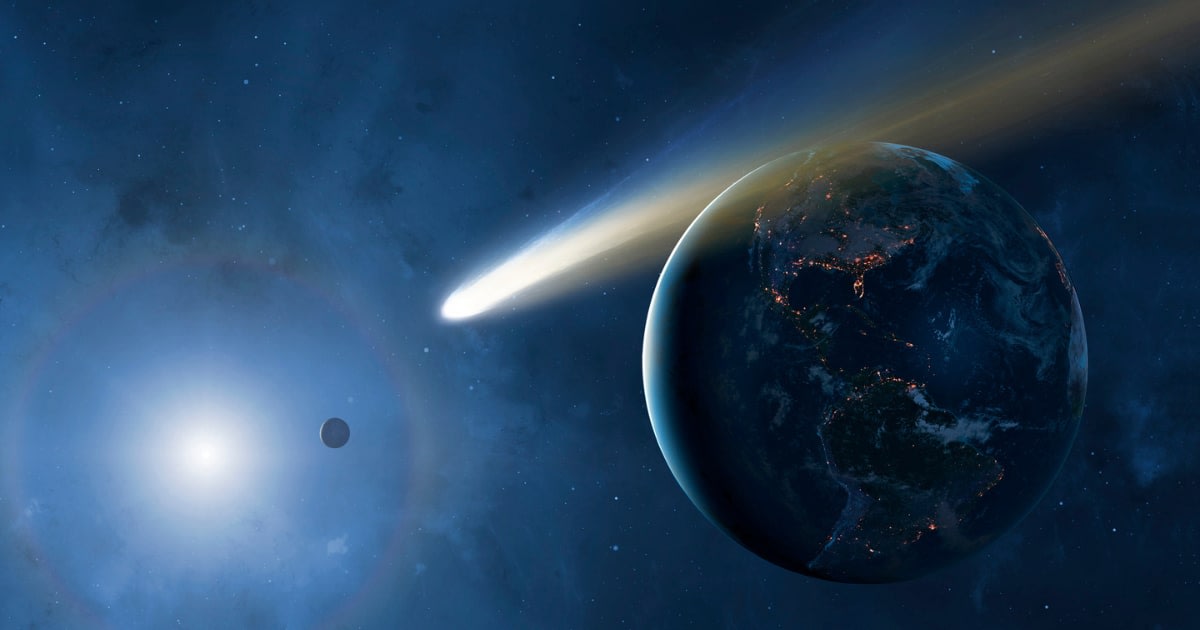
Illustration of the Earth, Moon, and Sun showing a passing comet (Representative Cover Image Source: Getty | MARK GARLICK/SCIENCE PHOTO LIBRARY)
Illustration of the Earth, Moon, and Sun showing a passing comet (Representative Image Source: Getty Images | Photo by MARK GARLICK / SCIENCE PHOTO LIBRARY)

Among the space agencies tracking the interstellar visitor is also the ESA, whose Planetary Defence Office used data from the ExoMars Trace Gas Orbiter to predict its trajectory and location with tenfold accuracy. ESA’s study was part of a broader mission to detect, track, and characterize near-Earth objects. The TGO data was combined with Earth-based telescope data to improve the predictions of the comet’s path.
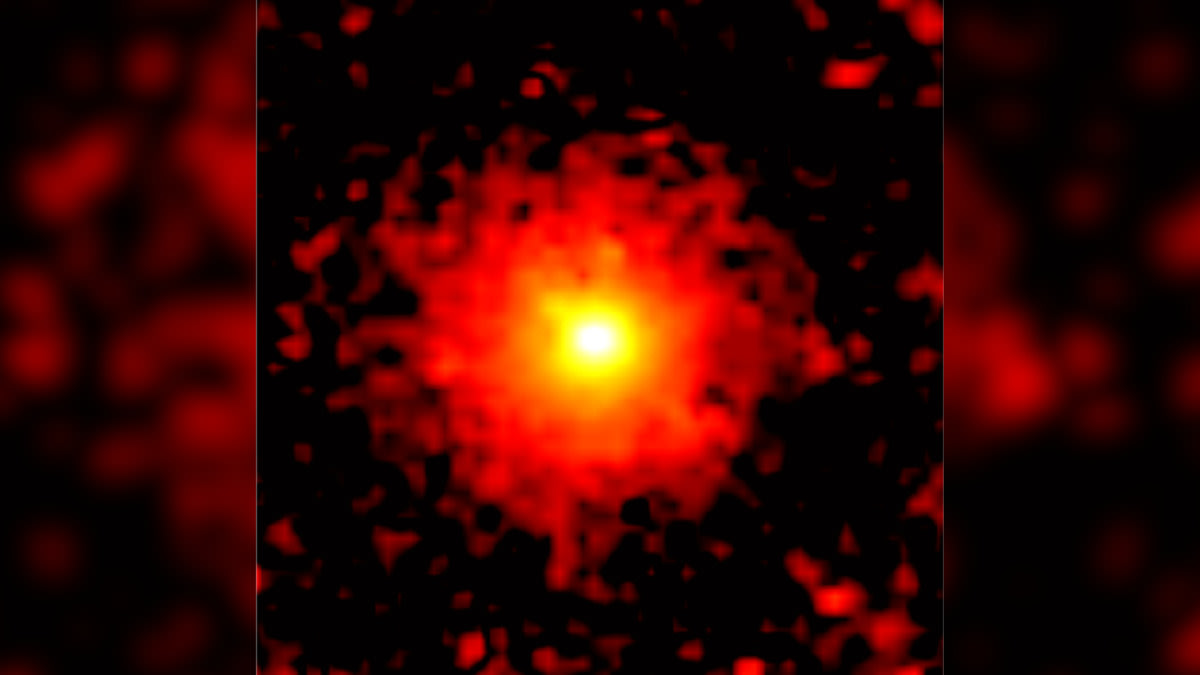
A view of comet 3I/ATLAS, as seen by NASA’s SPHEREx, which observed the interstellar object from 7–15 August 2025. (Image Source: NASA | Photo by NASA / SPHEREx)

ESA's Jupiter Icy Moons Explorer (Juice) also observed the comet following its closest approach to our Sun. The data from Juice, however, will take time to reach us and is not expected before February 2026, per the ESA.
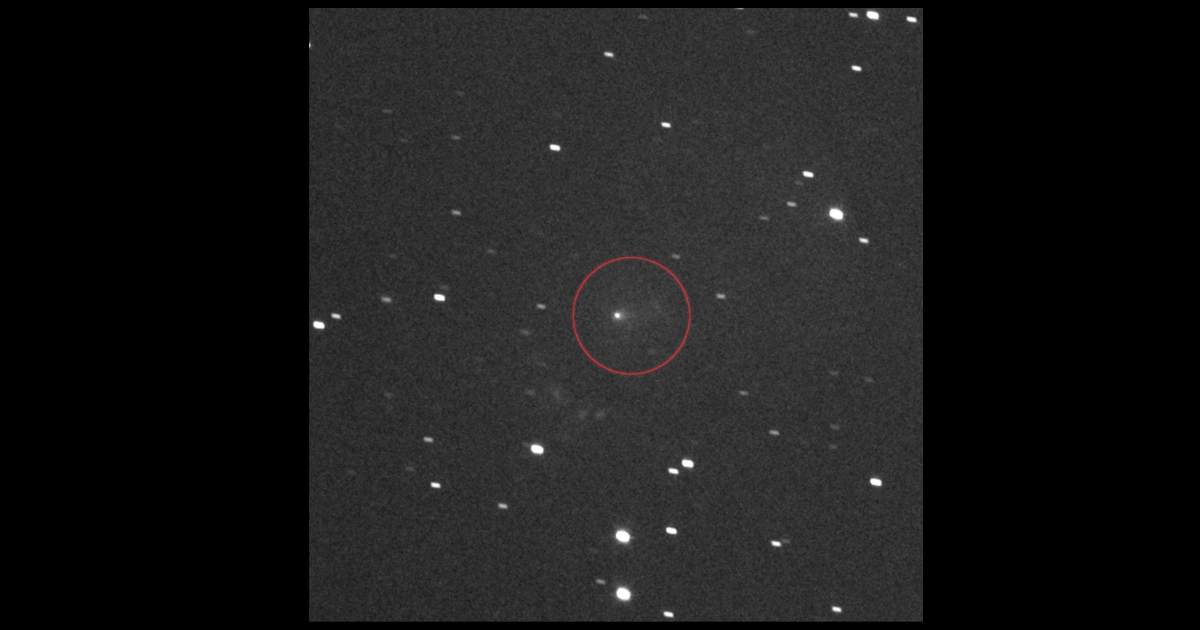
The interstellar comet 3I/ATLAS, circled in the center, as seen by the L’LORRI panchromatic, or black-and-white, imager on NASA’s Lucy spacecraft. (Image Credit:NASA/Goddard/SwRI/JHU-APL)
The interstellar comet 3I/ATLAS, circled in the center, as seen by the L’LORRI panchromatic, or black-and-white, imager on NASA’s Lucy spacecraft. (Image Credit: NASA/Goddard/SwRI/JHU-APL)

Meanwhile, NASA, which could not release its data on 3I/ATLAS during the 43-day government lockdown, held a much-awaited briefing on November 19 to release exclusive images of the comet. The images were taken by a number of the agency's missions and telescopes, including the James Webb Space Telescope, the Perseverance Mars rover, the Mars Reconnaissance Orbiter, along with the Lucy and Psyche asteroid probes. "It's a rare opportunity to compare ancient dust from a distant solar system to that from our own," said the acting director of NASA's Astrophysics Division, Shawn Domagal-Goldman.
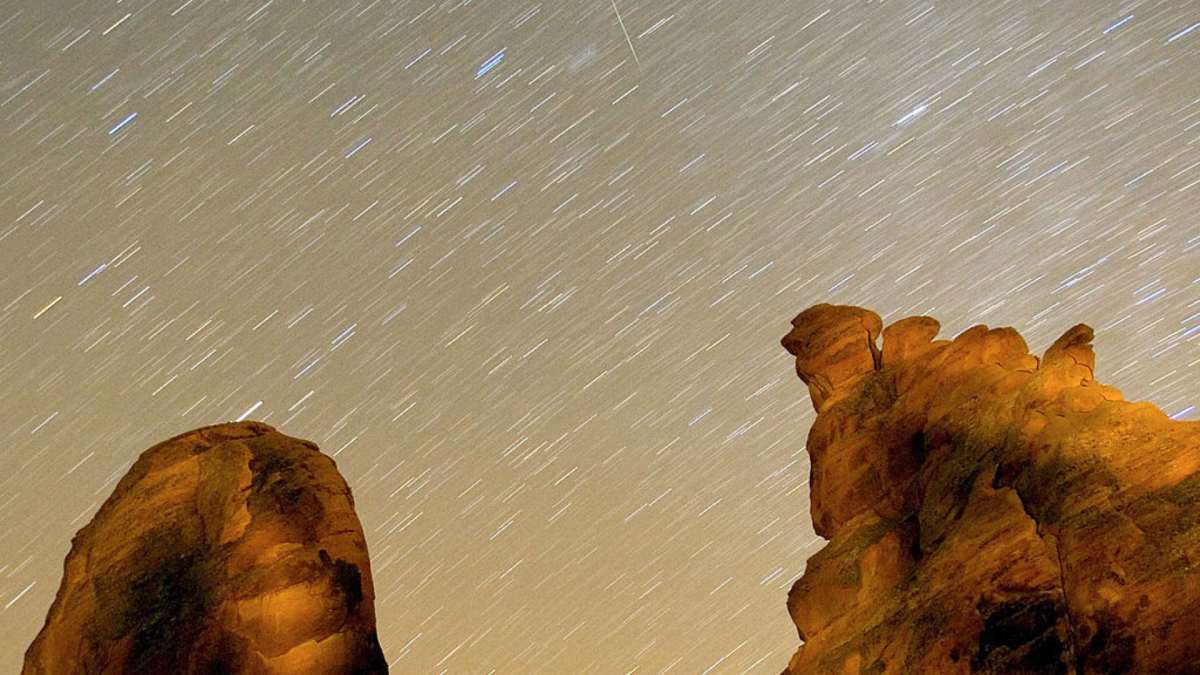
A Geminid meteor streaks diagonally across the sky against a field of star trails during the peaks of the Seven Sisters rock formation (Representative Image Source: Getty Images | Photo by Ethan Miller)

The last month of the year has more to offer than the close approach of the comet 3I/ATLAS. The Moon and Jupiter will meet for a conjunction on December 7. All you need to do is look up towards the eastern sky on the day, and you'll find the gas giant either above or to the right of our natural satellite. Then there is the Geminid meteor shower that will peak on the 13th and 14th of the month. One of the best and most reliable annual meteor showers, it is composed of debris from the asteroid 3200 Phaethon. If you are lucky enough to set up camp underneath a particularly dark patch of sky, you might just catch up to 120 Geminid meteors an hour!

More on Starlust

Interstellar comet 3I/ATLAS to make its closest approach to Earth soon—where is it now?

Watch interstellar comet 3I/ATLAS live this week as it nears closest approach to Earth

MORE STORIES

The last month of the year brings various lunar events, and here are a few magnificent sights to witness post the Cold Moon.
1 hour ago
This December's Cold Moon is also a Supermoon and will turn full on the 4th of the month.
4 hours ago
A fantastic month for stargazing awaits us, as December will bring major lunar events, sparkling meteor showers, and visible planets in the sky.
4 days ago
Several eyewitnesses reported the sighting before NASA looked into it.
4 days ago
C/2025 A6 made its closest approach to Earth on October 21, 2025.
5 days ago
The Earth’s natural satellite is no less a visual spectacle than any other celestial object, and here are a few features to look out for.
6 days ago
The Supermoon title is applied precisely when the full phase of the Moon coincides with perigee, its closest point to Earth in its orbit.
7 days ago
Considered to be the most reliable annual event in the sky, it will return with its peak during mid-December.
7 days ago
The object is expected to make its closest approach on December 19, 2025, passing by at a distance of approximately 167 million miles.
Nov 24, 2025
Using a telescope may not be the wisest choice during the event.
Nov 24, 2025