Comet 29P/Schwassmann-Wachmann brightens 100-fold after eruption, releases fossil-like debris
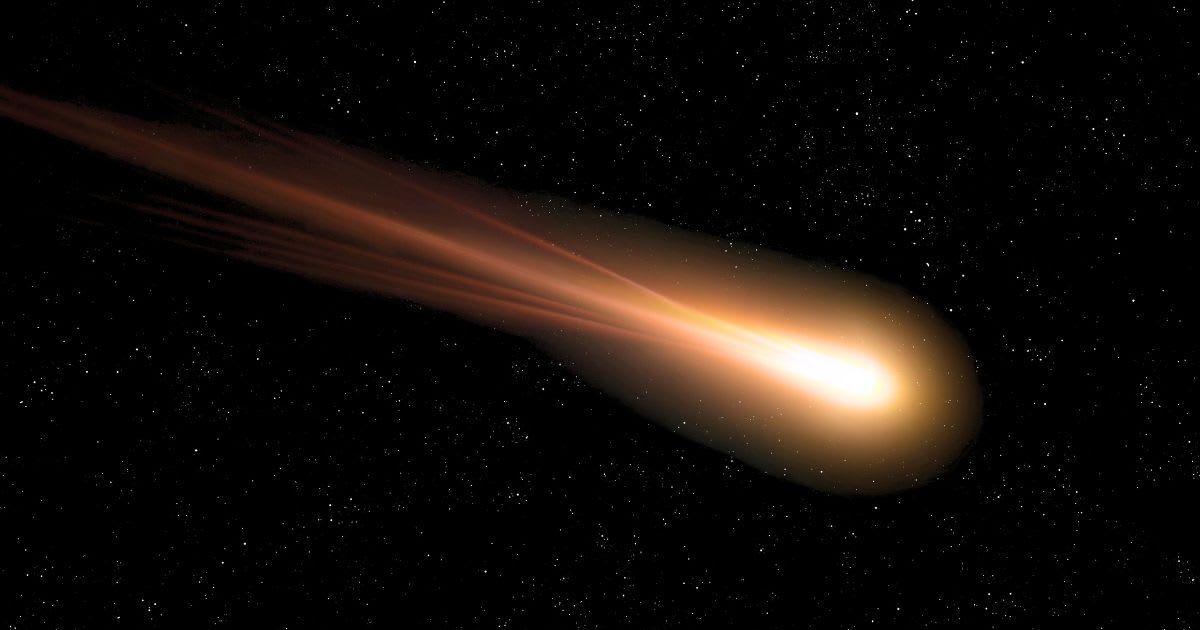
An unexpected explosion has made quite an impact in the realm of space. Comet 29P/Schwassmann-Wachmann, a cryovolcanic celestial body, experienced its largest eruption since 2022 on February 10, 2026, per Spaceweather.com. This grand explosion has abruptly brightened the comet’s nucleus 100-fold, producing debris that reminded amateur astronomer Eliot Herman, who has been keeping tabs on the outburst, of an ammonoid fossil. "The debris from this usually bright outburst appears dense, and it will be interesting to monitor its development as it expands in the days ahead," he said.
![Image showing an artist's concept of comet 29P/Schwassmann-Wachmann’s outgassing activity, as visible from the sides. [Image Source: Artwork: NASA, ESA, CSA, Leah Hustak (STScI)]](https://de40cj7fpezr7.cloudfront.net/fd4eb47d-fa9d-465e-8665-8937417c024d.png)
Inspired by this, amateur astronomer Anthony Kroes also captured photographs of this growing spiral on February 14. "I tried imaging Comet 29P to see if I could capture the same spiral structure," said Kroes. "Sure enough, there it was! The snail-shell appearance was detectable in a single 3-minute exposure." Due to this eruption, Comet 29P has drastically increased its visibility by several magnitudes, jumping from 13.5 to 11.5 apparent magnitude, reported Sky & Telescope. After the eruption, in a matter of hours, the comet’s appearance morphed from an obscure object imperceptible to the eye to a tiny, condensed ball of air in the shape of a snail-like shell, now visible through 8- to 10-inch telescopes.
Despite being at an average distance of 6 astronomical units from the Sun (farther than Jupiter), comet 29P erupts dozens of times in a year. While many of these explosions can result in a major increase in brightness, those like the latest one can brighten the comet by 5 magnitudes or more. Dr. Richard Miles of the British Astronomical Association has frequently asserted the exceptionality of comet 29P. In his seminal paper, he has described the presence of ‘ice’ volcanoes on 29P’s surface that cause its eruptions. The ‘magma’ released from these eruptions consists of cold liquid hydrocarbons dissolved in CO₂. If this model is accurate, we can imagine 29P as a vessel or a pan, sealed, with accumulated steam, teeming with pressure to burst.
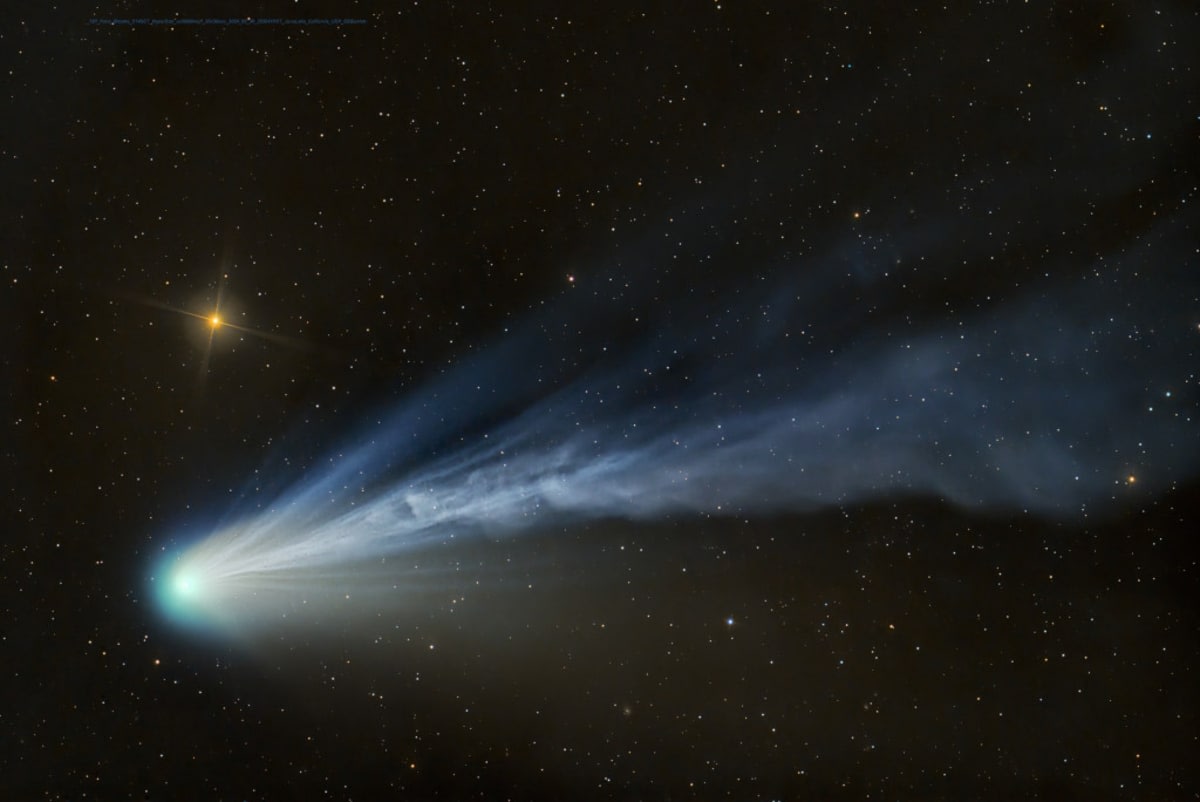
Comets are like repositories carrying history and time with them, releasing bits and pieces of it with each eruption. They carry with them insights into the regions of the cosmos they originate from. Amateur and professional astronomers work together to capture these moments, enabling observations from across the globe. These efforts deeply underscore a collective curiosity that itches to uncover the mysteries of the universe.
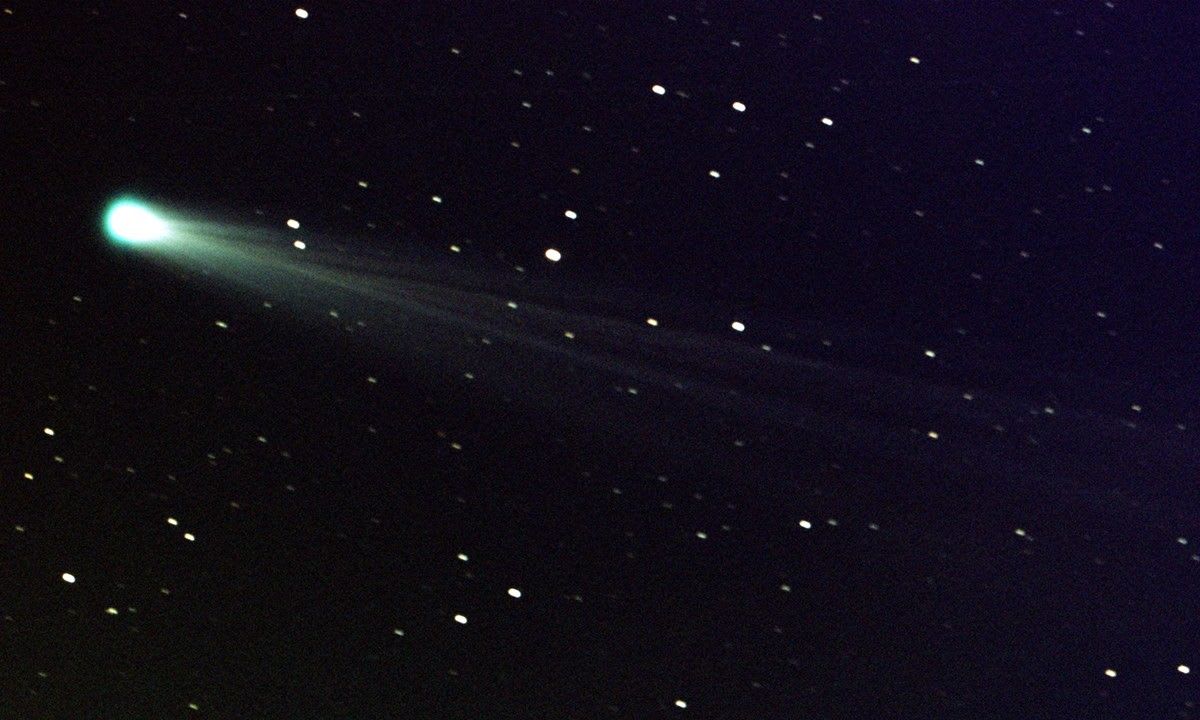
29P’s eruptions are not finished yet. More outbursts, a type of cryovolcanic aftershock, follow major outbursts like this. Another explosion was already detected on February 15, 2026. "This one was smaller, only +1 magnitude vs. +5 magnitudes on February 10," noted Herman. "Nevertheless, we can already see a bright new shell of debris forming around the comet's core." The comet is currently in the constellation of Leo and is shining with a magnitude of 12.2, per The Sky Live.
More on Starlust
Newly discovered comet C/2026 A1 (MAPS) raises the question: Could it be visible in daylight?
NASA’s SPHEREx images 3I/ATLAS again, detects organic molecules in the interstellar comet