Artemis II: NASA confirms brief communications blackout after launch
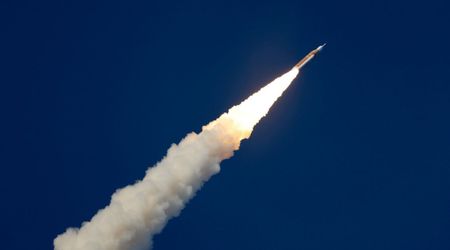
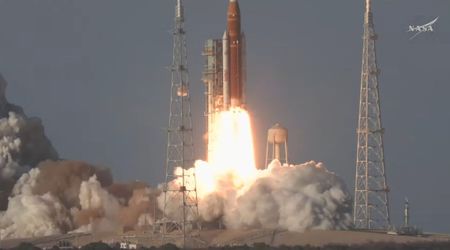
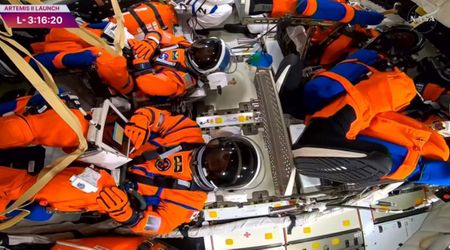
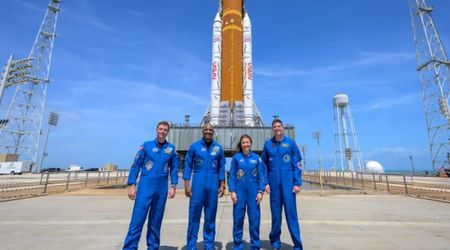
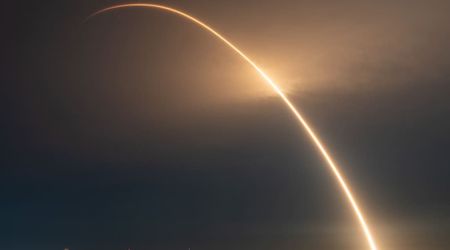
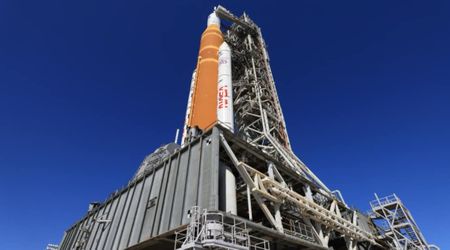
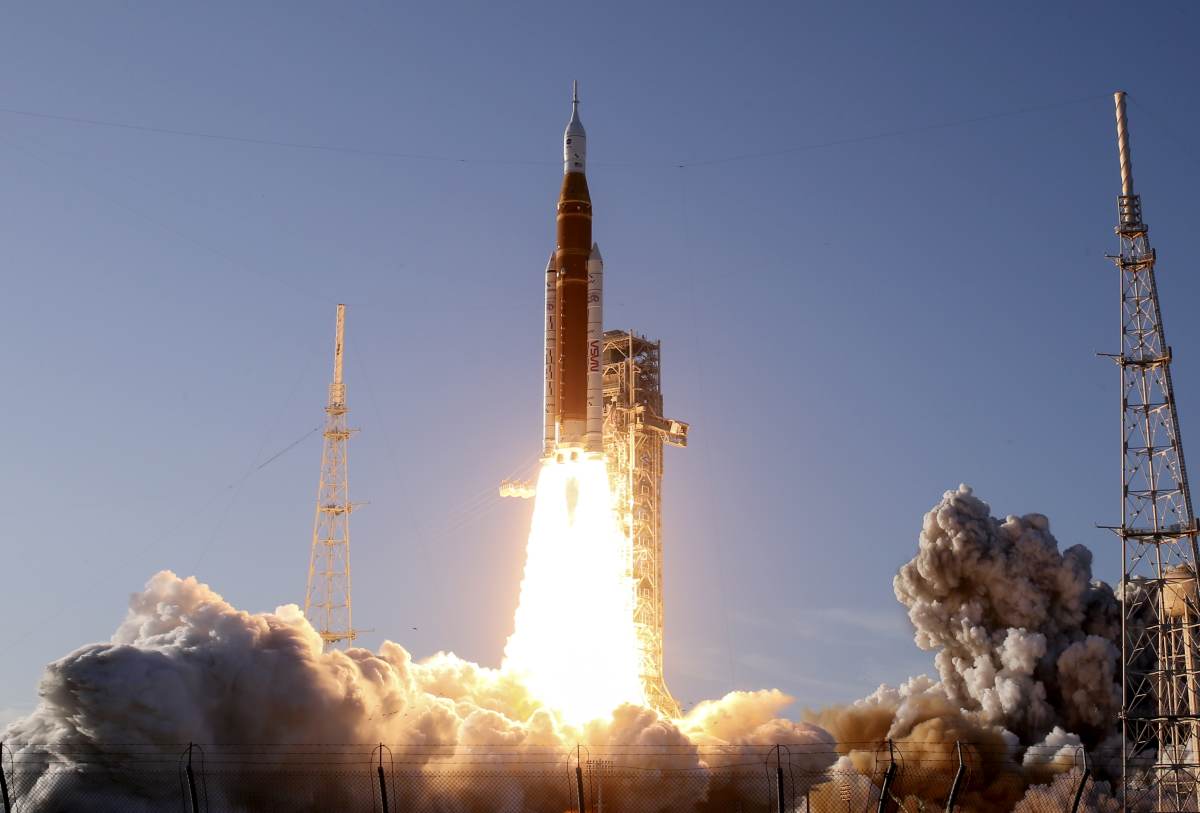
The Artemis II SLS rocket, carrying the Orion spacecraft and a crew of four, successfully lifted off from NASA’s Kennedy Space Center at 6:35 p.m. EDT on Wednesday, April 1. While the launch itself went smoothly, there was a temporary loss in communications, but it was quickly resolved. Speaking at a post-launch press briefing, NASA Administrator Jared Isaacman confirmed this comms dropout, which happened about 51 minutes after launch, but said the issue had no impact on the crew, comprising Reid Wiseman, Victor Glover, Christina Koch, and Jeremy Hansen, or the mission.
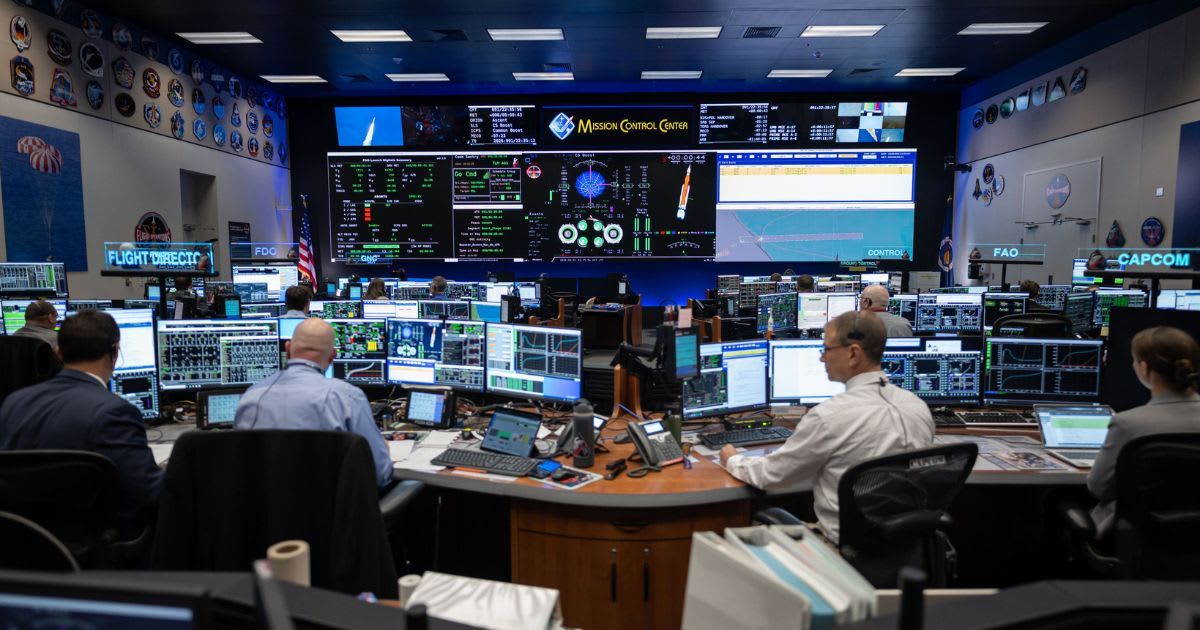
According to NASA, the brief outage happened during a planned handover between communication satellites. During this time, the crew could still hear mission control, but ground teams were unable to hear back from the four astronauts. “The uplink from Capcom to the crew was being heard by the crew, but we could not hear the responses,” explained Isaacman. This partial and temporary loss lasted only a few minutes before communications were restored.
Signal acquired! 📡
— NASA Artemis (@NASAArtemis) April 2, 2026
Engineers at @NASAJPL have confirmed that the Orion spacecraft is communicating with the Deep Space Network. For the first time in over 50 years, we’re receiving a signal from a spacecraft carrying humans toward the Moon. pic.twitter.com/PoqyF7s7W8
NASA’s Associate Administrator Amit Kshatriya attributed the issue to a “squirrely ground configuration,” and stated that it was just unusual for comms to be dropped out for a couple of minutes. The issue did not affect the mission from completing all of its major initial milestones, like separating boosters, deploying solar array wings, and performing PRM (perigee raise maneuver) to raise their orbit’s height. “This is a flight test. We anticipate to have a lot of these (issues). That’s what we’re here for — to work through them," said Lori Glaze, the acting associate administrator.
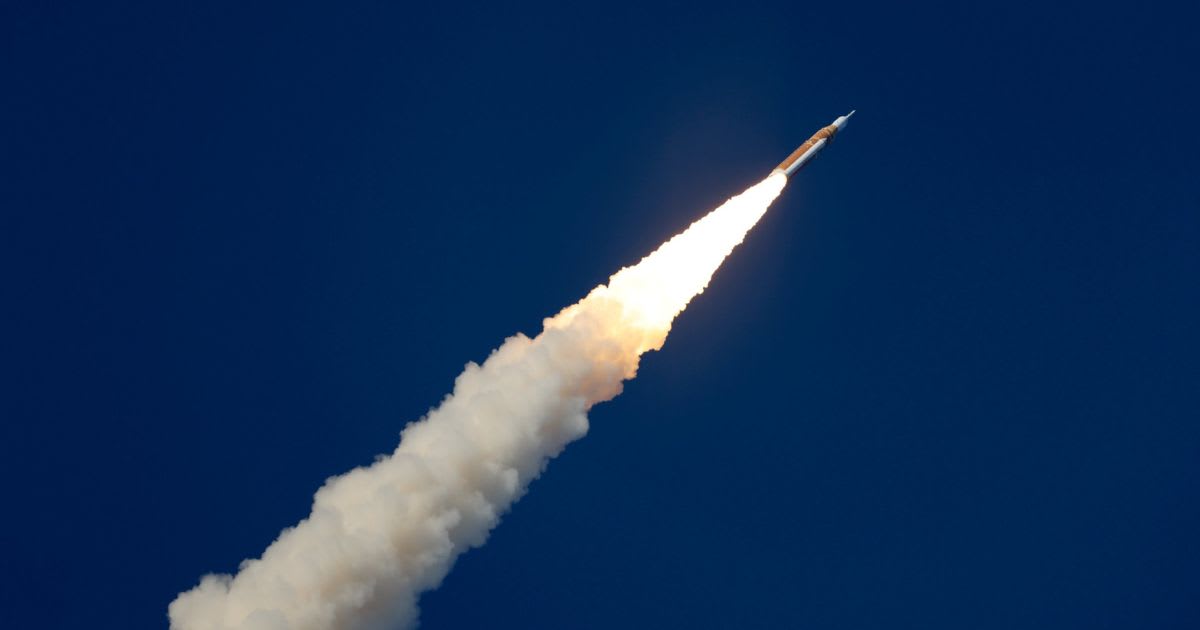
While engineers will continue to analyze the exact cause of this drop in communications, Artemis II is likely to face more of this. For example, the crew will temporarily lose contact with NASA’s ground control on day six of this 10-day lunar trip, when Orion flies behind the Moon. This is fairly normal and inevitable since the Moon will block radio signals. The crew will orbit around the Earth for a day before meeting the required criteria to launch into TLI (trans-lunar injection).
More on Starlust
'We are going for all humanity': NASA's Artemis II successfully launches from Kennedy Space Center
What makes NASA's Artemis II so special after 1972's Apollo 17