 1:16
1:16
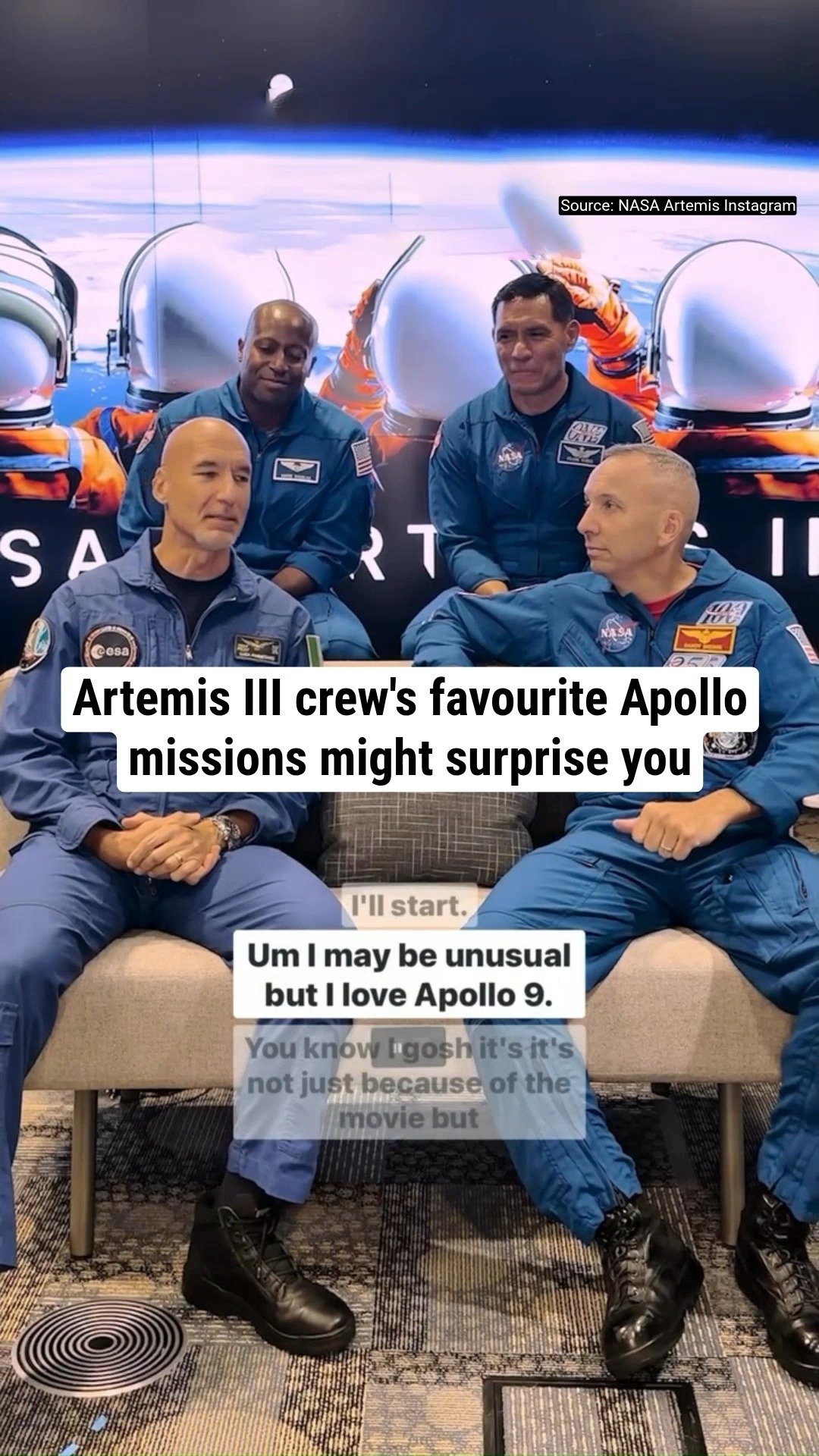
Artemis III crew's favourite Apollo missions might surprise you
Artemis III crew members have revealed their favourite Apollo missions—and some of their choices may not be the ones most people would expect. The answers provide a fascinating look at how today's astronauts view the achievements, risks and milestones that shaped human exploration beyond Earth orbit. More than 50 years after Apollo, its influence can still be seen in the astronauts preparing for humanity's next journey beyond Earth. Source: NASA Artemis Instagram
More Videos
 0:28
0:28
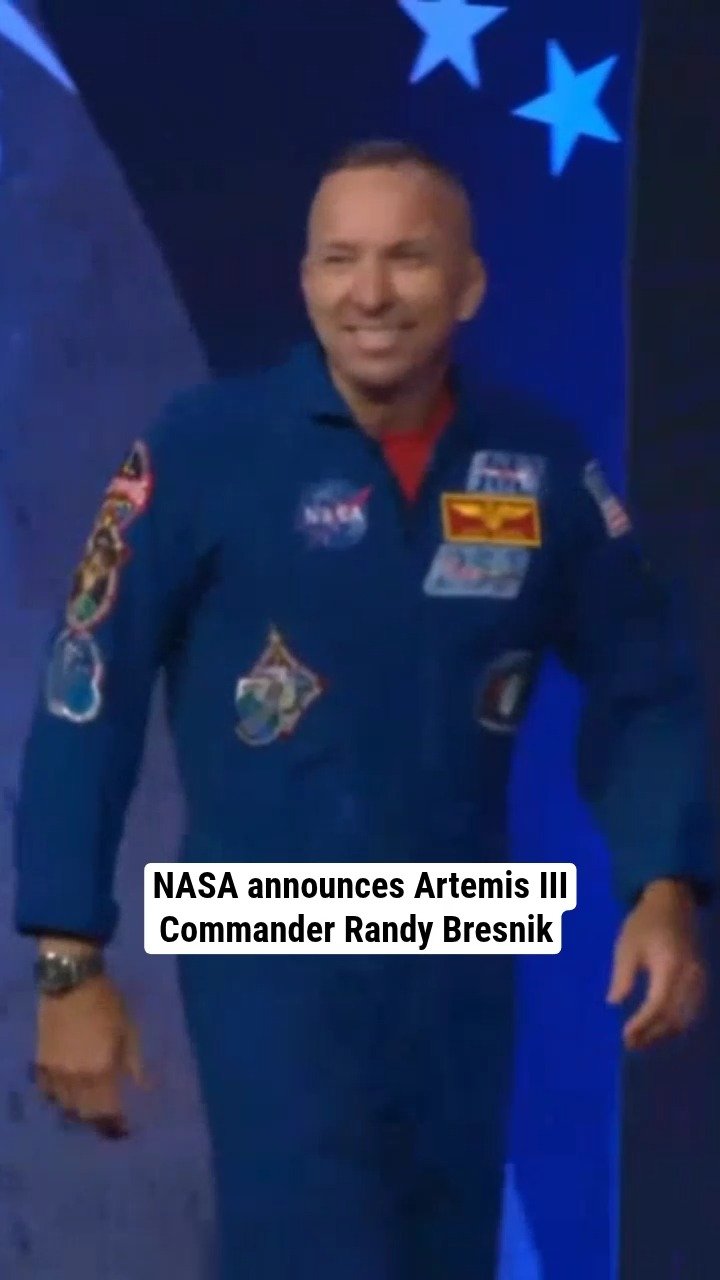
NASA announces Artemis III Commander Randy Bresnik
The Artemis III crew has officially been announced! Leading humanity's next journey toward the Moon is Randy "Komrade" Bresnik, a veteran astronaut, former U.S. Marine Corps Colonel, test pilot, ISS commander, and spacewalker with over 32 hours of EVA experience. From flying combat missions and graduating from TOPGUN to commanding the International Space Station and helping develop NASA's deep-space exploration systems, Bresnik brings decades of experience to one of the most anticipated missions of the Artemis era. Joining him on Artemis III are: - Luca Parmitano (Pilot) - Andre Douglas (Mission Specialist) - Frank Rubio (Mission Specialist) Backup crew member: Robert Hines The next chapter of lunar exploration begins now.
 1:46
1:46
Steven Spielberg explains why he changed his mind about UFOs
Nearly 50 years after Close Encounters of the Third Kind, Steven Spielberg is still asking one of humanity’s biggest questions: Are we alone in the universe? Speaking with AP film writer Jake Coyle while promoting his new film Disclosure Day, Spielberg explains how his views on UFOs and UAPs have changed over the years. Once skeptical, he says the growing amount of evidence and testimony has made him more open-minded about the possibility of something unexplained in our skies. Video credit: Associated Press.
 1:05
1:05
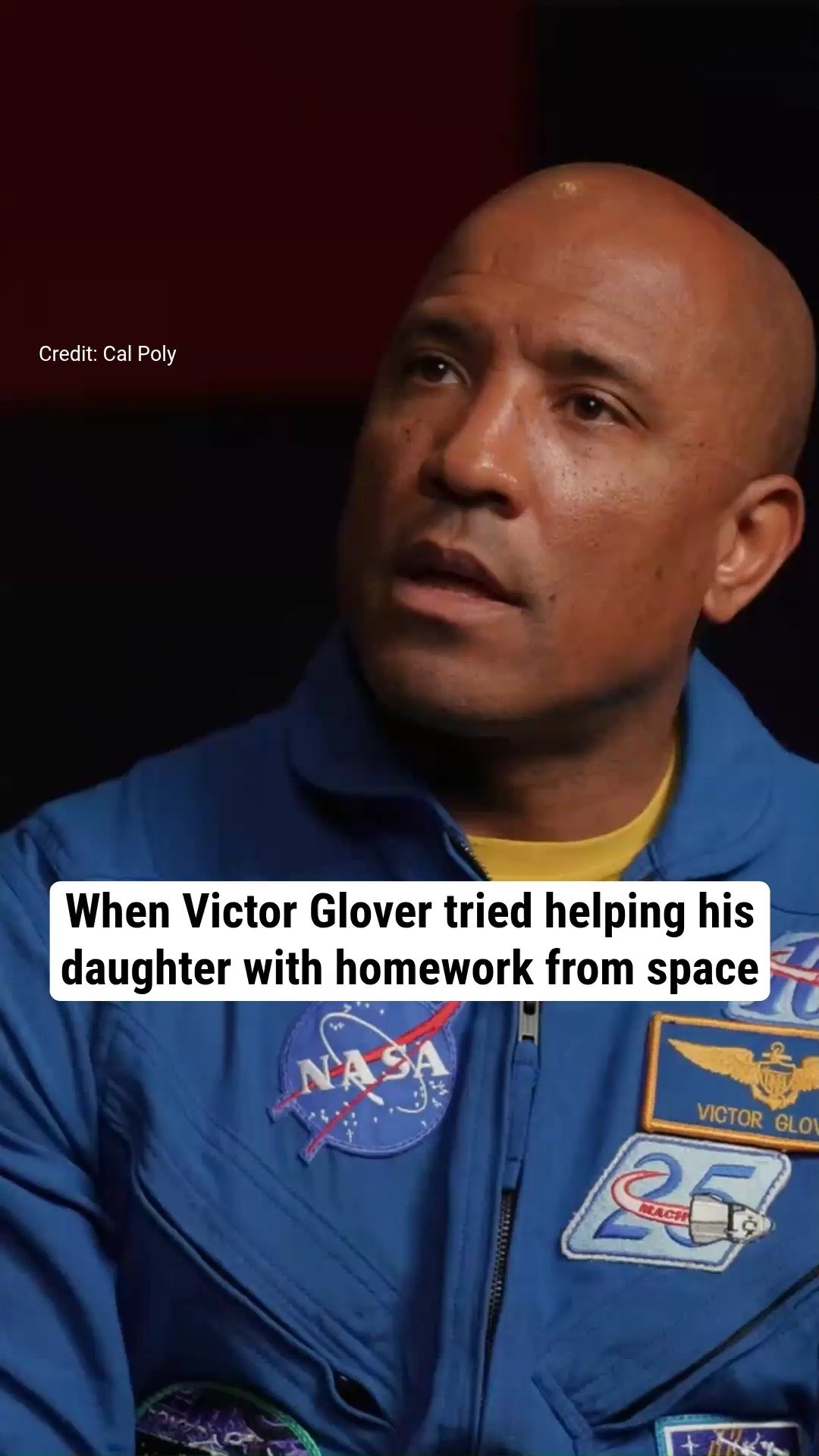
When Victor Glover tried helping his daughter with homework from space
A real-life "Interstellar" dad-and-daughter moment. In this heartfelt exchange from an October 2025 Q&A hosted by Cal Poly, Artemis II pilot Victor Glover recalls one of the things he missed most while in space: helping his kids with homework and being present for family milestones. Speaking with his daughter, Genesis Glover, he shares the story of trying to help with a homework assignment from orbit after having a photo of it emailed to him from Earth. The clip comes from a conversation in which Cal Poly students and faculty asked Glover their most pressing questions about space, exploration, and life as an astronaut. Interview footage owned by Cal Poly.
 2:05
2:05
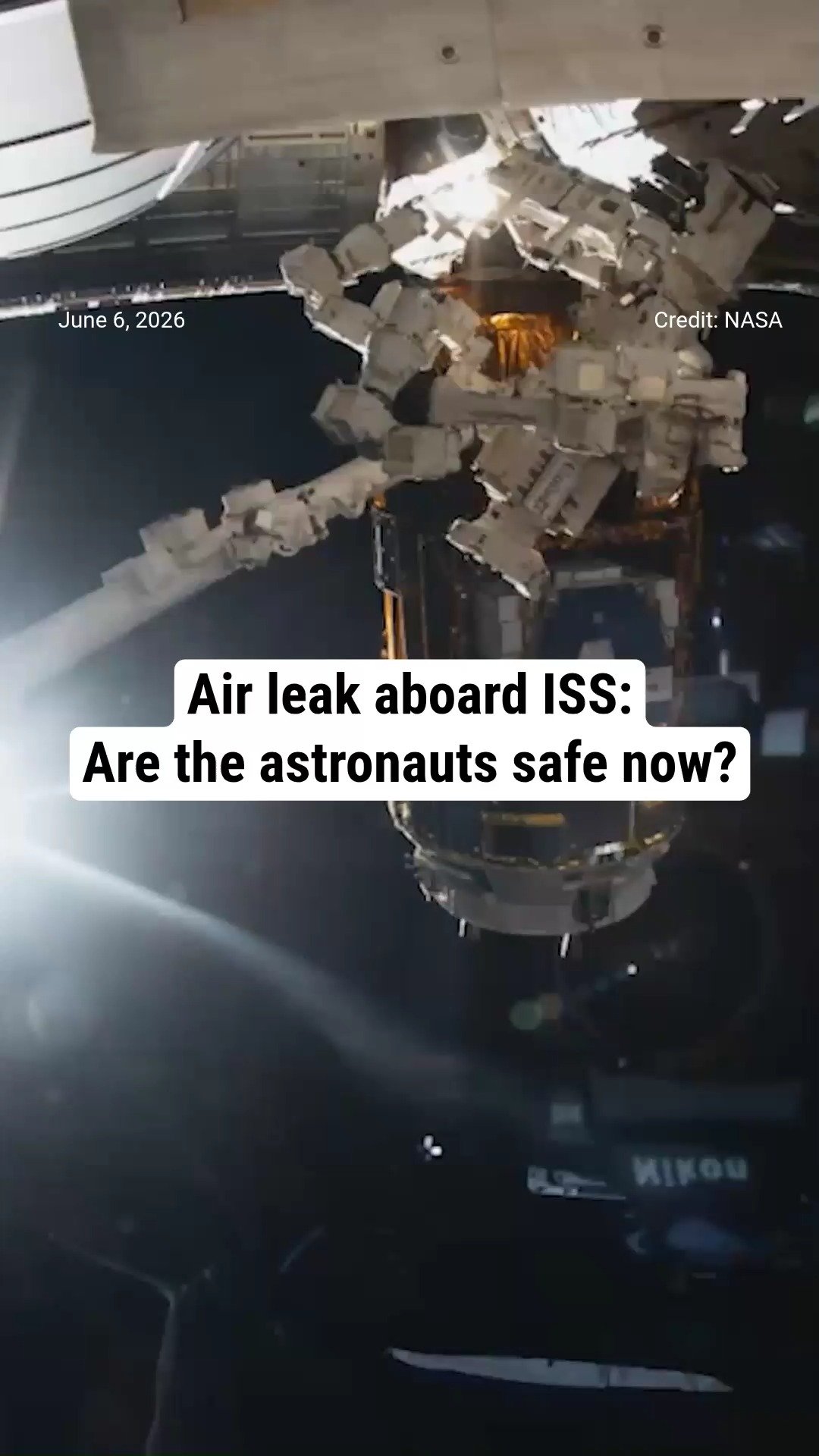
Air leak aboard ISS: Are the astronauts safe now?
A worsening air leak aboard the International Space Station (ISS) briefly put part of the ISS crew on evacuation standby as NASA and partners worked to assess the situation. Five astronauts sheltered inside a docked SpaceX Crew Dragon spacecraft while engineers investigated the leak in the Russian segment of the space station. Fortunately, there was no immediate threat to the crew, and normal operations soon resumed. The incident is the latest development in a years-long effort to monitor and repair leaks aboard the aging International Space Station. Video edited using file footage owned by NASA.
 2:16
2:16
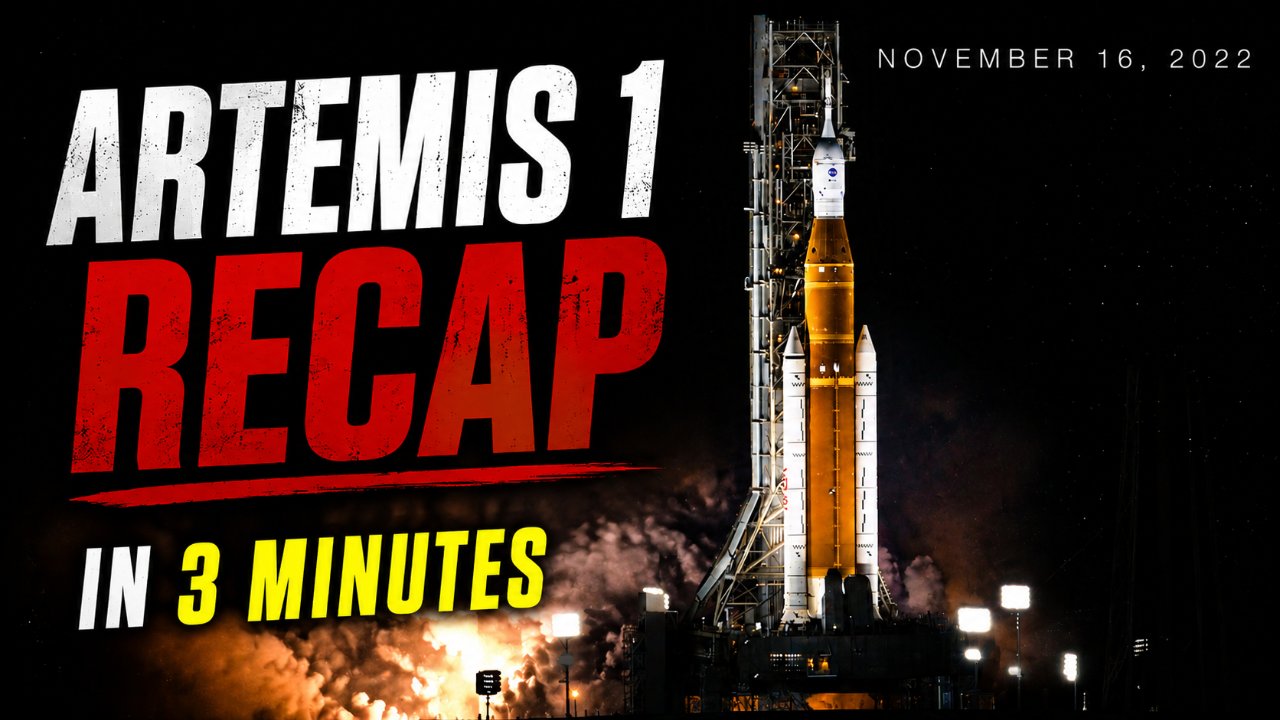
Artemis I recap: NASA’s return to the Moon after 50 years
On November 16, 2022, NASA's Space Launch System rocket — the most powerful rocket ever built — lifted off from Launch Complex 39B at Kennedy Space Center, carrying the Orion spacecraft on humanity's first deep space mission since Apollo 17, exactly 50 years earlier. This was Artemis 1 — an uncrewed test flight designed to answer one critical question before putting humans on board: does everything work? The primary goals were to demonstrate Orion's systems in a deep space environment and ensure a safe re-entry, descent, splashdown, and recovery — ahead of the first crewed flight on Artemis 2. Three instrumented mannequins — Moonikin Campos, Helga, and Zohar — occupied the seats, measuring radiation and acceleration data that would keep future astronauts safe. Over 25.5 days, Orion performed two lunar flybys, coming within 80 miles of the lunar surface. On flight day 13, Orion reached its maximum distance of 268,563 miles from Earth — farther than any spacecraft built for humans had ever flown — 30,000 miles beyond Apollo 13's record from 1970. Returning to Earth on December 11, 2022 — the 50th anniversary of Apollo 17's lunar landing — Orion stayed in space longer than any spacecraft built for astronauts ever has without docking to a space station. It successfully completed a parachute-assisted splashdown in the Pacific Ocean and was recovered by USS Portland off the coast of San Diego. Artemis 1 set new records of performance, exceeded efficiency expectations, and established new safety baselines for humans in deep space. Every system worked. The seats were empty this time. Not next time. Mission Stats: 🚀 Launch: November 16, 2022 — 1:47 AM EST 🌕 Closest lunar approach: 80 miles above the surface 📏 Maximum distance from Earth: 268,563 miles ⏱️ Mission duration: 25.5 days 🌊 Splashdown: December 11, 2022 — Pacific Ocean 📦 Recovered by: USS Portland What came next: Artemis 2 — April 2026 — four humans orbit the Moon Credits: Image Courtesy: Apollo 17 Mission image — Lunar Module, Flag, CDR, LRV — NASA/JSC Video Courtesy: NASA's Artemis I Moon Mission: Launch to Splashdown Highlights — https://youtu.be/jrDv0OdMt5s?si=rMjtO3bvGkmkz428 Artemis I Launches to the Moon (Official NASA Recap) — https://youtu.be/mYTvg2abusc?si=pv-Ht3LdDoM5RpF_ To the Moon and Back: The Journey of Artemis I — https://youtu.be/8dHwQq0GrAA?si=UT_tAf-f9s-V8Q3b All NASA footage and imagery is public domain and used in accordance with NASA media usage guidelines.
 1:38
1:38
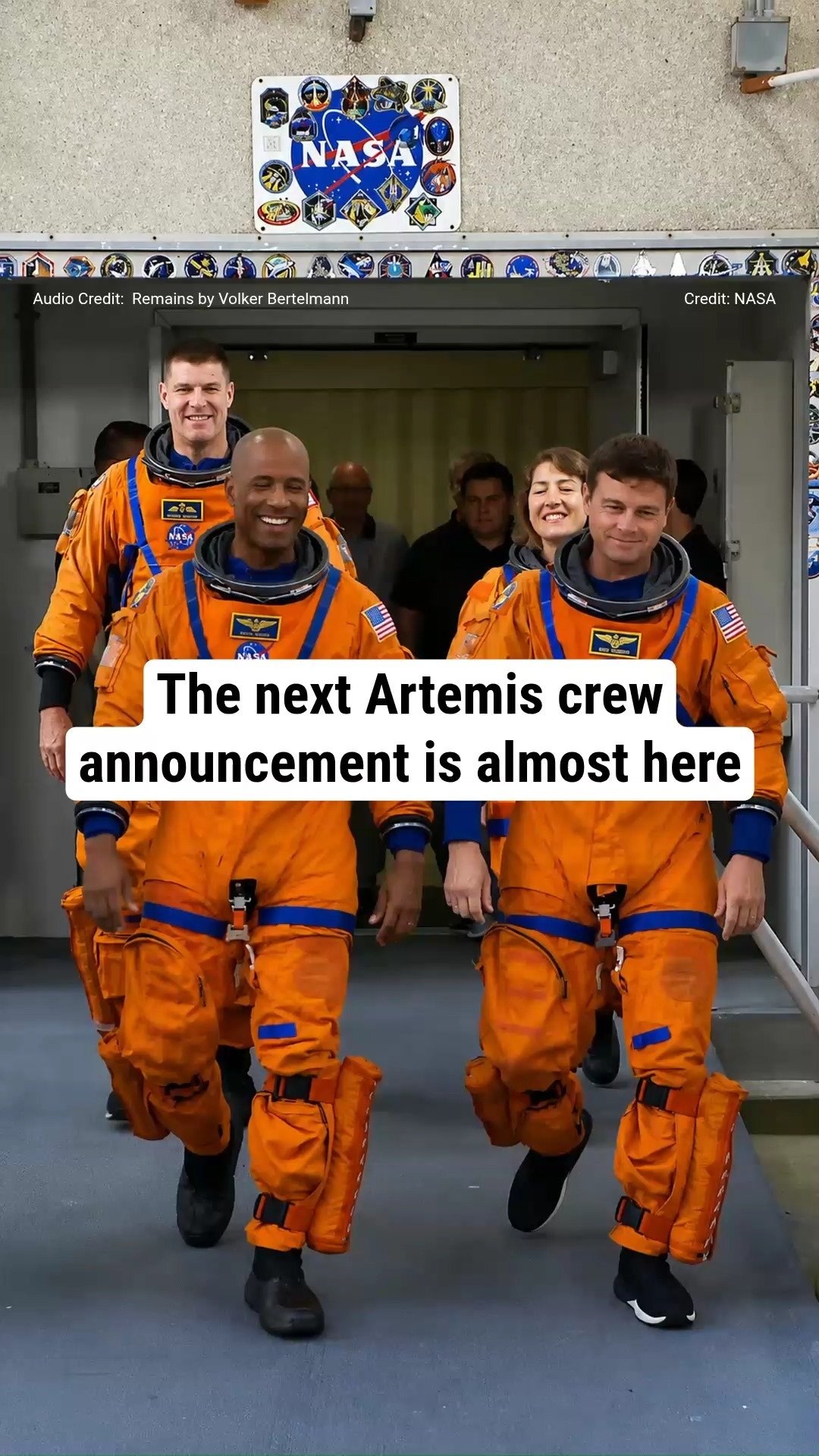
The next Artemis crew announcement is almost here
A major Artemis announcement is coming. On June 9, NASA will provide a fresh update on the Artemis III mission and unveil the astronauts assigned to the highly anticipated test flight. The live event from Johnson Space Center in Houston could offer the clearest look yet at the next steps in NASA’s journey back to the Moon. Artemis III will test the critical rendezvous and docking operations between the Orion spacecraft and a commercial human landing system, capabilities essential for future Moon missions and the long-term vision of a lunar base. Building on the success of Artemis II, which flew astronauts Reid Wiseman, Victor Glover, Christina Koch, and Jeremy Hansen around the Moon aboard the Orion spacecraft launched by NASA’s Space Launch System (SLS), Artemis III will help pave the way for the next era of human lunar exploration. Stay tuned to Starlust as the next chapter of Moon exploration unfolds.
 0:48
0:48
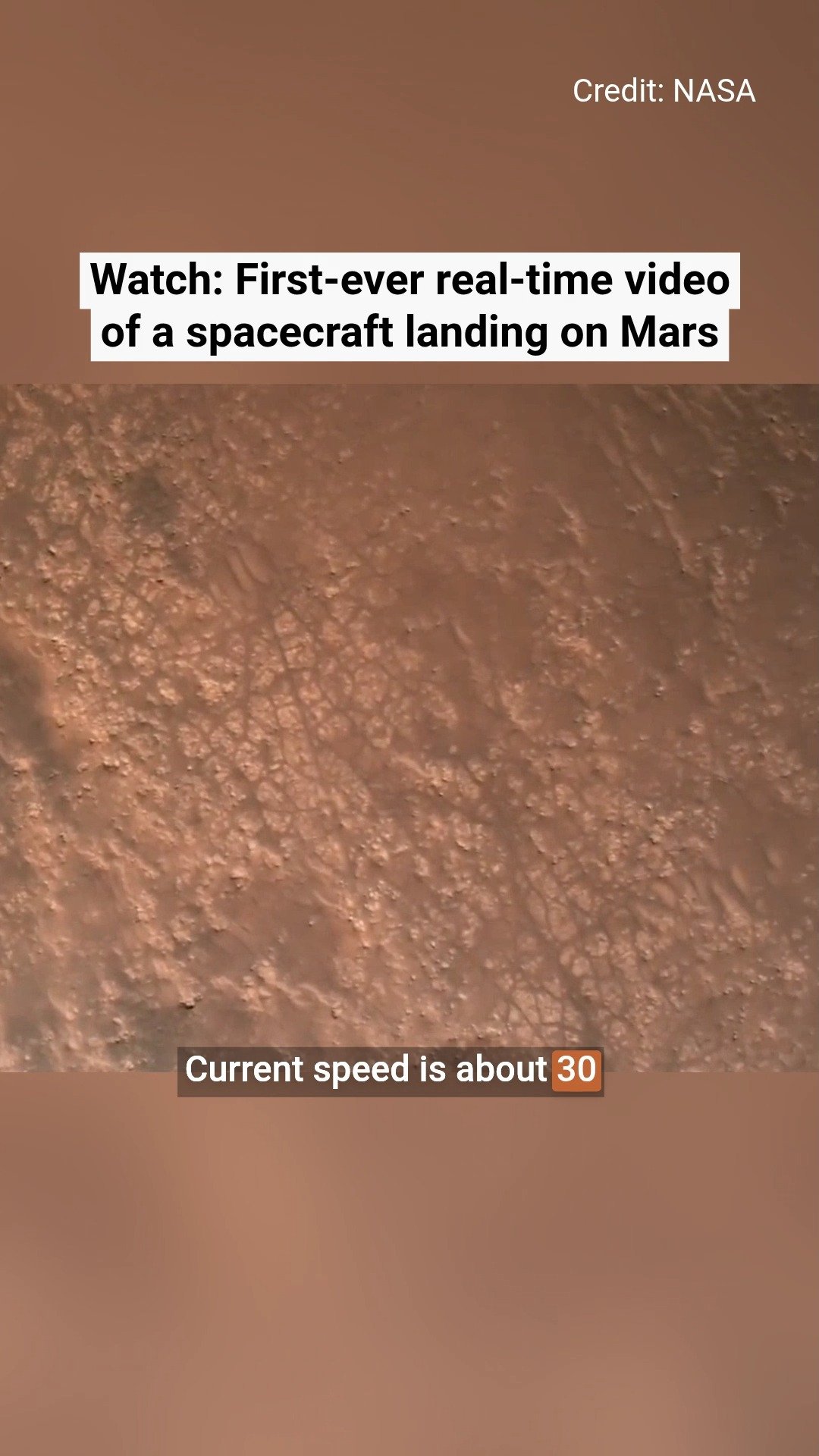
Watch the first-ever video of a spacecraft landing on Mars
On February 18, 2021, NASA's Perseverance Rover landed on Mars and for the first time in history, a spacecraft's descent and landing on another planet were captured in continuous video from multiple onboard cameras. Earlier Mars missions had recorded only still images during descent, which could be assembled into stop-motion sequences. Perseverance's footage provided the first continuous, high-definition, multi-angle video of a Mars landing. The mission also carried microphones that produced the first successful audio recordings from the Martian surface. (Video Credit: NASA)
 1:16
1:16
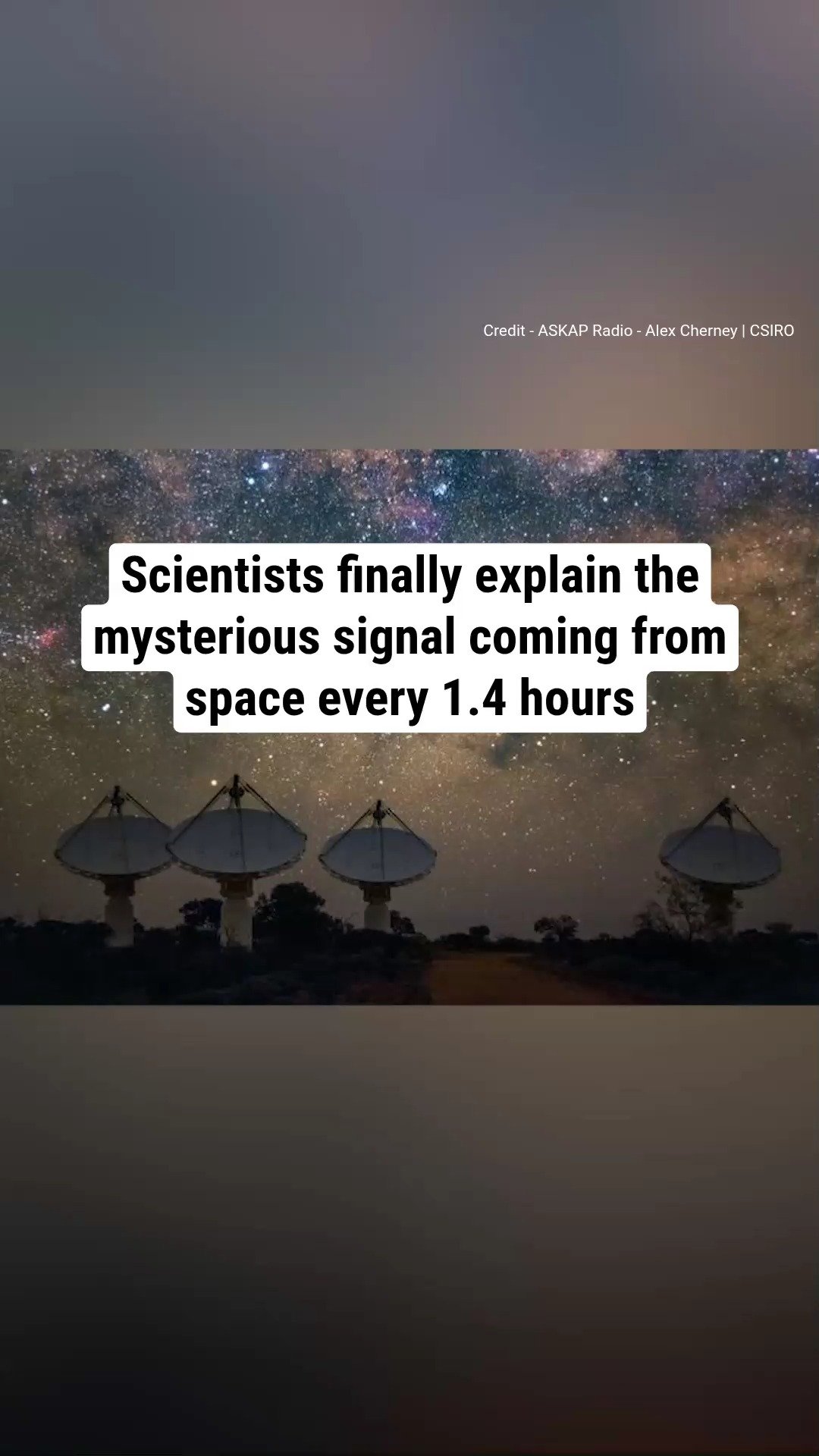
Space has been sending us the same signal every 1.4 hours for years — scientists now know why
For years, astronomers were picking up the same powerful burst of radio waves from deep space—repeating every 84 minutes—and had no idea what was causing it. They called these objects long-period radio transients. About a dozen had been discovered, but none had been explained. Now, a team from the University of Sydney has solved one of the mysteries. The signal was coming from two stars locked in a tight orbit—a white dwarf and a red dwarf—whose magnetic fields collide every single orbit, producing the exact burst astronomers had been puzzling over for years. It's the first confirmed source of a signal like this ever identified. Visuals & Credits: ASKAP Telescope Photograph — Alex Cherney / CSIRO NICER Catches Milestone X-ray Burst — Visualization by Chris Smith / NASA's Goddard Space Flight Center T Coronae Borealis Nova Animation — Visualization by Adriana Manrique Gutierrez / NASA's Goddard Space Flight Center Study Illustration — University of Sydney / Nature Astronomy
 2:30
2:30
This year, NASA's Voyager 1 spacecraft will hit a huge "light-day" milestone
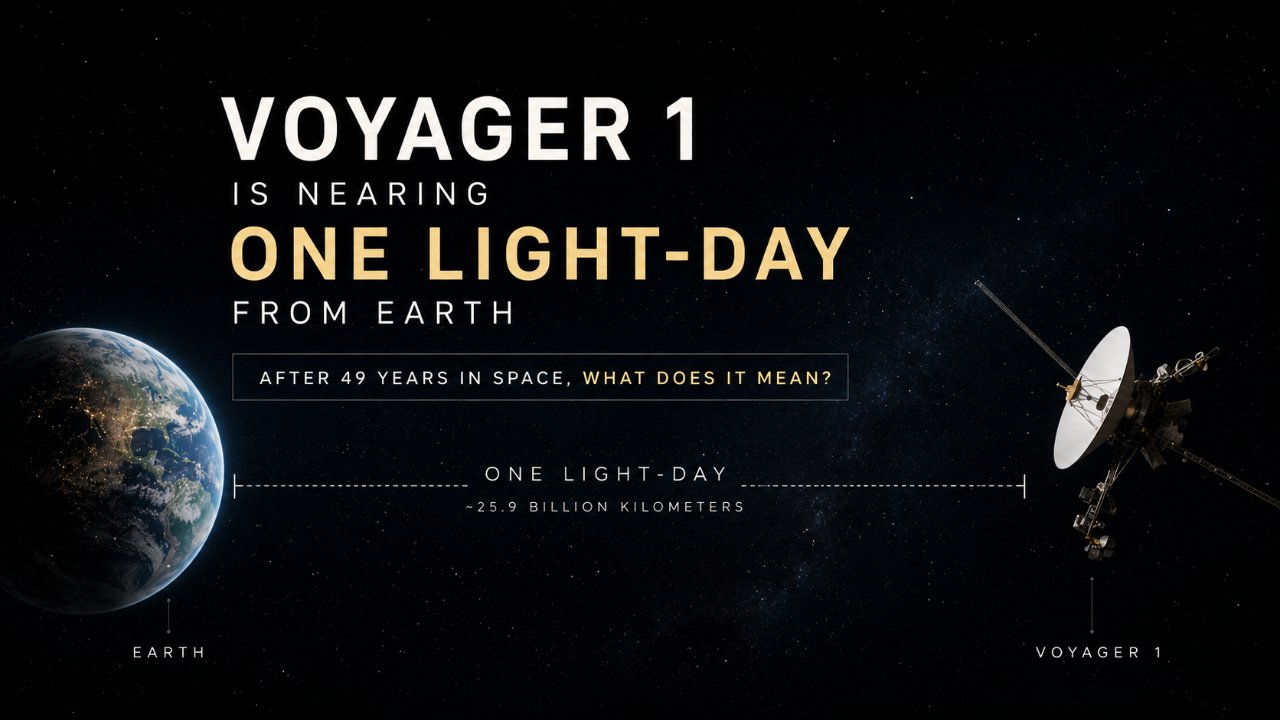
In November 2026, NASA's Voyager 1 will reach an incredible milestone: one light-day from Earth, meaning its signals will take a full 24 hours to travel back home. Nearly 50 years after launch, Voyager 1 and Voyager 2 remain the most distant human-made objects ever created, still exploring the vast region beyond the heliopause and the edge of the Solar System. This video looks back at the remarkable journey of the twin spacecraft, from their historic flybys of Jupiter and Saturn to Voyager 2's visits to Uranus and Neptune, and how these pioneering space probes continue to send back data from interstellar space decades after they were expected to retire. Video edited using footage owned by NASA. Royalty free music from Hook Sounds.
 0:28
0:28
Exact moment bright meteor streaks past erupting volcano in the Philippines
A rare fireball lit up the skies above Mayon Volcano in the Philippines on May 25, 2026, creating a stunning scene. Initially thought to have struck the volcano, PHIVOLCS later confirmed that the meteor disintegrated in the atmosphere before reaching the ground. The event was special because it also featured Mayon's ongoing eruption, bringing together two powerful natural phenomena - from space and Earth - in a single frame. Video source: (1) AfarTV YouTube Channel (All rights reserved) https://www.youtube.com/watch?v=kRntP5h3AqI https://www.afar.tv (2) PHIVOLCS-DOST| X Background music by HookSounds
 1:12
1:12
Scientists finally know exactly when a star becomes a black hole
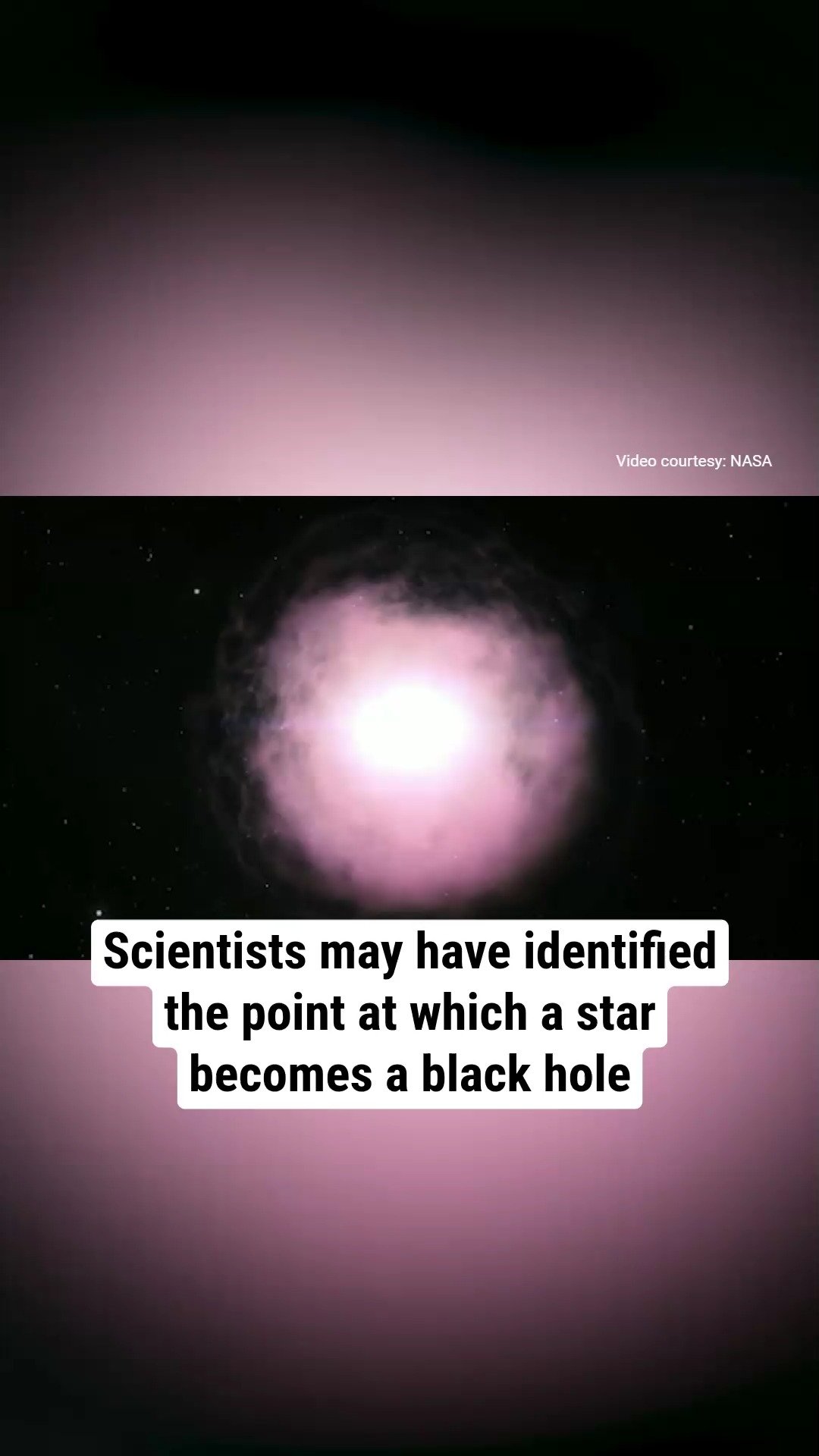
Scientists have identified the critical threshold where a neutron star can no longer resist its own gravity and collapses into a black hole. The boundary lies between 2.2 and 2.3 solar masses. Below this limit, a neutron star survives. Above it, gravity wins—and a black hole forms. Credits: Video Courtesy: NASA Scientific Visualization Studio (SVS)/ Visualizations by Walt Feimer and Luciano Rezzolla
 0:53
0:53
China Just Launched a New Reusable Rocket in Secret — And Nobody Saw It Coming
China successfully launched the Long March-12B rocket on its maiden flight, sending satellites into orbit and marking an important step in the country's next-generation launch capabilities. While the mission received relatively little attention outside the space community, it represents a significant milestone for China's growing space program. The Long March-12B is designed as a reusable launch vehicle and could play a major role in future commercial and constellation missions. 🚀 Rocket: Long March-12B (CZ-12B) 📅 Launch Date: June 1, 2026 🛰️ Payload: Qianfan (Spacesail) constellation satellites Source: China Aerospace Science and Technology Corporation (CASC)